How to Detox Heavy Metals to Help End Exhaustion and Chronic Fatigue

Detoxification Treatment

Detoxification is an important aspect of optimal health, but can be quite confusing, not to mention risky if done incorrectly. Wendy Myers, a functional diagnostic nutritionist, founder of MyersDetox.com and author of “Limitless Energy: How to Detox Toxic Metals to End Exhaustion and Chronic Fatigue,” is a treasure trove of information on this topic.

One key component many fail to take into consideration when detoxing is their exposure to non-native electromagnetic fields (EMFs) and microwave radiation from cellphones and Wi-Fi routers. Unless you address these exposures, your detoxification capacity may be impeded. In other words, your body may not be able to excrete heavy metals as efficiently as it would otherwise, due to the interference caused by EMFs.

Related: Detox Cheap and Easy Without Fasting – Recipes Included

EMFs Hinder Detoxification

As explained by Myers, when you have heavy metals in your body, you tend to attract EMFs to your body. EMFs in turn impact your body’s metabolism and functioning — and its ability to effectively eliminate toxins and heavy metals.

“That is one of the things I work with,” Myers says. “Identifying and trying to reduce EMF in [my clients’] environment, so they can improve their body’s ability to function generally and to detox.”

In my book, “Fat for Fuel: A Revolutionary Diet to Combat Cancer, Boost Brain Power and Increase Your Energy,” I detail a program to improve your mitochondrial function, and reducing your toxic burden is an important part of the equation. Your mitochondria will suffer as long as you bombard your body with EMF. In fact, EMF exposure itself is intrinsically a mitochondrial poison.

Professor Emeritus Martin Pall wrote an excellent paper explaining one of the primary mechanisms of harm from exposure to microwave radiation from cell phones. It is related to voltage-gated calcium channels. EMFs impact these calcium channels that release calcium into the cell.

Calcium causes nitric oxide release and combines with superoxide, thereby creating perioxinitrate, which is a massive producer of f hydroxyl free radicals, the most destructive free radical known. Regular exposure to EMFs can actually poison your cells more than ionizing radiation from X-rays.

Common Metals That Wreak Havoc With Your Mitochondrial Function

Fatigue is a widespread problem today. “In doing my research, I was trying to figure out what is making us so tired,” Myers says. Eventually, she discovered a treasure trove of mitochondrial research and studies showing how various metals impact the mitochondria’s ability to produce adenosine triphosphate (ATP), the energy currency in your body. Metals that are particularly detrimental to mitochondrial function include:

Aluminum, which is very prevalent in our environment, including the air we breathe, thanks to geoengineering. Aluminum is also found in many vaccines, and is used in water treatment plants to separate out sediments. Antiperspirants, aluminum cans, foil and cookware are other common sources of exposure.

Related: Start Eating Like That and Start Eating Like This – Your Guide to Homeostasis Through Diet

Aluminum poisons enzymes that transport nutrients into your mitochondria, impeding their ability to produce energy. “When you remove aluminum and other mitochondrial poisons, we see a dramatic uptake in people’s energy levels, even people who are chronically fatigued or bedridden from their fatigue,” Myers says. “Within a year or so, they are able to start functioning again just from detoxing these metals”

Arsenic, found in antibiotics fed to conventionally-raised chickens and eggs, is another. To avoid arsenic, eat organic, pastured eggs and chicken. Rice is another common source, and Myers recommends avoiding brown rice for this reason. Other sources include wine, apple juice and drinking water

Tin affects your mitochondria a bit differently. The membrane of your mitochondria needs to have a certain charge to function properly. Tin dispels that charge, effectively handicapping the mitochondria. According to Myers, many have surprisingly high levels of tin in their bodies

Thallium, a gasoline additive, is a common air pollutant thanks to smog and car exhaust fumes. Thallium is added to gasoline for the same reason lead used to be added — to reduce knocking and improve engine performance. Lead was successfully removed from gasoline after public outcry, but now they add thallium instead. Few are aware of this, or understand its health effects, but thallium is a major factor in chronic fatigue

Related: Candida, Gut Flora, Allergies, and Disease

How to Test for Heavy Metals

There are a number of different ways to test for heavy metals, including hair, urine and stool. Certain metals, such as thallium, show up best in a urine dimercaptosuccinic acid (DMSA) challenge test. DMSA is a chelating agent that can be administered either orally or intravenously. When taken together with a synergistic agent like glycine, it binds to the metals in your body, forcing them out through your stool and urine.

Myers typically starts out doing a hair mineral analysis. It’s easy to do, relatively inexpensive and provides a significant amount of information. Ideally, you’ll want to do all three — hair, stool and urine tests — as no one test is perfect. Some metals come out in hair, others in urine and/or stool. Cadmium, for example, comes out in stool, so a stool test will be the most accurate.

“A lot of people have cadmium toxicity, so it’s very important to measure that,” Myers says. “A lot of people have mercury fillings, so we’ll see a lot of silver from those amalgams coming out in the stool as well. Those kill gut bacteria and cause gut dysbiosis … Other metals prefer to be excreted in the hair. That’s why I’d like to use all those different tests.”

No One Is Exempt From Heavy Metal Toxicity

I did a heavy metal analysis on hair, urine and stool, and despite leading a fairly clean lifestyle, I had every single one of these heavy metals in my body. So, I’m currently doing Myers’ detoxification program myself. While some believe detoxification is unnecessary and view such recommendations with suspicion, I believe accumulation of toxins is an unfortunate artifact of living in the 21st century.

Related: Gluten, Candida, Leaky Gut Syndrome, and Autoimmune Diseases

You’re continually exposed, so not only might you need to go through an aggressive detoxification program, but then you need to have some form of maintenance program to keep up with the continuous exposures.

“Yes, that’s my main message to people,” Myers says. “You should think of detox as a lifestyle, not something that you’re doing for 30 days, six months or even a year. It’s just something that you incorporate into your healthy lifestyle. We’ll talk about some of the supplements and detox protocols that you can do to facilitate that …  

I’m always surprised that my healthiest clients, like yourself, have a lot of metals coming out. Your body is working really well. You’re very healthy, so your body is able to excrete these metals much better than someone who is sick … or their detox organs aren’t functioning very well. But no one is exempt. Everyone has toxic metals in their body that we want to tend to if we plan to live a long, healthy, energetic and disease-free life.”

Indeed, because I lead such a healthy lifestyle, I thought I was somewhat immune to this kind of toxicity. I now suspect my arrogant ignorance of EMF exposure sabotaged my body’s ability to excrete these toxins. Now, I’m extremely diligent about avoiding EMF exposures, and I believe it’s having a positive effect.

Unfortunately, virtually no one, not even most detox experts, understand the EMF issue. I’m trying to change that by starting a dialogue about it. Because you can implement all of these detox strategies, but if you don’t radically reduce your EMF exposure, you’re merely spinning your wheels, investing time, energy and resources while limiting any potential benefit.

Related: Sugar Leads to Depression – World’s First Trial Proves Gut and Brain are Linked (Protocol Included)

Near- Versus Far-Infrared Saunas

Saunas are an excellent detoxification tool, and Myers is one of the few clinicians who actually understands the difference between regular infrared saunas, which use far-infrared and the near-infrared. Far-infrared helps accelerate removal of toxins through sweat, but near-infrared, in the range of 830 to 850 nanometers (nm) is especially important for improving mitochondrial function.

Delivering near-infrared light to the compromised mitochondria synthesizes gene transcription factors that trigger cellular repair. So, ideally, you’ll want to use a full-spectrum sauna. At present, those are hard to find, but you can modify you far-infrared sauna by adding a near-infrared light in the 830 to 850 nm range to it. Myers explains:

“Infrared saunas are one of the best ways to detox your body. I recommend them to all my clients … [T]he most common sauna is a far-infrared sauna … I’m a big fan of near-infrared saunas also.

There are near-infrared bulbs saunas, which are fine for detoxification, but you want to add more concentrated near-infrared energy. You can do that with near-infrared light emitting diodes (LEDs). The best detox combo is a far-infrared sauna with a near-infrared LED and a red LED panel inside of it. That’s the best combo.”

Other Sauna Considerations

Another important consideration when looking for an infrared sauna is to make sure it’s a low-EMF version, as many will emit very high amounts of extra-low frequency EMFs. So, look for manufacturer specifications on EMF emissions. As a general recommendation, avoid the really cheap ones made in China. In addition to EMFs, many of those made with inexpensive materials contain glue and particle board that emit volatile organic compounds (VOCs).

Some recommendations call for constructing your own near-infrared sauna using four 250-watt heat lamp bulbs. Most of the energy they produce is in the mid- and far-infrared range, with only 10 percent or so in the near-infrared. The drawback is that the radiation tends to decrease rapidly the further you get from the bulb, and you cannot get too close to the bulb because it’s so hot you’ll burn yourself. As a result, you’re getting mostly far-infrared even from these bulbs.

I prefer Myers’ recommendation, which involves using infrared LEDs, as they generate very little heat, so you can put them very close to your body, right where you need it. Myers explains:

“The near-infrared LEDs are something that have been available in the last few years. There are amazing companies making products like these, the near-infrared and red LED combo products that you can add to your near-infrared bulb sauna or far-infrared sauna. That’s the way that I would go if you’re looking for that maximum detox effect.”

Sauna Recommendations for Detoxification

Contraindications for sauna use include having a pacemaker or metal implants in your body, as they may be heated by the infrared rays. Most people with metal pins in their body will not experience any problems, but it’s something to be mindful of. Saunas are also generally contraindicated for children under the age of 7.

“Their temperature regulation system doesn’t quite work well enough, so I would not have a child use an infrared sauna,” Myers says. “As far as how to use a sauna, I recommend people do them three to five days a week, starting with about five to 10 minutes.

If you’re really, really ill, you’d want to start with a low amount and then slowly work your way up; like maybe each week add a couple of minutes to your sessions. You ought to do what works for you. It doesn’t matter what I say or what I recommend. I want you to listen to your body and do what works for you. If you start to feel nauseated, lightheaded or unwell in any way, it’s time to get out of the sauna.”

Dry brushing your skin prior to the sauna is also helpful as it will get your lymph moving. Then, as soon as you get out of the sauna, be sure to shower right away. The last thing you want is for those excreted toxins to dry out on your body after you’ve sweated them out.

Related: Holistic Guide to Healing the Endocrine System and Balancing Our Hormones

I will typically jump into my pool right afterward. The water being a cool mid-40s in the winter to 80s in the summer, it gives me the added advantage of cold thermogenesis in the winter, but also helps remove the toxins excreted through the skin in my sweat. Also be sure to use some kind of binder when detoxing in a sauna. You need something to mop up all the toxins mobilized from your tissues to keep them from your vital organs.

The Importance of Magnesium

Myers also has an online program called “Mineral Power,” which focuses on replenishing minerals lost during the detoxification process.

“There’s always a cost to any kind of detox protocol you do,” Myers says… But the benefits far outweigh the cost. We’re willing to sacrifice some minerals for the benefits. But there are other minerals, like magnesium, which 80 percent of people are estimated to be deficient in. Magnesium is incredibly important to facilitate all of your body’s enzymatic processes, your metabolism … including facilitating detoxification.”

Earlier I mentioned the importance of avoiding EMF as it affects your voltage-gated calcium channels. In studies on calcium channel blockers, researchers discovered these medications mitigated and nearly eliminated the EMF effects. Now, magnesium is a calcium channel blocker, which means that not only will magnesium help your detoxification process if you’re deficient, but it may also remediate some of the inevitable EMF exposure we’re all subject to.

“I can’t tell you how many clients have told me that they just started taking magnesium alone and they start feeling better within a week or so,” Myers notes. “I had the same experience when I did my first hair tissue mineral analysis a long time ago. I started taking magnesium. I couldn’t believe how much better I was feeling. I had to become a practitioner and tell more people about this, about the importance of minerals.”

The Importance of Zinc

Zinc is another important mineral required for detoxification. Minerals help push out metals, as many metals bind to receptors that would normally be occupied by minerals. When you’re deficient, metals can easily take the minerals’ rightful place. Zinc helps push out cadmium, a metal that causes more cancers than all of the other metals combined. Myers explains:

“This is why cigarette smokers get cancer. It’s why my dad got esophageal cancer. He smoked for 40 years … [Y]ou get cadmium from cigarettes … our environment [air] … shellfish and fish. It’s not only mercury that’s in fish. It’s cadmium as well. Cadmium interferes when DNA copies. When a cell multiplies or divides, cadmium interferes in the DNA copying properly, so you get this mutated cell.

We have about 100 million cancer cells in our body at any one time. But if your immune system is malfunctioning, say it’s damaged by metals, EMF or it’s nutrient-deficient or just doesn’t have the energy to function, that’s when that mutated cell caused by cadmium will be allowed to grow and manifest into a tumor, be it malignant or benign. That’s the mechanism by which cadmium causes cancer.”

Cadmium is also a significant contributor to hardening of the arteries. If you are zinc deficient, your body is forced to accumulate cadmium to repair the arteries. However, cadmium is hard and brittle, so when it deposits into your arteries, it reduces the arteries’ ability to expand and to contract, thereby contributing to high blood pressure and heart disease.

This is also the mechanism by which smoking leads to heart disease. The good news is you can reverse this process by taking proactive steps to remove cadmium from your system. It is a slow, long process, however.

Other Important Minerals

Other important minerals include:

Selenium. Most people have insufficient levels of selenium, and you need this mineral to repair chromosome damage. Selenium is also needed for the conversion of thyroid hormone, from T4 to T3. You need it to make glutathione in your body — a master antioxidant made by your liver that is important for heavy metal detoxification.

Selenium also prevents viral replication, and helps detoxify arsenic, beryllium, cadmium, mercury and silver. The daily recommended dose is 200 micrograms (mcg) per day.

Potassium, while not a primary detox mineral, does help push out thallium.

Iodine can also be beneficial. Thyroid disease is extremely common, especially in those drinking fluoridated water, as fluoride displaces iodine. Chlorine and bromine also displaces iodine, and they too are added to your water supply and/or food. Iodine helps push out halogens that compete with iodine uptake in the thyroid. To facilitate detoxification of halogens, you will need to take much higher amounts of iodine than typically recommended for general health.

All these supplements are classified as Generally Recognized As Safe (GRAS), so there are no toxicity concerns. One exception is selenium. You do not want to take excessive amounts of it, and it has a very low therapeutic ratio. So, don’t take more than the recommended 200 mcg per day. More is not better in this case.

Where to Find Detox Help

Wendy is currently working on starting a detox institute, scheduled to open in 2018. She’s partnered with Dr. Bruce Jones to develop and legitimize hair mineral analysis. The Institute will teach medical doctors, licensed professionals and laypeople the science behind the use of hair mineral analysis.

“To date, most of what you learn about hair mineral analysis doesn’t have a scientific backing to it. What we want to change, and what I want to do, is really legitimize it in the eyes of the medical profession. We’re going to accomplish that by [making sure that] everything we say is backed by scientific research. You can look forward to that in 2018.”

If you would like to schedule an appointment with one of Myers’ personally trained Mineral Power practitioners, visit MineralPower.com.

“That’s where you can learn all about our detoxification program. It’s really a healing program as well. I wake up every day so excited to teach people about the importance of detoxification and how metals are affecting their body, because they’re not getting that information from their conventional medical doctor.

They go to their doctor and maybe they’re getting advised to take medications or surgery, which is useful in many situations. But there’s a big absence of information into the underlying root causes of people’s health issues, which are mineral and nutrient-deficiency, metal and chemical toxicities, EMF and other factors. I really want to educate people what they’re missing in trying to reach their health goals,” Myers says.

… It can really help to have someone holding your hand and getting support if you run into a road block or a problem with detoxification. Sometimes, there is preliminary work we have to do to get someone to the point where they’re able to detox … We help to troubleshoot what those issues are and develop a really individualized detox program to get your body where you want to get it.”

Myers’ book, “Limitless Energy: How to Detox Toxic Metals to End Exhaustion and Chronic Fatigue,” goes into these and many other details not covered in this interview. At $6 for the electronic version, it’s an absolute steal. If there’s a specific toxin you’re concerned with, Myers’ book will help you identify the different sources and the specific strategies you can use to eliminate it.

Also consider getting a high quality, low-EMF infrared sauna, and use it regularly in combination with these binders and any minerals you may be in need of. We live in a very toxic world. Even if you think you’re doing most everything right, chances are you have accumulated heavy metals in your body, which may prevent you from experiencing peak health.


Merger From Hell Approved By DOJ, Warnings Of Agrichemical Chokehold On Food System

(NaturalBlaze by Andrea Germanos) Watchdog groups sounded alarms on Monday after the Wall Street Journal reported that the proposed mega-merger of Bayer and Monsanto has cleared its final regulatory hurdle in the United States.

The reported approval from the Justice Department came “after the companies pledged to sell off additional assets,” the Journalreported, and despite concerns raised by hundreds of food and farm groups. It also comes weeks after the European Commission gave its thumbs up.

Related: Understanding and Detoxifying Genetically Modified Foods

“The approval of the third supersized seed merger, after ChemChina-Syngenta and Dow-DuPont,” said Wenonah Hauter, executive director of Food & Water Watch, “leaves farmers vulnerable to price gouging for seeds and other supplies and strengthens the hold a few dominant corporations have over the entire food system.”

“The Justice Department’s rubber stamping of these three seed mega-mergers transforms the already concentrated agrichemical and seed market, effectively reducing the number of competitors from six to three,” she added.

Because it will make it harder for farmers to acquire non-genetically modified seeds to plant, it “makes it harder for agriculture to get off the GMO-chemical treadmill that just keeps increasing in speed,” she said.

With its reported stamp of approval, the pending merger shows that “the federal government is not taking the impact of corporate control of our food supply seriously. It’s time for Congress to establish a moratorium on mega-mergers in the food system,” Hauter argued.

Related: Foods That Are GMO

Jason Davidson, food and technology campaign associate with Friends of the Earth, was equally critical in his reaction to the development.

“The Department of Justice has decided that corporate profits matter more than the interests consumers and farmers. This decision will massively increase the power of major agrichemical companies that already have a stranglehold on our food system,” he declared in a statement.

He went on to lament that “American farmers will see increased seed prices, fewer options, and decreased bargaining power.” Echoing Hauter’s warning, he argued. “This merger from hell will further entrench the failing model of toxic, chemical-intensive agriculture, which is poisoning people and the planet.”

Related: Doctors Against GMOs – Hear From Those Who Have Done the Research

A recent poll found that nearly 94 percent of farmers expressed concern that a Bayer-Monsanto merger would have a negative impact on independent farmers and their communities. It also found that 89 percent of farmers said they believe the merger would lead to increased pressure for chemically-dependent farming.

Is Your Gut Causing Sleepless Nights?

(Dr. Mercola) You share your body with trillions of microorganisms, the bulk of which reside in your gut, including your stomach and small and large intestines. There, however, they are not restricted to influencing only the goings-on of your digestive process.

Far from it, these microorganisms, collectively known as your microbiome, influence your body’s homeostasis daily and are intricately tied to other body systems via a number of complex pathways, including the gut-brain axis and a recently revealed gut-brain-bone marrow axis, the latter of which may influence your blood pressure, mood and more.

One of the most compelling avenues of study relating to your microbiome is how it relates to your sleep. It’s already known that sleep influences your gut health, in part because lack of it makes it harder for you to control your impulses and manipulates hormones linked to food intake, causing you to eat more and crave unhealthy foods.

So skimping on sleep is a remarkably good bellwether of a poor diet, the latter of which can quickly take a toll on your gut health. Now researchers are asking whether the opposite also holds true and perhaps your microbiome influences your ability to sleep as well.

Can Your Microbiome Keep You Up at Night?

Although the science is in its early stages, researchers are looking into whether improving gut health could act as a new form of sleep therapy. Michael Breus, Ph.D., a clinical psychologist and fellow of the American Academy of Sleep Medicine, told The Guardian:1

“There is no question in my mind that gut health is linked to sleep health, although we do not have the studies to prove it yet. Scientists investigating the relationship between sleep and the microbiome are finding that the microbial ecosystem may affect sleep and sleep-related physiological functions in a number of different ways: shifting circadian rhythms, altering the body’s sleep-wake cycle, affecting hormones that regulate sleep and wakefulness.”

For instance, writing in the journal Chest, researchers pointed out that changes in gut microbiota have long been linked to lifestyle behaviors such as diet, travel, exercise and disturbances to circadian rhythm.2 Meanwhile, diseases once primarily attributed to lifestyle, such as obesityheart disease and depression, are turning out to have increasing links to microbiota. In this case, they believe that “microbial-immune cross-talk” may be playing a role in obstructive sleep apnea (OSA), particularly in fatal cases.

“[W]e posit that altered patterns of sleep and oxygenation, as seen in OSA, will promote specific alterations in gut microbiota which in turn will elicit the immunological alterations that lead to OSA-induced end-organ morbidities,” they stated. Likewise, in the Journal of Clinical Gastroenterology, researchers evaluated the interplay between sleep dysfunction, gastrointestinal health and disease, with particular focus on how the effects of sleep and circadian rhythm disruption could affect the microbiota.3

Yet another study pointed out that partial sleep deprivation is known to alter gut microbiome, and its composition is linked to cognitive flexibility. Their study found that there could be a link between sleep quality, composition of gut microbiome and cognitive flexibility in older adults, such that “improving microbiome health may buffer against sleep-related cognitive decline in older adults.”4

Prebiotics Affect REM and Non-REM Sleep

Prebiotics, which act as food for the beneficial bacteria, or probiotics, in your gut, have already been found to influence sleep in animal studies. When young rats were fed a diet containing prebiotic fiber or a control diet for four weeks, the prebiotic group spent more time in restful and restorative non-rapid eye movement (NREM) sleep cycles.5

In addition, rats eating prebiotics had an increase in beneficial gut bacteria as compared to the control group and spent more time in REM sleep after being stressed, which is important for promoting recovery. The researchers noted:6

“The results of the current study demonstrate that a … diet rich in prebiotics … started in early life increases the growth of Lactobacillus rhamnosus and alleviates the stress-induced disruption of REM sleep, diurnal physiology and gut microbial alpha diversity.

Rats on the test diet exhibited decreased impact of the stressor, including increased REM sleep rebound following stress, attenuated disruption of the diurnal rhythm of CBT [core body temperature], and prevention of dysbiosis in all three measures of alpha diversity …

Given that sufficient NREM sleep and proper nutrition can impact brain development and function and that sleep problems are common in early-life, it is possible that a diet rich in prebiotics started in early-life could help improve sleep, support the gut microbiota and promote optimal brain/psychological health.”

Dr. Michael Mosley, a doctor-journalist with BBC News, conducted a similar trial on himself, taking prebiotics for five days, and noticed a remarkable improvement in his sleep. Prior to the prebiotics, he spent 21 percent of his time in bed awake but this dropped to 8 percent after the prebiotics.7

Related: Insomnia – A Comprehensive Look with Natural Remedies

This isn’t definitive proof that prebiotics improve sleep, but considering the many other benefits they add to your health, there’s little harm, and potentially great gain, in adding them to your diet. If you’re interested in adding more prebiotic fiber to your diet to improve the health of your microbiome, and possibly your sleep, the following foods are good sources:8

Apples Asparagus Banana
Beetroot Breast milk Burdock root
Cashews Chicory root Couscous
Fennel bulb Garlic Grapefruit
Green peas Jerusalem artichokes Jicama
Konjac root Leeks Nectarines
Onion Persimmon Pistachios
Pomegranate Savoy cabbage Seaweed
Shallots Snow peas Tamarillo

Too Little Sleep Alters the Bacteria in Your Gut

The many ties between your microbiota, your sleep and your overall health only continue to grow. For instance, melatonin, the sleep hormone, is made from serotonin, and is normally found in abundance in your gut — even more so than in your brain. Gut bacteria affect both serotonin and melatonin production.

Related: Holistic Guide to Healing the Endocrine System and Balancing Our Hormones

Further, the composition and functions of your gut microbiome is affected by circadian rhythm disruptions, including jet lag. Researchers believe circadian rhythms play a key role in regulating the gut microbiome as well as its responses to gastrointestinal pathogens.9

If you skimp on sleep, you also prompt changes in your body’s microbial community. When men slept for just four hours a night for two nights in a row, the balance of bacteria in their gut shifted.10 Specifically, they had increased firmicutes to bacteroidetes ratio, higher abundances of the families Coriobacteriaceae and Erysipelotrichaceae and lower abundance of Tenericutes, changes that have previously been linked to metabolic disturbances. The researchers concluded:11

“Our findings demonstrate that short-term sleep loss induces subtle effects on human microbiota. To what extent the observed changes to the microbial community contribute to metabolic consequences of sleep loss warrants further investigations in larger and more prolonged sleep studies.”

The Link Between Sleep, Depression and Your Gut

Your gut microbiome plays an intricate role in your mood, and sleep plays a role in depression, raising intriguing questions about how all three — microbiome, sleep and depression — are related. Tim Spector, professor of genetic epidemiology at King’s College London, told The Guardian:12

“We know that people who live with depression and people who sleep poorly both have abnormal microbes in the gut, which would suggest there is a very real connection here between all three … I’ve always found that if you help someone sleep, it improves their depression, and vice versa. If we can also look after the gut, this may have an impact on both sleep disturbances and mood disorders.”

Also intriguing, a small study involving adults diagnosed with irritable bowel syndrome (IBS) and depression found the probiotic Bifidobacterium longum provided depression relief. At six weeks, 64 percent of the treatment group had reduced depression scores compared to 32 percent of the control group that received a placebo.13

Related: Natural Remedies for Depression

Those receiving the probiotic also reported fewer symptoms of IBS and improved overall quality of life. At the end of 10 weeks, approximately twice as many in the treatment group were still reporting lower levels of depression.

Interestingly, functional MRI scans revealed a link between reductions in depression score and actual changes in brain activity, specifically in areas involved in mood regulation, such as the amygdala. As noted by Dr. Roger McIntyre, professor of psychiatry and pharmacology at the University of Toronto, who was not involved in the study:14

“We know that one part of the brain, the amygdala, tends to be red-hot in people with depression, and it seemed to cool down with this intervention. It provides more scientific believability that something in the brain, at a very biological level, seems to be affected by this probiotic.”

Could Your Diet Improve Both Your Sleep and Your Gut Health?

Another common thread affecting both your sleep and your gut is your diet. One study evaluating the diets and sleep patterns of more than 4,500 people found distinct patterns:15

  • Very short sleepers (less than five hours a night): Had the least food variety, drank less water and consumed fewer total carbohydrates and lycopene (an antioxidant found in fruits and vegetables).
  • Short sleepers (five to six hours): Consumed the most calories but ate less vitamin C and selenium, and drank less water. Short sleepers tended to eat more lutein and zeaxanthin than other groups.
  • Normal sleepers (seven to eight hours): Had the most food variety in their diet, which is generally associated with a healthier way of eating.
  • Long sleepers (nine or more hours): Consumed the least calories as well as less theobromine (found in chocolate and tea), choline and total carbs. Long sleepers tended to drink more alcohol.

Further, Spector told The Guardian, “[I]f we eat badly, we sleep badly … If you wanted to improve sleep, you could try a gut-friendly regime by eating a broad and inclusive diet with real food, not processed.”16 Indeed, it’s likely that eating a varied, whole food diet is one key to normal, healthy sleep and gut health alike. If you need some help in this area, check out my nutrition plan for a step-by-step guide to optimizing your eating habits.

As for how to support a healthy microbiota, which could do more to improve your sleep than is currently appreciated, it isn’t very complicated, but you do need to take proactive steps to encourage its health while avoiding factors known to cause harm. This includes:

Do Avoid
Eat plenty of fermented foods. Healthy choices include lassi, fermented grass-fed kefir, natto (fermented soy) and fermented vegetables. Antibiotics, unless absolutely necessary, and when you do, make sure to reseed your gut with fermented foods and/or a high-quality probiotic supplement.
Take a probiotic supplement. Although I’m not a major proponent of taking many supplements (as I believe the majority of your nutrients need to come from food), probiotics are an exception if you don’t eat fermented foods on a regular basis Conventionally raised meats and other animal products, as CAFO animals are routinely fed low-dose antibiotics, plus GE grains loaded with glyphosate, which is widely known to kill many bacteria.
Boost your soluble and insoluble fiber intake, focusing on vegetables, nuts and seeds, including sprouted seeds. Chlorinated and/or fluoridated water. Especially in your bathing such as showers, which are worse than drinking it.
Get your hands dirty in the garden. Exposure to bacteria and viruses can help to strengthen your immune system and provide long-lasting immunity against disease.

Getting your hands dirty in the garden can help reacquaint your immune system with beneficial microorganisms on the plants and in the soil.

Processed foods. Excessive sugars, along with otherwise “dead” nutrients, feed pathogenic bacteria.

Food emulsifiers such as polysorbate 80, lecithin, carrageenan, polyglycerols, and xanthan gum also appear to have an adverse effect on your gut flora.

Unless 100 percent organic, they may also contain GMOs that tend to be heavily contaminated with pesticides such as glyphosate. Artificial sweeteners have also been found to alter gut bacteria in adverse ways.17

Open your windows. For the vast majority of human history, the outside was always part of the inside, and at no moment during our day were we ever really separated from nature.

Today, we spend 90 percent of our lives indoors. And, although keeping the outside out does have its advantages it has also changed the microbiome of your home.

Research shows that opening a window and increasing natural airflow can improve the diversity and health of the microbes in your home, which in turn benefit you.18

Agricultural chemicals, glyphosate (Roundup) in particular is a known antibiotic and will actively kill many of your beneficial gut microbes if you eat foods contaminated with it.
Wash your dishes by hand instead of in the dishwasher.

Research has shown that washing your dishes by handleaves more bacteria on the dishes than dishwashers do, and eating off these less-than-sterile dishes may actually decrease your risk of allergies by stimulating your immune system.

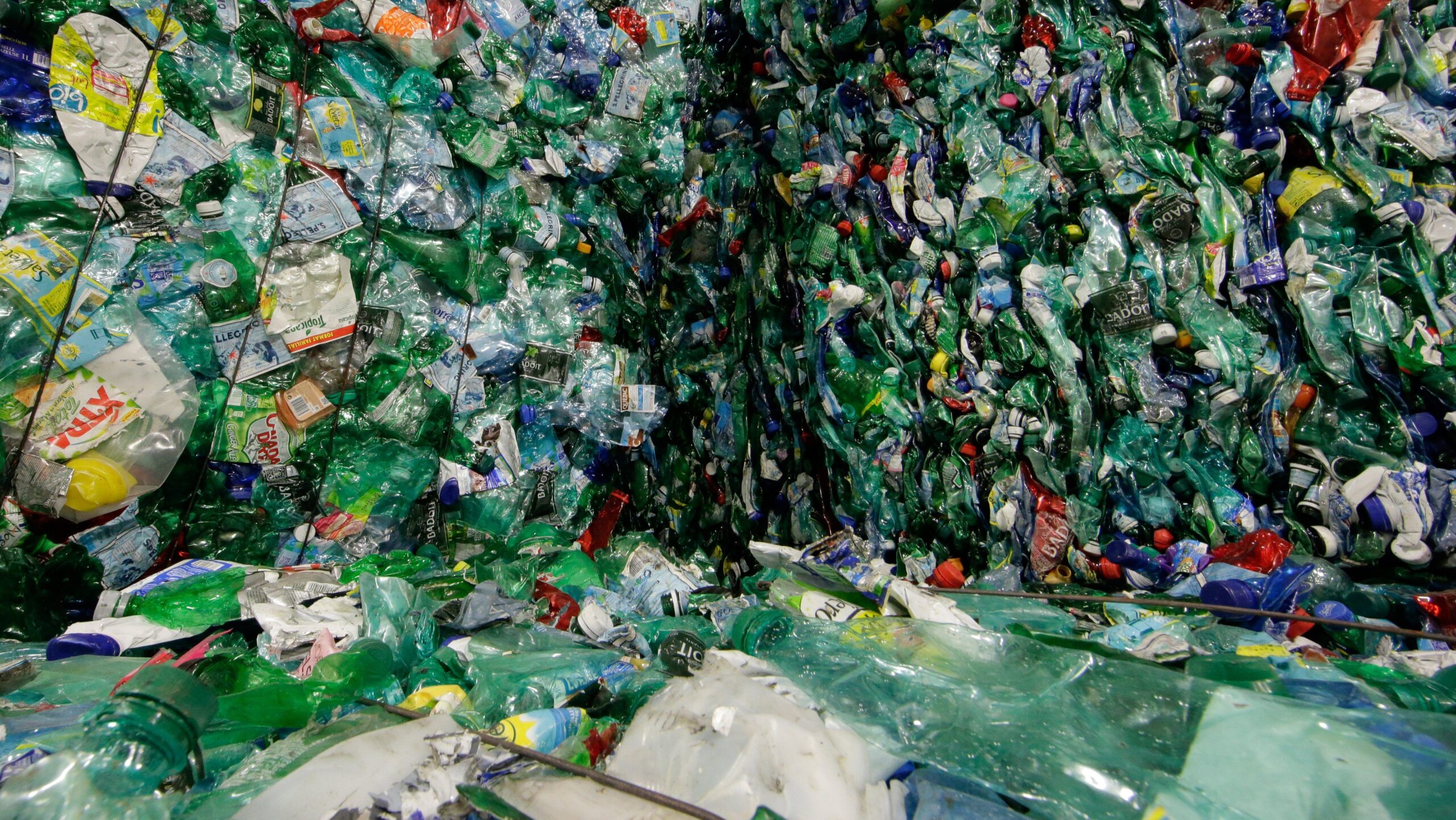
How to Avoid Plastics

(OLM) Many manufacturers have stopped using BPA to harden plastics, replacing it with “BPA-free” alternatives like the most common replacement, BPS (Bisphenol S).

Our research showed that low levels of BPS had a similar impact on the embryo as BPA. In the presence of either BPA or BPS, embryonic development was accelerated. Additionally, BPA caused premature birth.” –Nancy Wayne

You probably can’t avoid plastics. Even if you go to another planet plastic is going to take you there and contaminate that ecosystem. But you can limit plastic consumption and keep your body in a homeostasis state that detoxifies itself at all times.  And the good news is that with the right diet and a healthy body, BPA and BPS can be flushed out of your system quickly, some say within 24 hours. A properly working body can process and dispel a lot of toxins. An unhealthy body rids itself of toxins at a slower rate than the toxins are consumed and produced.

Ways to Limit Plastic Contamination & Plastic Use

  1. Keep your home clean, and vacuum regularly
  2. Filter tap water
  3. Always avoid artificial fragrances
  4. Stay away from warm or hot plastics, don’t even breathe near them
  5. Avoid canned foods
  6. Avoid conventional personal care products like shampoos, soaps, moisturizers, makeup
  7. Avoid conventional and big-ag produce (pesticides and herbicides have plastic residues)
  8. Cook your own foods using whole-food ingredients
  9. Stop using plastic straws, even in restaurants
  10. Purchase food, like cereal, pasta, and rice from bulk bins and fill a reusable bag or container
  11. Use paper or your own reusable shopping bags, bulk goods bags, and bring your own mesh produce bags (FYI: I suspect that many paper bags contain BPA and BPS)
  12. No more chewing gum, it’s made of plastic
  13. Buy boxes and glass instead of plastic bottles whenever possible
  14. Use a reusable bottle or mug for your beverages or coffee and soda refills (but you don’t drink that crap, do you?)
  15. Boycott any restaurant that still uses styrofoam – Why is that still a thing?
  16. Use matches or invest in a refillable metal lighter – avoid the plastic disposable ones
  17. Eat real, whole foods – fresh foods equates to less packaging and less previous plastic contact
  18. Don’t use plasticware ever, bring your own if need be
  19. Use cloth diapers – disposable diapers are extremely toxic to the environment and your baby
  20. Make your own cleaning products
  21. Pack your lunch in glass containers and reusable bags.
  22. Use a razor with replaceable blades instead of a disposable razor
  23. Find other disposal products that can be replaced by their non-disposable counterparts
  24. Avoid seafood
  25. Avoid cheap supplements and be wary of sports supplements

Also, Avoid BPA receipts!

Did you know that some receipts contain 250 to 1,000 times the amount of BPA typically found in a can of food?  If that isn’t scary enough, BPA transfers readily from the receipt to skin and cannot be washed off. Different types of receipts contain varying levels of BPA. If you aren’t sure whether or not a merchant uses BPA in their receipts, either ask directly or let them know early in the transaction that you will not need your receipt. Gas station receipts are particularly notorious for containing huge amounts of BPA.” – Home Maker Chic

This article is an excerpt from How to Detox From Plastics and Other Endocrine Disruptors, original published on OLM.

Is the MMR Vaccine a Fraud or Does It Just Wear Off Quickly?

(Dr. Mercola) In 1986, public health officials stated that MMR vaccination rates for kindergarten children were in excess of 95 percent and that one dose of live attenuated measles, mumps and rubella vaccine (MMR) would eliminate the three common childhood diseases in the U.S.1In 1989, parents were informed that a single dose of MMR vaccine was inadequate for providing lifelong protection against these common childhood diseases and that children would need to get a second dose of MMR.2

Today, 95 percent of children entering kindergarten3 have received two doses of MMR vaccine, as have 92 percent of school children ages 13 to 17 years.4

In some states, the MMR vaccination rate is approaching 100 percent.5 Despite achieving the sought-for MMR vaccination rate for more than three decades, which theoretically should ensure “herd immunity,” outbreaks of both measles and mumps keep occurring — and many of those who get sick are children and adults who have been vaccinated.

Mumps Is Making a Comeback

As recently reported by Science Magazine6 and The New York Times,7 mumps is making a strong comeback among college students, with hundreds of outbreaks occurring on U.S. campuses over the past two decades. Last summer, the Minnesota Department of Health reported its largest mumps outbreak since 2006.8

According to recent research,9 the reason for this appears to be, at least in part, waning vaccine-acquired immunity. In other words, protection from the MMR vaccine is wearing off quicker than expected. Science Magazine writes:

“[Epidemiologist Joseph Lewnard and immunologist Yonatan Grad, both at the Harvard T. H. Chan School of Public Health in Boston] compiled data from six previous studies of the vaccine’s effectiveness carried out in the United States and Europe between 1967 and 2008. (None of the studies is part of a current fraudulent claims lawsuit against U.S. vaccine maker Merck.)

Based on these data, they estimated that immunity to mumps lasts about 16 to 50 years, or about 27 years on average. That means as much as 25 percent of a vaccinated population can lose immunity within eight years, and half can lose it within 19 years … The team then built mathematical models using the same data to assess how declining immunity might affect the susceptibility of the U.S. population.

When they ran the models, their findings lined up with reality. For instance, the model predicted that 10- to 19-year-olds who had received a single dose of the mumps vaccine at 12 months were more susceptible to infection; indeed, outbreaks in those age groups happened in the late 1980s and early 1990s. In 1989, the Centers for Disease Control and Prevention added a second dose of the vaccine at age 4 to 6 years. Outbreaks then shifted to the college age group.”

Related: MMR Vaccine Causes Seizures in 5,700 U.S. Children Annually, Says Study

A Third Booster Shot May Be Added

According to public health officials, the proposed solution to boosting vaccine-acquired mumps immunity in the U.S. population is to add a third booster shot of MMR vaccine at age 18.

Unfortunately, adding a booster for mumps means giving an additional dose of measles and rubella vaccines as well, as the three are only available in the combined MMR vaccine or combined MMR-varicella (MMRV) vaccine. At present, a third MMR shot is routinely recommended during active mumps outbreaks, even though there is no solid proof that this strategy is effective.

Considering two doses of the vaccine are failing to protect young adults from mumps, adding a third dose, plus two additional doses of measles and rubella vaccines, seems like a questionable strategy, especially in light of evidence that the mumps vaccine’s effectiveness may have been exaggerated to begin with.

According to a lawsuit filed eight years ago, the manufacturer of mumps vaccine — which is also the sole provider of MMR vaccine in the U.S. — is accused of going to illegal lengths to hide the vaccine’s ineffectiveness. So, might this resurgence of mumps simply be the result of using a vaccine that doesn’t provide immunity to begin with?10 And, if so, why add more of something that doesn’t work? After all, the MMR vaccine is not without its risks, as you’ll see below.

Still-Pending Lawsuit Alleges MMR Fraud

In 2010, two Merck virologists filed a federal lawsuit against their former employer, alleging the vaccine maker lied about the effectiveness of the mumps portion of its MMR II vaccine.11 The whistleblowers, Stephen Krahling and Joan Wlochowski, claimed they witnessed “firsthand the improper testing and data falsification in which Merck engaged to artificially inflate the vaccine’s efficacy findings.”

According to Krahling and Wlochowski, a number of different fraudulent tactics were used, all with the aim to “report efficacy of 95 percent or higher regardless of the vaccine’s true efficacy.”12 For example, the MMR vaccine’s effectiveness was tested against the virus used in the vaccine rather than the natural, wild mumps virus that you’d actually be exposed to in the real world. Animal antibodies were also said to have been added to the test results to give the appearance of a robust immune response.13

Related: How To Detoxify and Heal From Vaccinations – For Adults and Children

For details on how they allegedly pulled this off, read Suzanne Humphries’ excellent summary,14 which explains in layman’s terms how the tests were manipulated. Merck allegedly falsified the data to hide the fact that the vaccine significantly declined in effectiveness.15By artificially inflating the efficacy, Merck has been able to maintain its monopoly over the mumps vaccine market.

This was also the main point of contention of a second class action lawsuit, filed by Chatom Primary Care16 in 2012, which charged Merck with violating the False Claims Act. Both of these lawsuits were given the green light to proceed in 2014,17,18 and are still pending.

In 2015, Merck was accused of stonewalling, “refusing to respond to questions about the efficacy of the vaccine,” according to a court filing by Krahling and Wlochowski’s legal team.19 “Merck should not be permitted to raise as one of its principal defenses that its vaccine has a high efficacy … but then refuse to answer what it claims that efficacy actually is,” they said.

There’s No Such Thing as Vaccine-Acquired Herd Immunity

This certainly isn’t the first time vaccine effectiveness has been questioned. While herd immunity is thrown around like gospel, much of the protection vaccines offer has actually been shown to wane rather quickly. The fact is, vaccine-acquired artificial immunity does not work the same way as the naturally-acquired longer-lasting immunity you get after recovering from the disease.

A majority of adults do not get booster shots, so most of the adult population is, in effect, “unvaccinated.” This calls into question the idea that a 95 percent-plus vaccination rate among children achieves vaccine-acquired “herd immunity” in a population. While there is such a thing as naturally acquired herd immunity, vaccine-induced herd immunity is a total misnomer.

Vaccine makers have simply assumed that vaccines would provide the same kind of longer-lasting natural immunity as recovery from viral and bacterial infections, but the science and history of vaccination clearly shows that this is not the case.

Related: The MMR Vaccine – A Comprehensive Overview

Vaccination and exposure to a given disease produce two qualitatively different types of immune responses. To learn more about this, please see my previous interview with Barbara Loe Fisher, cofounder and president of the National Vaccine Information Center (NVIC). As explained by Fisher: 

“Vaccines do not confer the same type of immunity that natural exposure to the disease does … [V]accines only confer temporary protection… In most cases natural exposure to disease would give you a longer-lasting, more robust, qualitatively superior immunity because it gives you both cell mediated immunity and humoral immunity.

Humoral is the antibody production. The way you measure vaccine-induced immunity is by how high the antibody titers are. (How many antibodies you have.) The problem is, the cell mediated immunity is very important as well. Most vaccines evade cell mediated immunity and go straight for the antibodies, which is only one part of immunity.”

MMR Does Not Work as Advertised

It’s quite clear the MMR vaccine does not work as well as advertised in preventing mumps, even after most children in the U.S. have gotten two doses of MMR for several decades. Public health officials have known about the problem with mumps vaccine ineffectiveness since at least 2006, when a nationwide outbreak of mumps occurred among older children and young adults who had received two MMR shots.20

In 2014, researchers investigated a mumps outbreak among a group of students in Orange County, New York. Of the more than 2,500 who had received two doses of MMR vaccine, 13 percent developed mumps21 — more than double the number you’d expect were the vaccine to actually have a 95 percent efficacy.

Now, if two doses of the vaccine have “worn off” by the time you enter college, just how many doses will be needed to protect an individual throughout life? And, just how many doses of MMR are safe to administer in a lifetime? Clearly there is far more that needs to be understood about mumps infection and the MMR vaccine before a third dose is added to the already-packed vaccine schedule recommended by federal health officials for infants, children and adolescents through age 18.

Must Read: Sugar Leads to Depression – World’s First Trial Proves Gut and Brain are Linked (Protocol Included)

Mumps Virus May Have Mutated to Evade the Vaccine

Poor effectiveness could also be the result of viral mutations. There are a number of different mumps virus strains included in vaccines produced by different vaccine manufacturers in different countries. The U.S. uses the Jeryl-Lynn mumps strain in the MMR vaccine developed and sold in the U.S. by Merck. There’s significant disagreement among scientists and health officials about whether the mumps virus is evolving to evade the vaccine.

Two years ago, Dr. Dirk Haselow, an epidemiologist with the Arkansas Department of Health said,22 “We are … worried that this vaccine may indeed not be protecting against the strain of mumps that is circulating as well as it could. With the number of people we’ve seen infected, we’d expect 3 of 400 cases of orchitis, or swollen testicles in boys, and we’ve seen 5.”

A 2014 paper written by U.S. researchers developing a new mumps vaccine also suggested that a possible cause of mumps outbreaks in vaccinated Americans could be due to ” … the antigenic differences between the genotype A vaccine strain and the genotype G circulating wild-type mumps viruses.”23

Be Aware of MMR Vaccine Risks

If a vaccine is indeed highly effective, and avoiding the disease in question is worth the risk of the potential side effects from the vaccine, then many people would conclude that the vaccine’s benefits outweigh the risks. They may even be in favor of an additional dose.

However, if the vaccine is ineffective, and/or if the disease doesn’t pose a great threat to begin with, then the vaccine may pose an unacceptable risk. This is particularly true if the vaccine has been linked to serious side effects. Unfortunately, that’s the case with the MMR vaccine, which has been linked to thousands of serious adverse events and hundreds of deaths. According to NVIC:24

“As of March 1, 2018, there had been 1,060 claims filed in the federal Vaccine Injury Compensation Program for injuries and deaths following MMR or MMR-Varicella (MMRV) vaccinations … Using the MedAlerts search engine, as of February 4, 2018, there had been 88,437 adverse events reported to the Vaccine Adverse Events Reporting System (VAERS) in connection with MMR or MMRV vaccines since 1990.

Over half of those MMR and MMRV vaccine-related adverse events occurred in babies and young children 6 years old and under. Of the MMR and MMRV vaccine related adverse events reported to VAERS, 403 were deaths, with over 60 percent of the deaths occurring in children under 3 years of age.”

Keep in mind that less than 10 percent of vaccine adverse events are ever reported to VAERS.25 According to some estimates, only about 1 percent are ever reported, so all of these numbers likely vastly underestimate the true harm.

A concerning study published in Acta Neuropathologica in February 2017 also describes the first confirmed report of vaccine-strain mumps virus (live-attenuated mumps virus Jeryl Lynn, or MuVJL) found in the brain of a child who suffered “devastating neurological complications” as a result. According to the researchers:26

“This is the first confirmed report of MuVJL5 associated with chronic encephalitis and highlights the need to exclude immunodeficient individuals from immunization with live-attenuated vaccines. The diagnosis was only possible by deep sequencing of the brain biopsy.”