How to Avoid Plastics

(OLM) Many manufacturers have stopped using BPA to harden plastics, replacing it with “BPA-free” alternatives like the most common replacement, BPS (Bisphenol S).

Our research showed that low levels of BPS had a similar impact on the embryo as BPA. In the presence of either BPA or BPS, embryonic development was accelerated. Additionally, BPA caused premature birth.” –Nancy Wayne

You probably can’t avoid plastics. Even if you go to another planet plastic is going to take you there and contaminate that ecosystem. But you can limit plastic consumption and keep your body in a homeostasis state that detoxifies itself at all times.  And the good news is that with the right diet and a healthy body, BPA and BPS can be flushed out of your system quickly, some say within 24 hours. A properly working body can process and dispel a lot of toxins. An unhealthy body rids itself of toxins at a slower rate than the toxins are consumed and produced.

Ways to Limit Plastic Contamination & Plastic Use

  1. Keep your home clean, and vacuum regularly
  2. Filter tap water
  3. Always avoid artificial fragrances
  4. Stay away from warm or hot plastics, don’t even breathe near them
  5. Avoid canned foods
  6. Avoid conventional personal care products like shampoos, soaps, moisturizers, makeup
  7. Avoid conventional and big-ag produce (pesticides and herbicides have plastic residues)
  8. Cook your own foods using whole-food ingredients
  9. Stop using plastic straws, even in restaurants
  10. Purchase food, like cereal, pasta, and rice from bulk bins and fill a reusable bag or container
  11. Use paper or your own reusable shopping bags, bulk goods bags, and bring your own mesh produce bags (FYI: I suspect that many paper bags contain BPA and BPS)
  12. No more chewing gum, it’s made of plastic
  13. Buy boxes and glass instead of plastic bottles whenever possible
  14. Use a reusable bottle or mug for your beverages or coffee and soda refills (but you don’t drink that crap, do you?)
  15. Boycott any restaurant that still uses styrofoam – Why is that still a thing?
  16. Use matches or invest in a refillable metal lighter – avoid the plastic disposable ones
  17. Eat real, whole foods – fresh foods equates to less packaging and less previous plastic contact
  18. Don’t use plasticware ever, bring your own if need be
  19. Use cloth diapers – disposable diapers are extremely toxic to the environment and your baby
  20. Make your own cleaning products
  21. Pack your lunch in glass containers and reusable bags.
  22. Use a razor with replaceable blades instead of a disposable razor
  23. Find other disposal products that can be replaced by their non-disposable counterparts
  24. Avoid seafood
  25. Avoid cheap supplements and be wary of sports supplements

Also, Avoid BPA receipts!

Did you know that some receipts contain 250 to 1,000 times the amount of BPA typically found in a can of food?  If that isn’t scary enough, BPA transfers readily from the receipt to skin and cannot be washed off. Different types of receipts contain varying levels of BPA. If you aren’t sure whether or not a merchant uses BPA in their receipts, either ask directly or let them know early in the transaction that you will not need your receipt. Gas station receipts are particularly notorious for containing huge amounts of BPA.” – Home Maker Chic

This article is an excerpt from How to Detox From Plastics and Other Endocrine Disruptors, original published on OLM.
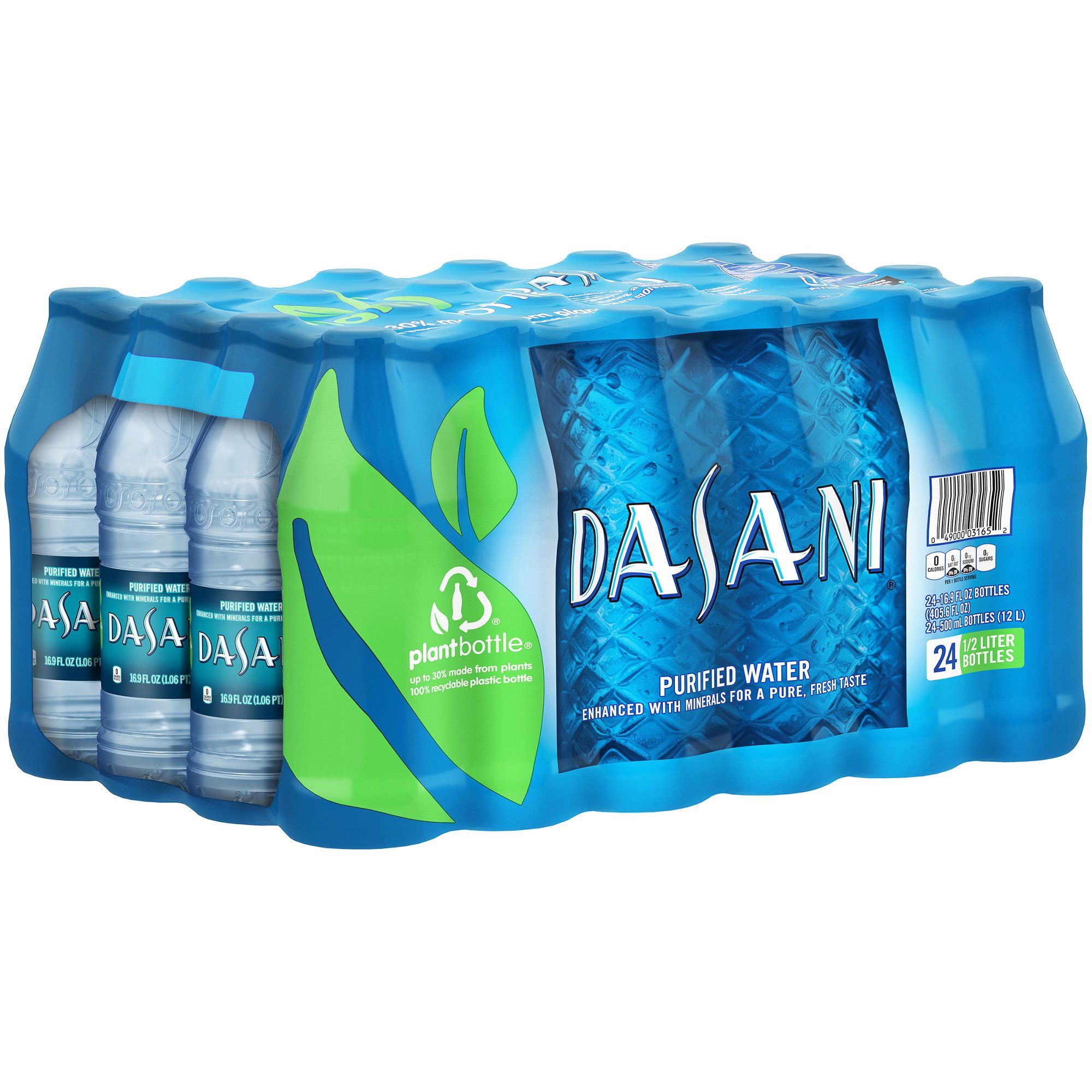
Coca-Cola Admits Its Dasani Bottled Water May Be Contaminated With Plastic

This week, a study of eleven popular water bottle brands revealed microplastics are pervasive in packaging around the world. Though this may be unsurprising considering the widespread use of plastics, Coca-Cola admitted the possibility that their water products contain synthetic materials.

The research was commissioned by Orb Media, a non-profit journalistic organization, and conducted by researchers at the State University of New York. International brands tested included Nestlé Pure Life, Evian, San Pellegrino, Dasani (owned by Coca-Cola), and Aquafina (owned by Pepsi), and overall, the results indicated there were microplastics in 93 percent of the bottles tested.

Nestlé clocked the highest rate of microplastics per liter, with a high of 10,390 particles per liter (ppl). By comparison, the average for all brands tested was 325 ppl. Dasani aligned with the average, coming in at 335 ppl. Aquafina was at 1,295 while Evian and San Pellegrino had smaller amounts than the average (256 and 75, respectively). National brands had significant rates, including Aqua of Indonesia (4,713), Bisleri of India (5,230), and Epura of Mexico (2,267).

Related:  How to Detox From Plastics and Other Endocrine Disruptors

Of the 259 bottles tested from 19 locations in nine countries, only 17 were entirely free of microplastics.

Though Nestlé had the highest rate of plastics, the company disputed the findings. In a statement to the BBC, they said “its own internal testing for microplastics began more than two years ago and had not detected any ‘above trace level,’” the outlet reported. “A spokesman added that Prof Mason’s study missed key steps to avoid ‘false positives’ but he invited Orb Media to compare methods.”

Despite Nestlé’s skepticism of the results and the valid caveat that the study has not been peer-reviewed, Andrew Mayes, a senior lecturer in chemistry at the University of East Anglia — and the developer of the Nile Red method the researchers employed —  generally approved of the methods.“This is pretty substantial,” he said. “I’ve looked in some detail at the finer points of the way the work was done, and I’m satisfied that it has been applied carefully and appropriately, in a way that I would have done it in my lab.”

Related: Drinking Bottled Water Means Drinking Microplastics, According To Damning New Study

Coca-Cola seemed more willing to admit the possibility that microplastics are widespread in water — even in their own product. As the BBC noted, the company “said it had some of the most stringent quality standards in the industry and used a ‘multi-step filtration process.’” But it, too, acknowledged that microplastics “appear to be ubiquitous and therefore may be found at minute levels even in highly treated products.’”

Like Nestlé, Pepsi appeared to shirk the issue. They cited “rigorous quality control measures sanitary manufacturing practices, filtration and other food safety mechanisms which yield a reliably safe product.” They described the study of microplastics as  “an emerging field, in its infancy, which requires further scientific analysis, peer-reviewed research and greater collaboration across many stakeholders.”

This is true, at least to some extent. Experts are not sure that microplastics can cause harm to human health. According to Bruce Gordon, coordinator of the WHO’s global work on water and sanitation:

When we think about the composition of the plastic, whether there might be toxins in it, to what extent they might carry harmful constituents, what actually the particles might do in the body – there’s just not the research there to tell us.

The findings published by ORB have prompted a WHO investigation, though Gordon continued:

We normally have a ‘safe’ limit but to have a safe limit, to define that, we need to understand if these things are dangerous, and if they occur in water at concentrations that are dangerous.

According to Sherri Mason, who oversaw the research:

What we do know is that some of these particles are big enough that, once ingested, they are probably excreted but along the way they can release chemicals that cause known human health impacts.

Some of these particles are so incredibly small that they can actually make their way across the gastro-intestinal tract, across the lining and be carried throughout the body, and we don’t know the implications of what that means on our various organs and tissues.

Though the health consequences are still unclear, Orb’s findings further highlight the ramifications of unmitigated plastic use. As Mason said of the recent water bottle findings:

We found [plastic] in bottle after bottle and brand after brand.

It’s not about pointing fingers at particular brands; it’s really showing that this is everywhere, that plastic has become such a pervasive material in our society, and it’s pervading water – all of these products that we consume at a very basic level.

An analysis conducted last year, also commissioned by Orb, found microplastics are present in tap water from over a dozen countries. They are also widespread in oceans around the world.

Microplastics On Beaches Now Recorded At Insane Levels

(Natural Blaze By Jason Erickson) More attention is finally being given to determining the ill effects that microplastics (microbeads) are having on human health and the environment. Previous concerns have been raised in everything from toothpaste to beer to the wider ecosystem where it was found to threaten juvenile fish that were becoming addicted to them.

Perhaps even worse is that “an investigation by Orb Media revealed that microplastics were present in 83 percent of drinking water samples. The study encompassed more than a dozen countries, including the U.S., the U.K., France, Germany, Lebanon, Indonesia, Equator, and India.” (Source)

Related: How to Detoxify and Heal the Lymphatic System

Recommended: Start Eating Like That and Start Eating Like This – Your Guide to Homeostasis Through Diet

In a startling case of “the more you seek, the more you find,” a new study orchestrated by a bachelor student and her supervisor from the Leiden University, the Netherlands, along with help from citizen investigators, began collecting samples of European beach sand. It turns out that plastic particles abound in outlandish concentrations right under our feet as we walk among apparently clean and beautiful sand:

They found that every kilogram of sand on European beaches contained on average 250 fragments of microplastic. In some locations the number can be even higher, a spot in Iceland had 700 microplastics per kilogram, in Italy it was as high as 1,500 per kilogram. Bosker has already found relatively high levels in the Netherlands, with 500 fragments per kilo on the beach near to The Hague.

While their findings varied, they found microplastics in every sample taken from 23 locations in 13 European countries.

‘If you fill an espresso cup with sand, it will contain easily twentyfive pieces of plastic, with the number of fragments changing according to the location.’

The researchers have taken steps to standardize their collection process so that even more help can be solicited from the public. In subsequent studies they will be looking at other regions of the world, as well as determining the true nature of the impact that living among pervasive plastic might have on human health and the environment.

Related: Microplastics in Sea Salt – A Growing Concern

You can visit the University website and contact Professor Thijs Bosker if you’d like to inquire about how you can help contribute to this important scientific investigation.

Source: “Plastic Between Your Toes”

Jason Erickson writes for NaturalBlaze.com. This article (Microplastics on European Beaches Recorded at Insane Levels) may be republished in part or in full with author attribution and source link.

Mac And Cheese And Real Food Cheeses Have Hidden Ingredient Used To Make Plastic

Mac and Cheese and Real Food Cheeses Have Hidden Hormone Disruptors and Carcinogens

(Natural Blaze) Phthalates are a class of chemicals used as plasticizers to make plastic more flexible and as solvents in cosmetics, personal care, soaps, perfumes and office products like ink, adhesives and rubber. Theoretically, shampoo could give you a double dose of phthalates – one in the bottle and one in the fragrance. If you drank a bottled water before stepping in to the shower, you’ve had a third dose of chemical.

The most troubling thing about them besides the fact that they are everywhere is that they are infamous for attacking the reproductive system and lungs in animal studies. If you are having hormonal problems, you will definitely want to cut back on your exposure. Some of them are known to cause cancer!

A new analysis by the Coalition for Safer Food Processing & Packaging published this week found high concentrations of phthalates in the cheese powder of macaroni and cheese – hidden. Totally unlisted in the ingredients.

The study checked 30 different cheese products including whole food cheese. While natural cheeses had the least amount of chemicals, 29 of the 30 products contained phthalates!

Related: Heal the Endocrine System and Balance Hormones

Unsurprisingly, processed cheese products contained the most chemicals. Surprisingly, some of the products with chemicals were organic. Nine of the products were from Kraft Heinz and the Coalition is petitioning them to find the source, but they claim the levels are lower than scientific standards.

According to KDVR, the chemicals aren’t intentionally added, but make their way into processed foods by the manufacturing process.

Mike Belliveau, executive director of the Environmental Health Strategy Center, one of the groups in the coalition said that diet is a major route of exposure and that,

They are used in the plastic tubing, the plastic gloves, the gaskets all along the food supply chain.

High levels of phthalates are linked to infertility and get stored into fat cells. Some of them cause neurodevelopmental issues in children who were exposed in the womb.

Related: Microplastics in Sea Salt – A Growing Concern

Eat Low On the Food Chain

A source of phthalates is in the fat of the animal since they are stored in fat. A Belgium lab found 13 different kinds of phthalates in the fatty ingredients.

  • 10 of the products tested were boxed macaroni and cheese powders
  • 5 were sliced cheese
  • The last 15 products were natural cheese products like block cheese, shredded, string and cottage cheese

From KDVR,

When looking at the fat alone, the powdered cheese mix had a concentration of phthalates more than 4 times that of the natural cheeses, and more than 1.5 times the amount in processed cheeses. To approximate a more realistic serving, the survey calculated levels of phthalates based on the fat content of each product. When doing so, the level of phthalate in a package of powdered cheese was about twice the level in the natural cheeses, and similar to sliced cheese.

The impact of low-level exposure isn’t fully known but recent animal studies have caused consumers to once again wonder why these chemicals weren’t fully tested before reaching food and drink supplies, and why we only find out about 3 decades after the damage is done.

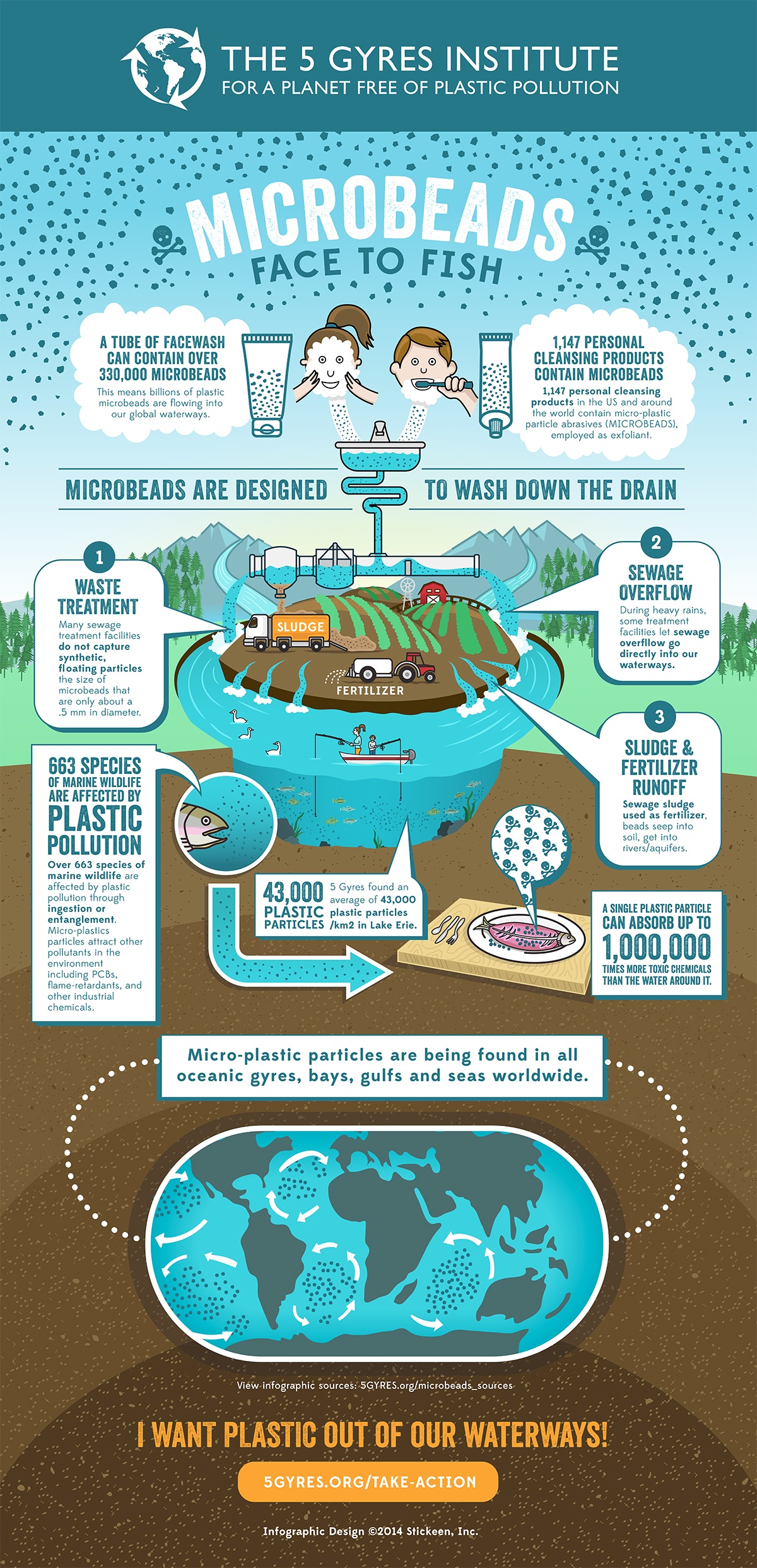
Related: Microbeads – They’re In Face Wash, Body Scrubs, Toothpaste, and Our Food