10 Tips for Raising a Healthy Eater

(DrFrankLipman – Courtney Blatt) Parenting comes with lots of joy, but it can also be stressful when trying to balance all the ‘should do’s’ in your life.  As a practicing health coach and mom, I know one of my most important responsibilities is to make sure my child is well nourished-both emotionally and physically.  I’m often asked how I find time to cook and actually get my toddler to eat my healthy meals.

I started this journey by reading books and speaking to experienced colleagues within my nutrition-based community, but in the end I decided to follow my intuition. Once my son was old enough to eat solids, I asked myself, why can’t he just eat what I eat? I made it my mission to start him on a path of eating real, fresh food, just like I eat real, fresh food.

Now that he’s a toddler it’s gotten a bit more challenging, but with a little creativity and resourcefulness he’s on a great path. His diet is full of whole foods and we’ve managed to skip the typical child’s menu altogether. Whoo hoo!

Here are my top 10 tips to setting your child up for a lifetime of healthy eating habits:

1. Keep your Pregnancy Diet Clean

Research shows that what we eat while pregnant shapes our child’s food preferences later in life. Wow, is this true. I ate a ton of veggies during my pregnancy, and now my son’s favorite foods are plain, cut vegetables.

2. Don’t Cook Twice

As long as you’re eating fresh, whole foods, there’s no reason for a child to eat different foods than you. Luckily toddlers often want to eat what you’re eating. By setting a good example, it will encourage them to eat healthy foods too!

3. Keep a Set Schedule

With a regular sleeping and eating regimen kids are much less likely to ask for food outside meal or snack times.

4. Don’t use Food as a Reward

Giving your child treats for good behavior early in life sets them up for emotional eating habits a an adult.

5. Be Creative

Come up with ways to introduce different foods and flavors. If your little one doesn’t like a certain food the first time he tries it, present it another way. My son despised beans the first time I made them. I tried again with a simple chicken chili recipe and now it’s a staple in our house!

6. Plan Ahead for the Week

It’s easy to fall in the trap of reaching for processed food shortcuts if you don’t know what you’re making for a meal in advance. On Sunday night, I plan meals and shopping times for the week so I don’t get overwhelmed.

7. Utilize a Slow Cooker

It’s a great tool for making food for the entire family. You can also cook a large batch when you have time, and freeze in small containers for easy meals in busy weeks to come.

8. Be Flexible and Give Choices

If a meal isn’t working out, try giving your child another choice. Toddlers love to show their independence, so give them the opportunity to choose between two healthy options.

9. Skip the Kid’s Menu

Almost every option on the kid’s menu is fried, loaded with butter, or smothered in cheese. So what alternatives do you have? Ask them to make a small version of what you’re ordering. If that doesn’t work, request they grill the protein instead of frying it and add a vegetable. Or just order an extra side and share your meal!

10. Don’t Make Food an Issue

The last thing you want is your child feeling deprived. If he’s at a birthday party or event and there are limited options, it’s not the end of the world. Chances are if your child is eating healthy, they’ll develop an inclination for healthy foods. With any luck once they can make their own decision, they won’t even want the junk food!

Bad Breath? It Could Be Coming From Your Gut…

(DrFrankLipman – Katrine van Wyk) Are you experiencing bad breath and brushing your teeth all day is not helping? Chances are your teeth are not the actual problem. Sure, dental hygiene matters, but often the root cause of bad breath lies even deeper, in your gut!

Why do I have bad breath and what can I to do about it?

Gut Bacteria

If the balance between the good and bad bacteria in your gut is off you may start to experience more than just digestive discomforts. Breath that smells less than fresh is a common symptom of dysbiosis – an imbalance between the good and bad bacteria in your gut, as well as yeast or candida in the gut. You may even notice that your bad breath gets worse when you’ve eaten too much sugar. That’s because the yeast, candida and bad bacteria feeds on sugar and thrives when our diet is loaded with the sweet stuff.

Try doing a cleanse to clean out your gut, using gentle herbs and fiber. You can even continue taking antimicrobial herbs for a while after the cleanse to really make sure you’ve killed all the bad guys. You also want to repopulate the gut with good bacteria, known as probiotics.

In Chinese medicine the tongue is an important diagnostic tool that can tell you a lot about your digestive health. A thickly coated tongue is a sign of weak or badly functioning digestion.

Toxic Overload

Bad breath can also be a sign of toxic overload and a good indicator to start cleaning up your diet and avoid chemicals in food and cosmetics. Toxins are a burden on our organs of detoxification including the liver, GI tract and skin. When these get overworked they might not be able to dispose of the toxins properly. Bad breath is one of the common signs and symptoms of toxic overload.

Dry Mouth

Stress and dehydration can also be a factor in bad breath. A side-effect from stress can be dry mouth! In a dry mouth, dead cells tend to stick to the tongue and the insides of the mouth and bacteria feeds on these dead cells producing a bad odor in the process. This is also why many of us experience bad breath in the morning when our mouth has been dry and inactive all night.

Fast-Acting Remedies:

Treating the underlying cause and balancing the gut flora will take a little time, so in addition to cleaning out your gut and taking probiotics, here are some natural remedies you can try to help relieve the symptoms.

1. Probiotics and Fermented Foods

Take a high dose of probiotics to help your body better digest foods, repopulate the gut with a healthy flora and fight off yeast and other troublemakers. Also, include fermented foods like sauerkraut, kim chi and kefir to your diet which all contains lots of delicious and healthy good bacteria.

2. Fiber

Help the detox process and digestive system along by eating enough fiber. It helps you stay regular and actually remove the toxins as they get processed by the body.

3. Oil Pulling

This is an Ayurvedic technique that involves swooshing oil around your mouth for 20 minutes, ideally first thing in the morning. It’s actually believed to help pull out toxins and will at least help remove any dead cells that were built up over night.

4. Tongue Scraper

A tongue scraper is a handy tool to remove the white coating on your tongue where bacteria and food can linger and cause a less-than-fresh breath.

5. Warming Spices

Help boost your digestive function with warming herbs such as ginger, turmeric, fennel and black pepper. Try having a cup of ginger tea 20 minutes before your meal to get all the digestive juices flowing. Also, try chewing on some cloves – a natural anti-bacterial that can help relieve bad breath.

6. Digestive Enzymes

Because a weakened digestive system can cause bad breath try taking digestive enzymes with your meals to assist your body in breaking down the food.

7. Baking Soda

Baking soda is a great toothpaste ingredient, especially if you like to make your own. It helps change the Ph level in your mouth making it a less desirable environment for bacteria to grow. You can also just dip a damp toothbrush in baking soda and brush your tongue with it.

8. Water and Green Tea

Stay hydrated and avoid developing dry mouth by drinking enough water. Also, drinking green tea with its high dose of antioxidants can help fight bacterial growth in the mouth.

Beware of Chemicals in Your Feminine Care Products

(DrFrankLipman – Britta Aragon) Some products have a sort of “halo” around them. We just expect they’ll be made in such a way that we can feel comfortable using them on a daily basis.

Most women consider feminine care products to be in this category. They come near some of the most intimate and fragile parts of our bodies, so surely they’re made of safe ingredients, right?

According to a recent report from Women’s Voices for the Earth (WVE), not necessarily. Here’s more, and why you’ll want to be cautious about which products you choose in the future.

What the Report Says

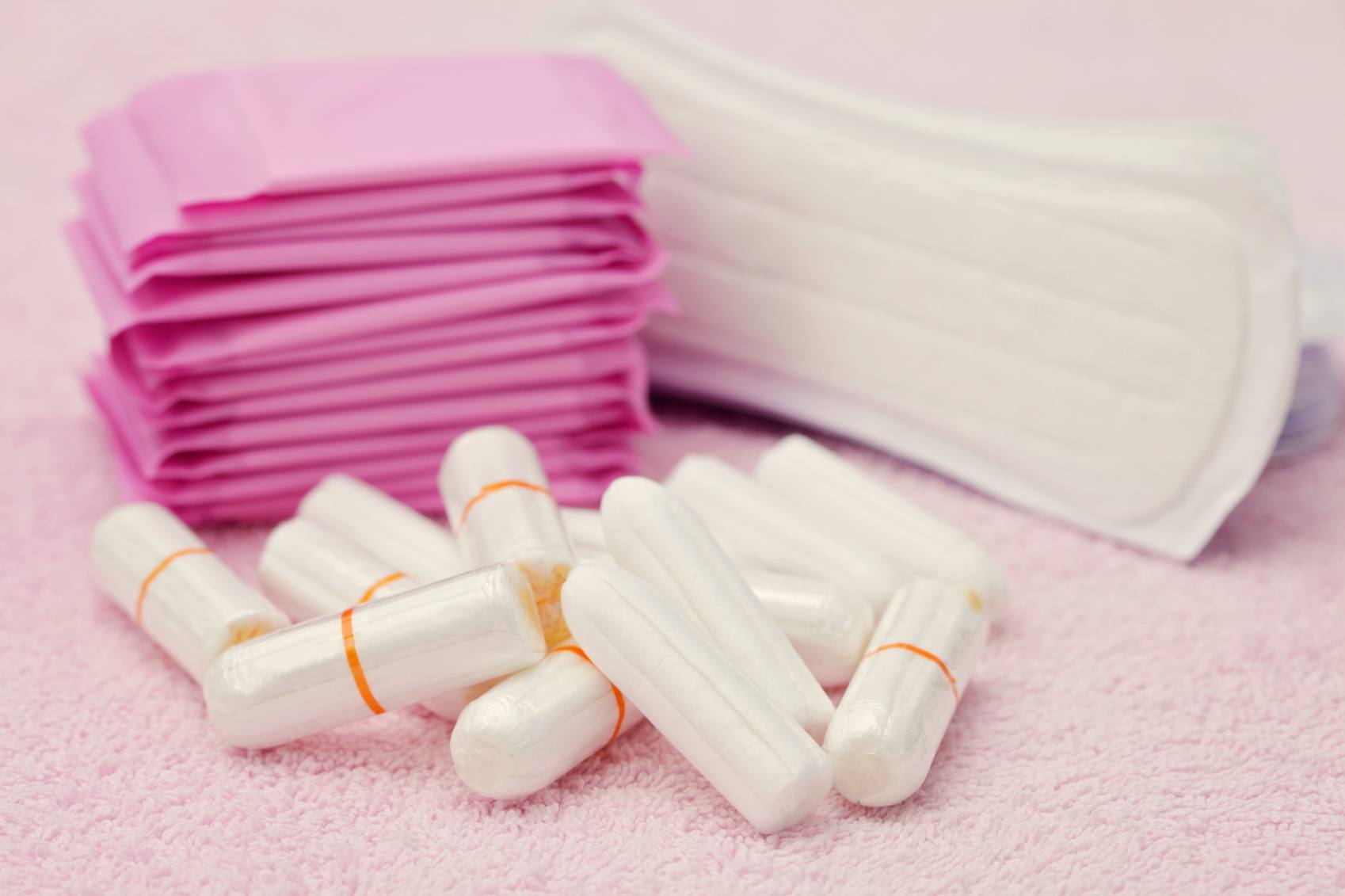
Called “Chem Fatale,” the report notes that some feminine care products—including tampons, pads, douches, wipes, and sprays—may contain potentially toxic chemicals that have been linked with health problems. 

2002 study, for example, found small but detectable levels of dioxins (potential carcinogens) in tampons and other sanitary products. Many feminine care products have heavy fragrances, which are made up of unknown chemicals. Feminine wipes can also contain a number of preservatives, including parabens and quaternium-15, that can be irritating to skin and increase risk of contact dermatitis.

Women are often in the dark when it comes to the ingredients in these products, however, because of current regulations. Pads and tampons, for instance, are considered “medical devices,” which means companies don’t have to disclose any of the ingredients they use in them. Other feminine care products, like sprays and wipes, are regulated as personal care products, which means companies can keep fragrance ingredients secret, as well.

Studies included in the report show:

  • Dioxins, furans, and pesticide residues—which have been linked to cancer, reproductive harm, and hormone disruption—were detected in tampons.
  • Many feminine care products contained formaldehyde-releasing preservatives. Formaldehyde is an expected human carcinogen.
  • Though the FDA considers common chemicals in feminine washes to be safe “for external use only,” it is likely some internal vaginal exposure will occur from regular use.
  • Anti-itch creams commonly contain chemicals that may cause allergic reactions or skin irritations. 

“Feminine care products are not just your average cosmetics,” says Alexandra Scranton, WVE’s director of science and research and author of the report, “because they are used on an exceptionally sensitive and absorbent part of a woman’s body. Greater scrutiny, oversight and research are badly needed to assure the safety of these ingredients for women’s health.” 

How to Protect Yourself

The WVE is asking a number of big manufacturers to disclose ingredients used in their feminine care products, and to remove all toxic chemicals linked to women’s health problems.

Meanwhile, you can take steps to protect yourself from exposure:

  • Read labels and avoid the chemicals listed here.
  • Look for conscientious brands that disclose all ingredients, including those used in fragrances—better yet, choose fragrance-free.
  • Eliminate products that may be unnecessary to a healthy vagina.
  • Choose chlorine-free bleached or unbleached cotton tampons and pads (read more about toxins in tampons here).
  • If you experience a reaction from a feminine care product, call the company and tell them, and report the experience to the FDA at: www.fda.gov/Safety/MedWatch/default.htm. 

For more on the WVE Chem Fatale report, see their website at: www.womensvoices.org/issues/chem-fatale. 

7 Reasons to Break Up with Processed Foods

(DrFrankLipman – Frank Lipman) If I had to find just one good reason to eat processed foods, I’d have an impossible time coming up with one. But when it comes to reasons not to eat processed foods however, well, I could talk your ear off. In short, I don’t eat processed foods because I care too much about sustaining my health to risk it on anything that might jeopardize it. So what do I eat? The same things I advise my patients to eat: healing whole foods that deliver energy, vibrance and wellness. When you apply those three simple criteria to everything that goes in your mouth, eating well becomes a pretty simple exercise. While this approach can be tough at first for those who are trying to turn around a lifetime of poor eating habits, the good news is that in time, with practice, the desire for processed food will fall away and eating well will become second nature. If you are beginning the journey to better health, but finding it challenging, here are a few thoughts to remember as you work to free your body and mind of processed foods:

1. Processed Foods Make Simple Foods Complicated

When referring to “processed foods” we’re talking about foods that aren’t in their original, natural state when you buy them. Foods that come with a label listing more than two or three ingredients are generally considered to be processed. For example, a bag of frozen organic spinach has only one ingredient – spinach – nothing has been added or taken away. A jar of raw almond butter will contain just almonds, so while some processing has taken place, nothing has been added. Then read the label on an average Lean Cuisine. There you’ll find upwards of 50 or more anything-but-natural ingredients listed! Now that’s what I call processed – taking simple food and pumping it full of stuff nobody ever asked for. Among processing’s many sins, the first one is that it complicates food, taking the streamlined, simple and pretty-close-to-perfect, then processing out the nutrients and processing in a boat-load of questionable ingredients.

2. Processed Foods Beat up Your Body

A bigger, more alarming problem with processed foods is what’s going on inside them. Virtually all processed foods are made with man-made ingredients, whose long-term effects are either highly questionable, seriously detrimental or even possibly carcinogenic (i.e., azodicarbonamide, butylated hydroxyanisole (BHA), butylated hydrozyttoluene (BHT) and aspartame to name a few) Chemical additives, artificial colors, artificial flavorings, fillers, high fructose corn syrup, vegetable oils, trans fats and preservatives abound in processed foods, and the trouble is we don’t fully know the amount of damage they may be inflicting on our bodies. We do know there’s mounting evidence to suggest a link between processed food consumption and our skyrocketing rates of obesity, diabetes, cancer and heart disease, which if you ask me is reason enough to dump them. With fresh, organic, whole foods however, there’s no need to worry about the long-term health fallout. Whole foods are just as healthy as nature made them, with all their nutrients and health-sustaining properties intact.

3. Like Vampires, Processed Foods can Live Forever, and That’s Not a Plus

The bigger the transformation and the more steps your food passes through to go from raw material to finished “product,” the fewer nutrients survive – they’re literally pounded, pulverized, liquefied, extruded and processed out. Producers are less concerned with preserving nutrients than they are with turning a profit. They do so by producing the maximum amount of product at the lowest cost, and manufacturing it to maximize shelf life – none of which happens without taking chemical liberties, tossing in a few more preservatives and sacrificing nutrients along the way. Problem is, despite industry claims to the contrary, many of the common preservatives and artificial colors in processed foods have been linked to a variety of health problems, including moderate-to-severe allergies, neurologic disorders and even cancer. Not very appetizing, eh? Real, unprocessed or minimally processed foods on the other hand, are far less likely to cause damage or make you sick.  Better yet, they tell you when they’re no longer fresh. They’ll start to wilt or smell, loose their color, start sprouting or grow mold – all to naturally signal that their nutrients are starting to pass their peak, no “sell-by” stamp required.

4. Processed Foods are Designed with Addiction in Mind

Can you make a cheese doodle? A Dorito? An Oreo? Probably not, as few of us possess the lab skills or chemical ingredients needed to create Franken-foods – and that’s just as well. What’s so diabolical about processed foods is that their lack of nutrients, good fats, fiber or protein, and excesses of salt and sugar, wind up encouraging the release of your body’s feel-good chemicals. That release triggers the desire for more sweet or salty crappy foods with no nutritional payoff. If this is happening multiple times a day, it’s easy to see how people wind up trying to fill a belly that’s never satisfied, and it’s weight gain, here you come. For example, most people find it virtually impossible to be satisfied by just one sugar-packed, quickly-digested, fiber and nutrient-free Oreo cookie, so they’ll likely eat a bunch before stopping, and even then, only reluctantly. By contrast, just one whole piece of fruit, like an orange or a serving of blueberries, is usually is enough. Why? Because the fruit will deliver a much larger nutritional payload, including fiber, water and slowly-metabolized carbs, without setting off intense cravings.

5. Want to Stay Chubby? Processed Foods Can Help!

As evolved as we may think we are, when it comes to processed foods, many of us are closer to lab monkeys than we’d like to admit, repeatedly hitting the processed-food pleasure bar, having fallen prey to the addictive flavors which have been carefully baked right in. The processed food industry helps keep you fat by devoting countless resources to identifying and developing flavors with appeal. They create sweet, salty, never-fully-satisfying foods, full of the bad fats, that can put you into an almost perpetual state of craving. With your satiety switch suppressed, overeating becomes the norm. The food manufacturers win – and you lose everything but the weight.

6. After Eating a Big Mac and Fries, Nobody Ever Said, “Wow, I Feel Fantastic!”

Processed foods are talking to you, but are you listening? Do you feel great after eating a fast food meal? Do you feel energetic after a few slices of pizza? Didn’t think so. The fact that many people wind up feeling lethargic, sleepy and even depressed after eating processed food is the body’s way of saying this isn’t a good way to eat. Listen to your body. It knows! Eating foods that are unprocessed or minimally processed will deliver actual nourishment, i.e. vitamins, minerals, phytonutrients, that will make you feel good and supply the long-lasting energy your body needs to function at its best.

7. Processed Foods: You Loved Them, Now Let Them Go

For some, cold turkey is the simplest the way to release the addictive grip of processed foods, while others succeed by slowly tapering off. However you choose to go about it though, look for foods as close to their fresh, unfettered, original state as possible, to minimize your ingestion of chemicals, additives and artificial flavors. If access to fresh produce is limited, supplement with frozen, which is often just as good as fresh. Look for meat and poultry that’s been raised responsibly, humanely, grass-fed or pasture-raised, without antibiotics, hormones or genetically modified feeds. Let go of food in pouches, boxes and cans. When you get to the point where at least 80% or more of your diet is made up of nutrient-rich, whole foods, you’ll tip the scales in your favor and make a significant positive impact on your health.

For more inspiration to help you kick processed foods, check out Jill Ettinger’s post 101 Reasons to Quit Eating Processed Foods Forever.

Spicy Shocker: You Will Not Believe What’s in Conventional Spices

(DrFrankLipman – Andrea Donsky) Last year I was invited to an editor’s summit in New Mexico hosted by Heel Inc. While out for dinner one night, I was sitting next to two people I had just met hours earlier, Suzy and Sam Cohen (Suzy is America’s Pharmacist and a best selling author and Sam is her amazing husband, a chiropractor and president of her company). The waiter took our orders, and when my meal arrived I reached into my purse and pulled out a tiny salt shaker that I carry around with me because I refuse to eat bleached white table salt. My salt shaker had high quality, air-dried sea salt which contained 75+ minerals. When I looked over at Suzy, she had a huge smile on her face, and not a moment later, pulled out her own tiny salt shaker that contained the same salt as mine! As you can imagine, we became instant friends.

Although salt is technically not a spice, but rather a mineral, it’s still something we add to food to improve its taste. I’m very picky about the salt and spices I add to my food. Like salt, spices are used to provide and enhance flavor in the food we eat. Many of us use spices in place of salt to reduce our salt intake. I learned a long time ago that spices were at the top of the list of foods we should choose to eat organic because of their high concentration of pesticides. However, as if pesticides weren’t enough of a reason to buy organic spices, I recently learned that there are others reasons to buy organic spices as well.

According to Thomas Fricke, co-founder and president of ForesTrade, an organic spice company in Brattleboro, Vermont, “Virtually all conventional spices sold in the United States are fumigated [sterilized] with hazardous chemicals that are banned in Europe.”

Why am I not surprised?!

Sterilizing Spices with Toxic Chemicals and Radiation

When spices come in from the fields to be dried, they can be contaminated with all sorts of junk, like insects, mold, yeasts, and pathogens like salmonella. It’s for this reason that conventional spice producers choose to sterilize their spices with toxic chemicals. One particularly scary sterilizing agent used is called ethylene oxide, a gas that can leave behind a residue that’s carcinogenic.

And then there’s irradiation, which was approved for use on spices in 1983. This is another method for killing bacteria and food borne illnesses like salmonella. Foods are irradiated by being passed through a radiation chamber on a conveyor belt. The spices actually pass through a radiation beam. Spices are currently regulated by the FDA for the highest allowable radiation amounts of any food.

Because harmful chemicals and irradiation are not allowed to be used for certified organic products, organic spice companies, on the other hand, use steam to sterilize their spices rather than toxic chemicals or radiation.

Yet another reason to choose organic over conventional.

Fillers, Preservatives, and GMOS

Conventional spices can also include fillers so they end up being far more than just the initial dried spice that you thought you were getting. It’s cheaper to use less spice and more cheap fillers like GMO corn. Here are some of the fillers in conventional spices:

  • Artificial colors
  • Artificial flavors
  • Anti-caking agents that keep them from clumping together.

Read More on Artificial Colors.

How to Buy Healthy Spices

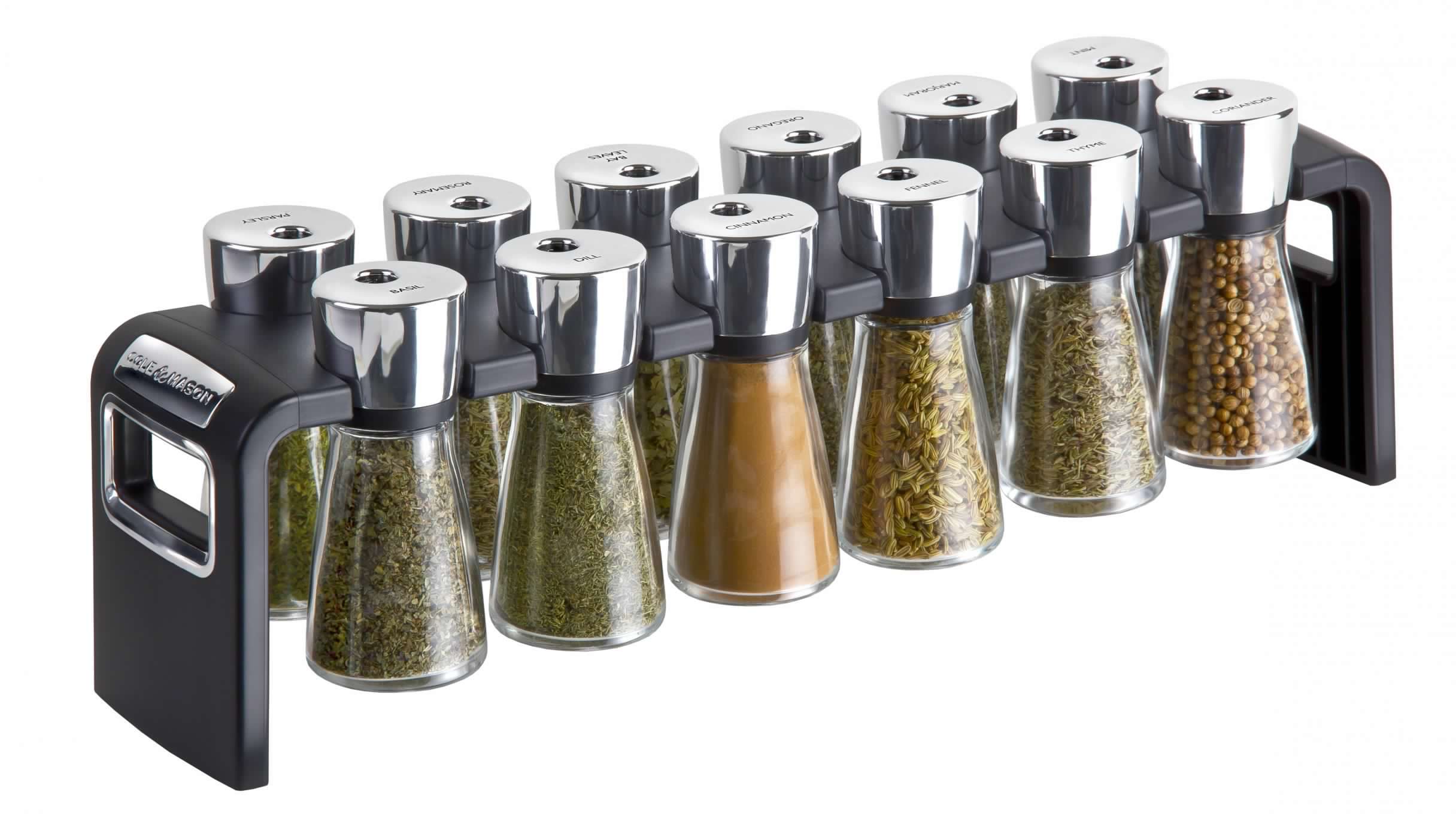
  • Buy organic whenever possible to avoid irradiation (which is banned in USDA certified organic foods) as well as pesticides and chemical sterilizing agents.Buy spices as you need them as they lose their zing after a certain period of time so buying them in smaller amounts enables you to use them up before they go bland.
  • Buy spices in smaller amounts.I personally prefer to buy the spices I use on a regular basis in bulk (like oregano, rosemary, and basil), and the ones I don’t use as often, or haven’t yet experimented with, in smaller amounts (so I’m not left with a huge amount if I don’t end up using much of them).