Increase in Vaccine-Related Shoulder Injuries

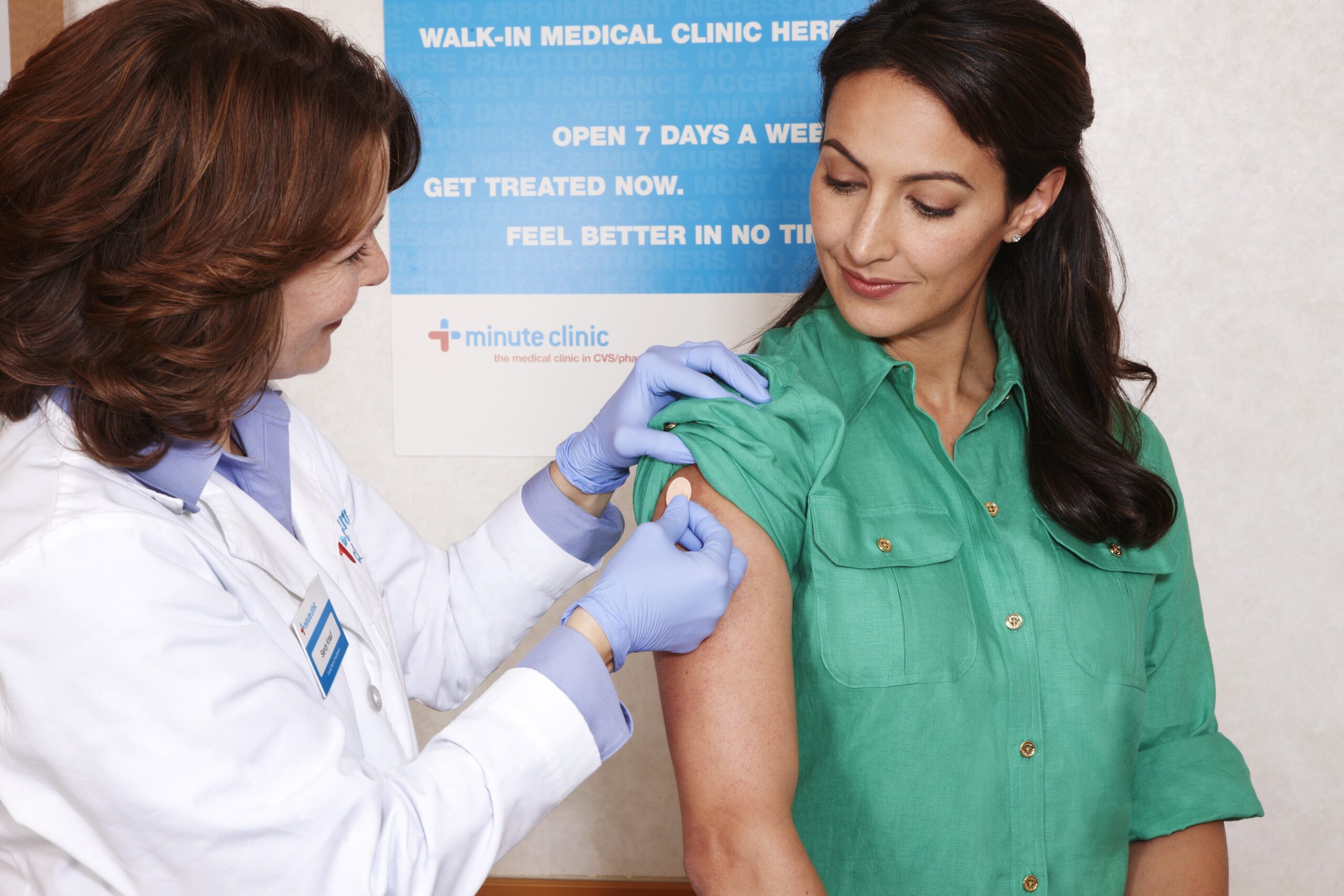
(Dr. Mercola) Many people experience temporary soreness in their shoulder after receiving a vaccination in the area, but for some the soreness turns into chronic pain and limited range of motion. Some people are so badly affected that they become unable to move their shoulder altogether, known as frozen shoulder, or suffer from nerve damage and rotator cuff tear. The condition, known as shoulder injury related to vaccine administration, or SIRVA, is on the rise, according to data from the Vaccine Adverse Event Reporting System (VAERS).1

In fact, the condition is occurring often enough that it was recently added to the federally operated vaccine injury compensation program’s (VICP) Vaccine Injury Table, which lists some, but not all, serious side effects that are known to be caused by vaccines.

In order to win federal compensation for a vaccine injury, a person must prove he or she developed certain clinical symptoms and health conditions listed on the Table within a certain timeframe of receiving a certain vaccine, and demonstrate that there is no more biologically plausible explanation for the vaccine-related injury or death.

In the case of SIRVA, 202 people were awarded compensation for SIRVA in 2016.2 According to Dr. H. Cody Meissner, professor of pediatrics at Floating Hospital for Children, Tufts Medical Center in Boston, Massachusetts, “Many instances of SIRVA may be avoided by proper vaccination technique and positioning.”

Related: Reasons Not To Vaccinate

A Vaccine Administered Too High Up on Your Shoulder May Lead to SIRVA

Many vaccine side effects are related to the ingredients in a vaccine. SIRVA is unique in that it’s primarily caused by how the contents of the vaccine are injected into the arm. A vaccine given in your shoulder is intended to go into your muscle. If it is not administered correctly and goes into the bursa, a fluid-filled sac that protects your shoulder tendons, trouble can result. Specifically, the vaccine may provoke your immune system to attack the bursa, sometimes leading to debilitating symptoms. As The Washington Post reported:3

“These injection-caused injuries often make simple tasks — such as lifting your arm to change a light bulb or reaching behind you to put your arm through the sleeve of a jacket — painful, even impossible. Some victims cannot use their shoulder at all and must find ways to compensate using the other one.”

The Washington Post interviewed Dr. G. Russell Huffman, an associate professor of orthopedic surgery at the Hospital of the University of Pennsylvania, who said when he first heard a patient complain of shoulder pain following an injury in 2009 or 2010, he “blew it off.” But then the complaints started to become more common.

Related: Vaccines, Retroviruses, DNA, and the Discovery That Destroyed Judy Mikovits’ Career

“Since then, I’ve seen more than a dozen patients who have suffered shoulder injuries after vaccinations. Almost universally, when I ask where the shot went, they point really high up on the arm,” Huffman said.4 A patient, Barbara Steele, who spoke to Wired in 2015, similarly reported that doctors and nurses initially “kept brushing me off” after SIRVA from two vaccines left her unable to work.5

Yet, two case studies were published in 2007, highlighting vaccination-related shoulder dysfunction, including pain and weakness, that occurred following “influenza and pneumococcal vaccine injections provided high into the deltoid muscle.” The researchers concluded, quite clearly, that improperly administered vaccines appeared responsible for the symptoms:6

“Based on ultrasound measurements, we hypothesize that vaccine injected into the subdeltoid bursa caused a periarticular inflammatory response, subacromial bursitis, bicipital tendonitis and adhesive capsulitis … We conclude that the upper third of the deltoid muscle should not be used for vaccine injections, and the diagnosis of vaccination-related shoulder dysfunction should be considered in patients presenting with shoulder pain following a vaccination.”

Rapid Onset of Pain Is Common With SIRVA

In 2010, a series of 13 case studies were described in the journal Vaccine, which shed some light on the characteristics of the condition.7 In half of the cases, shoulder pain occurred immediately after vaccination, while 90 percent had pain within 24 hours. Close to half of the patients also said the vaccine was given “too high” in their arm.8 The symptoms, which included both pain and limited range of motion, continued for six months to several years.

Related: How to Detoxify from Vaccinations & Heavy Metals

“The proposed mechanism of injury is the unintentional injection of antigenic material into synovial tissues resulting in an immune-mediated inflammatory reaction,” the researchers noted.9 Again in 2012, a case report of a 22-year-old woman who developed left shoulder pain and severe restrictions in range of motion following a seasonal influenza vaccine was published.10

MRI and ultrasound imaging, conducted eight and 9.5 weeks after the vaccination, respectively, showed “contusions on the humerus, injury of the supraspinatus, and effusion in the subacromial bursa,” with researchers saying the case served as a catalyst for discussion regarding “the potential to prevent complications arising from vaccine overpenetration.”

Related: How To Detoxify and Heal From Vaccinations – For Adults and Children

SIRVA Occurs More Often in Adults Than Children and Most Often After Certain Vaccines

Children receive more vaccinations than adults, yet SIRVA occurs more often in adults than children. This may be because children receive vaccinations in their thigh more often than adults do and, according to Meissner, “the bunching of the subcutaneous and deltoid tissue prior to vaccination may increase the distance to the shoulder.” In addition, he noted that the subacromial bursa in children is still developing, and therefore smaller, which may be why it’s less likely to be “hit” during a vaccination.11

Also noteworthy, in adults SIRVA occurs most often after flu shots and other vaccines that a person has already received, which may pave the way for a heightened inflammatory response. Meissner said:12

“Most cases in adults occur after administration of a vaccine to which some immunity already exists because of previous immunization such as influenza or tetanus-containing vaccines. This may result in a greater inflammatory response following inadvertent injection into the skeletal structures of the shoulder.”

A 2017 systematic review of bursitis and other injuries of the shoulder following vaccination found 45 cases, all involving adults (and more than 70 percent female). In these cases, the dysfunction most often occurred following influenza and pneumococcal vaccines, respectively; followed by diphtheria-tetanus-pertussis, diphtheria-tetanus toxoid (Tdap), human papillomavirus and hepatitis A vaccines.13

There’s even a case report, published in 2015, of a 26-year-old patient who was hospitalized with shoulder pain and impairment following a vaccine against diphtheriatetanus and polio (dT-IPV). Bursitis was reported along with bone erosion, and MRI showed the vaccine was injected in contact with the bone, causing the erosion.14

Are Drug-Store Vaccines Responsible for Rising SIRVA Cases?

Improper technique appears to be the primary cause of SIRVA (inappropriate needle size could also be a contributor), which means that proper training among nurses, pharmacists and other health care practitioners should largely prevent it. However, many people now choose to get vaccines at workplace clinics or their local drugstore, grocery store or pharmacy, where standardized training may be non-existent.

Related: Doctors Against Vaccines – Hear From Those Who Have Done the Research

Not only that, but if you’re sitting in the middle of a store, it’s unlikely that you’ll remove your entire arm from your sleeve to receive a shot. “You just pull your shirt down a little,” physician Marko Bodor, who published the first SIRVA case report in 2007, told Wired.15“That’s only going to expose the top part of your shoulder.” At this point, it’s unknown just how often SIRVA cases appear after pharmacy versus physician’s office vaccinations, but it’s a valid theory.

That being said, SIRVA cases have occurred following vaccination at doctors’ offices as well, and it’s been suggested that, in addition to poor injection technique, practitioners’ failing to take into account a person’s individual characteristics, such as sex, body weight and physical constitution, could also increase the risk of injury.16

As for treatment, options for SIRVA include physical therapy, pain medication and cortisone injections. Up to 30 percent of patients in the 2010 case studies also required surgery,17which may be done to remove inflamed tissue. Platelet-rich plasma (PRP) therapy is another emerging option.

As the “first responders” to any site of an injury, they form a clot to stop bleeding. The process involves the platelets opening up and spilling out the growth factors held inside, which act as signaling molecules, issuing the instructions needed to call forth resources, including stem cells, to repair the damaged tissue. Dr. John Ferrell, director of sports medicine at Regenerative Orthopedics and Sports Medicine in Washington, D.C., says PRP has worked in 80 percent of his patients.18

Side Effects Following Vaccination Are Real

Although SIRVA is still described as rare, it’s conditions like this that serve as an important reminder that every vaccine carries with it a risk of side effects, some of which you may not even be aware of.

For instance, in 2011, the U.S. Institute of Medicine (IOM) reviewed more than 1,000 vaccine studies and found convincing evidence of 14 health outcomes — including seizures, inflammation of the brain and fainting — that can be caused by certain vaccines.19 IOM reported that “injection of any vaccine in general can lead to … symptoms of deltoid bursitis, or shoulder inflammation,” for instance.

They also noted that many people who experience an adverse reaction to vaccines have individual susceptibility that can make them at higher risk for experiencing acute and chronic health problems after vaccination due to biodiversity (genetic variations) within populations, age at the time of vaccination, immune deficiencies, coinciding infections/illnesses and other environmental exposures (such as toxins or traumas).

Related: How Plumbing (Not Vaccines) Eradicated Disease

Further, for the majority of side effects and health conditions that have occurred in conjunction with vaccinations, IOM stated that there was inadequate evidence to determine whether the vaccine caused the problem. In other words, there is still so much medical science does not know about the risks of vaccination and who is at greater risk for suffering harm.

At the very basic level, if you choose to have a vaccine and it’s going in your shoulder, be sure to expose your entire arm to discourage the vaccine provider from giving you a “too high” injection that could lead to debilitating shoulder injury. However, before making a choice to get vaccinated, make sure you fully understand what the vaccine contains and how to identify and report a vaccine reaction.

Protect Your Right to Informed Consent and Defend Vaccine Exemptions

With all the uncertainty surrounding the safety and efficacy of vaccines, it’s critical to protect your right to make independent health choices and exercise voluntary informed consent to vaccination. It is urgent that everyone in America stand up and fight to protect and expand vaccine informed consent protections in state public health and employment laws. The best way to do this is to get personally involved with your state legislators and educating the leaders in your community.

THINK GLOBALLY, ACT LOCALLY.

National vaccine policy recommendations are made at the federal level but vaccine laws are made at the state level. It is at the state level where your action to protect your vaccine choice rights can have the greatest impact.

It is critical for EVERYONE to get involved now in standing up for the legal right to make voluntary vaccine choices in America because those choices are being threatened by lobbyists representing drug companies, medical trade associations, and public health officials, who are trying to persuade legislators to strip all vaccine exemptions from public health laws.

Signing up for NVIC’s free Advocacy Portal at www.NVICAdvocacy.org gives you immediate, easy access to your own state legislators on your smart phone or computer so you can make your voice heard. You will be kept up-to-date on the latest state bills threatening your vaccine choice rights and get practical, useful information to help you become an effective vaccine choice advocate in your own community.

Also, when national vaccine issues come up, you will have the up-to-date information and call to action items you need at your fingertips. So please, as your first step, sign up for the NVIC Advocacy Portal.

Share Your Story With the Media and People You Know

If you or a family member has suffered a serious vaccine reaction, injury, or death, please talk about it. If we don’t share information and experiences with one another, everybody feels alone and afraid to speak up. Write a letter to the editor if you have a different perspective on a vaccine story that appears in your local newspaper. Make a call in to a radio talk show that is only presenting one side of the vaccine story.

Related: The MMR Vaccine – A Comprehensive Overview of the Potential Dangers and Effectiveness

I must be frank with you; you have to be brave because you might be strongly criticized for daring to talk about the “other side” of the vaccine story. Be prepared for it and have the courage to not back down. Only by sharing our perspective and what we know to be true about vaccination, will the public conversation about vaccination open up so people are not afraid to talk about it.

We cannot allow the drug companies and medical trade associations funded by drug companies or public health officials promoting forced use of a growing list of vaccines to dominate the conversation about vaccination.

The vaccine injured cannot be swept under the carpet and treated like nothing more than “statistically acceptable collateral damage” of national one-size-fits-all mandatory vaccination policies that put way too many people at risk for injury and death. We shouldn’t be treating people like guinea pigs instead of human beings.

Internet Resources Where You Can Learn More

I encourage you to visit the website of the non-profit charity, the National Vaccine Information Center (NVIC), at www.NVIC.org:

  • NVIC Memorial for Vaccine Victims: View descriptions and photos of children and adults, who have suffered vaccine reactions, injuries, and deaths. If you or your child experiences an adverse vaccine event, please consider posting and sharing your story here.
  • If You Vaccinate, Ask 8 Questions: Learn how to recognize vaccine reaction symptoms and prevent vaccine injuries.
  • Vaccine Freedom Wall: View or post descriptions of harassment and sanctions by doctors, employers, and school and health officials for making independent vaccine choices.
  • Vaccine Failure Wall: View or post descriptions about vaccines that have failed to work and protect the vaccinated from disease.

Connect With Your Doctor or Find a New One That Will Listen and Care

If your pediatrician or doctor refuses to provide medical care to you or your child unless you agree to get vaccines you don’t want, I strongly encourage you to have the courage to find another doctor. Harassment, intimidation, and refusal of medical care is becoming the modus operandi of the medical establishment in an effort to stop the change in attitude of many parents about vaccinations after they become truly educated about health and vaccination. However, there is hope.

At least 15 percent of young doctors recently polled admit that they’re starting to adopt a more individualized approach to vaccinations in direct response to the vaccine safety concerns of parents.

Related: More Doctors Against Vaccines

It is good news that there is a growing number of smart young doctors, who prefer to work as partners with parents in making personalized vaccine decisions for children, including delaying vaccinations or giving children fewer vaccines on the same day or continuing to provide medical care for those families, who decline use of one or more vaccines.

So take the time to locate a doctor, who treats you with compassion and respect, and is willing to work with you to do what is right for your child.

Are Your Unscented Products Truly Fragrance-Free?

(Dr. Mercola) Nearly 13,000 chemicals are used in cosmetics and personal care products, but only 10 percent have been tested for human safety. The average American woman uses 12 personal care products or cosmetics every day that contain approximately 168 different chemicals. While men use fewer products and are exposed to nearly half the number of chemicals than women, teens use more products and are exposed to even more chemicals.1

Your personal care products are applied on an active, living and complex organ system. Your skin is not just a covering for your body, but rather provides temperature regulation, protection, and can produce vitamin D when exposed to the sun. The nerve cells that are packed over the expanse of your body act as messengers to your brain and are a crucial part of your ability to interact with the world.

Your skin may also be used to deliver medications as whatever you put on your skin can be absorbed. For instance, nicotine patches or pain medication patches deliver drugs directly into your bloodstream as they pass through your skin. The same may happen with the personal care products you use. If the molecules are small enough to be absorbed, they migrate through the skin and directly into your blood.

Related: 35 Things You Could Do With Coconut Oil – From Body Care to Health to Household

Analysis of Popular Moisturizers Finds an 83 Percent Failure Rate

Many cosmetics and personal care products on the market advertise they are fragrance-free and hypoallergenic to increase their consumer base and include customers who are concerned about chemicals. Like many dermatologists, Dr. Steven Xu, a dermatologist at Northwestern University Hospital, was asked almost daily about the moisturizers or sunscreen that would work best for sensitive skin.2

One year ago, Xu led an analysis of popular sunscreen products and discovered nearly half failed to meet basic sun safety guidelines set by the American Academy of Dermatology.3 The guideline failure fell under the category of being water or sweat resistant.4 During the study, the researchers found consumers made their decision about sunscreen predominantly based on the bottle’s “cosmetic elegance,” which was defined as any feature linked to skin sensation on application, color or scent.5

Once completed, Xu and his colleagues began questioning if other products commonly applied daily, such as moisturizers, were accurate in their advertising. Specifically, Xu was interested if claims for fragrance-free or hypoallergenic were true since many of his patients needed products that wouldn’t exacerbate skin conditions. He said,6 “I found myself really struggling to provide evidence-based recommendations for my patients.”

Xu and his colleagues gathered 174 different moisturizers that were popular brands sold on Amazon and at Target and Walmart to analyze these claims. They found a surprising 45 percent of products advertised as fragrance-free actually contained a fragrance and over 80 percent of those advertised as hypoallergenic contained a potentially allergenic chemical.7 The researchers found the majority of best-selling moisturizers that were labeled fragrance-free or hypoallergenic had some form of potential skin allergen.

Related: 10 Items You Can Stop Buying and Start Making for Better Health

Are Mislabeled Products Frustrating or Damaging?

A similar study, performed by a team led by dermatologist Dr. Matthew Zirwas, analyzed 276 moisturizers and found 68 percent contained fragrances, 62 percent contained parabens, 24 percent had benzyl alcohol, and 20 percent contained propylene glycol and formaldehyde releasers.8 The researchers concluded:9

“Many ingredients of moisturizers have the potential to cause irritant and allergic contact dermatitis; therefore, it is necessary for clinicians to be aware of such potential allergens in order to manage and advise their patients accordingly.”

For some, a little irritation where moisturizer was applied is frustrating. However, for those who suffer from psoriasiseczema or sensitive skin, the result can be damaging. One study found at least 33 percent of people who used cosmetics had at least one skin reaction.10 Those reactions may range from a simple, short-lived rash, to a full-blown systemic contact dermatitis affecting your face, neck and upper torso.

Irritant contact dermatitis affects the area where the product was applied and may result in a burning sensation, stinging or itching. The area may also turn red, and if you scratch the area, blisters may appear. The second type of reaction is an allergic contact dermatitis that involves a systemic immune reaction. Symptoms may include itching, swelling, redness or hives on any part of your body, but more frequently on your face, eyes, ears, lips and neck. In other words, in many of the areas you may have applied the moisturizer.

Those with skin conditions are faced with finding a moisturizer using trial and error. Unfortunately, the errors are costly since products that trigger reactions must be thrown out, and sometimes the reactions require medical treatment. Kathryn Walter, an eczema sufferer from Ann Arbor, Michigan, discussed her frustrations trying to find a moisturizer that would sooth her skin condition, without triggering a reaction. She says:

“I will start to itch and I have to get it off my body right away. My ankles and calves are all scratched up as we speak — and my hands. Because you can’t just go to a drugstore and open up all their tubes of cream to make sure they don’t aggravate your skin. Basically, it’s a big expense.”

Absorbing Chemicals Contributes to Poor Health

Since your skin absorbs chemicals from your personal care products directly into your bloodstream, it’s particularly important to reduce exposure. Women with higher levels of chemicals detected in their blood or urine are at higher risk for experiencing menopause two to four years earlier than women who have lower levels of chemicals in their body.11

The long-term health problems associated with early menopause, regardless of the cause, include an increased risk for cardiovascular disease, neurologic disease, psychiatric disease, osteoporosis and death.12 A meta-analysis of 32 studies, including over 300,000 women, reached a similar conclusion.13 Overall the group of women who entered menopause at 45 or earlier suffered a 50 percent greater risk of heart disease.

Related: How To Make Natural Body Butters That Actually Moisturize Your Skin

The age-related findings in the study showed a clear association between the time of menopause and the risk of heart disease. Women who entered menopause early had an increased risk of heart disease and premature death, while women who entered menopause between the ages of 50 and 54 had a lower risk of fatal heart disease — even lower than women younger than 50.

The study identified 15 chemicals associated with early menopause and declining ovarian function.14 Many of those have already been linked to other health risks, such as cancer, early puberty and metabolic syndrome.

For instance, phthalates, a plastic chemical commonly found in personal care products including lotions, perfumes and hairspray, has been linked in studies to asthma, attention deficit disorder, breast cancer, obesity15 and a reduction in your child’s cognitive ability,16,17 to name just a few damaging health conditions.

And phthalates are just one class of chemicals found in moisturizers and lotions that have allergic potential. Other chemicals frequently found include parabens, toluene, sodium lauryl sulfate and formaldehyde releasers, all of which have their own unique list of adverse health effects.

Who Regulates Product Ingredients?

Deceptive labeling on personal care products is likely the result of a lack of federal regulation by the U.S. Food and Drug Administration (FDA). Unless the product contains a currently banned chemical, all cosmetics and personal care products are allowed on the market without prior approval from any governmental agency.18 The FDA makes the differentiation that they regulate the industry but do not approve products before they show up on your grocery store shelves.19

The FDA places the responsibility of ensuring the safety of personal care products squarely on the shoulders of the manufacturer,20which is a clear conflict of interest. The FDA defines cosmetics:21

“… by their intended use, as ‘articles intended to be rubbed, poured, sprinkled, or sprayed on, introduced into, or otherwise applied to the human body … for cleansing, beautifying, promoting attractiveness, or altering the appearance’ (FD&C Act, sec. 201(i)).

Among the products included in this definition are skin moisturizers, perfumes, lipsticks, fingernail polishes, eye and facial makeup, cleansing shampoos, permanent waves, hair colors, and deodorants, as well as any substance intended for use as a component of a cosmetic product.”

Product ingredients are protected from disclosure by the FDA as it falls under proprietary information. The argument is the industry is highly competitive, and if an adversarial company were to be able to recreate a popular product, it could significantly impact the profitability of the first company.

The intent of the law was to protect the viability of a manufacturer while depending on the company to protect the health of the nation. Dr. Robert Califf, vice chancellor for Health Data Science at Duke University School of Medicine and former FDA commissioner, puts it succinctly:22

“The cosmetics industry is highly competitive, and if someone can easily copy someone else’s successful cosmetic, that would be a competitive disadvantage.”

What Can You Do To Help

However, with advancing technology and testing ability, Xu tested for chemicals included in products that were not on the labels. Most large companies have access to chemists with the same abilities, negating much of the argument for protecting propriety blends of chemicals. In April 2015, Sen. Dianne Feinstein, (D-CA), introduced bill S.1014, the Personal Care Products Safety Act, with the intent to:23

“… require cosmetics companies to register their facilities with the Food and Drug Administration (FDA) and to submit to the FDA cosmetic ingredient statements that include the amounts of a cosmetic’s ingredients. Companies must pay a facility registration fee based on their annual gross sales of cosmetics. The collected fees can only be used for cosmetic safety activities.”

As you may have anticipated, this bill has a long road before it may pass. After being read by the Committee on Health, Education, Labor and Pensions, hearings were held in September 2016, after which no further action has been taken. You can write to your representative24 and your senator25 to let them know how important this issue is to your health and the health of your skin.

Related: Three Homemade Toothpaste Recipes – Better Oral Health for Less Cost

Skin Care From the Inside Out

Your healthiest choice is to protect your skin from the inside out. Your skin reacts to variables inside and outside your body. For instance, if you work outside during the winter months, or are in health care and wash your hands frequently throughout the day, your skin may become dry and cracked. Exposure to these factors reduces the natural oils on your skin that protect against drying and cracking. Internal factors that affect the ability to stay supple and soft is whether your diet supplies the necessary nutrients.

One nutrient is essential omega-3 fats, as your body cannot manufacture them independently. A deficiency may present as cracked heels, thick patches of skin or eczema. These fats also have an anti-inflammatory effect and help soothe your complexion. In the past, I’ve shared some of the best types of fish to consume high in omega-3 fats, but the general guideline is the smaller and closer to the bottom of the food chain, the less contaminated with pollution they will be. These fish include sardines, anchovies and herring.

Another healthy option is wild-caught Alaskan salmon. If you’ve incorporated these fish in your diet but are still suffering from dry skin, an omega-3 supplement, such as krill oil, may be highly beneficial. Pure, virgin coconut oil is another all-natural moisturizer you can use topically on your skin and added to your cooking. When absorbed, it helps to reduce the appearance of fine lines and wrinkles by keeping your connective tissue strong and supple.

Related: How to Detoxify and Heal the Lymphatic System

When your outer skin layer lacks hydration, your skin can become cracked. While it’s not entirely clear whether drinking more water can counteract dry skin, it stands to reason that a hydrated body is conducive to hydrated skin. You should drink enough water so that your urine is a very pale yellow.

Perhaps the most important step you can take to improve the health of your skin is to avoid sugars, fructose, processed foods and grains. If you eliminate sugars, grains and fructose for just a few weeks you’ll likely notice a rapid improvement in your complexion and condition of your skin.

Your overall health and the quality of your skin is strongly associated with the health of your gut. Including fermented vegetables is an ideal way of promoting the growth of beneficial gut bacteria. Normalizing your gut microbiome may help fight against skin irritations and chronic skin conditions, such as psoriasis and eczema. If you don’t regularly eat fermented foods, then a high-quality probiotic supplement is definitely recommended.

Big Sugar Buried Evidence to Hide Sugar Harms

(Dr. Mercola) A number of recent investigations have revealed a significant truth: The sugar industry has long known that sugar consumption triggers poor health, but hid the incriminating data, much like the tobacco industry hid the evidence linking smoking to lung cancer. The most recent of these investigations, based on unearthed historical documents, found the sugar industry buried evidence from the 1960s that linked sugar consumption to heart disease and cancer.

The research didn’t see the light of day again until Cristin E. Kearns, assistant professor at UCSF School of Dentistry, discovered caches of internal industry documents stashed in the archives at several universities. The unearthing of these documents has resulted in three separate papers showing how the industry has systematically misled the public and public health officials about the dangers of sugar.

Emails obtained by Freedom of Information Act requests have also revealed Coca-Cola’s corporate plan to counter dietary warnings against soda consumption — tactics that include reshaping existing data and creating new studies, working with scientific organizations and influencing policymakers.1 All in all, the evidence clearly reveals that the food industry has but one chief aim, and that is to make money, no matter what the cost to human health.

Related: Fungal Infections – How to Eliminate Yeast, Candida, and Mold Infections For Good

Sugar Industry Influenced Dietary Recommendations

In 2016, Kearns and colleagues published a paper2 in the Journal of the American Medical Association (JAMA) Internal Medicine, detailing the sugar industry’s influence on dietary recommendations. In it, they revealed how the industry has spent decades manipulating, molding and guiding nutritional research to exonerate sugar and shift the blame to saturated fat instead. As reported by The New York Times:3

“The documents show that a trade group called the Sugar Research Foundation, known today as the Sugar Association, paid three Harvard scientists the equivalent of about $50,000 in today’s dollars to publish a 1967 review of research on sugar, fat and heart disease.

The studies used in the review were handpicked by the sugar group, and the article,4 which was published in the prestigious New England Journal of Medicine, minimized the link between sugar and heart health and cast aspersions on the role of saturated fat. Even though the influence-peddling revealed in the documents dates back nearly 50 years, more recent reports show that the food industry has continued to influence nutrition science.”

Kearns also partnered with science journalist and author Gary Taubes to write the exposé “Big Sugar’s Sweet Little Lies.”5 In it, the pair notes that one of the primary strategies used by the industry has been to simply shed doubt on studies suggesting sugar is harmful. This stalling tactic, where more research is called for before a conclusion is made, has worked like a charm for five decades. Industry-funded scientists who served on federal panels also made sure the panels relied on industry-funded studies that exonerated sugar.

Industry Buried Research Linking Sugar to Heart Disease and Cancer

Related: Healthy Sugar Alternatives & More

The latest paper6,7,8 based on the historical documents Kearns unearthed was published in PLOS Biology on November 21. Here, Kearns and colleagues focus on industry research linking sucrose to hyperlipidemia and cancer, and how and why this research was ultimately buried. In 1968, the Sugar Research Foundation, which later became the Sugar Association, funded an animal project to determine sugar’s impact on heart health.

Considering what we know today, it’s no surprise to learn the study showed that sugar promotes heart disease. However, the mechanism of action suggested sugar might also cause bladder cancer. At that point, the study was shut down. The results were never published. Co-author Stanton Glantz, professor of medicine at UCSF, told The New York Times9 this latest report continues “to build the case that the sugar industry has a long history of manipulating science.”

In a public statement,10 the Sugar Association rejected the report, calling it “a collection of speculations and assumptions about events that happened nearly five decades ago, conducted by a group of researchers and funded by individuals and organizations that are known critics of the sugar industry.” According to the association, which confirmed the existence of the study, the research was shut down not because of adverse results, but because of delays that made it go over budget.

Industry Maintains Sugar Is Part of ‘Balanced’ Lifestyle

The Sugar Association also boldly proclaims that, “We know that sugar consumed in moderation is part of a balanced lifestyle …” But is it really though? And what is a “balanced” lifestyle anyway? Half poison, half healthy nutrition? I don’t know about you, but to me that’s not a prescription for a healthy lifestyle. That’s like saying that smoking in moderation is part of a healthy, balanced lifestyle — a claim few would fall for these days.

Here’s just one recent example of what that kind of “balanced” lifestyle achieves. UCSF researchers concluded children who drink sugary beverages have shorter than average telomeres, which is associated with higher risk of chronic disease and reduced life span.11According to the author:

Even at relatively low levels of sugared-beverage consumption, we found that how often these young children drank sugar-sweetened beverages was associated with telomere length, mirroring the relationship that has been found in some studies of adults.”

Big Sugar, Big Tobacco

The 1960s sugar industry campaign aimed at countering “negative attitudes toward sugar” by funding studies showing favorable results was led by John Hickson, a Sugar Association executive who went on to work for the Cigar Research Council. As noted in The New York Times:12

As part of the sugar industry campaign, Mr. Hickson secretly paid two influential Harvard scientists to publish a major review paper in 1967 that minimized the link between sugar and heart health and shifted blame to saturated fat … Hickson left the sugar industry in the early 1970s to work for the Cigar Research Council, a tobacco industry organization.

In 1972, an internal tobacco industry memo on Mr. Hickson noted that he had a reputation for manipulating science to achieve his goals. The confidential tobacco memo described Mr. Hickson as ‘a supreme scientific politician who had been successful in condemning cyclamates, on behalf of the Sugar Research Council, on somewhat shaky evidence.’”

While the Sugar Association claims13 it “has embraced scientific research … to learn as much as possible about sugar, diet and health,” and “will always advocate for and respect any comprehensive, peer-reviewed scientific research that provides insights,” in the real world, the industry has consistently condemned or downplayed evidence of harm, despite the overwhelming amount of such evidence.

Related: How to Kill Fungal infections

Once you know how the game is played, you start seeing pages from the game book in action everywhere you look. Case in point: While concerns about obesity grow, Coca-Cola is now shifting its corporate health initiative from the failed promotion of exercise, back to the solidly refuted idea that “all calories count” and that you can manage your weight by counting of calories.14 Both of these strategies conveniently circumvent the truth that drinking less soda, or none at all, will improve your health, even if you do nothing else.

The fact is, you cannot compare calories from an avocado and calories from soda, and reducing intake of nutritious food to squeeze in sugary beverages while maintaining a certain calorie count is not going to do your health any favors. Soda companies are also eyeing new markets where soda consumption is low,15 now that Western consumers are starting to catch on to the fact that sugar is a major driver of obesity and ill health. This includes China, India and Mexico.16

Failure to Publish Project 259 Hid Carcinogenic Potential

While Hickson was still working for the Sugar Association, studies emerged suggesting sugar calories were more detrimental to health than calories from starchy carbs like grains and potatoes. He suspected this effect might be related to the way gut microbes metabolize sugar and other carbs. To investigate this link, the association launched Project 259, to assess how animals lacking gut bacteria would respond to sugar and starches, compared to animals with normal microbiomes.

The research was led by WFR Pover, a researcher at the University of Birmingham in the U.K, who was paid the equivalent of $187,000 in today’s currency to perform the study. The initial results, detailed in a 1969 internal report, showed that rats fed sucrose produced high levels of beta-glucuronidase, an enzyme associated with both arterial hardening and bladder cancer. According to the internal report, “This is one of the first demonstrations of a biological difference between sucrose and starch fed rats.”

Pover also found that sucrose had an adverse effect on cholesterol and triglycerides, and that, indeed, this was the work of gut bacteria. While animal research carries less weight today than it did back then, federal law at the time banned food additives shown to cause cancer in animals. This means that, had this research been published rather than buried, it could have had very serious ramifications for the sugar industry. As noted in Kearns’ paper:17

“The sugar industry did not disclose evidence of harm from animal studies that would have (1) strengthened the case that the CHD [cardiovascular heart disease] risk of sucrose is greater than starch and (2) caused sucrose to be scrutinized as a potential carcinogen.”

Sugar Industry Influenced Dental Policy as Well

A third report based on Kearns cache of historical records reveal the sugar industry also played a significant role in the creation of dental policy.18,19 As a result of this collusion, dental policy not only downplays the impact that sugar and processed junk food has on dental health, it also ignores the toxic nature of fluoride.

Just like it defended sugar in food by shifting the blame onto dietary fats, the sugar industry made sure sugar did not become a concern within dentistry by shifting the focus onto the need for fluoride. According to this paper,20 published in PLOS Medicine in 2015, the sugar industry’s interactions with the National Institute of Dental Research (NIDR) significantly altered and shaped the priorities of the National Caries Program (NCP), launched in 1971 to identify interventions that would eradicate tooth decay.

Related: Sugar Leads to Depression – World’s First Trial Proves Gut and Brain are Linked (Protocol Included)

As noted in the paper, “The sugar industry could not deny the role of sucrose in dental caries given the scientific evidence. They therefore adopted a strategy to deflect attention to public health interventions that would reduce the harms of sugar consumption rather than restricting intake.” This industry-led deflection strategy included:

  • Funding research on enzymes to break up dental plaque, in collaboration with allies in the food industry
  • Funding research into a highly questionable vaccine against tooth decay. Another failed research goal included developing a powder or agent that could be mixed or taken with sugary foods to lessen the destruction to teeth caused by the Streptococcus mutans bacterium21
  • Forming a task force with the aim to influence leaders in the NIDR (nine of the 11 members of the NIDR’s Caries Task Force Steering Committee, charged with identifying the NIDR’s research priorities, also served on the International Sugar Research Foundation’s Panel of Dental Caries Task Force)
  • Submitting a report to the NIDR, which served as the foundation for the initial proposal request issued for the NCP

Industry Derailed Research That Might Have Led to Sugar Regulations

Omitted from the NCP’s priorities was any research that might be detrimental to the sugar industry, meaning research investigating the role and impact of sugar on dental health. Here, as with Project 259, “The sugar industry was able to derail some promising research that probably would’ve been the foundation for regulation of sugar in food,” co-author Glantz said.22

Even today, Big Sugar is being evasive about fessing up the truth, despite overwhelming evidence showing that excessive sugar consumption — which is part and parcel of a processed food diet — is a key driver of dental cavities. According to the World Health Organization (WHO),23 people across the U.S. and Europe need to cut their sugar consumption in half in order to reduce their risk of tooth decay and obesity.

WHO’s guidelines call for reducing sugar consumption to 10 percent of daily calories or less, which equates to about 50 grams or 12 teaspoons of sugar for adults. Ideally, the WHO says, your intake should be below 5 percent, which is more in line with my own recommendations.

Sugar Labeling Is Long Overdue

We probably will not see sugar being removed from the GRAS (generally recognized as safe) list anytime soon, even though a reassessment would probably be warranted, considering the evidence. Still, there is some good news. The U.S. Food and Drug Administration finalized its new Nutrition Facts rules in May 2016,24 and once the changes take effect, food manufacturers will be required to list added sugars in grams and as percent daily value (based on a 2,000 calorie-a-day diet) on their nutrition facts labels.

By listing the percentage of daily value for sugar on nutritional labels, it will be easier to identify high-sugar foods, and could help rein in overconsumption caused by “hidden” sugars. Unfortunately, we won’t see these changes until January 1, 2020. Manufacturers with annual sales below $10 million will have one additional year to comply.

Sugar Industry Has Lost All Scientific Credibility

Large sums of money have been spent, and scientific integrity has been tossed by the wayside, to convince you that added sugars are a “staple” nutrient that belongs in your diet, and that health problems like obesity, chronic disease and dental caries are due to some other issue — be it lack of exercise, too much saturated fat, or lack of fluoride.

Clearly, the sugar industry’s ability to influence policy for public health and research put us decades behind the eight-ball, as it were. It’s really time to set the record straight, and to stop looking to the industry as a credible source of information about sugar.

To learn more about how sugar affects your health, check out SugarScience.org, created by scientists at three American universities to counter the propaganda provided by profit-driven industry interests. This educational website25 provides access to independent research that is unsoiled by industry interference. This kind of research really is key, and anyone who believes industry-funded research is as trustworthy is deluding themselves.

Case in point: A report26 published in PLOS Medicine in December 2013 looked at how financial interests influence outcomes in trials aimed to determine the relationship between sugar consumption and obesity. The report concluded that studies with financial ties to industry were FIVE TIMES more likely to present a conclusion of “no positive association” between sugar and obesity, compared to those without such ties.

Chinese Herb Shows Promise Against Tooth Decay

(Dr. Mercola) Your dental health is an important component of your physical health. While often ignored or overlooked, dental issues such as cavities and root canals can have a significant systemic influence, and the state of your soft tissues and teeth often offer a clear reflection of what’s going on in the rest of your body.

Tooth decay is often misconstrued as a “fluoride insufficiency,” but nothing could be further from the truth. The health of your teeth is largely dependent on your diet, which affects not only your gut microbiome but also your oral microbiome. Like your bones, your teeth also need certain nutrients to remain strong and healthy.

Interestingly, Chinese researchers recently discovered that water extract of the herb Galla chinensis has potent anticaries effects, effectively inhibiting acid production caused by caries-associated bacteria and increasing teeth’s resistance to acid.1,2

The Anticaries Activity of Galla Chinensis

Galla Chinensis3 (Wu Bei Zi, also known as Chinese gall or Chinese sumac) — one of hundreds of Chinese herbs tested by this research team — was found to have “strong potential to prevent dental caries due to its antibacterial capacity and tooth mineralization benefit.”4 The herb also has antiviral, anticancer, hepatoprotective, antidiarrheal and antioxidant activities.

According to the authors, “Galla chinensis water extract has been demonstrated to inhibit dental caries by favorably shifting the demineralization/remineralization balance of enamel and inhibiting the biomass and acid formation of dental biofilm.” Unfortunately, it’s still far too early to start using the herb in dental applications, because the researchers have yet to identify the active ingredient responsible for these anticaries activities. As reported by ScienceBlog:5

“In the present study, several Galla chinensis extracts with different main ingredients were obtained and determined by liquid chromatography-mass spectrometry analysis. The antibacterial capacity was determined using the polymicrobial biofilms model, which can generate reproducible plaque-like biofilms that occur in vivo.

The effect of inhibiting tooth demineralization was tested using an in vitro pH-cycling regime, which mimicked the periodic pH change in mouth. ‘Medium molecular weight gallotannins are the most active constituent in terms of caries prevention’ concluded Xuelian Huang, Ph.D., DDS, the lead author.”

Dietary Guidelines for Strong, Healthy Teeth

While Galla chinensis may someday be added to dental products as an aid against tooth decay, your best answer is already at hand. If you want to have healthy teeth, you must start from the inside out, and that means cleaning up your diet.

Much of the dietary advice for oral health is founded on the findings of the late Dr. Weston A. Price,6 a Cleveland dentist who sought to determine what makes for good dental health by studying indigenous tribes who, he said, had “fine teeth” and few chronic health problems. While studying the oral health and diets of various native tribes, he noticed distinct similarities:

  • The foods were natural, unprocessed and organic (and contained no sugar except for the occasional bit of honey or maple syrup)
  • The people ate foods that grew in their native environment. In other words, they ate locally grown, seasonal foods
  • Many of the cultures ate unpasteurized dairy products, and all of them ate fermented foods 
  • A significant portion of the food was eaten raw
  • All of the cultures ate animal products, including animal fat, full-fat butter and organ meats

When Price analyzed his findings, he found the native diets contained 10 times the amount of fat-soluble vitamins, and at least four times the amount of calcium, other minerals and water-soluble vitamins as that of Western diets at that time. Their diets were also rich in enzymes because they ate fermented and raw foods (enzymes help you to digest cooked foods).

Importantly, the native diets also had at least 10 times more omega-3 fat than modern diets and far less omega-6 fats. Today, there’s ample evidence showing diets lacking in omega-3 fats while being heavy on omega-6s from vegetable oils (now found in most processed foods), are a recipe for disaster.

Modern research supports Price’s early observations, showing that even moderate amounts of omega-3 fats may help ward off gum disease. In one study,7 researchers divided nearly 9,200 adults into three groups based on their omega-3 consumption. Dental exams showed those in the middle and upper third for consumption of the omega-3 fats DHA and EPA were 23 percent to 30 percent less likely to have gum disease.

What About Fluoride?

While fluoride is commonly touted as the best prophylactic and answer to caries-prone teeth, the evidence to support these claims is flimsy at best. Dental caries is caused by demineralization of your teeth (enamel and dentin) by the acids formed during the bacterial fermentation of dietary sugars. Demineralization is countered by the deposit of minerals from your saliva, or remineralization, which is a slow process, and fluoride is said to prevent dental caries by enhancing this mineralization.

Alas, your teeth do not actually rely on fluoride for remineralization. In fact, fluoride serves no beneficial biological role in the human body at all. It does, however, cause harm. For example, evidence shows fluoride is an endocrine disruptor that can affect your bones, brain, thyroid gland, pineal gland and even your blood sugar levels. Importantly, it’s a known neurotoxin, shown to lower IQ in children.

Recommended Reading: Fluoride – Less Is Too Much

Research8 has also concluded that the protective shield fluoride forms on teeth is up to 100 times thinner than previously believed. It has long been believed that fluoride changes the main mineral in tooth enamel, hydroxyapatite, into a more decay-resistant material called fluorapatite. However, the researchers found that the fluorapatite layer formed in this way is only 6 nanometers thick — meaning it would take almost 10,000 such layers to span the width of a human hair.

As noted by the authors, “ … [I]t has to be asked whether such narrow … layers really can act as protective layers for the enamel.” Considering the systemic toxicity of fluoride and its questionable effectiveness as an anticaries aid, I personally see no reason to use it. There are far safer and more effective ways to protect your teeth from cavities.

Poor Diet Is the Primary Cause of Dental Decay

By far, excess dietary sugar is the most significant factor in driving dental decay. Other primary causes of tooth decay cited in the medical literature include:

  • Children going to bed with a bottle of sweetened drink in their mouth, or sucking at will from such a bottle during the day
  • Poor dental hygiene and poor access to and use of dental health services, usually related to socioeconomic status
  • Mineral deficiencies, like magnesium, which can weaken bones and teeth9
  • Vitamin K2 is crucial for bone mineralization and unless you consume grass fed organic animal products and nonpasteurized fermented foods on a regular basis, there is a good chance you might be deficient in this important nutrient
  • More than 600 medications promote tooth decay by inhibiting saliva

Research10 published in 2014 shows there is a robust log-linear relationship of dental caries to sugar intakes, meaning your risk of cavities increases the more sugar you eat — and this was found to be true despite regular use of fluoridated water and/or fluoridated toothpaste. According to this study, to minimize your risk of cavities, sugar should make up no more than 3 percent of your total energy intake (with 5 percent noted as a “pragmatic” or more realistic goal).

Recommended Reading: Heal Gum Disease and Cavities Naturally – Step by Step

In an interview with Medical Research, Aubrey Sheiham, Professor Emeritus of dental public health, University College London, explained that current approaches are really missing the boat when it comes to preventing cavities:11

“Current approaches to controlling dental caries are failing to prevent high levels of caries in adults in all countries and this relates to the current high level of sugar intake across the globe. Thus, for multiple reasons, including obesity and diabetes prevention, we need to adopt a new and radical policy of progressive sugar reduction. The progressive accumulation of dental caries, despite widespread use of fluoride, shows that sugars intakes should be <3 percent to minimize the disability and cost of dental caries in a population.”

Foods That Fight Bad Breath

Certain dietary choices can also contribute to or prevent a common side effect of poor oral health, namely bad breath (halitosis), caused by oral bacteria that produce foul-smelling sulfur compounds during protein breakdown. Clearly, if you struggle with bad breath, you need to address your overall diet and/or daily oral hygiene. That said, the following foods may also help fight bad breath:12

  • Cinnamon, thanks to the presence of antimicrobial cinnamic aldehyde, which helps prevent odor-causing bacteria
  • Water. Dry mouth promotes microbial growth that can lead to bad breath. Making sure you’re well-hydrated by drinking more water can help stimulate saliva production
  • Strawberries. Their high water content and vitamin C help deter odor-causing bacteria
  • Green tea contains antioxidants that help deter and destroy odor-causing bacteria
  • Parsley, apple and spinach — all three of which contain polyphenols that help break down foul-smelling sulfur compounds

Coconut Oil Is Excellent for Oral Health

Coconut oil is a powerful inhibitor of a large variety of pathogenic organisms, from viruses to bacteria to protozoa, largely due to its naturally high lauric acid content. Your body converts lauric acid into monolaurin, a monoglyceride that can destroy lipid-coated viruses — including herpes, influenza and measles — as well as gram-negative bacteria and protozoa.

Researchers in Ireland found that coconut oil treated with enzymes (in a process similar to digestion) strongly inhibits the growth of most Streptococcus bacteria strains; microbes commonly found in your mouth can lead to plaque buildup, cavities and gum disease. This included Streptococcus mutans, the acid-producing bacterium identified as a major cause of tooth decay.13

While the product used in this study was a special enzyme-treated formulation, natural organic coconut oil can have similarly beneficial effects. Not only can you create your own toothpaste from coconut oil, baking soda and natural, unprocessed salt, you can also use coconut oil for oil pulling.

Oil Pulling Explained

Oil pulling14 is a practice dating back thousands of years, having its origins in Ayurvedic medicine. Basically, it involves rinsing your mouth with coconut oil, much like you would with a mouthwash. The oil is worked around your mouth by pushing, pulling and drawing it through your teeth for a period of 15 minutes. In the beginning, your cheeks and jaw may tire after just a few minutes, so you may need to work your way up to 15, but it’s well worth the effort.

This process allows the oil to “pull out” bacteria, viruses, fungi and other debris from between your teeth and gums. When done, spit out the oil in the toilet or outdoors to avoid clogging your sink, and rinse your mouth with water. Do not swallow the oil.

When done correctly, oil pulling has a significant cleansing, detoxifying and healing effect, not only for your mouth and sinuses but for the rest of your body as well. Anecdotally, oil pullers have reported relief from systemic health problems such as arthritis, diabetes and even heart disease.

Scientifically, oil pulling has been shown to significantly reduce plaque formation and gingivitis (gum disease) with consistent use.15,16,17According to Bruce Fife, naturopathic physician and expert in the healing effects of coconut, the cleansing effect of oil pulling can be understood with the following analogy:18

“It acts much like the oil you put in your car engine. The oil picks up dirt and grime. When you drain the oil, it pulls out the dirt and grime with it, leaving the engine relatively clean. Consequently, the engine runs smoother and lasts longer. Likewise, when we expel harmful substances from our bodies our health is improved and we run smoother and last longer.”

On a side note, Manuka honey from New Zealand, which is well-known for its potent medicinal properties, has also been shown to be effective in reducing plaque.19 Researchers found Manuka honey worked as well as chemical mouthwash, and better than the cavity fighting sugar alcohol, xylitol. This is most likely due to the honey’s antibacterial properties. Clinical trials have shown that Manuka honey can effectively eradicate more than 250 clinical strains of bacteria, including antibiotic-resistant varieties.

Take Control of Your Oral Health

Proper dental hygiene is important for optimal health, as discussed by Dr. Bill Osmunson in the interview above. When it comes to preventing cavities, drinking fluoridated water and brushing your teeth with fluoridated toothpaste are not the answer you’re looking for. The key is your diet, along with daily dental health care in the form of tooth brushing and flossing.

You can learn more about proper brushing and flossing techniques by following the hyperlinks provided. Practicing twice daily brushing and flossing, along with regular cleanings by your biological dentist and hygienist, will ensure that your teeth and gums are as healthy as they can be.

Recommended Reading: Fight Cavities and Gingivitis Naturally With Homemade DIY Oral Health

You may also try oil pulling to enhance your dental hygiene routine. Importantly, by avoiding sugars and processed foods and replacing them with fresh whole foods, healthy fats and fermented foods, you prevent the proliferation of the bacteria that cause tooth decay in the first place. To recap, here are some basic guidelines for optimizing your dental health, safely and naturally:

  • Avoid fluoridated water and fluoridated toothpaste
  • Minimize your sugar and grain consumption and avoid processed foods. To really minimize your risk of cavities, limit dietary sugars to 3 percent of your total energy intake or less
  • Increase consumption of fresh vegetables, fermented foods and high-quality animal-based omega-3 fats
  • Practice good daily oral hygiene and get regular cleanings from a mercury-free dentist
  • Consider oil pulling with coconut oil, which is a powerful inhibitor of a large variety of pathogenic organisms

Vaccine Deficient Employees Fired to Gain Healthcare Funding

(Dr. Mercola) Mandatory influenza vaccinations for healthcare workers — who really benefits from this draconian measure? While public health officials tell you that mandatory flu shots for all healthcare workers will protect patients from influenza, there’s virtually no good scientific evidence to support such claims.

If health and safety were really the chief aim of this forced vaccination policy, why not mandate vitamin D testing and optimization, since vitamin D supplementation has been shown to be 10 times more effective than getting a flu shot if you are vitamin D deficient?1,2

Even if you’re not deficient in vitamin D, studies evaluating the “number needed to treat” (NNT) reveal it is estimated that one person would be spared from getting sick with influenza for every 33 people taking a vitamin D supplement (NNT = 33), whereas 40 people would have to receive the flu vaccine in order to prevent a single case of the flu (NNT = 40).3

But, what would the financial incentive be for that? Unfortunately, it appears mandating annual flu shots for healthcare workers is little more than a for-profit scheme transformed into oppressive health policy and law by drug industry insiders and powerful lobbyists.

Health Care Personnel Fired for Vaccine Refusal

Over the past few years, a number of healthcare workers have been threatened and gotten the boot for refusing to get an annual flu shot; most recently, just before Thanksgiving, Duluth-based Essentia Health — a company founded in 2003 that owns and operates 15 hospitals and 75 medical clinics located in Minnesota, Wisconsin, North Dakota and Idaho — added their name to the list.

In addition to owning hospitals and clinics, the company also owns and operates fitness and therapy centers, rehabilitation centers, long-term care facilities, assisted/independent living facilities, medical equipment and supply centers and pharmacies.4 They made headlines when it was first reported that they had fired some 50 employees who refused to get an annual flu shot.5,6,7 A few days later The BMJ reported that a total of Essentia Health 69 employees had been let go.8

Hundreds more workers were warned their jobs were in jeopardy unless they get the flu shot. Minnesota employees were particularly disturbed by the requirement, as state law does not mandate influenza vaccinations for healthcare workers. Still, Essentia decided to extend the mandate to its Minnesota workers, as well.

According to Dr. Rajesh Prabhu, Essentia’s chief patient safety officer, the 69 workers were fired because they refused vaccination and did not meet Essentia’s strict criteria qualifications for either a medical or religious vaccine exemption.9

The problem is the medical exemption defined by federal public health officials is so narrow that more than 99 percent of people do not qualify for it. A personal history of many autoimmune and neurological disorders — or even serious reactions to previous vaccinations — are not considered contraindications to vaccination according to federal health officials, and often those government guidelines are the ones used by companies like Essentia to deny medical exemptions to vaccination.

Scot Harvey, a night and weekend administrator at an Essentia hospital in Duluth said he refused the flu vaccine because he had suffered severe fatigue and other symptoms after receiving government-mandated vaccines during his military service. His vaccine exemption request was denied by company officials, and he became one of the 69 employees fired for vaccine refusal. Harvey spoke out in an article in the Star Tribune:10

“Harvey said … the form limited exemptions to medically documented vaccine allergies or histories of Guillain-Barre Syndrome following vaccinations … A registered nurse, Harvey said his stance might make it harder to find work. But he felt it was an issue of free choice. ‘If nobody stands up and says, ‘Hey, this isn’t right,’ he said, ‘then next year everybody in health care is going to have to have a flu shot, and then everybody in every job is going to have to have a flu shot.'”

Workers’ Unions Object to Mandatory Vaccination Requirement

In an interview with Minnesota Public Radio, Harvey added, “I don’t see how an employer can have the right to decide what I have to do to my body in order to keep a job.”11 Surgical technologist Paula Bullyan, who has worked for more than 15 years for a Duluth hospital now owned by Essentia, expressed a similar sentiment. She said that whether or not to receive the flu vaccine is “my choice, and they’re taking away my choice, to either receive or to take an injection into my body that I do not want.”12

Jen Hutzell, a cleaner and care aide at the Oak Crossing long-term care facility in Detroit Lakes owned by Essentia, told the Star Tribune she sought a vaccine exemption based on previous experience with the flu vaccine. The Star Tribune reported: 13 “Hutzell said the only year she suffered flu-like illnesses was 1995 — the one year she received a flu shot in order to be around her newborn son, who was born prematurely and needed intensive care. ‘That was the sickest year of my life,’ she said.”

Several workers’ unions have objected to the policy. The Minnesota Nurses Association (MNA) and the American Federation of State County and Municipal Employees have filed complaints with the National Labor Relations Board, and MNA has announced its intent to file grievances on behalf of fired nurses. According to the article featured in the Star Tribune:14

“As many as 400 doctors, nurses or other workers hadn’t been vaccinated as of Nov[ember] 15, when Essentia reported 97 percent compliance among its 15,000 employees. But many of those holdouts got shots or filed exemptions before the company’s Nov[ember] 20 deadline. Prabhu said 99 percent of Essentia’s workers have now complied …”

Vaccine Mandate Based on Flawed and Weak Evidence

Earlier this year, published research called into question the scientific evidence used to push for mandatory flu vaccination of all hospital personnel. As reported by STAT News,15 “The study … concludes that the research used to justify mandatory flu shots for health sector workers is flawed, and that the policies cannot plausibly produce the benefits that had widely been assumed,” adding that:

“[T]he methodology of the studies produced results that don’t stand up to scrutiny … None of the studies were conducted in hospitals; all took place in long-term care facilities. One the studies, from Britain, calculated that one influenza death would be averted for every eight staff members vaccinated.

But if that were correct, vaccinating the estimated 1.7 million health care workers employed in long-term care in the United States should prevent 212,500 flu deaths a year among residents. There’s an obvious problem though, the paper noted. Nowhere near that many people die from flu in the U.S. …

The study … does not refute that vaccination could have some impact on reducing transmission from infected health care workers to patients. But it clearly shows there’s no well-conducted study that demonstrates that at this time. Our public policy should be guided as such,’ said Michael Osterholm, director of the University of Minnesota’s Center for Infectious Diseases Research and Policy. …”

Other studies have concluded that vaccinating all healthcare workers does not decrease incidence of or mortality from influenza among patients, which essentially renders the practice useless.

After the largest flu-vaccination campaign in Canadian history, a Canadian-led study published in 2010 by the Cochrane Collaboration,16a well respected international network of researchers who analyze the scientific evidence and methodology used in clinical trials, concluded that vaccinating nursing home workers had no effect on lab-confirmed influenza cases among the elderly residents of nursing homes.

Lead researcher Dr. Roger Thomas explained, “What troubled us is that [flu vaccinations] had no effect on laboratory-confirmed influenza. What we were looking for is proof that influenza … is decreased. Didn’t find it. We looked for proof that pneumonia is reduced. Didn’t find it. We looked for proof deaths from pneumonia are reduced. Didn’t find it.”

Flu Vaccine Can Cause Serious Problems and May Do Seniors More Harm Than Good

An influenza vaccine study published in 200517 warned that, rather than saving lives, the influenza vaccine may actually be useless in preventing influenza in a significant number of senior citizens,18 an age group that for decades has been strongly advised to get a flu shot every year. According to the authors of this study:

We could not correlate increasing vaccination coverage after 1980 with declining mortality rates in any age group. Because fewer than 10 percent of all winter deaths were attributable to influenza in any season, we conclude that observational studies substantially overestimate vaccination benefit.”

Pregnant women are a “high risk” group told by public health officials and doctors to get a flu shot during any trimester because influenza-related complications during pregnancy have been associated with increased risk of death for the mother and developing fetus.

However, a study published this year19 found pregnant women who had received a pandemic H1N1-containing influenza vaccination (pH1N1) and were given another flu shot during pregnancy, were more likely to suffer miscarriage within 28 days after receiving the second influenza vaccination. Most miscarriages occurred during the first trimester, but some took place in the second trimester.

The median fetal age at the time of miscarriage was seven weeks. Pregnant women who received concurrent pH1N1-containing flu vaccines had a nearly eightfold higher risk of miscarriage than those who did not receive the vaccine. Despite such risks, pregnant health care workers have been, and will likely continue to be, fired for refusing influenza vaccine.20

Fear of Financial Penalties Drive Mandatory Vaccination Policy

Public health officials and owners of hospitals, clinics and other medical facilities insist that mandatory vaccination policies for healthcare workers protect patients — a claim that remains unsupported by credible science.

A far greater incentive for companies to force flu shots on health care workers appears to be the financial penalties hospitals and other medical care facilities face from the federal government if their vaccination rates are too low. Since 2013, hospitals have been required to report influenza vaccination rates among hospital personnel under the federal Medicare quality care reporting program.

The average flu vaccination coverage rate for health care workers has historically hovered around the 70 percent mark, although some healthcare facilities have reported rates as low as 20 percent.21

The goal of officials at the U.S. Centers for Disease Control and Prevention (CDC) is to achieve a 90 percent health care worker vaccination rate by 2020,22 and a key strategy for meeting this goal is to tie a health care facility’s employee flu vaccination rate to the facility’s Medicare and Medicaid reimbursements from the federal government.23

In other words, health care facilities participating in the Centers for Medicare and Medicaid Services Inpatient Prospective Payment System Hospital Inpatient Quality Reporting Program that fail to meet a 90 percent employee flu vaccination rate now get reimbursed 2 percent LESS from Medicare and Medicaid.

This is a drop in funding that can translate into hundreds of thousands of dollars each year.24 This loss of federal funding, far more so than any concern for patient welfare, is a more likely explanation for why hospitals are now choosing to fire essential medical personnel refusing a flu shot rather than allow them to simply wear a mask during flu season, as was done in the past.

Elizabeth Fowler, the Health Insurance Executive Who Drafted Obamacare

So, who came up with this strategy? A key “mastermind” behind the Patient Protection and Affordable Care Act, abbreviated as ACA, but colloquially known as Obamacare, was Elizabeth Fowler, chief health policy counsel to the Democratic chairman of the Senate Finance Committee, Max Baucus. Evidence suggests Fowler drafted the entire legislation.25,26

As reported by The Guardian in 2012, before joining Baucus’ office, Fowler was vice president for public policy and external affairs at WellPoint, the largest health insurance provider in the U.S. “Watch the five-minute Bill Moyers report from 2009 …  on the key role played in all of this by Liz Fowler and the ‘revolving door’ between the health insurance/lobbying industry and government officials at the time this bill was written and passed,” The Guardian wrote.27

I’ve included the video in question above. As offensive as it is to allow a former health insurance industry executive to write the nation’s health care bill, the Obama Administration chose Fowler as the overseer of the implementation of the bill as well. According to her bio,28she also “played a key role in the 2003 Medicare Prescription Drug, Improvement and Modernization Act.”

Fowler, a poster child for the revolving doors between industry and government, then went on to become special assistant to the president for health care and economic policy at the National Economic Council before taking a senior executive position with pharmaceutical giant Johnson & Johnson, as vice president of its global health policy, government affairs and policy group. As noted by The Guardian:

“The pharmaceutical giant that … hired Fowler actively supported the passage of Obamacare through its membership in the Pharmaceutical Researchers and Manufacturers of America (PhRMA) lobby. Indeed, PhRMA was one of the most aggressive supporters — and most lavish beneficiaries — of the health care bill drafted by Fowler.

Mother Jones’ James Ridgeway proclaimed “Big Pharma” the “big winner” in the health care bill. And now, Fowler will receive ample rewards from that same industry as she peddles her influence in government and exploits her experience with its inner workings to work on that industry’s behalf …”

US Federal Government — Bought and Paid for by Industry

https://youtu.be/azfHBPqi2Zo

The documentary “Bought,”29 embedded above for your convenience, reveals how the U.S. government has been overtaken by the food and healthcare industries. While these may seem like two distinctly separate industries that have little in common, they are actually inextricably linked, and you cannot effectively address one without addressing the other.

Filmmaker Jeff Hays described his film, “[T]he film covers how our entire health care system, from education to practice has been Bought … three story lines converge on Wall Street, in a tale of corruption, greed and shocking lack of conscience.”

Forced vaccinations are part and parcel of this larger scheme where industries write the rules and profit from public health policies, such as recommendations for universal use of all federally recommended vaccines and state mandatory vaccination laws that restrict or eliminate vaccine exemptions.

If you think mandatory vaccination requirements are as bad as they can possibly get, think again. It’s just the beginning. Once we give up our right to exercise informed consent to vaccination and choose which vaccines we or our children do or do not use, you can be sure other basic human rights will be swiftly removed as well.

It’s just a matter of time. In some states, children now cannot get an education in a public or private school — from kindergarten through college — unless they’ve received all federally recommended childhood vaccines and boosters.

Before you know it, you won’t be able to get an education or work anywhere unless you’re fully up-to-date on all government recommended and mandated vaccinations. It is also probable that, in the future, you won’t be able to travel without proving you have gotten a certain number of vaccines. It may sound unlikely, but plans are already in motion to make these nightmare scenarios a reality. After that, say hello to forced medical care and forced prescription drug use.

In drafting the Affordable Care Act, Fowler — a former health insurance executive — helped make sure you have no choice when it comes to buying health insurance; you either buy it or you pay a fine. That’s what happens when Congress allows industry insiders to write the nation’s laws, and why the revolving doors between government and industry need to be closed.

The fact that these revolving doors exist is also why we must fight to retain the legal right to take control of our health and make our own health choices, especially when it comes to medical and vaccine risk-taking.

Flu Vaccine Is Not Worth the Risk to Your Health

As shown in my “2017 to 2018 Flu Vaccine Update,” numerous studies have shown the flu vaccine simply does not work, so why force healthcare workers to risk their own health? After all, the risks of harm and failure are quite real. Influenza vaccinations are actually among the leading cases in the federal vaccine injury compensation program (VICP). There are more adults receiving compensation for influenza vaccine injuries, such as Guillain-Barre Syndrome (GBS), than any other injury covered by the VICP.

“You can be, literally, completely paralyzed from the neck down and not be able to do anything if you get a very severe case of GBS following vaccination,” Barbara Loe Fisher, president and co-founder of the National Vaccine Information Center, warns. “People need to wake up and understand that you need to get information about not only influenza but the risks and failures associated with these flu vaccines.

There are many manufacturers now who are manufacturing flu vaccines, because it’s such a lucrative market now that the government has said that every year, every single American from the age of 6 months through the year of death, has to get a flu shot.”

As time goes on scientists are also discovering there’s a lot we don’t understand about infectious diseases and how viruses mutate and vaccines work. For example, the influenza vaccine used during the 2012- 2013 flu season was found to be ineffective, but not due to mutations in the circulating virus.

Instead, researchers concluded the vaccine did not work due to mutations in the egg-adapted H3N2 vaccine strainthe lab-altered influenza virus strain used in the vaccine. This mutation of the vaccine strain virus ultimately caused the vaccine to be a mismatch to the most prevalent influenza strain circulating that year.30

A study31 published in 2013 also showed that getting vaccinated against one strain of influenza raises your risk of severe infection from a related but different influenza strain. So, are annual flu shots making the health of Americans better or worse? And is mandating annual flu shots for healthcare workers really in the best interest of patients and the public health?

Based on the evidence, one could easily argue that this employment requirement places essential healthcare personnel at an ever-increasing risk for severe health complications, while doing very little, if anything, to protect the health of patients in their care. Ultimately, the only real winners, and the ones whose risk is zero, are the pharmaceutical companies marketing vaccines and other companies and special interest groups that profit from vaccine mandates for children and adults.