According to the U.S. Centers for Disease Control and Prevention (CDC), approximately 30 percent of Americans have high blood pressure, also called hypertension, and only half of them have their blood pressure under control.1 However, under controversial new guidelines released in November 2017, which advised that high blood pressure should be treated at 130/80 rather than 140/90, nearly 50 percent of Americans would technically be suffering from high blood pressure.2
When your blood pressure is not controlled it may lead to other health conditions, such as cognitive decline, heart disease, stroke and kidney disease. On a global scale, more than 1 billion people suffer from hypertension3 and that number has nearly doubled in the past four decades.4 Nearly 13 percent of all deaths worldwide are attributed to high blood pressure.
The rising numbers of people suffering from hypertension was not lost on the pharmaceutical industry. An increasing number of drugs have been developed in the past decade to control blood pressure, but they come with a laundry list of side effects and negative health problems of their own.
Instead, consider a significant number of natural options, including eliminating lifestyle choices that trigger hypertension and choosing alternative treatments that reduce your blood pressure. One of the easiest and best smelling is using essential oils.
Blood Pressure and What It Means
To fully understand why your choices increase or decrease your blood pressure, it’s helpful to understand how your blood pressure is measured and how it affects your body.
The traditional method of measuring your blood pressure was developed in 1881 and refined in 1905 when Russian surgeon Dr. Nikolai Korotkoff discovered the difference between systolic and diastolic blood pressure measurements.5 Today, sphygmomanometers measure the difference between the appearance and disappearance of sounds in your arteries, called Korotkoff sounds.
The appearance of the sound, your systolic number, represents the highest pressure through which your blood is pumped, while the disappearance of the sound, your diastolic number, is the lowest pressure needed by your heart to push blood through your arteries. In many instances, your blood pressure measurement may not be accurate, based on your body position, cuff size, activity level and consumption of caffeine, nicotine or alcohol.
Hypertension is called the “silent killer” as it may cause few or no symptoms and can quietly damage your blood vessels and organs for years without your knowledge. The added pressure needed by your heart to push blood through your vessels increases your risk of congestive heart failure.6 Coronary artery disease and an enlarged heart are two other heart conditions that may result from chronic hypertension.
High blood pressure also damages the cells lining your arteries, which may result in narrowed and less elastic arterial walls. This change raises your blood pressure further and reduces blood flow to your organs, increasing your risk of damage to your eyes, kidneys and brain. Reduced blood flow to your brain may lead to transient ischemic attacks (mini-stroke), stroke, cognitive impairment or dementia.
What Triggers High Blood Pressure?
There is no one lifestyle choice that triggers all hypertension. A combination of a number of reversible choices you make may put you at risk. Hypertension that isn’t obviously associated with a cause, such as a medical condition or medication, is referred to as essential or primary hypertension.
It’s estimated that as much as 95 percent of hypertension is essential hypertension. However, just because a known medical condition or medication is not responsible does not mean there isn’t a known cause for the condition. A number of contributing factors have been identified for high blood pressure, including but not limited to:
Insulin and leptin resistance causes your blood pressure to increase7
Elevated uric acid levels are associated with rising blood pressure; any program you adopt to address your hypertension needs to normalize your uric acid levels as well8,9
Poor nutrition in childhood has been shown to raise the risk of high blood pressure in adulthood;10 consuming an excess of sugaris also linked to high blood pressure11
Lead exposure has been associated with cardiovascular disease and hypertension12
Air and noise pollution affects blood pressure; air pollution triggers an inflammatory response while noise pollution has an adverse effect on your nervous and hormonal systems.
By using natural options to address hypertension and any underlying medical condition you may realistically be able to reduce your dependence on medication. Lifestyle choices that are known to increase your blood pressure include smoking and alcohol use. Obesitymay also play a role.13
However, while many believe that your blood pressure will increase with age related to a decrease in arterial elasticity that is concurrent with advancing age, the truth is that this reduction in elasticity is often associated with insulin resistance, rising blood sugar and inflammation. Each of these conditions is associated with eating a diet high in net carbohydrates and refined sugars.
Medication Isn’t the Answer
It is highly likely that if your blood pressure is elevated your physician will recommend medications. While the allure of “just taking a pill” to address hypertension has millions under its spell, using medication comes without a laundry list of potential side effects and warnings. The Joint National Committee on Prevention, Detection, Evaluation and Treatment of High Blood Pressure in 2014 emphasized the importance of weight control and regular exercise,14 but I don’t believe they went far enough.
It has been my experience that even stage 1 and 2 hypertension can be addressed with lifestyle interventions, making medications unnecessary. If you are currently taking medication for hypertension, do not stop. Instead, talk with your physician about your plan to incorporate lifestyle changes while monitoring your blood pressure. Then you and your physician can slowly reduce your medications while keeping your blood pressure under control. Problems associated with antihypertension medications include:15,16
An essential oil is plant oil that is highly concentrated, often through distillation.17 Some oils are produced from the entire plant while others are made using specific parts, such as the leaves, bark or roots. These oils have been used in aromatherapy around the world to help reduce stress and improve health. Researchers have also been interested in the effect essential oils may have on reducing your blood pressure, on cardiovascular health and on secretion of cortisol.
In a study from the European Journal of Preventive Cardiology,18 scientists found that exposure to essential oil for one hour effectively reduced stress as measured by a reduction in the participants’ heart rate and blood pressure. However, after exposure for longer periods, both heart rate and blood pressure were elevated.
In a similar study inhalation of a blend of essential oil was associated with a reduction in blood pressure and in cortisol secretion, often elevated during stress.19 Researchers used a blend of lavender, ylang-ylang, neroli and marjoram. There are several essential oils20that have an effect on blood pressure and help reduce your stress. Since these oils trigger an effect in your body, use an inhalation method for no longer than one hour to reduce the potential for any negative effects from overexposure.
Bergamot
This refreshing oil is often used in cosmetics for the scent, but research finds it also helps reduce your blood pressure and may reduce your anxiety and improve your mood.21
Clary Sage
This oil has been shown to reduce both systolic and diastolic measurements, reduce your respiratory rate and decrease symptoms of stress and depression.22
Rose
The scent of red rose has a calming effect on your brain and has demonstrated an antianxiety and antidepressant effect,23 both of which affect your blood pressure.
Frankincense
Since ancient Egypt, frankincense has been used medicinally to reduce stress and promote peace of mind.
Rosemary
This oil retards hardening of the arteries, which raises blood pressure.24 The oil also helps regulate the cardiovascular system.
Ylang-Ylang
This oil comes from a small tree, known for use in trauma and shock to reduce breathing and heart rate.25 It is antidepressive, relieves anxiety and helps control blood pressure.
Lemon Balm
Low doses of the extract may reduce ischemic injury to the heart but higher doses increased the risk in an animal model.26 Further research is needed to determine a protective effect in a cardiac event. However, inhalation may protect against palpitations and heart attack and may reduce blood pressure.
Lavender
Lavender may be effective in treatment of neurological disorders, including anxiety, and acts as a mood stabilizer and sedative, all of which have a positive effect on your blood pressure.27
The Nitric Oxide Dump May Be Exactly What You’re Looking For
Exercise is another important strategy that may help normalize your blood pressure. In this video I demonstrate an exercise I do daily that takes just three to four minutes and should ideally be completed two to three times during a day. When you do the nitric oxide dump allow at least two hours between each session to get the most benefit from the exercise.
I am convinced that, although this gentler strategy has not been compared to other HIIT protocols discussed in previous articles, it is a far healthier way to experience the benefits of HIIT. This type of exercise will stimulate the release of nitric oxide stored in your endothelial cells of your blood vessels that effectively:
Relaxes and dilates your blood vessels, lowering blood pressure
Stimulates your immune system
Reduces the “stickiness” of your blood, reducing platelet aggregation and the potential for stroke and heart attack
Provides a powerful anabolic stimulus to increase lean body mass
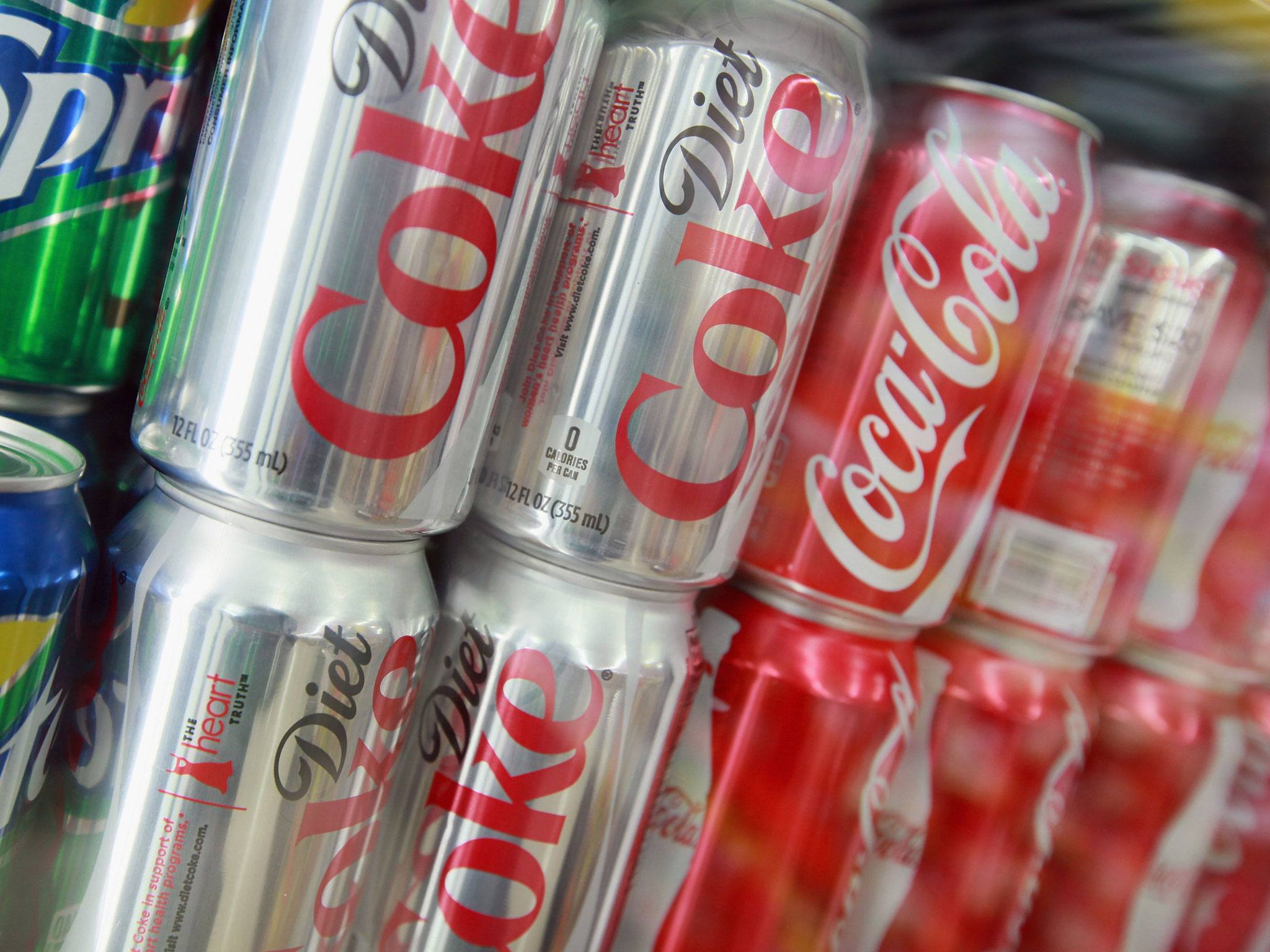
(Dr. Mercola) One of the most straightforward steps you can take to improve your health in the New Year is to give up soda, and with that I’m talking about both regular and diet varieties. The problem with soda stems from its high sugar content — particularly the liquid high fructose corn syrup (HFCS) variety — and, in the case of diet, its artificial sweetener content, among other issues.
Research suggests sugary beverages are to blame for about 183,000 deaths worldwide each year, including 133,000 diabetes deaths, 44,000 heart disease deaths and 6,000 cancer deaths.1 Even drinking one or more 250 ml (about 8 ounce) servings of soda per day raises your risk of Type 2 diabetes by 18 percent.2 Soda and other sugar-sweetened beverages (SSBs) are a leading source of added sugar in the U.S. diet, with 6 in 10 youth and 5 in 10 adults drinking at least one such beverage on any given day.3
Even the U.S. Centers for Disease Control and Prevention (CDC) states, “Frequently drinking sugar-sweetened beverages is associated with weight gain/obesity, Type 2 diabetes, heart disease, kidney diseases, nonalcoholic liver disease, tooth decay and cavities, and gout, a type of arthritis.”4
However, the CDC only suggests that “limiting the amount of SSB intake can help individuals maintain a healthy weight and have a healthy diet,” stopping far short of advising Americans to ditch these unhealthy drinks to avoid chronic disease.
This isn’t entirely surprising, considering CDC director Dr. Brenda Fitzgerald received $1 million in funding from Coca-Cola5 to combat childhood obesity during her six-year stint as commissioner of Georgia’s public health department and has a history of promoting the soda industry’s “alternative facts.” Her Coke-funded anti-obesity campaign focused on exercise. None of the recommendations involved cutting down on soda and junk food, yet research shows exercise cannot counteract the ill effects of a high-sugar (i.e., high soda) diet.
Downing cans of sugary soda isn’t only a matter of consuming “empty” calories that may lead to weight gain, as some public health organizations would have you believe. You can’t simply undo the effects of soda consumption by cutting back on calories elsewhere in your diet, as the sugar itself wreaks havoc on your body and your gut flora.
Researchers have known since the 1960s that your body metabolizes different types of carbohydrates, like glucose and fructose, in different ways, causing very different hormonal and physiological responses that absolutely may influence fat accumulation and metabolism.6
One 12-ounce can of regular soda has about 33 grams of sugar (8 1/4 teaspoons) and 36 grams of net carbohydrates, which is more than your body can safely handle, especially at one sitting.
The World Health Organization (WHO) recommended that sugar should make up less than 10 percent of your total daily energy intake, with additional benefits to be had if you reduce it to below 5 percent (which amounts to about 25 grams, or 6 teaspoons of sugar a day).7 For optimal health, I recommend limiting your intake of net carbs to under 40 to 50 grams per day, which is virtually impossible to do if you drink soda.
Gary Taubes, co-founder of the Nutrition Science Initiative and the author of “The Case Against Sugar,” expertly documents sugar’s link to chronic disease and much more, including whether sugar should more aptly be described as a drug instead of a food. It doesn’t cause the immediate symptoms of intoxication, like dizziness, staggering, slurring of speech or euphoria, associated with other “drugs,” yet perhaps this only allowed its long-term medical consequences to go “unasked and unanswered.”
Most of us today will never know if we suffer even subtle withdrawal symptoms from sugar, because we’ll never go long enough without it to find out,” Taubes wrote, adding that sugar has likely killed more people than tobacco and that tobacco wouldn’t have killed as many people as it did without sugar.8 Harvard School of Public Health further compiled a list of additional studies demonstrating the link between soda and chronic disease:9
Men who drank an average of one can of soda per day had a 20 percent higher risk of having a heart attack or dying from a heart attack than men who rarely consumed soda10
Women who consumed a can of soda daily over a 22-year study had a 75 percent higher risk of gout than women who rarely consumed soda11
Reducing soda consumption can reduce the prevalence of obesity and obesity-related diseases like Type 2 diabetes12
The idea that diet soda is a healthier option than regular soda is one of the biggest prevailing myths in the nutrition realm today. If you’re one of the nearly half of U.S. adults who consume artificial sweeteners, mostly in the form of diet soda, daily (even one-quarter of kids do so as well),13 it’s important you’re let in on the truth: Drinking diet soda puts your health at risk of the following conditions:
Stroke and Dementia
Drinking one artificially sweetened beverage a day may increase your risk of stroke and dementia by threefold compared to drinking less than one a week.14 Even drinking one to six artificially sweetened beverages a week was linked to 2.6 greater risk of stroke compared to not drinking any. A 2012 study similarly found that people who drank diet soft drinks daily were 43 percent more likely to have suffered a vascular event, including a stroke.15
This significant association persisted even after controlling for other factors that could increase the risk, such as smoking, physical activity levels, alcohol consumption, diabetes, heart disease, dietary factors and more. As for the dementia link, this one is new and no one knows for sure how diet drinks may affect your brain.
Forbes compiled some plausible theories, however, including perhaps via the disruption artificial sweeteners pose to your gut health, via the corresponding gut-brain axis. Alternatively:16
“Diet sodas are designed to trick the brain into thinking it’s getting an extra dose of glucose (the brain’s fuel), but eventually the trick is on us because the brain adapts to not receiving the added glucose by overcompensating in other ways (leading to a variety of effects still under investigation).”
Heart Attack
Research that included nearly 60,000 postmenopausal women who were followed for about 10 years found that drinking just two diet drinks a day can dramatically increase your risk of an early death from heart disease.17
Metabolic Syndrome and Type 2 Diabetes
People with Type 2 diabetes are often advised to consume artificial sweeteners in lieu of sugar, but research shows consumption of diet soda at least daily is associated with a 36 percent greater relative risk of metabolic syndrome and a 67 percent greater relative risk of Type 2 diabetes compared with not consuming any.18
Depression
According to a study that included nearly 264,000 U.S. adults over the age of 50, those who drank more than four cans or glasses of diet soda or other artificially sweetened beverages daily had a nearly 30 percent higher risk of depression compared to those who did not consume diet drinks.19
Weight Gain
In April 2017, research presented at ENDO 2017, the Endocrine Society’s 99th annual meeting in Orlando, Florida, once again found that artificial sweeteners promote metabolic dysfunction that may promote the accumulation of fat.20 A study on mice also revealed that animals fed aspartame-laced drinking water gained weight and developed symptoms of metabolic syndrome while mice not fed the artificial sweetener did not.
Further, the researchers revealed that phenylalanine, an aspartame breakdown product, blocks the activity of a gut enzyme called alkaline phosphatase (IAP). In a previous study, IAP was found to prevent the development of metabolic syndrome (and reduce symptoms in those with the condition) when fed to mice.21 Aspartame likely promotes obesity by interfering with IAP activity.
Industry Ties Perpetuate the Flawed ‘Energy Balance’ Theory
Despite soda’s strong links to disease, public health officials have been slow to place blame on the industry and instead continue to perpetuate the “energy balance theory,” which suggests weight gain is simply a matter of consuming more calories than you burn off, and increasing exercise is therefore the solution to lowering rates of obesity (in lieu of eliminating soda).
The soda industry has been instrumental in shifting the blame away from soda and toward virtually any other scapegoat. In 2015, for instance, Coca-Cola Co. was outed for secretly funding and supporting the now defunct Global Energy Balance Network, a nonprofit front group that promoted exercise as the solution to obesity while significantly downplaying the role of diet and sugary beverages in the weight loss equation.22
Public health authorities accused the group of using tobacco-industry tactics to raise doubts about the health hazards of soda, and a letter signed by more than three dozen scientists said the group was spreading “scientific nonsense.”23 Yet, the soda industry maintains many close ties with organizations that continue to promote the energy balance myth (and directly funds such organizations).24 Among them:
The Academy of Nutrition and Dietetics (AND), which was funded by Coca-Cola until 2015. They also founded a program called “Energy Balance 4 Kids With Play” in partnership with the Healthy Weight Commitment Foundation (HWCF), “an industry organization representing Coca-Cola, PepsiCo, Nestle, General Mills and other distributers of sugar-sweetened products.”25
The International Food Information Council Foundation, which is funded by Coca-Cola and PepsiCo, promotes the idea that “when it comes to weight management or weight loss, it’s the total calories that matters most.”
The National Institutes of Health “We Can!” Campaign. Coca-Cola has donated millions to the NIH Foundation, and the campaign advises drinking soda only “once in a while” and suggests balancing out days when kids eat lots of high-sugar foods/drinks with more physical activity.
The American College of Sports Medicine, which is also funded by Coca-Cola, suggests that while water should be your first choice of beverage, “there is no harm in drinking juice or even soda in moderation.”
The U.S. Centers for Disease Control and Prevention (CDC), which also receives funding from Coca-Cola via the CDC Foundation, also promotes “energy balance” and the idea that “Healthy eating is all about balance. You can enjoy your favorite foods even if they are high in calories, fat or added sugars. The key is eating them only once in a while … ”26
Try Hibiscus Tea Instead
If the idea of swapping your daily soda with water sounds less than enticing, consider swapping it with tea instead. This gives you the best of both worlds: flavor and a healthy boost to your diet, as high-quality tea can have quite a few health benefits. Hibiscus tea is one such option. It has a pleasingly sharp flavor, similar to the tartness of cranberry, and you can find it in liquid extract form that allows you to add a few pumps to your glass of water.
Unlike soda that will overload you with sugar and/or artificial sweeteners, hibiscus tea is high in vitamin C, minerals and antioxidants, and studies suggest it may improve blood pressure, help prevent metabolic syndrome, protect your liver and even provide anticancer effects.27 It’s the opposite of drinking soda in terms of what it does to your health! It’s not only hibiscus tea that offers benefits, of course. If you prefer green or white tea, these are healthy choices as well.
Studies show green tea consumption improves brain function, as well as staves off cognitive disorders such as Alzheimer’s, helps prevent dental cavities, fights inflammatory disease such as arthritis and even combats several cancers, much like hibiscus tea. The idea is that by making this one healthy switch — swapping your daily soda for a daily cup of tea instead — you can significantly lower your risk of chronic disease and obesity.
In addition, if a soda craving strikes, fit in a quick workout, drink a cup of organic black coffee or consume something sour (like fermented vegetables or lemon water). All can help you to kick your sugar cravings to the curb. The Emotional Freedom Techniques (EFT) is another great option, which has been shown to significantly reduce cravings while increasing peoples’ ability to show restraint — even after six months.28 A video demonstration is below, but here is the basic approach, which you can start using right now:
Identify a food or beverage you crave by visualizing it or imagining you’re eating/drinking it
Tap on your activated thoughts (for example, “I want this,” “I have to have it”)
Tap on each of the specific sensations or thoughts you have about the food (sweetness, saltiness, creaminess, crunchiness, how it feels in your mouth, how it smells)
Scan your body for any tension, and tap on that too
Abstract word cloud for Vitamin B12 with related tags and terms
(Dr. Mercola) Even when you eat a balanced, whole-food diet similar to the one presented in my nutrition plan, you may still fail to get the right balance of vitamins and minerals your body needs for optimal health. Because many factors contribute to your body’s ability to derive nutrients from the food you consume, you may eat a healthy diet and still lack proper nutrition.
Changes in animal feed, climate, farming and food-processing methods, soil conditions, water quality and weather patterns, as well as increased use of genetic engineering and toxic pesticides, can have a negative effect on the quality of food available.
Your age, genetics and health conditions such as digestive issues also impact your body’s ability to absorb nutrients from your food. Often, vitamin and mineral deficiencies can be difficult to identify because you may not develop symptoms until the deficiency has become quite pronounced.
Below, I comment on 10 of the most common nutrient deficiencies — ranging from vitamin A to zinc. As you review the list, take note of any deficiency symptoms that may apply to your current situation. Then, be sure to address any area of concern. In doing so, you will continue to protect and optimize your health.
The Harvard School of Public Health suggests an estimated 1 billion people worldwide have low vitamin D levels, with deficiencies noted across all age and ethnic groups.1 You are at risk of missing out on vitamin D from natural sun exposure if you spend most of your time indoors, use topical sunscreens or wear long clothing for religious reasons. The signs and symptoms of vitamin D deficiencyinclude:
Achy or broken bones
Because vitamin D helps your body absorb calcium, it plays a role in your bone health. Studies involving older adults have associated low vitamin D levels with an increased risk of falls and fractures.2
Age 50 or older
At age 50, your kidneys may become less effective at metabolizing inactive vitamin D into its active form. At age 70 and beyond, your body will produce about one-third less vitamin D through sun exposure than it did at younger ages.
Body mass index > 30
Because vitamin D is fat soluble, when your fat cells uptake it, less is available for use elsewhere in your body.3 For this reason, some experts recommend you increase your intake of vitamin D if you are obese.
Dark skin
Melanin, which determines your degree of skin pigmentation and protects your body from harmful ultraviolet radiation (UV), impairs your skin’s ability to produce vitamin D from sunlight. If you have darker skin, your body may need up to 10 times more sun exposure to produce adequate vitamin D as compared to a person who has lighter skin.
Feeling depressed or consistently having low energy
Thanks to the brain hormone serotonin, your mood automatically elevates when you are in the sun. Researchers examining the effects of vitamin D on the moods of 80 elderly patients found the ones with the lowest vitamin D levels were 11 times more likely to suffer from depression.4
Frequent colds and flu
A study done in Japan indicated schoolchildren taking 1,200 units of vitamin D per day during winter reduced their risk of contracting the flu by about 40 percent.5
Head sweating
One of the classic signs of vitamin D deficiency is a sweaty head. Excessive sweating in newborns due to neuromuscular irritability is still described as a common, early symptom of vitamin D deficiency.6
If you are experiencing any of these symptoms, get your vitamin D level tested immediately. Even if you are in good health, I recommend you have your level tested twice a year. The optimal vitamin D level for general health ranges between 40 to 60 nanograms per milliliter (ng/ml). The ideal way to raise your vitamin D is by regularly and sensibly exposing large amounts of your skin, such as your arms, back, chest and legs, to sunshine. Getting outdoors at or around solar noon is the best time to soak up the sun.
If for whatever reason you cannot get outdoors, or not frequently enough to receive sufficient UV exposure, consider taking an oral vitamin D3 supplement along with vitamin K2 and magnesium. The only way to determine your ideal maintenance dose of vitamin D is by measuring your blood level. As a general guideline, vitamin D experts recommend 4,000 IUs per day for adults, but that level applies only if you are already in the therapeutic range. If your levels are low, you may need to start with 8,000 IUs or more per day.
If you regularly consume fast food and other highly processed foods, you probably overconsume inflammatory omega-6 fats. Such high consumption of omega-6s very likely means you may not be consuming enough of the healthier omega-3 fats. Processed foods — everything from frozen meals to salad dressings — are generally loaded with omega-6s, due to the vegetable oils used to make them.
Check labels carefully and do your best to avoid products containing corn, cottonseed, soybean, safflower and sunflower oils. If you are a regular consumer of fast food, be advised most of it is prepared with these same oils. Your recommended omega-6 to omega-3 balance should be close to a 1-to-1 ratio. However, because omega-6s are overabundant in the typical American diet, your ratio may be around 20-to-1, or as high as 50-to-1! It all depends on your eating habits.
Very often, when omega-6s predominate your diet, you will almost always suffer from inflammation and higher production of body fat. I suspect the high incidence of cancer, diabetes, heart disease, hypertension, obesity and premature aging noticeable worldwide may have its roots in the chronic inflammation resulting from this profound omega-3-to-omega-6 mismatch.
Omega-3s are anti-inflammatory and vital for supporting your brain function, joints, skin and vision, as well as your heart.7,8,9 They are derived from both plant and animal sources:
Alpha-linolenic acid (ALA): found in plant sources such as chia, flaxseeds, hemp and walnuts
Docosahexaenoic acid (DHA): found in animal sources such as anchovies, salmon and sardines, as well as fish oil supplements; alternatives to fish oil include algae and my personal favorite, krill oil
Eicosapentaenoic acid (EPA): also found in animal sources such as fish and fish oil, because wherever you find DHA, EPA is also there
I recommend an animal-based omega-3 because most of its cellular health benefits are linked to EPA and DHA, not the plant-based ALA. Although plant-based omega-3s are beneficial, and ideally you need both sources of omega-3, your focus should mainly be on the animal-based variety. To learn more about the critical differences between plant- and animal-based omega-3, and why they are not interchangeable, please see “The Critical Differences Between Omega-3 Fats From Plants and Marine Animals.”
In terms of supplementation, I believe krill oil is superior to fish oil. The omega-3 in krill is attached to phospholipids, which increase its absorption. Furthermore, compared to fish oil, krill oil contains almost 50 times more astaxanthin, a potent antioxidant that helps prevent omega-3s from oxidizing before they can be integrated into your cellular tissues. I cannot stress enough the importance of getting your omega-3 level tested.
Because magnesium is the fourth most abundant mineral in your body, a deficiency can wreak havoc on your health. The fact researchers10 have detected more than 3,750 magnesium-binding sites on human proteins should give you a sense of how important this mineral is for your body’s optimal functioning. Your body needs magnesium for:
Activating muscles and nerves
Creating energy in your body by activating adenosine triphosphate (ATP)
Helping digest proteins, carbohydrates and fats
Serving as a building block for RNA and DNA synthesis
Acting as a precursor for neurotransmitters like serotonin
Dietary sources of magnesium include avocados, Brazil nuts, brown rice, cashews, dark leafy greens like spinach and Swiss chard, oily fish, raw cacao, seaweed and seeds. Since there is no simple routine blood test to determine your magnesium level, it is best to get a magnesium RBC test, while also carefully evaluating and tracking your symptoms. You may be suffering from magnesium insufficiency if you experience:
Constipation
Eye twitches, muscle spasms — especially “charley horses” or spasms in your calf muscle that occur when you stretch your legs, numbness or tingling in your extremities and seizures
Headaches and/or migraines
High blood pressure, heart arrhythmias and/or coronary spasms
Low energy, fatigue and/or loss of appetite
A few years ago, I interviewed Dr. Carolyn Dean, who has been studying magnesium for nearly 20 years. In her book, “The Magnesium Miracle,” Dean lists 100 factors to help you determine if you might be deficient. She also writes a blog, and you may find her post entitled “Gauging Magnesium Deficiency Symptoms” to be helpful.11 Check out the short video below by Dean to learn more about why your body can’t live without magnesium.
Iodine is an essential mineral found in every one of your organs and tissues. Your body needs iodine for normal thyroid function, including the production of thyroid hormones, which support brain development, bone maintenance, growth and metabolism. Nearly one-third of the world’s population is iodine deficient.12 Severe iodine deficiency can affect your child’s brain function and IQ. The most common symptoms you are not getting enough iodine include:
Dry mouth, dry skin and lack of sweating
Enlarged thyroid gland, also known as goiter, which contributes to a variety of cancers, including esophageal, breast, ovarian and thyroid
Increased heart rate
Shortness of breath
Weight gain
Dietary sources of iodine include eggs, fish, raw milk, spirulina and sea vegetables such as kelp, kombu, nori and wakame. If you take an iodine supplement, be aware of the potentially serious risks associated with taking too much iodine. As a general rule, I do not advise taking large doses of iodine supplements like Iodora or Lugol’s long term.
In the video below, Dr. Jorge Flechas, a family physician from North Carolina who specializes in iodine therapy for thyroid and breast disorders, provides an informative overview of your thyroid, the incidence of thyroid problems and the importance of intaking sufficient iodine.
While you may think about it mainly during cold and flu season, zinc is an essential mineral found throughout your organs, tissues and bodily fluids. Moreover, after iron, zinc is the second most abundant trace mineral in your body. Because zinc is vital to many biological processes, you may not realize your body does not store zinc. Instead, you must intake it daily through the foods you eat or a high-quality supplement. Zinc supports your body’s critical processes such as:
Blood clotting
Immune function
Smell, taste and vision
Cell division
Thyroid health
Wound healing
At least 2 billion people worldwide are thought to be zinc deficient, including about 12 percent of the U.S. population and as much as 40 percent of the elderly.13 Part of the deficit likely results from soil depletion due to conventional farming methods, as well as the use of toxic pesticides such as Roundup. Beyond the soil concerns, many simply do not eat enough zinc-rich foods, the mineral is often poorly absorbed, levels are infrequently checked and testing methods are often inaccurate.
Dietary sources of zinc include dairy products, nuts, red meat and seafood. Plant sources such as asparagus, beans, green peas and spinach also contain zinc, but it is more easily absorbed from meat and animal proteins.
If you are an alcoholic or vegetarian, are pregnant or lactating, or have a digestive disorder or sickle cell disease, you are more likely to have a zinc deficiency. Even if you consider yourself to be a healthy person, you may not be eating enough zinc-rich foods on a daily basis to achieve optimal levels of this essential nutrient.
In the video above, I discuss the importance of zinc to your health, the signs of zinc deficiency and how you may improve your zinc levels through your dietary choices. Vegetarians have a particular challenge as phytic acid in grains compete with the absorption of zinc and other nutrients, which doesn’t occur in meat and dairy sources of zinc.
If you have symptoms of a zinc deficiency and choose to use a supplement, make sure it’s from a reputable company using best-practice, quality assurance methods. Independent verification of the raw materials is vital to confirm quality and assure it is free of lead and other heavy metals. The supplement should contain several different types of zinc, such as gluconate, citrate and chelate. Unless your clinician recommends otherwise, don’t go above 40 mg per day.
Vitamin B12 (cobalamin) is known as the energy vitamin, and you need it for blood formation, DNA synthesis, energy production and myelin formation. You may be deficient in vitamin B12 if you are not eating enough of the foods containing it, or your body lacks the ability to absorb it properly.
According to the U.S. Department of Agriculture, nearly 40 percent of the American population may have marginal vitamin B12 status14— not low enough to qualify as deficiency, but low enough to where certain neurological symptoms may start to appear. Warning signs of a B12 deficiency are slow to appear, so you may be quite deficient by the time you recognize the symptoms, which include:
Apathy
Memory problems and/or “mental fog”
Muscle weakness
Fatigue
Mood swings
Tingling in the extremities
Vitamin B12 is present in its natural form only in animal sources of food, such as:
Grass fed beef and beef liver
Lamb
Venison
Organic pastured eggs and poultry
Seafood such as salmon, scallops, shrimp and snapper
If you are a strict vegetarian or vegan, you are at increased risk of B12 deficiency. While you can get some B12 from coconut oil, fortified coconut milk and nutritional yeast, you may need to take a daily supplement. Chronic long-term B12 deficiency can lead to serious conditions such as dementia, depression and fertility problems.
Most B12 supplements sold today are a waste of your money because B12 does not absorb well. Your best option is to supplement with a B12 spray, which I think is better than receiving painful B12 shots from your doctor. Whether you choose animal foods or a high-quality spray, if you are a vegan, you should consider increasing your consumption of B12 to avoid future health problems.
Vitamin E is an important fat-soluble vitamin and antioxidant designed to combat inflammation and make red blood cells. It also helps your body use vitamin K, which is important for heart health. Six billion people worldwide and 75 to 90 percent of Americans are deficient in vitamin E.15 If you are among them, you are at increased risk for cardiovascular disease, cognitive deterioration and immune dysfunction.
To achieve an optimal level, you need at least 50 IUs of vitamin E daily. The recommended dietary allowance for anyone 14 years or older is 15 milligrams (mg) per day. Vitamin E is well-known for protecting against free radical damage and the effects of aging. It is actually a family of at least eight fat-soluble antioxidant compounds, divided into two main categories:
Tocopherols, which are considered the “true” vitamin E
Tocotrienols, each of which has subfamilies of four different forms
Vitamin E can easily be obtained from a healthy diet, and high amounts of it are found in three general categories of foods:
Leafy greens like spinach
High-fat foods such as nuts, seeds, fatty fish and seafood, including sardines and shrimp
Oil-rich, high-fat plants such as avocados and olives
Most of these foods are best eaten raw because cooking will destroy some of the nutrients. Obvious exceptions exist of course — do not eat raw shrimp, for example. If you must use a supplement, choose a full-spectrum vitamin E containing mixed natural tocopherols and tocotrienols. Avoid the synthetic form. Natural vitamin E is always listed as the “d-” form: d-alpha-tocopherol, d-beta-tocopherol, etc. Synthetic versions are listed as “dl-” forms.
Vitamin K is a fat-soluble vitamin that is well-known for its role in blood clotting. However, there are two different kinds of vitamin K,16each providing its own set of health benefits. Vitamin K1 is primarily responsible for blood clotting whereas vitamin K2 works synergistically with calcium, magnesium and vitamin D to impart a number of important health benefits.
Vitamin K2 also plays a crucial role in bone health,17 and may be critical for the prevention of osteoporosis (brittle bones). Osteocalcin is a protein produced by your osteoblasts (cells responsible for bone formation), and is utilized within the bone as an integral part of the bone-forming process. However, osteocalcin must be “carboxylated” before it can be effective. Vitamin K functions as a cofactor for the enzyme that catalyzes the carboxylation of osteocalcin.
If you do not have sufficient amounts of vitamin K2, you run the risk of both brittle bones and calcification in your soft tissues. In other words, vitamin K2 is necessary to keep your bones strong and your soft tissues pliable. A number of Japanese trials have shown that vitamin K2 completely reverses bone loss and in some cases even increases bone mass in people with osteoporosis.18
The pooled evidence of seven Japanese trials also show that vitamin K2 supplementation produces a 60 percent reduction in vertebral fractures and an 80 percent reduction in hip and other non-vertebral fractures.19 One Chinese meta-analysis20 of 19 randomized controlled trials found that vitamin K2 supplementation significantly improved vertebral bone density in postmenopausal women and reduced the risk of bone fractures.
Another three-year-long placebo-controlled study21 done in the Netherlands found that postmenopausal women taking 180 mcg of MK-7 per day increased their bone strength and saw a decrease in the rate of age-related bone mineral decline and reduced loss of bone density, compared to those taking a placebo. The following graphic, from a 2014 research paper22 on vitamin K2, illustrates the dual effect of vitamin K on bone and vascular health.
Vitamin K2 is found primarily in animal-based foods (MK-4) and fermented foods (MK-7). However, when it comes to MK-7, it’s important to realize that not all bacteria make K2, so only certain fermented foods will contain it. Grain fed animals will also produce far lower amounts of K2, and are best avoided for other reasons. Only grass fed animals will develop naturally high K2 levels.
For these reasons, most commercial yogurts are virtually devoid of vitamin K2, and while certain types of cheeses, such as Gouda, brie and Edam are high in K2, others are not. One of the best ways to get plenty of vitamin K2 from your diet it is to regularly eat home-fermented vegetables made with a special starter culture designed with bacterial strains that produce vitamin K2.
You can get up to 500 mcg of vitamin K2 in a 2-ounce serving of fermented vegetables using such a starter culture, which is a clinically therapeutic dose. This is also one of your most economical alternatives.
Selenium serves two very important and interrelated roles:
At the cellular level, selenium is an active component of glutathione peroxidase, an enzyme that converts hydrogen peroxide to water. Glutathione peroxidase has potent antioxidant properties, and serves as a first line of defense against build-up of harmful free radicals in your cells.
Selenium also plays an important role in the prevention of cancer. One of the reasons people get cancer is because of excessive free radical production. By reducing free radicals, selenium helps reduce your risk of cancer.
If you like Brazil nuts, eating about two to three of them per day will typically be sufficient. If you opt for a supplement, make sure to get the correct form. What you’re looking for is the high-selenium yeast form, the scientifically tested and most recommended version.
Nearly half of American adults and teens are at risk for insufficiency or deficiency of vitamin A.23 Your body needs a daily dose of this fat-soluble vitamin to maintain healthy bones, cell membranes, immune function, skin, teeth and vision. Vitamins A and D work in tandem, and there’s evidence suggesting that without vitamin D, vitamin A can be ineffective or even toxic.
On the other hand, if you’re deficient in vitamin A, vitamin D cannot function properly either, so a balance of these two vitamins is essential to good health. That said, because we do not yet know the optimal ratios between these two vitamins, balancing them well through supplementation can be challenging. For that reason, if you are able, it’s best to intake vitamins A and D from food and sun exposure, rather than supplements.
The best source of vitamin A your body can actually use is animal products such as fish, grass fed meat, liver and pastured poultry, as well as raw, organic dairy products like butter. These foods contain retinol, preformed vitamin A that your body can easily use. You will find it difficult to get sufficient amounts of vitamin A from beta-carotene, a provitamin A found in plant foods like broccoli, cantaloupe, carrots, squash and sweet potatoes.
While your body can readily use the retinol form of vitamin A, it must convert provitamin A (carotenoids) into bioavailable retinol. If you’re in excellent health, this should not pose a major problem; however, factors such as alcohol use, digestive problems and genetics can affect your body’s ability to absorb carotenoids and convert them into retinol. Medical conditions that interfere with the digestion of fat, including Crohn’s disease, cystic fibrosis and gallbladder and liver disease also affect your body’s ability to convert vitamin A.
A number of studies have raised warnings about vitamin A supplementation; indicating high doses may lead to toxicity, and may raise your risk of cancer, heart disease and all-cause mortality. Be particularly cautious with retinol or retinoic acid supplements, as these fat-soluble forms pose a greater risk of toxicity. Strictly avoid all synthetic versions.
(Dr. Mercola) According to a study by AARP,1 93 percent of Americans are concerned with their brain health, but very few understood some of the natural strategies they could use to improve it. Contrary to popular belief, your brain function and cognitive performance do not have to decline with age. There are steps you can take that influence your memory, processing, executive functions and more.
Even if you are already in your “golden years,” simple changes may prompt brain health for the better. For instance, where once it was believed that neurons were only generated early in life, scientists now know that neurogenesis (generation of new neurons) continues into adulthood.2 Exactly what influences the rate of new neuron growth is still being explored, as are other factors that play a role in brain health.
Recent research, for instance, has uncovered damage canola oil consumption triggers in your brain and the effect this may have on your memory and learning ability.3 The study, published in the journal Nature, also found the consumption of canola oil increased weight gain.
Canola Oil Negatively Affects Brain Health and Weight Management
The study was led by researcher Dr. Domenico Praticò from Lewis Katz School of Medicine at Temple University in Philadelphia, Pennsylvania. Praticò commented to the Los Angeles Times that canola oil is perceived by many to be healthy — a widespread misconception:4
“Canola oil is appealing because it is less expensive than other vegetable oils, and it is advertised as being healthy. Very few studies, however, have examined that claim, especially in terms of the brain.”
Researchers used an animal model to evaluate the effect canola oil has on the brains of mice genetically engineered to develop Alzheimer’s disease.5 Canola oil developed a reputation of being healthy when doctors began warning people to reduce their saturated fat intake and consume vegetable oils instead. Canola has the lowest percentage of saturated fat of all commonly used vegetable oilsand is relatively inexpensive, but is actually one of the worst oils for your health.
Canola oil is often used in homes and restaurants for baking, sautéing, frying and other forms of cooking, with consumers being deceived into believing it’s better for them than saturated fats. The mice were split into two groups; one group was fed the usual chow and the second group was fed chow with the human equivalent of 2 teaspoons of canola oil per day.
At the end of the experimental six months, researchers observed that the mice eating chow laced with canola oil were significantly heavier than the mice that did not eat canola oil. Additionally, the mice who had eaten canola oil demonstrated significant declines in working memory together with a decreased level of post-synaptic density protein-94, a marker of synaptic integrity. The researchers found canola oil had a negative effect on health and concluded:6
“Taken together, our findings do not support a beneficial effect of chronic canola oil consumption on two important aspects of AD [Alzheimer’s disease] pathophysiology which includes memory impairments as well as synaptic integrity.”
Your Brain Needs Healthy Fats
The same researchers used a similar model to evaluate the effects of olive oil on the brain function of mice.7 In that study,8,9 neither group was heavier than the other, and the mice fed chow enriched with extra-virgin olive oil performed significantly better on testing that evaluated the animals’ working memory, spatial memory and ability to learn.
The brain tissue of these mice, genetically engineered to develop Alzheimer’s disease as they age like the mice in the featured study, also revealed dramatic differences. The mice fed olive oil demonstrated preserved synaptic integrity and an increase in nerve cell autophagy, ultimately responsible for a reduction in amyloid plaques common in the brain of those with Alzheimer’s disease.10
Healthy fat is an essential component of the structure of your brain, which is composed of nearly 60 percent fat.11 It should come as no surprise that your brain needs quality fat to function optimally. Although your brain is a small part of your complete bodyweight, it uses 20 percent of your metabolic energy. Essential fatty acids are required but cannot be synthesized in your body, and so must come from dietary sources.
Most people get well over what is needed of omega-6 fats, which are found in most vegetable oils, and not nearly enough omega-3 fats. One omega-3 fat, DHA, has been linked with the growth of your retina and visual cortex during development,12 visual acuity and reduction in depression. Research has found those suffering from attention deficit hyperactivity disorder (ADHD) have lower levels of DHA, and DHA may play a role in neuroprotection.
Unlike the highly damaged fats in vegetable oil, saturated fat is the optimal “clean” fuel for your brain and is one of the main components of brain cells. As such, it’s excellent for brain health, with one study demonstrating that those who ate more saturated fat reduced their risk of developing dementia while those who favored carbohydrates had a significantly increased risk.13
To maintain optimal brain function, you need high-quality, undamaged omega-3s and omega-6 along with antioxidants to protect them from oxidation — not processed vegetable oils like canola oil. In summary, processed vegetable oils are bad for your brain health for a number of reasons, including the following:
They are loaded with damaged omega-6 fatty acids without protective antioxidants
They strip your liver of glutathione, which produces antioxidant enzymes, which further lowers your antioxidant defenses
Most vegetable oils are made with genetically engineered (GE) crops designed to resist herbicides like glyphosate. As such, they may be more contaminated with glyphosate than non-GE crops, and glyphosate has been shown to disrupt the tight junctions in your gut and increase penetration of foreign invaders, especially heated proteins, which can cause allergies
Vilification of Healthy Fats Has Contributed to Rising Rates of Disease
Defaming healthy fats over the past decades has contributed to a rising rate of disease. Although healthy fats are used as fuel and leave you feeling full, many turned to eating carbohydrates when fats were discouraged. Carbs are metabolized and burned quickly, using insulin to usher blood glucose into the cell.
However, carbs trigger insulin resistance over time and increase the potential for crashing blood sugar levels two to three hours after a meal, leaving you hungry once again and increasing your food intake. This one mechanism increases your risk for obesity, which in turn increases your potential risk for insulin resistance, Type 2 diabetes, cardiovascular disease and stroke.
In a time when healthy saturated fats and dietary cholesterol were publicly slandered, Canada developed an alternative oil that met with the approval of the American Heart Association (AHA) — canola oil.14 Now sitting in the first position of recommended oils for healthy cooking on the AHA website, author Praticò had this to say about the results of his canola oil study:15
“Amyloid-beta 1-40 neutralizes the actions of amyloid 1-42, which means that a decrease in 1-40, like the one observed in our study, leaves 1-42 unchecked. In our model, this change in ratio resulted in considerable neuronal damage, decreased neural contacts, and memory impairment.”
In other words, consuming canola oil may increase your risk of developing Alzheimer’s disease, as the oil decreases the production of a protein that protects your brain against neuronal damage and cognitive impairment.
Toxicity of Canola Oil May Result From the Seed, Source or Processing
This short video shows you the conditions under which canola oil is manufactured and produced, including the deplorable number of chemicals and bleaches added to the product to achieve the clear liquid you see on your grocery store shelves. Just the way the oil is processed should be enough to encourage you to steer clear of consuming the product. But the risk associated with canola oil doesn’t stop with processing.
The canola plant was developed from rapeseed plants by Agriculture and Agri-Food Canada and the University of Manitoba using plant breeding techniques. In fact, the Canola Council of Canada calls the development, “Canada’s greatest agricultural success story.”16Rapeseed oil was originally used as a motor lubricant during World War II.17 Once the war ended, demand plummeted and Canada began an intensive program to make the product edible.
Before it could be ingested the erucic acid and glucosinolates had to be bred out of the plant, as they are dangerous to human health.18By the late 1970s, both chemicals were reduced to lower levels, and the plant was officially accepted as consumable. In the 1980s, research focused on shelf stability of the oil, animal diets and gaining a wider consumer acceptance.
By 2012, nearly all low-erucic acid rapeseed plants were genetically engineered to increase yield. Today, what began as a motor lubricant is now one of Canada’s most profitable crops.
The erucic acid is a long-chain fatty acid that is especially irritating to mucous membranes. Consuming canola oil has been associated with the development of fibrotic lesions on the heart, lung cancer, anemia, central nervous system degenerative disorders and prostate cancer.19
The featured study evaluated the effect of canola oil on brain function without identifying which characteristic of the product triggers the problems. However, as most canola oil is produced from GE seeds, using plants originally unfit for human consumption and taken through a process that injects multiple chemicals and bleaches, it isn’t surprising the study was so conclusive.
Genetic Engineering Raises Health Risk With Each GE Food Consumed
This documentary details what happens when we use GE foods. Scientists are only beginning to uncover the long-term effects of splicing the genes of one living creature into another or developing a plant immune to the effects of herbicides.
However, some companies are not convinced by independently funded research and have relied on information from organizations such as the American Medical Association (AMA) and World Health Organization (WHO), which claim there is no credible evidence that GE foods are unsafe. However, even WHO admits:20
“Different GM [genetically modified] organisms include different genes inserted in different ways. This means that individual GM foods and their safety should be assessed on a case-by-case basis and that it is not possible to make general statements on the safety of all GM foods.”
In 2015, the European Commission decided it was in the best interest of their citizens to say “no” to genetically modified organisms (GMOs) within their borders, and all 28 countries required labeling of foods containing GMO products.21 This is in stark contrast to the U.S., where most canola grown is GE22 and products created from it not labeled as such.
Healthy Cooking Options
Cooking with nearly all vegetable oils is problematic as they don’t tolerate high heat. Healthier options for cooking include pastured, organic butter, virgin coconut oil, ghee (clarified butter) and lard. Olive oil and sesame oil add wonderful flavor and healthy fats to your foods, but they have very low smoke points and should be used unheated in salad dressings or drizzled over meats or vegetables for flavor.
Boosting Brain Health Naturally
It is never too late to support your neurological health. Remember, even small changes you make each day reap big rewards over time. Seek to change your habits consistently and persistently to support your memory, cognitive function and ultimately your enjoyment of everyday life. Here are several strategies you may use to improve your brain health:
Vitamin D
There are strong links between low levels of vitamin D in Alzheimer’s patients and poor outcome on cognitive testing. Optimal vitamin D levels may protect brain cells by increasing the effectiveness of the glial cells in restoring damaged neurons. Additionally, vitamin D has anti-inflammatory properties.
Carotenoids
These antioxidant compounds are found most often in orange colored vegetables, such as sweet potatoes and carrots. Some carotenoids, such as lutein and zeaxanthin, are found in dark green vegetables, namely kale and spinach (as well as egg yolks). Lutein and zeaxanthin are best known for the role they play in vision health, but accumulating evidence suggests they play a role in cognitive health as well by enhancing neural efficiency.23
Probiotics
You are likely familiar with the importance of probiotics for your gut health but may not know of the role they play in your cognitive health. Certain beneficial bacterial strains, such as those found in fermented foods, have a positive effect on your brain function.
In a study by the University of California Los Angeles, scientists found women who regularly consumed beneficial bacteria via yogurt experienced changes in multiple areas of their brain, including those related to sensory processing, cognition and emotion.24
Exercise
Physical activity produces biochemical changes that strengthen and renew not only your body but also your brain — particularly areas associated with memory and learning.
Diet
Reducing overall calorie and carbohydrate consumption, while increasing healthy fats, has a powerful effect on your brain health. Beneficial health-promoting sources of healthy fats that your body — and your brain in particular — needs for optimal function include organic grass fed raw butter, olives, organic virgin olive oil and coconut oil, nuts like pecans and macadamia, free-range eggs, wild Alaskan salmon and avocado, for example.
Increasing your omega-3 fat intake and reducing consumption of damaged omega-6 fats (i.e., processed vegetable oils) in order to balance your omega-3-to-omega-6 ratio also has a significant benefit for your brain.
Sleep
Sleep not only is essential for regenerating your physical body, but imperative for reaching new mental insights and being able to see new creative solutions to old problems. Sleep removes the blinders and helps “reset” your brain to look at problems from a different perspective.
Research from Harvard indicates that people are 33 percent more likely to infer connections among distantly related ideas after sleeping,25 but few realize that their performance has actually improved. Sleep is also known to enhance your memories and help you “practice” and improve your performance of challenging skills. In fact, a single night of sleeping only four to six hours can impact your ability to think clearly the next day.
(Dr. Mercola) As consumer food preferences are rapidly changing, with more people looking for and buying healthier foods, the food industry is struggling to come up with a coordinated response to win back consumer confidence and recoup sagging sales. As noted by Politico,1“As legacy brands lag, food companies have two options: Change to compete or buy up the new brands that are already growing rapidly.”
Nestlé’s recent departure from the Grocery Manufacturers Association (GMA), the largest and most powerful lobbying group for the processed food industry, is just one piece of evidence signaling the development of a deep rift within the industry. According to the featured article, “Long the attack group for large companies like Kraft and General Mills on legislative and regulatory issues, GMA now has members like Nestlé opposing some of its positions.”2 Mars Inc. has also confirmed it will not renew its membership with GMA.3
Leaving the GMA is not the only way Nestlé is changing. The processed food giant recently purchased Atrium Innovations — the Canadian parent company of the organic supplement brand, Garden of Life — for $2.3 billion.4 Garden of Life is said to make up the largest chunk of Atrium’s annual sales. The irony of the buyout is pretty obvious. As noted by Reuters,5 “Nestlé [is] expanding its presence in consumer healthcare as it seeks to offset weakness in packaged foods.” Atrium will become part of the Nestlé Health Science division, which already sells nutritional products. The purchase reflects Nestlé’s new “strategic priority,” namely consumer health.
Other major players have also chosen to part ways with GMA, suggesting Big Food is in fact starting to pay attention to consumers’ demand for honesty and transparency. Three years ago, I wrote about how the GMA was suing states for the right to deceive you, and how it got caught laundering money during the Washington campaign to label genetically modified organisms (GMOs).
The association was ultimately fined a record $18 million for its illegal side-stepping of the state’s campaign finance laws, but by then the damage was already done and Washington did not get the votes required to enact GMO labeling. (The GMA has contested the guilty verdict, so the legal wranglings are not yet over.)
Around that same time, I also dubbed GMA “the most evil corporation on the planet,” since it consists primarily of pesticide producers and junk food manufacturers who have gone to great lengths to violate some of your most basic rights, just to ensure that subsidized, genetically engineered (GE) and chemical-dependent, highly processed junk food remains the status quo.
The Organic Consumers Association (OCA) also called for a boycott on every single product owned by GMA members, including organic and natural brands, to send a clear message to the industry that we will no longer tolerate being bamboozled by their deceptive and illegal strategies. Since then, some of the heavy-hitters have indeed left — or are considering leaving — the GMA. This suggests your participation in the GMA boycott has indeed been wildly successful. According to Politico:6
“… Campbell decided to stop fighting and instead embrace GMO labeling early last year, believing that consumers want more information about what’s in their food and where it comes from — not less. Other major food companies are also eyeing the door: Dean Foods, the largest dairy company in the country, has quietly decided to leave the association. Several others … are considering it …
‘Companies that get it have said, ‘Why are we paying GMA more than $1 million a year to lobby for things that our brands don’t support?” said Jeff Nedelman, founder of the public relations firm Strategic Communications that works with health and wellness brands, and a former VP of communications at GMA during the 1980s and ’90s.
‘To me, it looks like GMA is the dinosaur just waiting to die,’ Nedelman added … As more millennials become parents, food companies will have to adapt and change even more … as the majority of shoppers will be looking for brands and companies and products with aligned their values.”
Changing Consumer Tastes Have Thrown Food Industry Into Disarray
People are becoming increasingly cognizant of the connection between food and health, and are seeking out healthier fare. American consumers are also paying greater attention to labeling, favoring companies that provide clear disclosures. Organics, grass fed meats and products that do not contain artificial colors are all becoming increasingly popular.
Just a few years ago, the industry saw “real food” and organics as a niche market, and there were even attempts to squash it by labeling people who sought out such foods as wealthy food snobs. It’s now becoming clear that such derogatory labels don’t work (and don’t fit the majority of organic consumers). According to a recent market analysis, the top 20 food and beverage companies in the U.S. lost $18 billion of their market share between 2011 and 2017.7
In an effort to stop the bleeding and recapture sales, many started buying up popular organic brands. PepsiCo bought Naked Juice and Coca-Cola snapped up Honest Tea, while General Mills acquired Larabar and Kellogg’s bought Kashi. The question is whether these processed food giants really have the “heart,” not to mention financial incentive, to maintain the quality and purity consumers came to expect from organic brands.
The food industry is also at odds over the Food and Drug Administration’s (FDA) updated Nutrition Facts label,8 which will require manufacturers to list added sugars, both in grams and percentage of total daily calories. While Nestlé and Mars supported the change, others vehemently opposed it.
One of the main arguments against listing added sugars on the label is that it will confuse consumers, but in all reality, the only thing that will happen is that it will allow consumers to actually see and compare how much sugar is in their beloved staples, which just might trigger a switch to less health-harming foods.
Food companies have until January 2020 to comply with the label changes, but some have stated they will voluntarily update their labels well before that deadline, all in an effort to appease consumer demand for transparency.
Plant Based Foods Association — The New Kid on the Block
After leaving GMA, Campbell joined the Plant Based Foods Association (PBFA), which presently claims to have 92 corporate members.9 The association’s stated mission is “To ensure a fair and competitive marketplace for businesses selling plant-based foods intended to replace animal products such as meats, dairy and eggs, by promoting policies and practices that improve conditions in the plant-based foods industry, and educating consumers about the benefits of plant-based foods.”10
While most people would certainly benefit from eating more plant foods, I can foresee the potential for trouble with such a narrow industry mission. Organic, grass fed animal foods have a unique and valuable place not only in the human diet but environmentally as well, as livestock is an important part of regenerative agriculture.
PBFA also represents manufacturers of meat substitutes, and while the industry claims getting rid of animal meat altogether is the answer to many of our health and environmental problems, the evidence suggests this simply isn’t true.
A healthy ecosystem needs grazing animals, and there’s very little if any evidence to support the idea that meat substitutes are in fact healthy. For example, the FDA has raised concerns about Impossible Burger’s meat substitute made from soy, wheat, coconut oil, potatoes and plant-based “heme” derived from genetically engineered (GE) yeast.
Safety concerns also surround Quorn, another meat substitute made from a fungus-based ferment. I find it difficult to understand how a manufactured food product that has been accused of causing death could ever be sold as a healthier option than grass fed beef raised on a regenerative farm.
Why Junk Food Is Still Advertised to Children
Over the years, it’s become increasingly clear that the processed food industry has little concern for public health. It’s really all about maintaining sales, even when this means twisting the facts to make a product appear healthy — logic and science be damned. As noted by Scientific American in 2013,11 Congress commissioned the Inter-agency Working Group (IWG) to develop standards for the advertising of food to children in 2009.
Its report, released in 2011, turned out to be a devastating blow to food companies, as foods marketed to children had to contain “at least 50 percent by weight one or more of the following: fruit; vegetable; whole grain; fat-free or low-fat milk or yogurt; fish; extra lean meat or poultry; eggs; nuts and seeds; or beans.” According to General Mills, the guidelines would bar 88 of the 100 most commonly consumed products in the U.S. from being advertised to children.12
Moreover, General Mills estimated that if all Americans ate a healthy diet, the food industry would lose $503 billion in annual sales.13 If you’ve been paying attention to what your children are told to eat while watching their favorite program, I’m sure you’ll agree none of the items conform to the guidelines suggested by the IWG. That’s because the industry fought the guidelines, and won.
Dietitians Lectured on Social Media Conduct
Food industry rifts have also become evident in the field of nutrition. The Washington Post recently ran a story about Rebecca Subbiah, a registered dietitian and organic farmer who recounts being harassed and shamed by other dietitians online.14 According to the article, Subbiah “unwittingly stepped into an online debate about industrial farming practices. She tweeted that she personally prefers organic foods because she believes they’re better for the environment.”
She describes the responses she received as “terrible” and “very toxic,” saying the name-calling and questioning of her intellect made her cry. According to The Washington Post, the conversation about organics has “grown so heated that the country’s certifying body for dietitians issued guidance to its members asking them to avoid ‘belittling’ or ‘humiliating’ colleagues in online discussions,” and to sign a public pledge of professional civility.
Six other dietitians interviewed for the article agree that harassment “has become common in the field,” and believe the “hostility reflects deepening ideological divides in both the Academy of Nutrition and Dietetics, the professional group — and in nutrition, in general.” It’s quite sad when an organization has to actually instruct its members to remember to interact professionally when engaging in online discussions about nutrition.
It’s also a potent reminder to patients and clients — your dietitian may well be mired in outdated and unhealthy opinions cultivated by the processed food and chemical technology industries. This isn’t so surprising when you consider the fact that junk food companies have a hand in educating dietitians on what’s healthy and what’s not.
Dietitians Have Become an Increasingly Divided Lot
The American Dietetic Association’s (ADA) annual conference has long been monopolized by the likes of Coca-Cola, Mars, Kellogg’s and General Mills. Rarely if ever will you find organic food experts included in the speaker lineup at these events.
One cannot help but wonder if the harassment of dietitians who support and promote organics and a nonprocessed food diet doesn’t originate from junk food purveyors and pesticide companies in the GE seed business. After all, the industry has become expert at secretly employing professionals and academics who then spread the corporate gospel under the cloak of independent opinion and expertise.
Melinda Hemmelgarn, who was attacked on social media for months after giving a public talk about the “unintended consequences of GMOs,” told The Washington Post she believes online “incivility is just a symptom of the actual problem: deep divides between dietitians regarding the state of the modern food system.”
As noted in the article, dietitians historically did not get involved with issues such as the environmental impacts of food production, but in recent years, such topics have become increasingly important to consumers, and hence the industry of nutrition. The issue was further brought to the fore when, in 2015, the Dietary Guidelines Advisory Committee specifically noted that eating more plant foods would be beneficial for the environment.
Don’t Let Your Diet be Dictated by Corporate Agendas
It’s really unfortunate that so many dietitians are still under the delusion that you can eat a processed food diet and regain or maintain good health, but such is the power of corporate brainwashing. For instance, many dieticians still believe artificial sweeteners are a sensible alternative to sugar, and that low-fat, low-calorie microwavable meals are a “healthy” dinner, when this could not be further from the truth.
Fortunately, at the forefront of any revolution is knowledge, and that is the stage many are at right now with regard to the food system. Finally, many are beginning to realize that the bulk of the packaged, processed foods found in supermarkets are not real “food” at all, but cheap concoctions of subsidized farm crops and chemicals manipulated to taste and look edible.
The easiest way to break free of this trap through your diet is by focusing on whole — ideally organic, or better yet, biodynamic — unadulterated foods, meaning foods that have not been processed or altered from their original state. I’ve compiled many tips on how to do this without breaking the bank in these past articles:
Coming Attraction: Fruit and Veggie Marketing Machine
Also remember that if a food is heavily advertised, there’s a good chance it is unhealthy. Real foods like grass fed beef, raw butter, organic cage-free eggs, organic vegetables and the like are not the subject of commercial jingles or billboards, but they are the types of foods that will support optimal health. You can find more examples of real, healthy, non-corporate food in my nutrition plan.
Fortunately, signs of change are evident here as well. In an effort to increase consumption of fruits and vegetables, Partnership for a Healthier America (PHA) has started a fruits and vegetable campaign15 (branded as FNV16) to improve public perception and acceptance of plant produce. The video above is a preview of FNV’s “fruit and veggie marketing machine” — ads that are as enticing as those produced by junk food manufacturers.
According to the PHA, the new campaign is already starting to change behavior. Toni Carey, senior manager, communications and marketing for PHA, told Forbes that “80 percent of people bought or consumed more fruits and veggies after seeing FNV advertising” and that “over 90 percent have a favorable impression of FNV and would engage with the brand in some way.”17
Where to Find Healthy Foods
While many grocery stores now carry organic foods, it’s preferable to source yours from local growers whenever possible, as much of the organic food sold in grocery stores is imported. If you live in the U.S., the following organizations can help you locate farm-fresh foods:
The goal of the American Grassfed Association is to promote the grass fed industry through government relations, research, concept marketing and public education.
Their website also allows you to search for AGA-approved producers certified according to strict standards that include being raised on a diet of 100 percent forage; raised on pasture and never confined to a feedlot; never treated with antibiotics or hormones; born and raised on American family farms.
EatWild.com provides lists of farmers known to produce raw dairy products as well as grass fed beef and other farm-fresh produce (although not all are certified organic). Here you can also find information about local farmers markets, as well as local stores and restaurants that sell grass fed products.
Weston A. Price has local chapters in most states, and many of them are connected with buying clubs in which you can easily purchase organic foods, including grass fed raw dairy products like milk and butter.
This website will help you find farmers markets, family farms and other sources of sustainably grown food in your area where you can buy produce, grass fed meats and many other goodies.
The Eat Well Guide is a free online directory of sustainably raised meat, poultry, dairy and eggs from farms, stores, restaurants, inns, hotels and online outlets in the United States and Canada.
The FoodRoutes “Find Good Food” map can help you connect with local farmers to find the freshest, tastiest food possible. On their interactive map, you can find a listing for local farmers, CSAs and markets near you.
The Cornucopia Institute maintains web-based tools rating all certified organic brands of eggs, dairy products and other commodities, based on their ethical sourcing and authentic farming practices separating CAFO “organic” production from authentic organic practices.
If you’re still unsure of where to find raw milk, check out Raw-Milk-Facts.com and RealMilk.com. They can tell you what the status is for legality in your state, and provide a listing of raw dairy farms in your area. The Farm to Consumer Legal Defense Fund18 also provides a state-by-state review of raw milk laws.19 California residents can also find raw milk retailers using the store locator available at www.OrganicPastures.com.
Biotech Companies Are Gaining Power by Taking Over the Government
There is no doubt in my mind that GMOs and the toxic chemicals used along with them pose a serious threat to the environment and our health, yet government agencies turn a blind eye and refuse to act — and the reason is very clear: They are furthering the interests of the biotech giants.
It is well known that there is a revolving door between government agencies and biotech companies such as Monsanto. Consider the hypocrisy of the FDA. On paper, the U.S. may have the strictest food safety laws in the world governing new food additives, but this agency has repeatedly allowed GMOs and their accompanying pesticides such as Roundup to evade these laws.
In fact, the only legal basis for allowing GE foods to be marketed in the U.S. is the FDA’s claim that these foods are inherently safe, a claim which is patently ridiculous. Documents released as a result of a lawsuit against the FDA reveal that the agency’s own scientists warned their superiors about the detrimental risks of GE foods. But their warnings fell on deaf ears.
The influence of the biotech giants is not limited to the U.S. In a June 2017 article, GMWatch revealed that 26 of the 34 members of the National Advisory Committee on Agricultural Biotechnology of Argentina (CONABIA) are either employed by chemical technology companies or have major conflicts of interest.
You may be aware that Argentina is one of the countries where single-crop fields of GE cotton, corn and soy dominate the countryside. Argentina is also a country facing severe environmental destruction. Argentinians are plagued with health issues, including degenerative diseases and physical deformities. It would appear that the rapid expansion of GE crops and the subsequent decline in national health indicators are intrinsically linked.
Don’t Be Duped by Industry Shills!
Biotech companies’ outrageous attempts to push for their corporate interests extend far beyond the halls of government. In a further effort to hoodwink the public, Monsanto and its cohorts are now zealously spoon-feeding scientists, academics and journalists with questionable studies that depict them in a positive light.
By hiring “third-party experts,” biotech companies are able to take information of dubious validity and present it as independent and authoritative. It’s a shameful practice that is far more common than anyone would like to think. One notorious example of this is Henry Miller, who was thoroughly outed as a Monsanto shill during the 2012 Proposition 37 GMO labeling campaign in California.
Miller, falsely posing as a Stanford professor, promoted GE foods during this campaign. In 2015, he published a paper in Forbes Magazine attacking the findings of the International Agency for Research on Cancer, a branch of the World Health Organization, after it classified glyphosate as a probable human carcinogen. After it was revealed that Miller’s work was in fact ghostwritten by Monsanto, Forbes not only fired him, but also removed all of his work from its site.
Industry front groups also abound. The Genetic Literacy Project and the American Council for Science and Health are both Monsanto-funded. Even WebMD, a website that is often presented as a trustworthy source of “independent and objective” health information, is acting as a lackey for Monsanto by using its influence to promote corporate-backed health strategies and products, displaying advertisements and advertorials on Biotech’s behalf, furthering the biotech industry’s agenda — all for the sake of profit.
Monsanto has adopted underhanded tactics to peddle its toxic products, but the company is unable to hide the truth: Genetic engineering will, in no way, shape or form, make the world a better place. It will not solve world hunger. It will not increase farmers’ livelihoods. And it will most certainly not do any good for your health — and may in fact prove to be detrimental.
There’s No Better Time to Act Than NOW — Here’s What You Can Do
So now the question is: Will you continue supporting the corrupt, toxic and unsustainable food system that Monsanto and its industry shills and profit-hungry lackeys have painstakingly crafted? It is largely up to all of us, as consumers, to loosen and break Monsanto’s tight hold on our food supply. The good news is that the tide has been turned.
As consumers worldwide become increasingly aware of the problems linked to GE crops and the toxic chemicals and pesticides used on them, more and more people are proactively refusing to eat these foods. There’s also strong growth in the global organic and grass fed sectors. This just proves one thing: We can make a difference if we steadily work toward the same goal.
One of the best things you can do is to buy your foods from a local farmer who runs a small business and uses diverse methods that promote regenerative agriculture. You can also join a community supported agriculture (CSA) program, where you can buy a “share” of the vegetables produced by the farm, so that you get a regular supply of fresh food. I believe that joining a CSA is a powerful investment not only in your own health, but in that of your local community and economy as well.
In addition, you should also adopt preventive strategies that can help reduce the toxic chemical pollution that assaults your body. I recommend visiting these trustworthy sites for non-GMO food resources in your country:
Monsanto and its allies want you to think that they control everything, but they do not. It’s you, the masses, who hold the power in your hands. Let’s all work together to topple the biotech industry’s house of cards. Remember — it all starts with shopping smart and making the best food purchases for you and your family.