Amazing Homesteading Ideas to Help You Become More Self-Sufficient

(NaturalNews – Jonathan Benson) Self-sufficiency has gone mainstream, which means that more and more people, including many urban dwellers, are looking for easy and effective ways to produce food and care for their families without having to rely on the system for sustenance. Since knowing where to start with all this is half the battle, here are some amazing homesteading ideas to get you and your family on track to becoming more autonomous in an increasingly centralized and unstable world:

1) Build an aquaponics system for high-output vegetables

It might seem daunting at first, but raising fish and using their waste to grow food crops without soil, a process more popularly known as aquaponics, can actually be quite simple. Raising fish in small water tanks generates ammonia-containing waste, which can then be converted into nitrite for fixation in growing soils. Nitrite is then converted into both nitrobacter and nitrospira, two substances that are crucial for maintaining the necessary nitrogen cycle, which promotes plant growth.

“Fish excrete ammonia in their wastes and through their gills,” explains aquaponics expert Rebecca Nelson in a piece for the Aquaponics Journal, which explains how to build your aquaponics system at home. “Nitrifying bacteria, which naturally live in the soil, water and air, convert ammonia first to nitrite and then to nitrate… [which] is used by plants to grow and flourish.”

Since pre-built aquaponics systems can cost thousands of dollars, building your own may be the preferable option. Nelson’s article explains how to build a simple aquaponics system for around $100 that, depending on its size, can stow away nicely in a space as small as the floor of a closet:
http://aquaponics.com.

2) Construct a backyard chicken coop for fresh eggs

In many ways, owning chickens is a lot like owning a dog, except chickens do not need to be walked and aren’t really interested in playing fetch. And what they lack in terms of love and companionship, they easily make up for with their eggs, the unique, golden yolks of which are unmatched by the commercial imitators sold at your local supermarket.

Contrary to popular belief, chickens require a surprisingly small amount of space to roam — although the more you have, the better! Studies show that chickens raised on pasture or backyard grass, where they are free to roam and peck at worms and insects, produce eggs that are more nutritious, higher in beneficial omega-3 fatty acids and tastier than eggs from chickens raised on factory farms.

“They’re omnivores and will eat just about anything that comes out of the kitchen, including meat,” says Andrew Malone of Funky Chicken Farm in Melbourne, Florida, as quoted by the Green American.

Websites like BackyardChickens.com offer ready-made coops and all sorts of other resources to get you started on your journey to obtaining fresh eggs daily from your own backyard. Or if you’re feeling particularly handy and willing to take on a small project, building your own backyard chicken coop is another option that could save you money:
http://www.backyardchickens.com.

Culture your own vegetables, dairy products and healing elixirs

If you’re noticing a trend here with food recommendations, it’s because proper nutrition is an absolutely essential component of long-term survival, especially in an “off-the-grid” situation where local grocers may or may not have a ready supply of food. And one of the best ways to maximize your nutritional input is to culture, or ferment, nutrient-dense foods using traditional methods, many of which date back centuries or even millennia.

More of an art than a science, the fermentation process not only allows for the extended preservation of food — fermented and cultured foods do not require refrigeration if properly prepared and stored — but it also unlocks key nutrients that simply cannot be attained from commercially prepared foods, including beneficial bacteria that maintain a healthy gut and promote optimal digestion.

“Getting started with fermented food and beverages is an important step to incorporating Traditional Diet in one’s home,” writes Sarah Pope of TheHealthyHomeEconomist.com, which contains more than 20 instructional videos and other resources on how to make things like yogurt, kefir (fermented dairy), kombucha (fermented tea), kvass (fermented beverage made from bread), kimchi (fermented vegetables), miso (fermented, high-protein seasoning) and much more:
http://www.thehealthyhomeeconomist.com.

The Complete Idiot’s Guide to Fermenting Foods by Wardeh Harmon, which is recommended by the Weston A. Price Foundation, is another excellent resource to get you started on your journey to culturing and preserving your own nutrient-rich foods at home:
http://www.westonaprice.org.

Knit your own fabrics for making clothes, blankets

The availability of cheap clothing made by grossly underpaid workers at third-world sweatshops has become the norm in much of the developed world, obscuring the rich and artful histories of fabric production that have long sustained civilizations. Knowing how to knit a coat or blanket might not seem like much of a marketable skill in today’s globalized economy, but should the lights suddenly go out and the heat stop running, possessing such a skill could save your life.

Once you understand the basics of how to knit and create fabric, this powerful skill can be expanded to include the crafting of materials like rope, matting and even walls and roofing for shelter. Each of these items is essential to long-term survival, and knowing how to make them yourself is an invaluable skill that should not be underestimated.

The Homesteading Handbook: A Back to Basics Guide to Growing Your Own Food, Canning, Keeping Chickens, Generating Your Own Energy, Crafting, Herbal Medicine, and More by Abigail R. Gehring is just one resource out of many to this end. It also contains a wealth of other useful information for homesteaders, both urban and rural:
http://www.amazon.com.

You can also access the free resource The Complete Book of Self-Sufficiency by John Seymour, in PDF form at the following link:
http://thehomesteadsurvival.com.

Sources for this article include:
http://www.viralsoma.com
http://aquaponics.com
http://www.backyardchickens.com
http://www.thehealthyhomeeconomist.com
http://www.westonaprice.org
http://www.amazon.com
http://thehomesteadsurvival.com
http://www.greenamerica.org
http://science.naturalnews.com

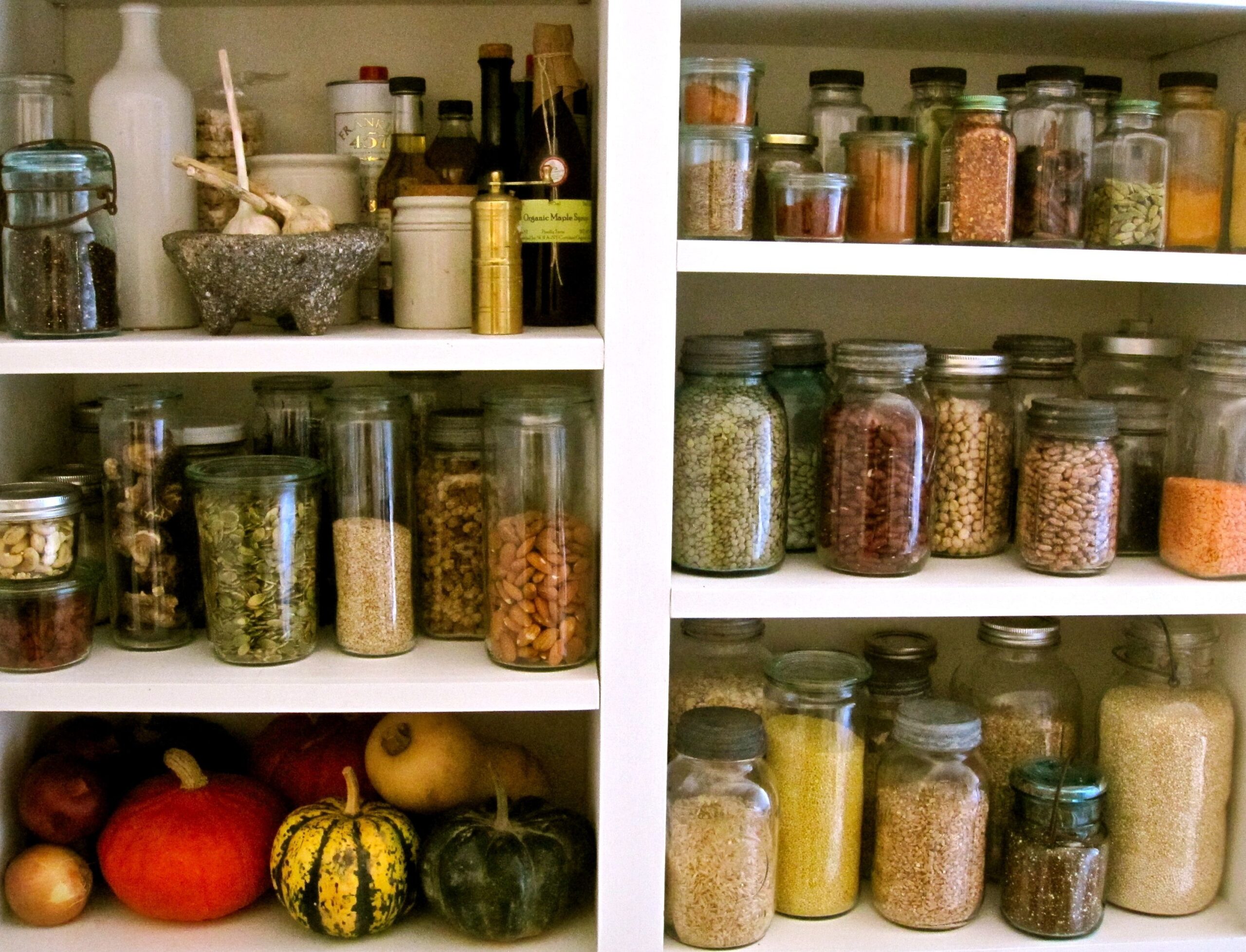
Five Reasons Why You’re Totally Crazy If You Aren’t Growing Your Own Food

(NaturalNews –  Mike Adams, the Health Ranger) As things get ever crazier in the world, there are more reasons than ever to grow at least some of your own food. In fact, I say you’re crazy if you don’t grow some food!

Here are five huge reasons why…

#1) With food prices skyrocketing, you’ll save money by growing your own

Have you priced organic romaine lettuce recently? Or beautiful red peppers? With food prices continuing to skyrocket, the economics of growing your own food make more sense than ever before.

Growing food costs almost nothing in terms of actual dollars — it’s the labor input that represents the greatest input cost. But with container gardening, square foot gardening, simple hydroponics systems and even countertop sprouting, growing your own food doesn’t have to be a labor-intensive activity. You don’t even need dirt or a yard to do simple things like grow window sill herbs or countertop sprouts (alfalfa, mung bean, chickpeas, clover, broccoli, etc.).

Ever better, the much higher nutritional value of home-grown food (compared to processed factory foods you buy at the grocery store) actually saves you money on long-term health care costs. By eating your way to good health, you are eliminating your future need to buy expensive prescription medications and undergo costly doctor visits (or hospital procedures).

It’s true: Growing your own food saves you money both today and tomorrow.

#2) The end of cheap water is making food more scarce and difficult to produce

The end of cheap, easy water is upon us. Thanks to extreme weather events and runaway drought conditions in food-producing states like California, underground water aquifers are being rapidly pumped dry.

The end game of all this isn’t difficult to see: Today’s food-producing hubs will become tomorrow’s Dust Bowl regions. Without cheap water, there is no cheap food. And as water becomes increasingly scarce, food will become increasingly expensive, vastly outpacing price inflation rate for other product categories.

In addition to water scarcity, modern mechanized monoculture (chemical agriculture) also destroys soils, rivers, trees and healthful microbes. There is no long-term sustainability of modern agricultural practices, which are focused on “poison and pillage for profit” rather than growing nutritious food to nurture a civilization toward a better future.

The era of scarce, expensive food has already begun. You’re witnessing its beginnings right now, and as the march of human agricultural destruction accelerates, real food is only going to become harder and harder to acquire.

#3) Home-grown food is far more nutritious and medicinal

Stated plainly, nearly all the food you buy at the grocery store is little more than a mere shadow of real food. Processed, packaged food provides empty calories and little else. Dairy products are almost universally homogenized and pasteurized, and even the fresh produce that claims to be “ripened on the vine” was actually cut from the plant — with the vine still attached — weeks before it reached its peak nutritional potency.

Even more, the soils in which these foods are grown are nutritionally depleted and utterly lacking any real quantities of trace minerals. When you buy food or produce at the grocery store, you’re mostly buying the illusion of food — which is also why you’re always hungry for more of it. It’s never satisfying because it doesn’t provide the real nutrition your body craves.

When you grow your own food in nutrient-rich soils, you are producing the world’s healthiest foods and medicines right at home. Every edible plant in the world naturally synthesizes its own medicines to keep itself alive (and free from infections). These medicines are at their peak when you harvest vegetables, fruits and herbs after they achieve full readiness… and that’s something grocery stores can never do because they have to pick everything prematurely to account for transportation and distribution time.

In terms of minerals, phytonutrients and natural medicines, home-grown food is the world’s best source for nutrients. That’s why home-grown fruits and veggies also taste better — your tongue is telling you the truth about real food!

#4) Growing your own food strengthens your self-reliance and preparedness

You probably already know our world is headed for some extraordinary challenges ahead. Political strife, social chaos, weather radicalization and even prospects of war are all very real risks throughout the world. When regions are destabilized, food supplies are almost immediately wiped out or seriously disrupted.

Having the ability to grow your own food provides protection from the unexpected. While riots or war can wreak havoc on supplies of traditional grocery store foods, they usually have no negative effect at all on home gardens and a home food supply. Even better, if you’ve practiced the skills of growing food, harvesting food, saving seeds and nurturing healthy soils, those skills are immediately applicable no matter what scenario comes your way.

Ask yourself this question: If the food trucks stop delivering to the grocery stores, would you rather find yourself standing in a government food line, or popping open a jar of home-canned salsa that you grew yourself? Care to guess which food is healthier?

#5) When you can produce your own food, you can’t be easily controlled by others

The real danger of being entirely dependent on government for emergency food supplies is that you will simultaneously have to obey the government’s unreasonable demands. Depending on the circumstances, those demands might include giving up your tools of self defense, surrendering your personal property or even abandoning your own home and being relocated to a refugee camp of some sort.

Throughout world history, food has often been used as a weapon against the People. Even today, every dictator knows that the easiest way to control the people is to first control the food. (Just ask anyone who hasn’t yet starved to death in North Korea…)

In the days of ancient Rome, raiding forces are rumored to sometimes punish a conquered land by plowing the soils with salt, destroying the ability of that land to produce food. [1] This would make the conquered region beholden to the victor for food. Remember: He who controls the food controls the people.

The U.S. government increasingly criminalizes home food production

Growing your own food is one of the greatest expressions of freedom and liberty. This is precisely why governments across the United States frequently seek to criminalize those who engage in home gardening, small-scale farming or raw milk production.

Julie Bass of Oak Park, Michigan, for example, was threatened with jail time for growing vegetables in her front yard. Read about my interview with Julie Bass at this Natural News article.

Similarly, in 2012 the government of Tulsa, Oklahoma, deliberately destroyed the herb garden of a woman named Denise Morrison. Their goal? To make sure private citizens cannot independently produce their own food and natural medicine.

Government officials in both the USA and Canada have also frequently conducted armed raids on indoor vegetable grow operations, destroying indoor cucumber farms and terrorizing innocent families. As Natural News previously reported:

…the Harte family of Leawood, Kansas, was literally held hostage at gunpoint by law enforcement goons who ravaged their house and tore apart hydroponic growing equipment that they falsely believed to be part of a nonexistent marijuana grow operation in the family’s basement.

Just this year, another SWAT-style police raid on a home garden was conducted in Georgia, where law enforcement officers are apparently too stupid to know the difference between okra and marijuana. In a televised interview, Georgia State Patrol Capt. Kermit Stoke literally said on camera: “We’ve not been able to identify it as of yet. But it did have quite a number of characteristics that were similar to a cannabis plant.” (Seriously? People who live in Georgia don’t know what okra looks like?)

One of the red flags of knowing you’re living in a police state tyranny, in fact, is when government criminalizes home gardens and conducts armed raids on vegetable growers. That day has already arrived in America, where being arrested as a “criminal” only requires that you attempt to grow your own nutritious garden vegetables. And that’s all the more reason to grow them anyway… in defiance of the government insanity that seeks to jail home gardeners and force everyone to eat processed factory foods that promote disease and cognitive decline.

Learn how to grow your own food with these resources

Geoff Lawton teaches permaculture
www.GeoffLawton.com

Marjory Wildcraft shows you how to “Grow Your Own Groceries”
www.MarjoryWildcraft.com

The Square Foot Gardening Foundation:
www.squarefootgardening.org

Sources for this article include:
[1] http://www.dl.ket.org/latin2/historia/republ…
[2] http://www.naturalnews.com/047360_marijuana_…
[3] http://www.naturalnews.com/044529_armed_raid…
[4] http://www.naturalnews.com/036234_edible_lan…

Seven Affordable, Nutrient-Dense Foods to Stockpile For Survival

(NaturalNews – Jonathan Benson) As the stability of both the nation and the world becomes increasingly more precarious and uncertain, stocking up on long-term food supplies that will keep you and your family nourished in the event of a major supply chain disruption is more important than ever. To help make sure you are prepared for the unknown, here are seven affordable, nutrient-dense foods that are worth stocking up on for long-term survival:

1) Raw almonds, almond butter. Though they are somewhat difficult to find since the Almond Board of California decided in 2007 to mandate that all domestic almonds be pasteurized, seeking out truly raw almonds for long-term storage is a good bet for survival. When vacuum-sealed in dry form, almonds can be stored for many months in the refrigerator or freezer, providing you with instant access to one of the best plant-based sources of protein, healthy fats, and immune-boosting nutrients.

Almond butter is an excellent long-term survival food as well, as vacuum-sealed jars of almond butter can last on the shelf for nine months or even longer, and for up to three months after being opened. The Gourmet Survivalist has created a very helpful page on long-term storage options for both almonds and almond butter.

2) Brown rice. When most people think of long-term storage foods, the quintessential beans and rice probably come to mind, as both of these foods last an incredibly long time when stored dry. Though it will not last as long as white rice, brown rice is a complete food that will provide real nourishment in the event that the food supply becomes disrupted. When stored in dry-sealed containers, brown rice stays fresh for around five years, and potentially even longer, without going rancid, which is why storable superfood companies like StorableOrganics.com include it in their kits.

3) Chia, hemp, and other “superfood” seeds. An absolutely essential food category you will want to keep handy in anticipation of social upheaval are superfood seeds. Chia, hemp, and various other varieties of superfood seeds will last several years on the shelf without going rancid. Chia seeds in particular are an excellent survival food, as they are loaded with complete protein, omega-3 fatty acids, and a host of vitamins, minerals, and other nutrients. And even more impressive is the fact that chia seeds can very easily be added to water or other liquids to almost instantly maximize their nutrient bioavailability. Organic chia seed is available at the Natural News Store.

4) Fresh, unwashed farm eggs. It may come as a surprise to some to see eggs on this list, but fresh, unwashed eggs obtained directly from a farm or from backyard chickens possess a unique outer coating that will actually keep them fresh for up to a year when stored in the refrigerator. This outer coating, known as a bloom, will even protect eggs from spoilage and contamination for up to three months when stored at room temperature, which means rotating a steady supply of fresh eggs and always having new ones on hand is a great way to ensure access to eggs in the event of food shortages.

5) Carrots. Carrots are somewhat similar, in that they can be stored somewhat long-term when unwashed and covered with sand or mulch, which act as a type of earth-based “bloom.” According to Sweetwater Organic Farm, carrots stored in this manner in dark, cool, and well-ventilated areas will last for up to five or six months, ensuring the availability of fresh, nutrient-dense produce no matter how limited the food supply becomes on a societal scale. Carrots can also be stored in the freezer for up to a year when peeled, cut, and blanched.

6) Apples. Like carrots, apples can be stored for many months as well, if properly prepared. Tart, thick-skinned, unwashed apple varieties can last for many months when wrapped individually in newspaper and stored in cardboard boxes. Apples, as well as a host of other fruits, can also be cut up, dried, and vacuum-sealed for long-term storage.

7) Quinoa. The grain-like superfood food quinoa, which contains a roughly 14 percent protein content, will serve you and your family well in the event of an emergency. Easily reconstituted with water, quinoa in dried form will last an astounding 25 years or more, which makes it an excellent long-term storage food. And since it is considered a complete food, bearing all the essential amino acids and an impressive fatty acid profile, quinoa is a near-perfect survival food for providing both sustenance and balanced nutrition, even when other food options have run dry.

Beetroot Juice Improves Athletic Performance and Cardiovascular Health

(NaturalNews – David Gutierrez) Many studies have shown that beetroot juice can improve athletic performance. Now, a study conducted by scientists at Kansas State University and published in the Journal of Nitric Oxide, Biology and Chemistry has shown that the beverage could also provide an important quality of life boost to people suffering from heart failure.

“Remember, for every one football player in the United States, there are many thousands of heart failure patients that would benefit from this therapy,” researcher David Poole said. “It’s a big deal because even if you can only increase oxygen delivery by 10 percent, that can be the difference between a patient being wheelchair-bound versus getting up and walking around and interacting with his or her family.”

Improves patients’ ability to exercise

Prior research by the same team, published in the journal Physiology in 2013, showed that due to its high nitrate content, beetroot juice increases blood flow to skeletal muscles that are engaged in exercise. This, in turn, increases the oxygen flow to those muscles.

In the new study, the researchers found that, after drinking beetroot juice, participants experienced a 38 percent increase in blood flow to their skeletal muscles while exercising. Significantly, blood flow increased most to the fast-twitch muscles that are used for explosive running. These muscles are typically less oxygenated than other skeletal muscles.

The increased oxygen flow would be enough to significantly improve quality of life in heart failure patients, the researchers said.

“Heart failure is a disease where oxygen delivery to particular tissues, especially working skeletal muscles, is impaired, decreasing the capacity to move the arms or legs and be physically active,” Poole said.

By enabling heart failure patients to get more exercise, beetroot juice could be the first step in producing deeper, more permanent health improvements.

“The best therapy for these patients is getting up and moving around,” Poole said. “However, that is often difficult. Increasing the oxygen delivery to these muscles through beetroot can provide a therapeutic avenue to improve the quality of life for these patients.”

The researchers have already begun a clinical trial to directly test the effects of beetroot juice in heart failure patients. The research is being conducted in collaboration with the University of Exeter and is funded by the National Institutes of Health.

Increases athletic speed, stamina and power

Why does beetroot juice have such a dramatic effect on blood flow? The answer lies in the drink’s high concentration of a chemical known as nitrate. Indeed, just 70 milliliters of beetroot juice contains as much nitrate as 100 grams of spinach.

In the body, nitrate is transformed into nitrite, which has been shown to help protect blood vessels from injury. The nitrite is eventually transformed into nitric oxide, which dilates blood vessels and thereby increases blood flow. Because more oxygen is delivered to muscle cells, these cells are therefore able to produce more power and perform for longer without tiring.

Beetroot juice has been shown to increase both speed and endurance in athletes. For example, one study found that athletes who drank beetroot juice used 19 percent less oxygen and performed for 17 percent longer. Another, published in the journal Medicine & Science in Sports & Exercise in 2011, found that cyclists who drank beetroot juice completed a track faster than cyclists given a placebo. A pair of similar studies, conducted by researchers from Maastricht University Medical Centre in the Netherlands and published in the International Journal of Sport Nutrition and Exercise Metabolism in 2012, found that consumption of beetroot juice improved not just the cyclists’ speed but also their power output.

Sources: 
http://www.k-state.edu
http://www.ncbi.nlm.nih.gov
http://www.naturalnews.com
http://science.naturalnews.com

Big Food Giants Like General Mills and PepsiCo Hijack Yogurt Industry

(NaturalNews – Julie Wilson) What used to be one of America’s go-to foods for a quick, healthy snack has been hijacked by Big Food and replaced with a product containing so many unhealthy, synthetic ingredients that critics say it’s lost its identity.

Yogurt in its traditional form is a rich source of essential minerals, vitamins and probiotics, and is thought to boost gastrointestinal health and aid with digestion. However, with today’s food industry jumping on the organic bandwagon, there are now more unhealthy brands of yogurt (many of which probably shouldn’t even be called yogurt) on store shelves than ever before.

Luckily for the consumer, Wisconsin-based food and farm policy research group The Cornucopia Institute has kept a close eye on the evolving market of yogurt, tracking and identifying which brands to buy and which ones to avoid.

Released in November, their latest project, entitled Culture Wars: How the Food Giants Turned Yogurt, a Health Food, into Junk Food, not only includes a comprehensive report[PDF] on the yogurt industry but a scorecard rating 114 brands, separating the healthy and unhealthy choices.

The report “alleges that agribusiness, in their marketing approach, has capitalized on yogurt’s historic, well-deserved healthful reputation while simultaneously adulterating the product, sometimes illegally, to gain competitive advantage and popular appeal.”

Food giants like General Mills (Yoplait), Groupe Danone (Dannon), Walmart and PepsiCo have hijacked the healthy food industry through products like yogurt, marketing them as healthy when in reality they’re anything but.

Carrageenan, artificial sweeteners, added sugars, added artificial coloring, added artificial flavors, synthetic nutrients and milk protein concentrate are just a few of the ingredients to watch out for when buying yogurt.

Candy bars and Food Big yogurt brands have equivalent sugar content

Testing by Cornucopia found that some brands of flavored yogurts, such as strawberry or blueberry, actually contain NO real fruit and have so much sugar that they’re comparable to candy bars! The most disturbing part about this is that many yogurts are marketed to children as a “healthy” alternative.

Many non-organic yogurts use artificial sweeteners such as aspartame, which has been attributed to brain tumors and neurological disease in laboratory animals, and sucralose, which has actually been shown to kill beneficial gut microflora. There’s also a strong correlation between non-caloric artificial sweeteners and obesity.

“What is most egregious about our findings,” said Mark A. Kastel, codirector of the research group, “is the marketing employed by many of the largest agribusinesses selling junk food masquerading as health food, mostly aimed at moms, who are hoping to provide their children an alternative, a more nutritious snack. In some cases, they might as well be serving their children soda pop or a candy bar with a glass of milk on the side.”

Research group asks FDA to enforce legal definition of “yogurt” on product labeling

Based on its recent findings, Cornucopia filed a complaint with the Food and Drug Administration asking the agency to investigate whether or not store brands like Walmart’s Great Value violate the legal standard of identity for products labeled as “yogurt.”

“The reason that Kraft has to call Velveeta® ‘processed cheese-food’ is that some of the ingredients used, like vegetable oil, cannot legally be in a product marketed as ‘cheese,'” Kastel explained.

Another controversial ingredient being used in Big Food-branded yogurts is milk protein concentrate (MPC), an ingredient used to increase protein levels and improve texture. Cornucopia alleges that some manufacturers are importing MPC from countries like India, which do not meet yogurt’s current legal standard of identity.

The healthiest choices on Cornucopia’s Buyer’s Guide include yogurts with a short list of ingredients, including organic milk and live cultures — with limited amounts of added organic fruit or unrefined sweeteners like maple syrup.

Sources:
http://www.cornucopia.org
http://www.cornucopia.org[PDF]
http://www.ncbi.nlm.nih.gov[PDF]
http://www.naturalnews.com
http://www.cornucopia.org[PDF]