
The Health Benefits of Gotu Kola

Gotu kola is a medicinal herb that has tremendous healing properties that are known to benefit a wide variety of ailments. Gotu kola is rich in vitamins A, C, & B-complex as well as minerals such as silicon, selenium, calcium, magnesium, and iron.

Gotu kola is one of the premier herbs for neurological disorders including dementia, bell’s palsy, epilepsy, parkinson’s disease, bipolar disorder, tremors, guillain-barre syndrome, tourette syndrome, and narcolepsy. It also functions as a brain tonic and energy booster and has been shown to significantly improve cognitive skills while reducing brain fog and forgetfulness. Gotu kola is an adaptogenic herb which makes it excellent for strengthening the adrenal glands and preventing stress related illnesses such as headaches, exhaustion, insomnia, and indigestion.

Gotu kola functions well as a blood cleanser and is known to help improve the circulatory, digestive, and lymphatic systems. It is also known to relieve high blood pressure and is particularly beneficial for hepatitis, urinary tract infections, heart disease, venereal diseases, multiple sclerosis, and rheumatoid arthritis. Gotu kola contains triterpenoid compounds that can help to strengthen the walls of blood vessels, veins, and capillaries which significantly improves blood flow and circulation. These abilities make it an effective remedy for varicose veins, leg cramps, ulcers, retinopathy, hemorrhoids, and chronic tingling of the arms & legs.

Topically, gotu kola has shown to be effective for skin ailments such as psoriasis, acne, eczema, bed sores, wounds, cellulite, postoperative scars, and even leprosy. Gotu kola can be found in tea, tincture, extract, capsule, and cream form online or at your local health food store.

 

The Health Benefits of Bell Peppers

Bell peppers contain an impressive amount of vitamin C with up to as much as six times as oranges. Bell peppers are also packed with vitamin A and beta carotene which can help boost the immune system, improve vision, and help protect the eyes against cataracts.

Bell peppers are also an excellent source of potassium, fiber, thiamine, beta carotene, folic acid, zeaxanthin, and lycopene and have been shown to help prevent blood clot formation and reduce the risk of heart attacks and strokes.

They are excellent for helping to lower cholesterol levels and they contain anti-cancer compounds that can help lower the risk of prostate, breast, lung, and colon cancer. Bell peppers are highly beneficial for the brain and can help to strengthen memory and concentration skills as well as reduce brain fog and confusion. Bell peppers are an ideal weight loss food as their fiber helps to curb the appetite while helping to keep you energized throughout the day. Green bell peppers are technically an “unripe” pepper.

Even though green peppers are edible, the red, orange, and yellow bell peppers contain significantly higher levels of vitamins, mineral, and antioxidants.

Bell peppers are so sweet, crunchy, and juicy that they are a perfect snack to munch on and are a fantastic addition to salads, wraps, nori rolls, hummus, and dips. They are also great juiced, steamed, sauteed, and stuffed. Try making a raw soup by blending red bell peppers and tomatoes together with a clove of garlic, a few leaves of fresh basil, and chopped scallions and avocado on top.

It is a refreshing, light, nutrient packed meal that can nourish your body and keep your immune system functioning strong. Also experiment with the deliciously sweet orange bell pepper which is a favorite among kids and adults alike. Bell peppers can be found at your local grocery and health food store. Choose organic for its health promoting properties whenever possible.


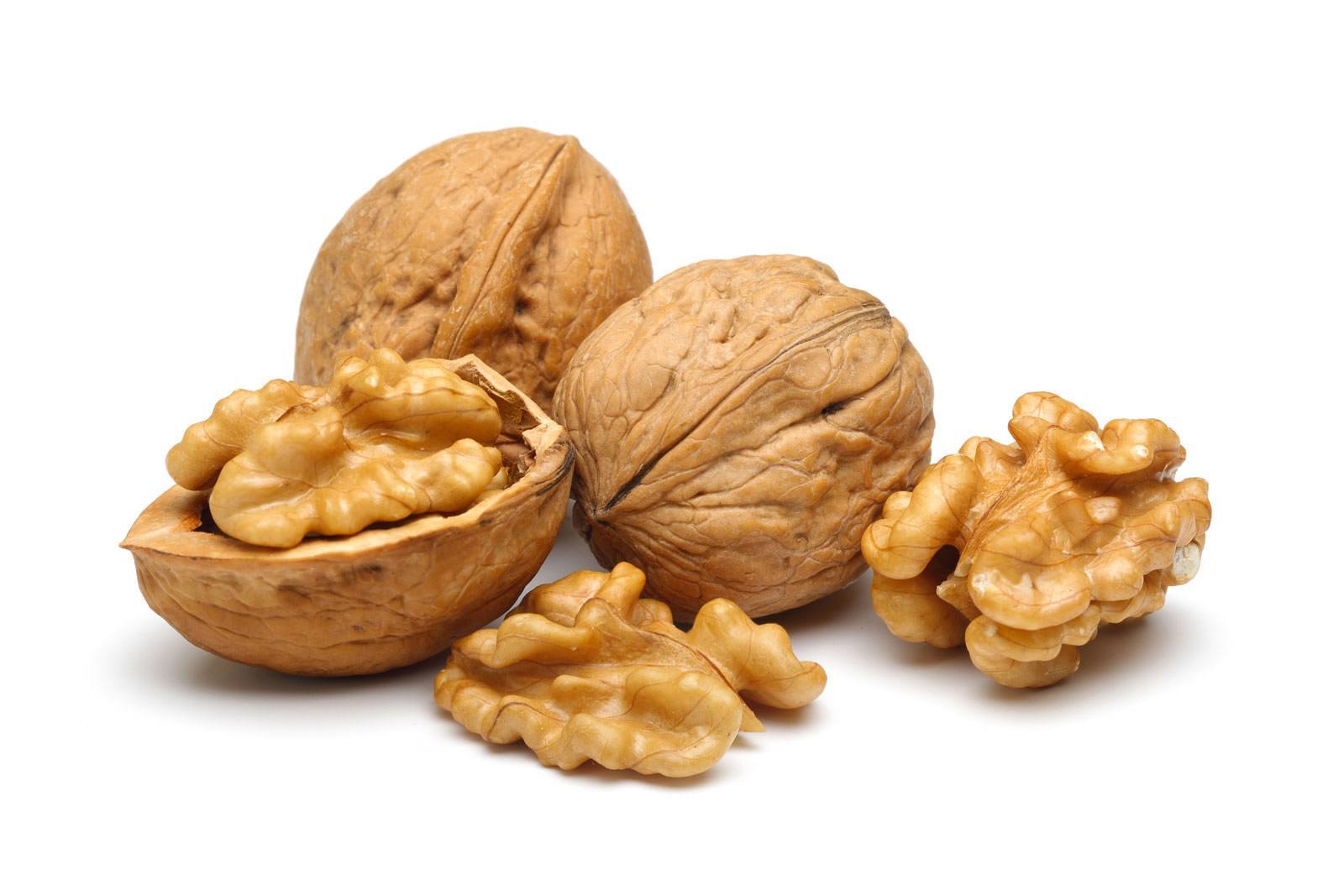
The Health Benefits of Walnuts

Walnuts are one of the most antioxidant rich foods and are an excellent source of omega-3 fatty acids which have anti-inflammatory properties and are known to help prevent strokes, diabetes, coronary artery disease, and colon, prostate, and breast cancers.

Walnuts are also high in B-complex vitamins and minerals such as copper, iron, manganese, zinc, calcium, and selenium. Walnuts are particularly beneficial for cognitive health and are generally regarded as an excellent “brain food”. Walnuts can also calm the nervous system and increase your sense of well being and peace. They are known to satiate the appetite as well as aid in long term weight loss. Walnuts are high in vitamin E which helps to keeps cells protected from free radical damage. Walnuts are also very important for the neurological and circulatory systems and can help to benefit neuropathy, cerebral palsy, dementia, raynaud’s disease, and atherosclerosis.

Walnut oil is a wonderful moisturizer for the skin and is regularly used in skin care products for its healing and protective benefits. Try mashing a few ripe bananas and sprinkling chopped walnuts on top for a energy and brain boosting breakfast. Only a handful of walnuts a day are needed to receive their powerful health benefits.


The Health Benefits of Watercress

Watercress is a green leafy vegetable that is very rich in vitamins A, C, K and beta carotene and minerals such as calcium, magnesium, copper, and potassium. It contains high levels of iodine which is beneficial for both the thyroid and immune system.

Watercress also has antibiotic properties similar to those in the onion family which also gives it a spicy flavor and kick. It has the ability to help in breaking up kidney or bladder stones and is one of the best foods for purifying the blood and aiding in removing mucus from the body. Watercress is especially good for helping to prevent osteoporosis, anemia, cardiovascular diseases, muscular and skeletal problems, eye degeneration, and memory issues. It contains a special compound called Gluconasturtiin which is believed to help prevent colon, breast, and prostate cancers.

Watercress is excellent freshly juiced with celery, cucumber, and apple. It is also delicious in salads, soups, or stews, and can be steamed like spinach. Watercress can also be made into an herbal tea by pouring boiling water over a handful of greens and allowing to steep for 15 minutes or more. Fresh watercress can also be crushed and applied to the skin to help relieve eczema, psoriasis, acne, and other skin irritations and infections. Watercress is typically found in most supermarkets and health food stores near the lettuce in the produce section.


The Health Benefits of Winter Squash

Winter Squash is a highly nutritious and alkaline food which rich in phytonutrients and antioxidants. Varieties of Winter Squash include Butternut, Acorn, Delicata, Kabocha, Kuri, Buttercup, Spaghetti, Hubbard, Golden Nugget, and Sweet Dumpling. Each one is unique. Have some fun trying the different varieties and finding the ones that you love most.

Winter Squash is easy to digest and is an excellent remedy for acidosis and conditions of the stomach, spleen, liver, and blood. It is wonderfully high in Vitamins A, E, C, B-complex, and beta carotene, iron, zinc, copper, calcium, and potassium which are vital for a healthy and strong immune and nervous system. The carotenoids are especially beneficial for protection against heart disease, breast cancer, and macular degeneration. Winter Squash is also known to help reduce inflammation which is excellent for conditions such as asthma, fibromyalgia, and arthritis. Winter Squash is a low in calorie, fat-free food, yet it is rich in nutrients making it an ideal choice for any weight loss or nutritional program.

Winter Squash can be eaten savory with spices such as black pepper, curry powder, or chili pepper, or it can be sweetened with a touch of maple syrup or honey with spices such as cinnamon and nutmeg for a delicious treat. It’s creamy and comforting qualities can help satisfy a variety of cravings while still properly nourishing the body and soul. Winter Squash can be steamed, baked, roasted, mashed like potatoes, or blended into a soup. The seeds of winter squash are also edible and can be dried or roasted similarly to pumpkin seeds and are rich in protein, vitamins, minerals, and amino acids such as tryptophan which helps to promote a healthy night’s sleep.