Heartburn Drugs Increase Mortality — How to Safely Address Indigestion

(Dr. Mercola) If you suffer from frequent heartburn, chances are you’ve been prescribed a proton pump inhibitor(PPIs) such as Prilosec, Prevacid or Nexium to inhibit acid production. This, despite the fact they were never intended to treat heartburn in the first place.

PPI drugs were originally designed to treat a very limited range of severe problems,1 including bleeding ulcers, Zollinger-Ellison syndrome (a rare condition in which tumors in the pancreas cause your stomach to produce excess acid) and severe acid reflux concomitant with esophageal damage. But that hasn’t stopped them from becoming the go-to solution for everyday indigestion.

Research clearly shows PPIs are outrageously overprescribed and misused, and do far more harm than good.2,3,4,5,6,7 There are many alternative treatment strategies that can help ease this painful problem without the serious side effects associated with PPIs, which include kidney disease, pneumonia, osteoporosis, hip fractures, dementia and an increased risk for heart disease,8 heart attacks9 and premature death.10

The long-term answer to heartburn and acid indigestion is to restore your natural gastric balance and function. The most important step is to eat real food, as processed foods and sugars are a surefire way to exacerbate acid reflux. Reseeding your gut with beneficial bacteria, either from traditionally fermented foods or a high-quality probiotic supplement, is also important. Aside from that, there are a number of natural substances that can help address the root of the problem.

What Causes Heartburn?

Digestion of food begins in your mouth as the food is broken into smaller pieces and mixed with saliva before traveling down your esophagus and into your stomach. Once in your stomach, the food mixes with hydrochloric acid, which is required to break the food down into even smaller pieces from which your small intestines can extract nutrients.11

Heartburn, also referred to as acid reflux, gastroesophageal reflux disease (GERD) or peptic ulcer disease, is characterized by a burning sensation originating behind your breastbone, sometimes traveling up into your throat. In some cases, this burning pain can be severe enough to be mistaken for a heart attack.

When food passes through your esophagus into your stomach, a muscular valve called the lower esophageal sphincter (LES) closes, preventing food or acid from moving back up. The painful effect associated with heartburn occurs when the LES relaxes inappropriately, allowing acid from your stomach to reflux backward into your esophagus and burn tissue that cannot withstand the low pH of the acid.

While the conventional rationale states that this reflux is caused by excessive amounts of acid in your stomach, that’s actually an extremely rare situation, typically occurring only if you have the rare disease known as Zollinger-Ellison syndrome. Instead, the vast majority of acid reflux cases are related to one or more of the following:

Insufficient amounts of stomach acid.12

Helicobacter pylori (H. pylori) imbalance. One of the explanations for why suppressing stomach acid is so ineffective — and there are over 16,000 articles in the medical literature attesting to this — is that when you decrease the amount of acid in your stomach, you suppress your body’s ability to kill the helicobacter bacteria.

While H. pylori can be part of your normal healthy microbiome, it can cause problems, including symptoms of acid reflux, if there’s an overgrowth of it. This typically occurs as a result of a poor diet. Taking a betaine hydrochloric supplement (available in health food stores without prescription) will not only improve digestion but will also help kill the helicobacter, thereby normalizing your symptoms.

Hiatal hernia.13 If you have a hiatal hernia, physical therapy on the area may work, and many chiropractors are skilled in this adjustment.

Food allergies can also be a contributing factor to acid reflux, so eliminate common culprits such as caffeine, alcohol, and nicotine.

Related: Candida, Gut Flora, Allergies, and Disease

Is It Acid Reflux or Gallbladder Disease?

Acid reflux can also imitate symptoms of gallbladder disease.14 Your gallbladder is located beneath your liver on the right side of your abdomen. Pain stemming from your gallbladder is typically felt just under your lower ribs on the right side, and/or in the pit of your stomach. Depending on the severity of your problem, the pain can radiate into your upper back on the right side, your chest or even your shoulder.

While heartburn will typically occur right after a meal and tends to get worse if you lie down, gallbladder pain usually sets in several hours after eating and gets worse on the in-breath. For proper diagnosis, your doctor may need to do an ultrasound on your gallbladder or other tests.

Important Considerations If You’ve Had Your Gallbladder Removed

Over 700,000 people have their gallbladder removed every year in the United States. If you happen to be one of them, it is important to realize that your gallbladder stores bile, which helps you digest and emulsify the fat you eat. If you’ve had your gallbladder removed, it’s really important to take ox bile, lipase or pancreatin — digestive enzymes that digest fat — anytime you eat a meal containing fats.15,16

Your gallbladder holds and excretes bile produced in your liver, and this bile contains the necessary enzymes to digest fats. Common signs and symptoms that your body is not digesting fats well include diarrhea, loose stools, light-colored or pale stools, bloating, nausea and indigestion after a meal.

Certain fatty foods (such as steaks or salmon) tend to be more problematic than others, but for proper digestion and absorption of fat-soluble nutrients, you really need to take a lipase or ox bile supplement with each meal. To learn more, see “Five Important Tips If You’ve Had Your Gallbladder Removed.”

Simple Test to Evaluate Your Stomach Acid Level

A simple test can be used to determine if your stomach acid level is low, and this knowledge will help you develop a plan to reduce your chronic pain. This simple test is a rough indicator of how much acid your stomach produces:

1.Mix 1 teaspoon of baking soda in 8 ounces of cold water and drink it first thing in the morning, before eating or drinking anything. The combination of baking soda and hydrochloric acid in your stomach creates carbon dioxide gas, causing you to belch.17

2.Time yourself for up to five minutes for how long it takes you to form enough gas in your stomach to belch. Belching in two to three minutes is normal; earlier and repeated belching indicates an excess of acid. If you don’t belch after five minutes, you likely don’t produce enough acid.

More accurate testing involves taking a stool sample to determine whether you might have an enzyme and/or hydrochloric acid deficiency.18 It could also identify bacterial or fungal imbalances that might contribute to your condition. If you aren’t making enough stomach acid you can take a betaine HCL with pepsin supplement. Start with one or two tablets and work your way up to around five or seven with each large meal, but make sure you don’t have any burning in your stomach. If you do, you’re taking too much.

The Problem With PPIs

PPIs inhibit the proton pump that produces hydrochloric acid. However, excess stomach acid is rarely the primary trigger of heartburn and indigestion. On the contrary, heartburn is typically indicative of insufficient amounts of hydrochloric acid. If your acid levels are low, PPIs will exacerbate the problem by decreasing acid further.

And, since hydrochloric acid (and pepsin) are necessary to break down protein in your intestinal tract, reducing acid can alter your body’s ability to absorb nutrients. Without adequate protein breakdown, you also increase your risk of dysbiosis,19 an imbalance in gut microbiome between harmful and friendly bacteria.

As these undigested protein molecules ferment in your intestines, they become food for pathogens such as H. pylori, C. difficile and Candida. An overgrowth of these bacteria may also lead to leaky gut and associated health problems. A recent study20 confirmed this risk. Compared to those not taking PPIs, participants who did had a 1.7 to 3.7 times increased risk of developing C. difficile or Campylobacter infection.

Although both of these bacteria trigger abdominal pain and diarrhea, C. difficile tends to be the more serious of the two. According to the Centers for Disease Control and Prevention (CDC), an estimated 29,000 Americans die from C. difficile infection each year.21 A meta-analysis22 looking at studies published between 1990 and 2010 also found a significant link between C. difficile infection and PPI use.

PPIs Associated With Increased Risk of Dementia

Research has linked PPIs to a number of other devastating health effects as well, including dementia. Disturbingly, cognitive changes can occur even with short-term use. In one study,23 PPIs were found to cause statistically and clinically significant impairments in the participants’ executive functions, visual memory and planning function after just one week of use.

According to research24,25,26 published in JAMA Neurology, seniors over the age of 75 who use PPIs on a regular basis had a 44 percent increased risk of dementia compared with non-users. Men were at greater risk, raising their dementia risk on average by 52 percent, compared to 42 percent for women.

One characteristic of dementia is the accumulation of beta-amyloid plaques in the brain that provoke inflammation and ultimately kill brain cells. There is now strong scientific evidence that PPIs not only increase production of beta-amyloid plaques in the brain, but slow your body’s ability to eliminate them as well.27,28,29 Two other studies concluded those taking PPIs were at greater risk of developing Alzheimer’s disease.30,31

Related: How to Improve Brain Health and Reduce the Risk of Alzheimer’s

PPIs Raise Your Risk of Heart Attack and Premature Death

Research has also linked long-term PPI use to an increased risk for heart disease32 and heart attacks — even if you have no prior history of cardiovascular disease.33,34 In one study,35 patients with GERD who took PPIs had a 16 percent increased risk of heart attack, and a two-fold increased risk of cardiovascular mortality.

The reason for this effect is thought to be due to the drug reducing nitric oxide (NO) in your blood vessel walls. NO relaxes your blood vessels, so by reducing the amount of NO, PPIs may raise your risk of a heart attack. Recent research also found PPI users were nearly 20 percent more likely to die from any cause compared to nonusers over the course of six years, and the longer the use, the greater the risk.36,37,38,39 As reported by Reuters:40

“The most likely explanation for the increased mortality risk is the side effects associated with PPIs … In terms of the mechanisms that could be involved … laboratory experiments have shown that lysosomes — tiny organs within cells that act like garbage disposals to get rid of waste — don’t function well in people taking PPIs. Other research has shown that PPIs may shorten the protective chromosome ends known as telomeres, in effect speeding up cell aging.”

Other Health Hazards Associated With PPI Use

Studies have also linked PPIs to the development of chronic kidney disease,41 increased risk of bone fractures42,43 and vitamin B12 deficiency, which in turn may lead to anemia, nerve damage, psychiatric problems and dementia. Researchers at Houston Methodist Hospital think they’ve discovered one of the reasons why PPIs can have such devastating effects on your brain, kidneys and other systems.

When different cells were grown in culture and exposed to PPIs, cells that line blood vessels demonstrated significant change.44 PPIs are taken orally and affect the proton pump in more than just your stomach walls. Blood vessels also produce small amounts of acid to break down and eliminate damaged protein molecules. When acid levels drop, microscopic debris begins to build up on the arterial walls, resulting in problems where many blood vessels are found, such as your brain, heart and kidneys.

Lead author Dr. John Cooke, chair of cardiovascular disease research at Houston Methodist Research Institute, noted:45 “I’m perplexed that the pharmaceutical industry didn’t run across this first. This is something that should have been apparent a long time ago and should have been investigated.”

How to Properly Wean Yourself Off PPIs

If you’re currently taking a PPI, do NOT quit cold turkey. Doing so can result in severe rebound effects known as rebound acid hypersecretion. It’s important to spend time detoxifying and eliminating the drug from your system. To do that, you need to gradually wean yourself off the drug.

Once you’re down to the lowest dose, start substituting with an over-the-counter H2 blocker, like Cimetidine, Zantac, Ranitidine or Tagamet. Once you’ve been taking the H2 blocker for a couple of weeks, you may start weaning yourself off these drugs as well, while introducing the alternative options to reduce your heartburn outlined below.

How to Heal GERD and Avoid Heartburn

One simple strategy to address a hydrochloric acid deficiency is to swap out processed table salt for an unprocessed version like Himalayan salt. By consuming enough of the raw material, you will encourage your body to make sufficient amounts of stomach acid naturally. Research46 has also shown that sauerkraut or cabbage juice is among the strongest stimulants for your body to produce stomach acid.

It will also provide you with valuable bacteria to help balance and nourish your gut. Having a few teaspoons of fermented cabbage juice from sauerkraut before your meal will do wonders to improve your digestion. Fresh, raw cabbage juice can also be very useful to heal resistant ulcers. To restore your natural gastric balance and function, also be sure to eat lots of vegetables and other high-quality, ideally organic, unprocessed foods.

Reseeding your gut with beneficial bacteria, either from traditionally fermented foods or a high-quality probiotic supplement is also important, as this will not only help balance your bowel flora, but can also help eliminate helicobacter bacteria naturally. Probiotics and fermented foods, especially fermented vegetables, also aid in proper digestion and assimilation of your food.

Also, beware of lectin-rich foods such as grains and legumes, as lectins are potent enzyme inhibitors.47,48 By inhibiting digestive enzymes, your digestive system will not function properly and foods will not be broken down, thereby producing or exacerbating heartburn.

Among the most problematic lectin-containing foods are wheat and other seeds of the grass family, any dairy that has A1 casein protein, beans, soy and other legumes, peanuts and members of the nightshade family such as eggplants, potatoes, tomatoes, and peppers. Grains and legumes such as black beans, soybeans, lima beans, kidney beans and lentils contain the highest amounts of lectin.

It is also crucial to avoid eating processed foods as much as possible. Be sure to concentrate on eating real foods as that is one of the most powerful strategies you have to activate biological homeostasis in your gut.

Related: Probiotics, Bacteria, and Our Health

Effective Alternatives to Treat Heartburn, GERD, and Indigestion

Other helpful strategies to get your heartburn under control include the following suggestions, drawn from a variety of sources.49,50,51,52,53

Raw, unfiltered apple cider vinegar

Acid reflux typically results from having too little acid in your stomach. You can easily improve the acid content of your stomach by taking 1 tablespoon of raw unfiltered apple cider vinegar in a large glass of water.

Betaine hydrochloric acid with pepsin

Another option is to take a betaine hydrochloric supplement with pepsin.54,55 Typically, you only need a betaine supplement with meals containing protein.

You’ll want to take as many as you need to get the slightest burning sensation and then decrease by one capsule. This will improve digestion and help kill the H. pylori bacteria. As a general dosing guideline, an effective adult dose is typically five to seven capsules containing 650 milligrams (mg) of betaine with pepsin.

The only time a pepsin-free betaine supplement is recommended is when you’re sensitive to pepsin. That’s rare, however, and without pepsin the betaine will not work well, because if your stomach does not produce enough hydrochloric acid, it also will not make sufficient amounts of pepsin (the enzyme that breaks down proteins).

According to Dr. Jonathan Wright, betaine is contraindicated if you’re taking any kind of anti-inflammatory medication, such as corticosteroids, aspirin, Indocin, ibuprofen or other NSAIDs.56

The reason for this is because these drugs can damage your gastrointestinal lining. Taking a hydrochloric acid supplement can aggravate the area, raising your risk of gastric bleeding or an ulcer.57 Digestive bitters may be a safer choice in this case.

Papaya fruit or papain supplement

Papaya fruit contains papain, an enzyme that helps break down both protein and carbohydrates. It even helps break down gluten, making it particularly valuable for those struggling with gluten sensitivity.58

Pineapple or bromelain supplement

Bromelain is a proteolytic enzyme found in pineapple, and like papain, it also helps digest proteins. It also has anti-inflammatory activity and helps maintain more regular bowel movements.59

Baking soda

One-half to 1 full teaspoon of baking soda (sodium bicarbonate) in an 8-ounce glass of water may ease the burn of acid reflux as it helps neutralize stomach acid. I would not recommend this is a regular solution, but it can sure help in an emergency when you are in excruciating pain.

Aloe juice

The juice of the aloe plant naturally helps reduce inflammation, which may ease symptoms of acid reflux. Drink about one-half cup of aloe vera juice before meals. If you want to avoid its laxative effect, look for a brand that has removed the laxative component.

Ginger root

Ginger has been found to have a gastroprotective effect by suppressing Helicobacter pylori.60 It also tightens your LES, thereby preventing the reflux of stomach acid61 and reduces inflammation.62 According to a 2007 study,63 it’s also far superior to lansoprazole for preventing the formation of ulcers, exhibiting up to eight-fold greater potency over the drug.

Add two or three slices of fresh ginger root to 2 cups of hot water. Let steep for about a half-hour. Drink about 20 minutes or so before your meal.

Vitamin D

Vitamin D is important for addressing any infectious component. Once your vitamin D levels are optimized, you’re also going to optimize your production of about 200 antimicrobial peptides that will help your body eradicate any infection that shouldn’t be there.

Astaxanthin

This exceptionally potent antioxidant was found to reduce symptoms of acid reflux in patients when compared to a placebo, particularly in those with pronounced helicobacter pylori infection.64 Best results were obtained at a daily dose of 40 mg.

Slippery elm

Slippery elm coats and soothes your mouth, throat, stomach, and intestines, and contains antioxidants that can help address inflammatory bowel conditions. It also stimulates nerve endings in your gastrointestinal tract. This helps increase mucus secretion, which protects your gastrointestinal tract against ulcers and excess acidity. The University of Maryland Medical Center65 makes the following adult dosing recommendations:

Tea: Pour 2 cups boiling water over 4 grams (roughly 2 tablespoons) of powdered bark, then steep for three to five minutes. Drink three times per day

Tincture: 5 milliliters (mL) three times per day

Capsules: 400 to 500 mg three to four times daily for four to eight weeks. Take with a full glass of water

Lozenges: Follow dosing instructions on label

Deglycyrrhizinated licorice root

Deglycyrrhizinated licorice (DGL) may also be helpful, as it helps block inflammatory prostaglandins.66 As noted by Livestrong,67 “Licorice (Glycyrrhiza glabra) has been … used to treat a variety of maladies … Its ancient reputation as a folk remedy for gastric problems does have a scientific basis. This is especially true for functional dyspepsia, a condition that frequently overlaps with acid reflux.

Like acid reflux, it presents symptoms of pain in the upper abdomen, discomfort, burning and belching. Iberogast, or STW 5, and GutGard, two products whose primary ingredient is an extract of DGL licorice, have been shown to relieve symptoms of both dyspepsia and acid reflux; however, these products have many other ingredients …

Licorice must be approached cautiously because it contains the active metabolite glycyrrhiza. In large quantities, glycyrrhiza can cause a syndrome called hyperaldosteronism, which affects the adrenal glands and can cause numbness, high blood pressure and muscle weakness.”

DGL supplements contain licorice from which a substantial amount of the glycyrrhiza has been removed, making it safer for use.68 Dr. Andrew Weil recommends chewing two DGL tablets or taking half a teaspoon of DGL powder before or between meals and at bedtime. Once your symptoms are under control, taper down your dose.69

Licorice is contraindicated if you’re on diuretics or stimulant laxatives. Also, beware that licorice may reduce your potassium level, and has estrogenic activity, so women on hormone therapy or who have estrogen-dependent cancers or other reproductive conditions such as endometriosis should avoid it.70

Glutamine

Research71 published in 2009 found that gastrointestinal damage caused by H. pylori can be addressed with the amino acid glutamine, found in many foods, including beef, chicken, fish, eggs, dairy products and some fruits and vegetables. L-glutamine, the biologically active isomer of glutamine, is also widely available as a supplement.

Folate or folic acid (vitamin B9) and other B vitamins

Research72 suggests B vitamins can reduce your risk for acid reflux. Higher folic acid intake was found to reduce acid reflux by approximately 40 percent. Low vitamin B2 and B6 levels were also linked to an increased risk for acid reflux. The best way to raise your folate levels is by eating folate-rich whole foods, such as liver, asparagus, spinach, okra and beans.

Melatonin, l-tryptophan, vitamin B6, folic acid, vitamin B12, methionine and betaine

A dietary supplement containing melatonin, l-tryptophan, vitamin B-6, folic acid, vitamin B-12, methionine and betaine was found to be superior to the drug omeprazole in the treatment of GERD.73 Part of the success is thought to be due to melatonin’s inhibitory activity on NO biosynthesis, which plays an important role in transient LES relaxation, which, as I mentioned earlier, is part of the real underlying problem of heartburn.

Impressively, 100 percent of patients receiving this supplement reported a complete regression of symptoms after 40 days of treatment, compared to just under 66 percent of those taking omeprazole. The authors concluded that “this formulation promotes regression of GERD symptoms with no significant side effects.”

Sources:

5 Reasons You Should Never Eat Tilapia Again

Fish Feeding at the temple Thailand

(Natural Blaze) Eating tilapia can be toxic to your health and can cause all sorts of health problems.

Here are at least 5 reasons why you should probably avoid consuming the 4th most consumed fish in America according to the National Institute of Fisheries.

1.) Eating tilapia is worse than eating bacon (HIGH INFLAMMATORY LEVELS) according to nutritionists
You may be surprised, but some nutritionists believe that an average serving of tilapia has more fatty acid than bacon

The quantity of omega-6s in tilapia is higher than in a hamburger or bacon.

In 2008, researchers at the Wake Forest University School of Medicine released a study comparing fatty acid levels among popular farm fish. The researchers found that tilapia contained far less omega-3 fatty acid than other fish, such as salmon and mackerel.

The report stated that the “inflammatory potential of hamburger (80 percent lean) and pork bacon is lower than the average serving of farmed tilapia (100 g).” In theory, scientists believe this may contribute to heart disease, cancer, and other chronic health problems.

Related: What Causes Chronic Inflammation, and How To Stop It For Good

2.) Tilapia are fed a diet of feces

A 2009 study conducted by the Economic Research Service of the U.S. Department of Agriculture stated Chinese farm-raised fish are fed poultry and livestock feces.

“It is common practice to let livestock and poultry roam freely in fields and to spread livestock and poultry waste on fields or use it as fish feed,” the report said.

Researchers noted that “many of China’s farms and food processors are situated in heavily industrialized regions where water, air, and soil are contaminated by industrial effluents and vehicle exhaust.”

So how much tilapia in the U.S. actually comes from China?

You would be shocked to know the answer. According to Monterey Bay Aquarium Seafood Watch, over 95 percent of tilapia consumed in the U.S. came from overseas with a whopping 70% from China.

3) Tilapia Could Cause Alzheimer’s and Cancer

Tilapia can carry up to 10 times the amount of carcinogens as other farm raised fish. This is because of the “food” the farmers typically feed the fish is — feces, pesticides, and industrial-grade chemicals.

Additionally, the fish may contain high levels of arachidonic acid, which, in excess, has been linked to conditions like Alzheimer’s.

Related: How to Improve Brain Health and Reduce the Risk of Alzheimer’s

4) Antibiotics are used to modify the fish to grow faster

Tilapia are fed antibiotics, malachite green and methyl testosterone hormones to keep the population safe and to grow them faster. The chemical dye malachite green is banned for food use since 1983 because it is a suspected carcinogen.

In 2007, the FDA halted imports of farmed fish from China after finding antimicrobials — nitrofuran, malachite green, gentian violet, and fluoroquinolone.

Nitrofuran, malachite green and gentian violet are chemicals that are known to treat fungal infection and have been shown to be carcinogenic with long-term exposure, while fluoroquinolones are used to increase antibiotic resistance.

Related: How to Detoxify From Antibiotics and Other Chemical Antimicrobials

5) Tilapia contains the harmful chemical dioxin

Researchers have found that dioxin, which is linked to the development and progression of cancer is found within Tilapia due to the food farmers feed it. However, that doesn’t mean that Tilapia as a whole all contains contaminants it all depends on where it was raised and harvested over all.

So what are your alternatives to tilapia?

It is always best to eat wild-caught fish. If you choose to buy farmed fish, then you should look for fish that are free of hormones, antibiotics, pesticides, and are certified by the Marine Stewardship Council.

Even so, the best solution is to avoid tilapia altogether. I wouldn’t want to eat feces or antibiotics, would you?

Sugar During Pregnancy Linked to Allergies

(Mercola) Allergies are your body’s reaction to a protein (allergen) and are a sign your immune system is working overtime. According to the Allergy and Asthma Foundation of America,1 nasal allergies affect nearly 50 million people in the U.S., and that number is growing. As many as 30 percent of adults and 40 percent of children suffer from allergic diseases, including asthma.

These conditions are the fifth leading chronic disease in the U.S. and the third chronic disease in children under 18. In 2010, Americans with allergic rhinitis spent nearly $17.5 billion on health care related to the condition, lost more than 6 million work and school days and had nearly 16 million doctor visits.2

During the second encounter with an allergen, your body is ready to react, sending a powerful cocktail of histamine, leukotrienes and prostaglandins to protect your body. They trigger a cascade of symptoms associated with allergies, such as sneezing, sore throat, runny nose and itchy, watery eyes. Histamine may also cause your airways to constrict, triggering an asthma response or hives.

Pollen is one common allergen that triggers this reaction, but other protein molecules may as well, including mold spores, dust mites, pet dander, cockroaches, and cleaning and personal care products. The activation of this allergic response may be related to your dietary intake and your gut microbiome. Recent research has identified a higher risk of allergies and asthma in children born to mothers who ate high amounts of sugar during their pregnancy.3

Related: Candida, Gut Flora, Allergies, and Disease

Sugar During Pregnancy Increases Your Child’s Risk of Allergies

Researchers at Queen Mary University of London evaluated survey data from nearly 9,000 mother-child pairs in the ongoing Avon Longitudinal Study of Parents and Children, tracking the health of families with children born between April 1, 1991, and December 31, 1992.4 Lead author Annabelle Bedard, Ph.D., commented on what triggered the researchers to evaluate the association between sugar and allergies:5

“The dramatic ‘epidemic’ of asthma and allergies in the West in the last 50 years is still largely unexplained — one potential culprit is a change in diet. Intake of free sugar and high fructose corn syrup has increased substantially over this period. We know that the prenatal period may be crucial for determining risk of asthma and allergies in childhood and recent trials have confirmed that maternal diet in pregnancy is important.”

Using self-reported estimates of sugar intake from questionnaires, the researchers calculated the amount of sugar the mothers ate during their pregnancy and compared this against the number of children diagnosed with allergies or asthma by age 7. Sixty-two percent of the children did not have allergic reactions, 22 percent had common allergies and 12 percent had asthma.

As a comparison, 10 percent of children in the U.S. were diagnosed with asthma in 2010, six years prior to this analysis.6 When the children were grouped into those with the lowest sugar intake during pregnancy (less than 34 grams or 7 teaspoons) and those with the greatest (over 82 grams or 16 teaspoons) the researchers discovered that children whose mothers ate the highest amounts had a 38 percent increased risk of allergies and a 73 percent higher risk of becoming allergic to two or more allergens.7

Related: Allergy Free in Five Days (foods, dander, dust, seasonal, etc.)

Women who ate high amounts of sugar were also twice as likely to have children who developed allergic asthma.8 Co-author Seif Shaheen, Ph.D., said:9

“We cannot say on the basis of these observations that high intake of sugar by mothers in pregnancy is definitely causing allergy and allergic asthma in their offspring. However, given the extremely high consumption of sugar in the West, we will certainly be investigating this hypothesis further with some urgency.”

Impact of Asthma on Your Community

Asthma is a chronic lung disease that inflames the lining of your lung tissue and narrows the airways. The inflammation in your lung tissue is sensitive to environmental stimuli, also called triggers, which differ from person to person.10 Allergy triggers include dust mites, cockroaches, mold, pet dander and pollen.11

However, you may develop an asthma exacerbation from triggers other than allergic proteins. For instance, strong irritants, such as chemical sprays, perfumes and tobacco smoke or scented products may irritate your lung tissue and narrow your airways. Other triggers include cold weather, exercise, upper respiratory infections, food sensitivities and stress.

In the featured study, researchers found children whose mothers ate high amounts of sugar while pregnant developed asthma triggered by allergens and not by fragrances, cold weather, exercise, infections or food sensitivities. In the past 30 years, the incidence of asthma has increased worldwide. While the condition is generally accepted as costly, some countries do not consider it a health care priority.12

The total cost of treatment and lost work and school to society is difficult to estimate, due in part to different definitions and characterizations of the conditions and different assessments of the socioeconomic impact on society. Although variable from country to country, an average cost per patient in Europe is $1,900, while in the U.S. the cost hovers near $3,100.13

Vitamin D During Pregnancy Helps Reduce Asthma Risk

Low vitamin D levels in children who have asthma may increase the number of severe exacerbations they suffer, including the need for a trip to the hospital.14 A previous study, which followed over 1,000 children for nearly four years, found vitamin D insufficiency was linked to a 50 percent increased risk of a severe asthmatic attack necessitating a visit to the emergency room or hospitalization.

Related: Vitamin D and Sunlight

A more recent study15 published in the Journal of Allergy and Clinical Immunology also links low vitamin D levels in pregnant women to a higher risk of asthma in their children.16 This study supports similar findings from Harvard Medical School,17 in which vitamin D intake in over 1,100 mothers from the Northeastern U.S. was assessed. Children from mothers whose intake was higher during pregnancy had a decreased risk of recurrent wheezing by age 3, whether the vitamin D was from diet or a supplement.

The Journal of Allergy and Clinical Immunology study evaluated the effect of using an oral supplement of vitamin D-3 during the second and third trimester of pregnancy at nearly 4,000 IUs higher than the recommended daily intake of 400 IUs.18 After birth, researchers took a sample of the cord blood, testing the newborn’s innate immune system response known to provide the baby with long-term protection against environmental pathogens.

The samples from babies whose mothers had taken the higher supplemental dose of 4,400 IUs of vitamin D-3 responded with a healthier innate cytokine response and greater IL-17A production after T lymphocyte stimulation. The researchers believe this would likely lead to improved respiratory health as the child grows, since past research has linked a strong immune response with a reduction in asthma.

The lead researcher, Catherine Hawrylowicz, Ph.D., professor of immune regulation in allergic disease at King’s College London, commented on the importance of the results as it relates to both the health of future children and the importance of investigating further links between vitamin D and immunity:19

“The majority of all asthma cases are diagnosed in early childhood implying that the origin of the disease stems in fetal and early life. Studies to date that have investigated links between vitamin D and immunity in the baby have been observational.

For the first time, we have shown that higher vitamin D levels in pregnancy can effectively alter the immune response of the newborn baby, which could help to protect the child from developing asthma. Future studies should look at the long-term impact on the immunity of the infant.”

Impact of Sugar on Your Body

Sugar is 50 times more potent than total calories in explaining the rising rates of diabetes worldwide, explains Dr. Robert Lustig in this short video. While both glucose and fructose are sweet, they are two different molecules.

Research demonstrates not only the detrimental effect sugar has on your developing baby and their future health, but also on your own health. Despite the American Heart Association’s seal of approval on products that meet or exceed their own recommended daily limit on sugar, there is no nutritional reason to eat foods with added sugar.

In fact, the opposite is true. Diets high in net carbohydrates and added sweeteners may do far more than spike your blood glucose and insulin levels. Sugar will overload and damage your liver. High levels of sugar in your body will also trigger metabolic syndrome, a combination of weight gain, abdominal obesity, rising cholesterol levels and elevated triglycerides.

Eating a diet rich in net carbohydrates and excess sugars has also been linked to hypertension. As your insulin and leptin levels rise in response to sugars, your blood pressure also rises. Your body uses magnesium to fully relax your blood vessels, but your body is unable to store magnesium as you become resistant to insulin from a diet rich in sugar. When your body doesn’t have enough magnesium to relax your blood vessels, your blood pressure also rises.

Eating high amounts of sugar is also linked to brain-related health issues, such as depression, learning disorders, memory problems and food addiction. Sugars trigger the reward center in your brain, leading to cravings that may rival cocaine addiction in some individuals.20 However, not all sugars have identical effects. For instance, fructose may activate your brain to increase your interest in food, while glucose triggers your brain’s satiation signal.

Your Gut Microbiome and Allergies

High sugar intake also affects the growth of bacteria in your gut. In an evaluation of data from market research firm Euromonitor, researchers found people in the U.S. ate more sugar per person than any other country evaluated.21 The average person in the U.S. consumes more than 126 grams of sugar each day, nearly twice the amount consumed by 54 monitored countries and twice the amount recommended by the World Health Organization.

Related: Healthy Sugar Alternatives & More

Researchers have demonstrated that diets rich in sugar will alter your gut microbiome,22,23 likely since your beneficial bacteria thrive on fiber and pathogenic bacteria thrive on sugar. Increasing the amount of sugar to the diet of mice transplanted with human fecal material demonstrated the gut microbiome would change dramatically within 24 hours of adding sugar to their diet.24

Scientists have found infants who go on to develop allergies start with early-life abnormalities in their gut microbiome and microbial function.25 While research continues to find links between healthy gut microbiota and a reduction in allergic response in adults and children, the evidence to date suggests that your gut microbiome is a significant target in the prevention and management of allergic asthma.26

In a recent scientific review, scientists found an association between immune-regulated epigenetic imprinting from mother to child during pregnancy that may support the immune system of the growing child after birth.27

However, if your gut microbiome is altered from high intake of sugar and net carbohydrates, this may alter your body’s ability to support the growing immune system of your child. In yet another study, doctors were able to associate altered intestinal microbiota with the development of asthma and allergies in children, suggesting the mother’s immune system may also play a role.28

Break Free From Sugar

Research supports making a break from processed foods and added sugars in your diet to optimize your health and the health of your children. While sugar is an additive that can be challenging to reduce or eliminate from your diet, the benefits to your overall health, energy level and brain function may become rapidly evident, helping to motivate your efforts.

If you currently eat a lot of sugar, there’s a good chance you’re struggling with sugar addiction. If so, I highly recommend trying an energy psychology technique called Turbo Tapping. It has helped many “soda addicts” kick their sweet habit, and it should work for any type of sweet craving you may have.

As you begin eliminating sugar from your diet, be sure to avoid most processed foods, as added sugar can be found in nearly 74 percent of processed foods under more than 60 different names.29 If you’re already fighting diabetes, heart disease, high blood pressure or are overweight, you would be wise to limit your total fructose and sugar intake to 15 grams per day until your condition has normalized.

For all others, I recommend limiting your total fructose to 25 grams or less per day. As you move toward limiting your sugar intake, here are several tips to help reduce cravings and help you on your journey to good health:

Exercise: Anyone who exercises intensely on a regular basis will know a significant amount of cardiovascular exercise is one of the best “cures” for food cravings. It always amazes me how my appetite, especially for sweets, dramatically decreases after a good workout. I believe the mechanism is related to the dramatic reduction in insulin levels that occurs after exercise.

Organic, black coffeeCoffee is a potent opioid receptor antagonist, and contains compounds such as cafestol — found plentifully in both caffeinated and decaffeinated coffee — which can bind to your opioid receptors, occupy them and essentially block your addiction to other opioid-releasing food.30,31 This may profoundly reduce the addictive power of other substances, such as sugar.

Sour taste:  Simply tasting something sour, such as cultured vegetables, helps reduce sweet cravings, too. This is doubly beneficial, as fermented vegetables also promote gut health. You can also try adding lemon or lime juice to your water.

Related: Galactagogues Foods, Herbs, and other Ways to Increase Breast Milk Production

Big Food starts anti-coconut oil campaign again, despite studies showing its great for your health

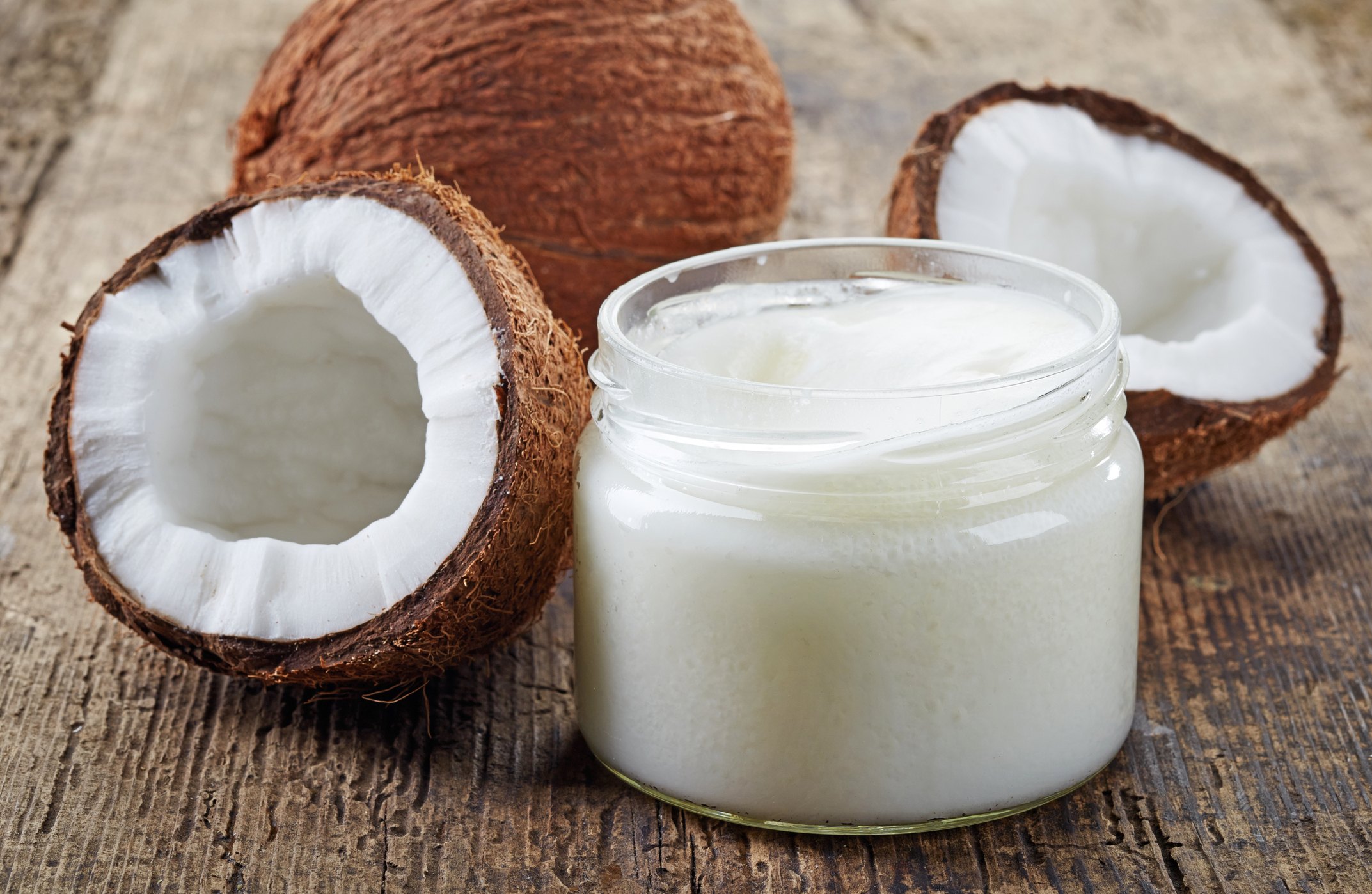
coconut oil and fresh coconuts on old wooden table

(Natural News) Coconut oil is highly regarded for its wide array of uses: From moisturizing skin and clearing up acne to cooking your favorite foods, there’s plenty of reasons why people love coconut oil. But, as you may have noticed, this versatile fat has been getting a lot of bad press lately. For example, the United Kingdom’s Telegraph recently published a hit piece that declared the saturated fat in coconut oil makes it bad for you.

Now, the logic here actually has little to do with the actual composition of coconut oil. When making the claim that coconut oil is bad for you, the Telegraph falls back on the American Heart Association’s general stance on saturated fat as a whole. The argument against saturated fat has been highly contested — and when it comes to coconut oil specifically, this generalization falls short. Why? In addition to the fact that saturated fat is not the enemy it has been made out to be, coconut oil also features a highly beneficial type of saturated fats, called medium-chain fatty acids.

Related: 35 Things You Could Do With Coconut Oil – From Body Care to Health to Household

Saturated fat is not the enemy

Yes, coconut oil does contain a high amount of saturated fat: 87 grams of saturated fat per 100-gram serving. That much is true. First and foremost, saturated fat has long been demonized as a harbinger of any number of diseases. While the war on saturated fat began in the 1950’s thanks to a cherry-picked study by Ancel Keys, the fact is that there is much evidence to the contrary. Saturated fat is not explicitly bad, as we’ve been lead to believe. For example, it is actually very important to keeping your brain healthy.

When it comes to brain health, it’s easy to understand why saturated fat is so important. The myelin sheath, which surrounds nerves and is key to their functionality, is made up almost entirely of saturated fat. The brain itself is primarily made of fat.  As sources explain, in addition to protecting the brain, studies have shown that saturated fat offers protective benefits to the liver, heart, skin and immune system.

Related: Fight Cavities and Gingivitis Naturally With Homemade DIY Oral Health

And, as this 2010 study from the American Journal of Clinical Nutrition concludes, “there is no significant evidence for concluding that dietary saturated fat is associated with an increased risk of CHD [coronary disease] or CVD [cardiovascular disease].” It’s worth noting that the meta-analysis in question featured nearly 350,000 people who were followed for 5 to 23 years; a fairly substantial data set, to say the least.

more recent study, from 2016, also showed that saturated fats could be beneficial for heart health. Norwegian researchers found that in addition to not increasing study subjects’ risk of heart disease, those on a diet high in fat exhibited “substantial improvements in several important cardiometabolic risk factors, such as ectopic fat storage, blood pressure, blood lipids (triglycerides), insulin and blood sugar.” How about that? The fat sources the test patients primarily consumed were also foods with low amounts of processing: Butter, cream and cold-pressed oils. Study subjects on the high-fat diet also exhibited an increase in the “good” cholesterol — HDL. No significant changes were observed in LDL cholesterol levels in the high-fat group, which is contrary to commonly held beliefs.

Coconut oil and medium-chain fatty acids

Medium-chain fatty acids (also known as medium-chain triglycerides) are a specific type of saturated fat that have become highly regarded for their health benefits. Medium-chain triglycerides (MCTs)  are metabolized differently than the long-chain triglycerides seen in animal fats. MCTs are known for being metabolized more readily than long-chain fats. Research has shown that MCTs can help to bolster endurance during exercise, speed up metabolism and help with weight loss and appetite control.

Related: Personal Care Recipes With Coconut Oil

Studies have also indicated that MCTs may play a beneficial role in preventing atherosclerosis, supporting the immune system and more. [RELATED: Learn more about health maintenance at Prevention.news]

To sum it up: Medium-chain fatty acids seem to have a host of health benefits that are not afforded by other types of saturated fats. Approximately 60 percent of the fats in coconut oil are MCTs. Lauric acid, a specific type of MCT in coconut oil, is known for its antimicrobial effects and is a huge component of human breast milk that helps prevent infections in newborn babies.

In addition to modern science getting things wrong about saturated fat as a whole, it is clear that coconut oil has a myriad of health benefits for a number of different reasons. Not only is saturated fat not as bad for you as the media would have you believe, coconut oil in particular has a number of properties that make it stand out from the crowd.

More Details Emerge in Organic Dairy Fraud

(Dr. Mercola) U.S. prices of wholesale organic milk have dropped significantly — in some cases by more than 30 percent — in the last year. While this might seem like welcome news for consumers looking for a price break on this premium milk, it comes at a cost to small farmers — some of whom are selling organic grass fed milk at non-organic prices or, worse, being forced to dump it.1

Small farmers risk being forced out of business in this market, even as the organic dairy industry has grown in size. The problem is that as larger industrialized farms have entered the organic market, it’s increasingly pushed the small players by the wayside. The Washington Post reported a glaring reason why: The number of organic cows rose by 13 percent from 2008 to 2015, but the amount of organic milk products produced rose by 35 percent.2

The Northeast Organic Dairy Producers Alliance (NODPA) attributed some of the increase to “better practices,” but others, including an investigation by The Washington Post, suggest skimping on organic practices may be a better description.3 Even NODPA noted the reason behind the large jump is “the increase in those mostly larger herds where the cows are fed in the barn instead of going out to pasture as the organic regulations require.”4

Large Organic Dairies Skimping on Grazing Time

Cows produce more milk, faster, when they’re fed grain in the barn, as opposed to grazing on grass on pasture. Industrialized organic dairies are capitalizing on this by skimping on grazing time, raising thousands of cows in veritable CAFOs (concentrated animal feeding operations), yet still gaining the USDA organic label that suggests otherwise.

When the Post visited Aurora Organic Dairy in Colorado, the company that provides organic store brands to corporations like Wal-Mart, Target and Costco, a few problems were evident right off the bat. For starters, the farm is massive, housing 15,000 cows, “making it more than 100 times the size of a typical organic herd,” the Post noted. Further, organic standards require that cows have free access to certified organic pasture for the entire grazing season, but there are large loopholes in the requirement.

The Post investigation revealed that Aurora Organic Dairy appears to be stretching the limits of the rule, noting that “signs of grazing were sparse, at best” and “at no point was any more than 10 percent of the herd out.”5

The Post even had samples of Aurora’s organic milk tested for “a key indicator of grass-feeding” (its fatty acid profile), which revealed the milk matched conventional, not organic milk. When raised correctly, organic milk contains about 25 percent less omega-6 fats and 62 percent more omega-3 fats than conventional milk, along with more vitamin E, beta-carotene and beneficial conjugated linoleic acid (CLA).6

Organic Violators Allowed to Keep Operating

Unfortunately, the U.S. Department of Agriculture (USDA) is not doing nearly enough to protect the integrity of its organic label. Farmers hire their own inspection agencies to comply with USDA rules, and even when violations are found, they typically amount to only a slap on the wrist in terms of punishment.

In 2007, for instance, while the USDA sanctioned Aurora Organic Dairy for willfully violating organic standards, the farm was allowed to continue operating after a settlement was reached. Mark Kastel of the Cornucopia Institute told the Post:7

“The USDA has shown a remarkable lack of interest in whether these big organic dairies are really organic … Most times, they don’t even investigate. And when they find a problem, there’s very little punishment, if any. It’s a gross betrayal of the spirit of the organic law.”

The latest Post investigation did prompt some of Aurora’s wholesale customers to look into their practices but so far none, including Wal-Mart and Costco, have decided to change suppliers. Meanwhile, small farmers who allow their herds to graze the right way are unable to compete with the industrialized organic farms that are cutting corners, yet both get rewarded with the same USDA organic label.

Organic Amish farmer James Swantz told the Post, “We know with that high concentration of cows that it’s impossible to meet the grazing rule … They’re not organic. No way.”8

The Cornucopia Institute has engaged with two law firms that are investigating Aurora’s role in creating a glut of organic milk that has driven prices down and pushed many small farmers out of the business. Kastel told Sustainable Food News the law firms are investigating “the gross amount of milk [Aurora Organic Dairy] creates and … the marketplace pressure their customers place on the balance of participants in the industry.” He continued:9

“We are in the exploratory stage right now … It appears that there is a good legal basis to pursue this and we are attempting to develop a plaintiff pool. We just need to have solid and creditable plaintiffs with standing. We have already had a number of farmers who have expressed a willingness to pursue this legal action prior to our outreach …”

Dairy Industry Forced to Make ‘Grass Fed’ & ‘Free-Range’ Claims as Organic Label Damaged

With the organic dairy label under increased scrutiny, the U.K.’s Arla Foods has changed the name of its Arla Organic Farm Milk to Arla Organic Free Range Milk. Studies have shown that many people in the U.K. are unaware that organic milk comes from cows with free access to pasture (or at least is supposed to), which is why Arla is highlighting the fact on its label.

The company claims that its cows are outside for an average of 200 days per year.10 Likewise, in the U.S., Organic Valley also offers a separate Grassmilk brand promoting 100 percent grass fed milk and cows fed no grain. According to the company:11

“Since grazing is a bedrock principle of our organic farming practices, all Organic Valley farmer-owners nationwide do their utmost to maximize fresh and dried forages to maintain the health and well-being of their animals, and because they know that milk produced from grazing cows contains increased levels of beneficial omega-3 and (CLA) fatty acids.”

As for why some Organic Valley milk is 100 percent grass fed and some is not, they explained that not all farms have the land base available to produce enough forage for cows when grains are removed from their diet. In addition, they noted some farms’ soils “are not ready for full conversion to pasture” while “cows must be transitioned slowly from a grain diet, to less grain, to no grain.”12

Similarly, Organic Pastures calls their milk “grass-grazed” as opposed to “grass fed,” the latter of which they point out could mean virtually anything, like “grazed at some point,” leading to milk with questionable nutritional value.13 Unfortunately, even with a claim of grass fed, it’s still a buyer beware market when it comes to choosing dairy. As it stands, dairy can be sold as “grass fed” whether the cows ate solely grass or received silage, hay or even grains during certain times.

Fortunately, the American Grassfed Association (AGA) recently introduced much-needed grass fed standards and certification for American-grown grass fed dairy,14 which will allow for greater transparency and conformity.15 I would strongly advise you to ensure your dairy is AGA certified as grass fed. As reported by Organic Authority:16

The new regulations are the product of a year’s worth of collaboration amongst dairy producers like Organic Valley as well as certifiers like Pennsylvania Certified Organic and a team of scientists.

‘We came up with a standard that’s good for the animals, that satisfies what consumers want and expect when they see grass fed on the label, and that is economically feasible for farmers,’ says AGA’s communications director Marilyn Noble of the new regulations.”

Non-Organic Ben & Jerry’s Continues to Stall on Cleaning Up Dairy

A recent commentary written by Will Allen and Michael Colby, co-founders of the organic advocacy group Regeneration Vermont, for Vermont Digger reveals that ice cream maker Ben & Jerry’s, which is owned by Unilever, is still not living up to their natural and socially responsible reputation. Ben & Jerry’s does some things right, like supporting GMO labeling, and their environmentally friendly image has propelled the ice-cream maker to a $600 million-a-year enterprise — slated to be a billion-dollar-a-year corporation by 2020.17

However, Ben & Jerry’s is a non-organic dairy, and they source their milk largely from CAFOs. In Vermont, more than 200 dairy farms have transitioned to organic and returned their cows to a grass-based diet. Regeneration Vermont is dedicated to bringing sustainable, regenerative agriculture back to Vermont and that includes bringing Ben & Jerry’s into the discussion.

Regeneration Vermont has urged the ice cream maker to source milk from organic/regenerative farmers, which would signal to desperate dairy farmers that there’s another, viable option to the destructive GMO, CAFO method that’s currently considered the norm. Allen’s and Colby’s commentary explains:18

We shared all of our research on labor abuse, animal abuse, farm bankruptcy, water pollution and damaged rural communities with Ben & Jerry’s. We also introduced them to consultants and resources in an effort to convince them that going organic would not only be good for them — practicing what they preach and all — but it would also be an essential lifeline for farmers in the state who wanted to convert to organic but had no market.

Instead of greenwashing, we argued that they could finally advertise their decision to completely clean up their supply chain. They said they would get back to us.”

As of July 2017, however, they have not, and they continue to profit immensely off cheap, inhumanely produced and environmentally destructive milk while passing themselves off as a natural, environmentally responsible company. Allen and Colby continue:

Stalling has been refined to an art form with Ben & Jerry’s social mission and dairy teams. In April 2016, they felt that they would have a decision on changing their dairy sourcing by September/October 2016. When October came, they felt that they would have a decision by December. In December, we were told that February or March would be when they made their sourcing decision …

Finally, April or May was to be the target date for making sourcing decisions. It is now July — still no decision, still no meeting with the CEO. Still stalling … It’s time to stop pretending that Ben & Jerry’s is a socially or environmentally conscious corporation. They know how damaging their milk supply chain is. They know that labor is being abused. They know that cows are burning out before they are [5] years old.

They know that antibiotics were being misused. They know that the dairies that supply their milk are polluting our drinking water and most of the rivers and lakes in Vermont. They can’t pretend that they didn’t know how damaging their supply chain is, because we shared all this data with them. Yet they refuse to act.”

Cornucopia’s Organic Dairy Scorecard Helps Level the Playing Field

How can you tell if your organic milk comes from grass fed cows being raised humanely on a small family farm — or from a pseudo-organic CAFO? Getting your raw milk from a local organic grass fed farm or co-op is best, but if you’re considering milk from another source, check out Cornucopia’s Organic Dairy Scorecard.19 The Cornucopia Institute is an organic industry watchdog whose core constituencies are family farmers across the U.S. and consumers concerned about the availability and quality of organic foods.

Their goal is to empower you to make informed purchasing decisions. You might be surprised to see many big-name organic brands ranking near the bottom of the list, even receiving a “zero” rating. In this case, it’s not worth your money to pay for an “organic” product that’s likely no better than conventional. You’d be better served by supporting the ethical farms that received a “4- or 5-cow” rating instead (meaning their farming practices are either excellent or outstanding).

While you’ll certainly notice the difference in flavor when purchasing truly grass fed, organic dairy, you can even see the difference. Grass fed organic milk tends to be yellowish, not pure white. The coloration comes from the natural antioxidant carotenoids found in the grass, which is a precursor to vitamin A. When cows are raised on dried grass or hay, as opposed to fresh-growing grass, you end up with a whiter product, which is an indication of reduced carotenoid and antioxidant content.

The increased coverage about certain big-name organic brands putting out a sub-par product is important news for consumers, but please don’t let it deter you from supporting the organic farmers raising truly grass fed cows. For more information about finding high-quality farm-fresh foods near you, see the links below:

American Grassfed Association

The goal of the American Grassfed Association is to promote the grass fed industry through government relations, research, concept marketing and public education.

Their website also allows you to search for AGA approved producers certified according to strict standards that include being raised on a diet of 100 percent forage; raised on pasture and never confined to a feedlot; never treated with antibiotics or hormones; and born and raised on American family farms.

EatWild.com

EatWild.com provides lists of farmers known to produce raw dairy products as well as grass fed beef and other farm-fresh produce (although not all are certified organic). Here you can also find information about local farmers markets, as well as local stores and restaurants that sell grass fed products.

Weston A. Price Foundation

Weston A. Price has local chapters in most states, and many of them are connected with buying clubs in which you can easily purchase organic foods, including grass fed raw dairy products like milk and butter.

Grassfed Exchange

The Grassfed Exchange has a listing of producers selling organic and grass fed meats across the U.S.

Local Harvest

This website will help you find farmers markets, family farms and other sources of sustainably grown food in your area where you can buy produce, grass fed meats and many other goodies.

Farmers Markets

A national listing of farmers markets.

Eat Well Guide: Wholesome Food From Healthy Animals

The Eat Well Guide is a free online directory of sustainably raised meat, poultry, dairy and eggs from farms, stores, restaurants, inns, hotels and online outlets in the United States and Canada.

Community Involved in Sustaining Agriculture (CISA)

CISA is dedicated to sustaining agriculture and promoting the products of small farms.

FoodRoutes

The FoodRoutes “Find Good Food” map can help you connect with local farmers to find the freshest, tastiest food possible. On their interactive map, you can find a listing for local farmers, CSAs and markets near you.

The Cornucopia Institute

The Cornucopia Institute maintains web-based tools rating all certified organic brands of eggs, dairy products and other commodities, based on their ethical sourcing and authentic farming practices separating CAFO “organic” production from authentic organic practices.

RealMilk.com

If you’re still unsure of where to find raw milk, check out Raw-Milk-Facts.com and RealMilk.com. They can tell you what the status is for legality in your state, and provide a listing of raw dairy farms in your area. The Farm to Consumer Legal Defense Fund also provides a state-by-state review of raw milk laws. California residents can also find raw milk retailers using the store locator available at www.OrganicPastures.com.