Top baby food brand found LOADED with sugar

(Natural News) An investigation carried out by Channel 4’s Supershoppers program in the U.K. revealed that the country’s top selling baby food brand Ella’s Kitchen manufactures products that may contain up to five teaspoons of sugar per packet. Ella’s Kitchen has been the number one choice for middle-class mothers who want to wean their babies in a “nutritious” way.

The investigation noted that while the company’s red pepper, sweet potato, and apple pouch seemed to be a healthy vegetable product, it was in fact 78 percent apple puree. According to the investigation, Ella’s Purple One smoothie contained more than three teaspoons of sugar. In addition, Ella’s Banana and Apricot baby rice was found to contain nearly five teaspoons of naturally occurring sugar.

Related: Galactagogues Foods, Herbs, and other Ways to Increase Breast Milk Production

Experts have previously cautioned that while natural sugar is healthier than white sugar when eaten as fruit, processing the natural sugar makes it just as unhealthy. Dietician Anna Daniels quipped that once natural sugar is processed, blended, or made into smoothie, it is no longer encapsulated within the plant cell wall. This meant that processed natural sugar could be easily broken down and released into the bloodstream quicker. According to Daniels, processing natural sugars converts them into free sugars, which have a detrimental effect on the body once taken in excess.

However, Ella’s Kitchen dismissed the results of the television investigation and maintained that their products do not contain added sugars. The company also maintained that their products were made from 100 percent whole fruit or vegetable. In addition, Ella’s Kitchen stressed that it never uses fruit juice or concentrates. Moreover, the company questioned the investigation’s use of teaspoon value to measure their products’ sugar content.

Related: 10 Circumcision Myths – Let’s Get the Facts Straight

“Expressing the sugar content in terms of teaspoons is misleading. Using this rationale, 100 ml of breast milk would contain nearly two teaspoons of sugar. The Purple One Smoothie Fruit pouch is a blend of 100 percent fruit and contains the same amount of sugar as if you’d made it at home using fruit from the fruit bowl. Likewise, Banana and Apricot Baby Rice is made from only organic bananas, apricots and rice with a squeeze of lemon juice. A banana from the fruit bowl contains 20 g sugar per 100 g, so again, the sugar content would be similar if you made the product at home,” the company said on The Daily Mail.

Related: How To Detoxify and Heal From Vaccinations – For Adults and Children

Previous study finds baby food products questionable

The recent investigation was not the first one to question the nutritional value of Ella’s Kitchen’s products. In fact, a 2013 study carried out by a team of researchers University of Glasgow revealed that commercial baby foods produced by Ella’s Kitchen, Cow and Gate and Heinz were significantly less nutritious than home-made meals. The study also revealed that many commercial baby food products contain high levels of sugar. (Related: Babies that eat fresh foods instead of processed foods have fewer allergies)

Likewise, the research team found that the products were typically promoted for use from four months of age, a time when babies’ diets should be primarily based on breast or formula milk. In addition, the study revealed that babies should eat twice as many commercial baby foods in order to get the same energy and protein levels found in home-made meals. Moreover, the study showed that commercial baby foods have significantly lower levels of essential minerals such as iron.

Related: Common Bad Parenting Advice You Should Know

“Manufacturers have been dragging their feet, lagging behind current thinking and research evidence that babies don’t generally need solid foods before about six months. It’s time they stopped labelling foods ‘from 4 months. If babies are spoon-fed pureed fruit and vegetables before this time, it can replace the nutrients from milk. Many parents do find jars of food convenient when they are out and about, but babies can eat family foods most of the time. Buying commercial baby foods is also much more expensive than using family foods,” said Rosemary Dodds, senior policy adviser at the National Childbirth Trust.

Related:
Sources:

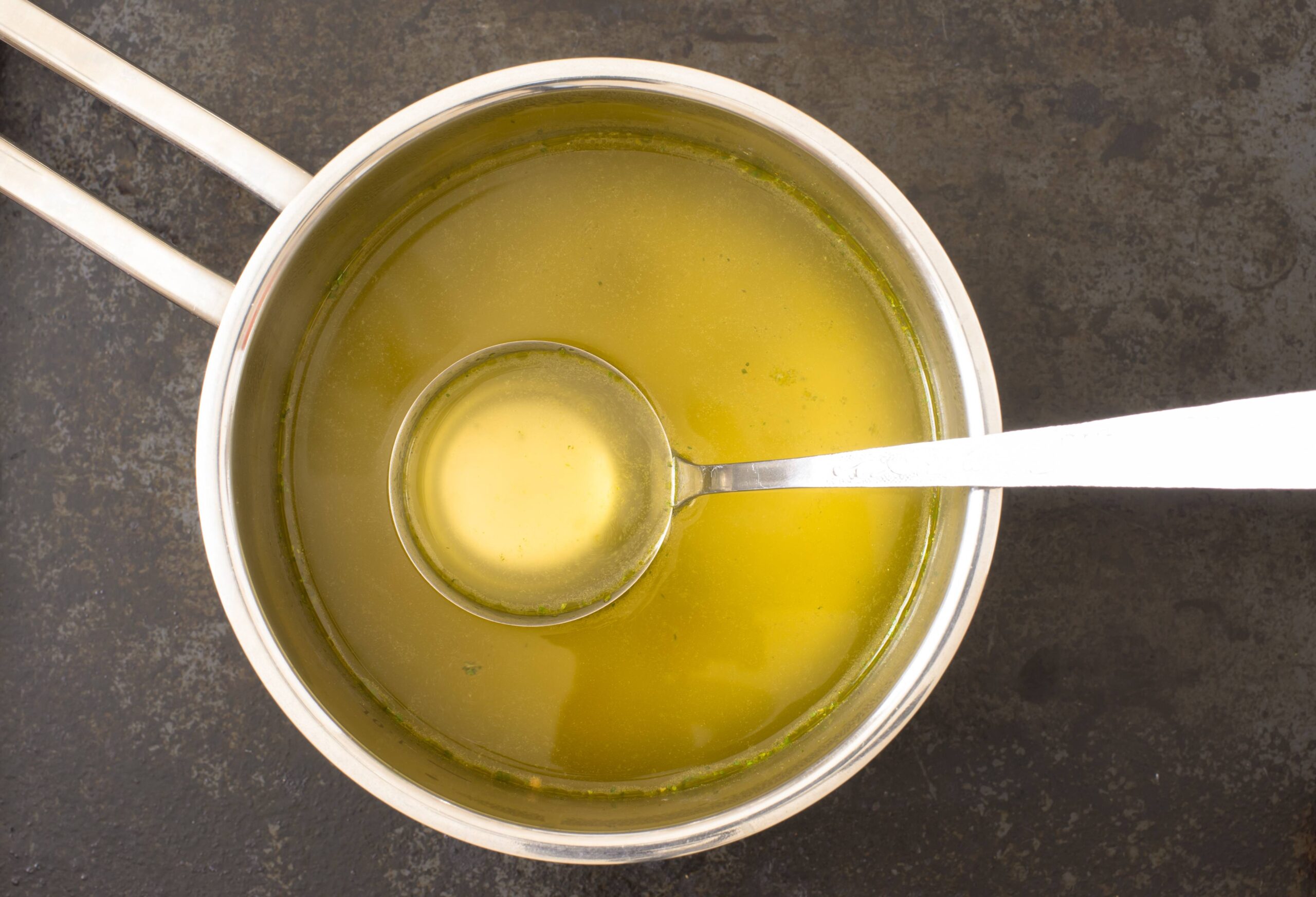
The Healing Effects of Bone Broth and How To Make Your Own

Without an adequate intake of protein and minerals, your body begins to malfunction. Meat provides minerals and is known as the best source of protein, while dairy products are known as a great source of protein and calcium. But having a glass of milk with your steak dinner is not the healthiest way to ensure that you are getting protein and minerals in your diet.

IGF-1, mTOR, Insulin, and Cancer

Dairy and animal products contain an abundance of protein, with all the amino acids (the building blocks of protein) that your body needs to heal, grow, and function properly. When you consume dairy or animal protein, your body responds by releasing a hormone called insulin and activating two pathways called IGF-1 and mTOR so that you can utilize the protein to promote the growth of your cells. In other words, insulin, IGF-1, and mTOR cater a party for your cells to celebrate the abundance, but as we age cancerous cells start to crash the party.

Related: Homemade, Vegan Nut Milk Recipes and More

When we are children, and even after we finish an intense workout, the amino acids from the animal and dairy proteins we consume tend to aid in the growth of cells necessary for our health like the cells in our bones, muscles, blood, and organs. However, when we are fully grown, rarely workout, and consume many servings of meat per day, cancer cells begin feeding and thriving off of the catering that IGF-1, mTOR, and insulin provide.

One particular amino acid, leucine, is known to be a potent stimulator of the secretion of insulin and activation of the IGF-1 and mTOR pathways. Animal and dairy proteins tend to be high in leucine, which is why things like whey protein and chocolate milk tend to be heavily marketed as “muscle builders”, but they also stimulate the growth and proliferation of cancer cells and disease as well.

Another amino acid that can cause problems when consumed in high amounts is methionine. This amino acid is abundant in dairy and meat proteins, and it leads to an increase in homocysteine levels in the blood. Homocysteine is a significant risk factor for serious diseases like heart disease, stroke, and mental illness.

What About Vegan Sources of Protein?

Protein from beans and vegetables has been found to stimulate little to no increase in IGF-1, mTOR, insulin or homocysteine, which partially explains why a plant-based diet is known for its cancer and disease preventing power.

But when it comes to minerals, many vegetables contain oxalates which can inhibit the absorption of minerals like calcium. Plus many find it difficult to maintain adequate protein intake and a healthy lifestyle with a vegan diet. However, for non-vegans, there is something that you can make at home that comes with all of the benefits of animal protein without the risk, a good dose of minerals, and many other benefits that you won’t get from a steak dinner.

Related: Animal vs. Plant Protein – What’s Better?

Bone Broth and Its Benefits

Bone broth is a savory liquid consisting of the water in which the bones and cartilage of meat or fish have been simmered. The nutritional content of each bone broth varies based on the bones used, cooking time, and cooking method, but you can almost guarantee that you will find these nutrients to some degree in every bone broth (and experience their health benefits).

Collagen and Gelatin

Collagen makes up about 30 percent of the protein in your body and is the main component of connective tissues like cartilage, ligaments, tendons, bone, and skin. Gelatin forms when the collagen is simmered during the process of making bone broth, which gives the broth a Jell-O like consistency when it is cooled.

Although this technically is an animal protein, it has much less leucine than the protein found in meat and dairy. It also has less leucine than common vegan sources of protein like soy. Even without the extra leucine, collagen still supports the growth of muscle tissue, so you may not need the whey protein after all.

Bone broth also contains high amounts other amino acids that maintain health and prevent disease of many organ systems in the body.

Glycine

Collagen contains high amounts of the amino acid glycine, which helps control blood sugar levels and prevents the negative effects caused by having too much methionine that we talked about earlier in this article. Glycine is also important for the production of myoglobin and hemoglobin for oxygen transport in the muscle and blood respectively. This means that it improves your exercise performance and your ability to recover from those exercises.

Glycine aids in digestion by protecting us from gastric ulcers, stimulating stomach acid production, and as a component of bile acid to help us digest fats. The effects of glycine are also felt in almost every cell in the body because it restores the body’s master antioxidant, glutathione.

Proline

About seventeen percent of collagen is made up of the amino acid proline. It helps regulate mTOR, aiding in cell growth and proliferation, while it clears up waste products and free radicals from cells. This makes it less likely that the activation of the mTOR pathway will lead to cancer growth.

Glutamine

Glutamine is abundant in the blood and is one of the few amino acids that can cross the blood-brain barrier. It is essential for the health of the intestinal barrier of our gut and the function of our immune cells because these cells prefer to consume glutamine for energy.

Minerals

Earlier in this article, we mentioned that milk contains many essential minerals for our health. Bone contains almost all of the minerals found in milk and then some. Calcium, copper, iron, magnesium, manganese, phosphorus, potassium, sodium, and zinc are all found in bone. Each mineral serves its own essential role for the health and function of your body while providing the raw materials you need to build strong bones.

Glycosaminoglycans

When you make bone broth using bones with the tendons, ligaments, and cartilage still attached you will guarantee that you are getting natural sources glycosaminoglycans.

Not familiar with the term?

How about the popular joint support supplement called chondroitin sulfate? This is a glycosaminoglycan that is found in the cartilage, and it protects our joints from wear and tear.

Glycosaminoglycans are complex carbohydrates that attach to proteins to form parts of your connective tissue and synovial fluid, the lubricant that surrounds the joint. They also play an important role in skin health by promoting skin hydration and wound repair. Combine this with the beneficial effects that collagen has on reducing cellulite and protecting the skin from UV damage, and you have a skin health supplement in your bone broth that actually works.

Specific glycosaminoglycans serve other important roles in the body. The glycosaminoglycan called heparin sulfate has been shown to help regulate immune system function, and the most well-known glycosaminoglycan, chondroitin sulfate, plays an important role in boosting our cognitive abilities.

Order Out or Make Your Own?

Now you know that bone broth contains nutrients essential for the health of every cell in the body, and it can be a valuable addition to any diet, but how do you get it?

It is best to get your bone broth from people that source their bones from healthy animals. Here are some high-quality bone broth sources that will ship to directly to your place:

But if you’re feeling ambitious and want to guarantee that you will get all of the benefits from the bone, tendon, cartilage, and ligaments, I suggest making your own bone broth.

The Simplest Bone Broth Recipe

Making bone broth is easier than you think. All it takes is high-quality bones, water, heat, and patience.

Step 1

Save the bones and cartilage from something you already ate, or purchase bones from a quality source like U.S Wellness Meats or White Oak Pastures.

For example, you can use the bones from a chicken, duck, or lamb leg that you just ate from dinner.

Bonus Tip: The best broth that I’ve ever made was from two pig feet. It was filled with so much gelatin and glycosaminoglycans that it became completely gelatinous at room temperature. Using parts of the animal that have very little meat, but a lot of cartilage, ligaments, tendons, and skin is the best way to make bone broth that is filled with gelatin and glycosaminoglycans. Fish heads, chicken feet, and pig feet are all perfect examples of this and make the healthiest broths.

Step 2

Put the bones in a pot, a slow cooker, or a pressure cooker and cover them with water.

If you’re using a pot, bring the water to a simmer and cook the bones for 8-24 hours.

If you’re using a slow cooker, cook the bones on the low setting for 8-24 hours.

If you’re using a pressure cooker, you only need to cook the bones for 2-3 hours.

Bonus Tip: Add 1-2 tablespoons of apple cider vinegar to the water and let the bones soak for 30 minutes to modestly increase the mineral content of your bone broth.

Flavor Tip: Add a small onion, a couple carrots, a stalk of celery, and a pinch of sea salt to improve the flavor of your broth.

Step 3

Sift out all solid particles by using a mesh strainer, so that you have a liquid broth with no solid particles floating in it.

Step 4

Use the broth as a base for soups, add the broth to smoothies, drink it as a hot beverage, store it in the fridge for up to 5 days or freeze it.

Enjoy!

Recommended Reading:
Sources:

Forget Fad Diets – Try These Sustainable, Healthy Recipes

How many of you out there have tried fad diets? I know I have! Why? Why not? There are so many of them to choose from. They are trendy, they assure weight loss, and they offer other sought after health advantages like a longer life. It seems the best time to start a fad diet is the New Year when most of us are seeking a fresh start and hoping to improve eating habits and get into shape. Most of the time, fad diets are directed at those who are interested in losing weight rapidly without having to exercise.They may be quick and easy, but fad diets are not always backed by science. Fad diets are often found to be distinguished by weird or limited food selections and they tend to promote an unhealthy or unbalanced diet. The Cleveland Clinic reports, “For the food groups that these diets do permit, the amounts are either well above or well below those recommended by major health organizations like the American Health Association, American Diabetes Association and the Academy of Nutrition and Diabetics, as well as the Surgeon General and the United States Department of Agriculture.”

All this aside, if it’s quick and it works, why not give the fad diet a try? What’s so bad about the quick fix? We have busy schedules. We are committed elsewhere. As long as it works, right? Wrong! The fix may work temporarily, but studies show that most people gain back the weight they lose and more at times. You may wind up worse than where you started off, but making just a few modifications in your routine can help you live longer.

What type of diet stands the test of time?  A sustainable diet or a sustainable lifestyle. Rather than engaging in fad diets, a nourishing diet and positive lifestyle is the key to a happier, healthier life!

So, what is a sustainable diet? Mainly, it is a healthy diet with a low environmental impact for present and future generations. It is a diet that elevates the consciousness of consumers and governments of the role that food biodiversity plays in human nutrition and poverty alleviation. It’s eating local, environmentally friendly food and staying clear of food that is heavily processed and put in a box. It’s growing your own food.

Shopping and eating sustainably go far beyond how food is produced. Sustainability acknowledges the integral association between our food and global warming since industrial food production is a tremendous source of greenhouse gas emissions. A sustainable diet is eating for life. It is eating to protect yourself from serious medical conditions like heart disease and diabetes. It is a lifelong eating strategy that benefits your body and your community. It provides opportunities for the occasional indulgence while maintaining a comfortable weight. It is protection from overeating and weight gain. Eating sustainably also means adding lean proteins to balance a controlled portion of carbs at every meal, resetting your metabolism, and warding off chronic health conditions. Sustainable eating is a gift of health, and doesn’t need to be difficult! Here are some helpful hints to ensure you keep yourself on track with sustainable eating habits.

Select wild caught fish from sustainable sources. Buy local seasonal and environmentally friendly food.  Hand-pick and get to know your farmers and suppliers whenever you can. Plan ahead and design meals that give you all the nutrients you need for your busy day. You can maintain a balanced diet, eat in moderation and eat what you like! Choose heart-healthy foods such as fats containing omega 3 fatty acids, legumes, and colorful fruits and vegetables as well as nutritious whole grains. Stay away from too many starches in one meal or lots of dairy foods and remember, processed foods are resource intensive and don’t promote proper nutrition.

I love organic food and pursue an eco-friendly lifestyle, so I suggest using certified organic ingredients to maximize flavors and nutrition while minimizing your risk of exposure to pesticides, chemicals, and preservatives.

Incorporate sustainable foods into your diet with recipes from Mimi’s Organic Corner.

Mimi’s Immune Boosting Yin Yang Breakfast Bowl.

This is a smoothie in a bowl with nutritious toppings.

Smoothie:

  • 1 Frozen Organic Banana
  • 1 Cup Frozen Organic Blueberries
  • 1 Cup Frozen Organic Mango Chunks
  • 3 Fresh Organic Strawberries
  • 1 Cup Organic Pineapple Chunks.

Topping:

  • Organic Shredded Coconut and Organic Chia Seeds.

Directions:

  1. Blend smoothie ingredients and place in a bowl. Cover half of the smoothie the coconut seeds and the other half with the chia seeds.
  2. Place a coconut dot on the chia seeds and a chia seed dot on the coconut.

Mimi’s ABC Frozen Ice (Apple Banana Cinnamon)

  • 1 organic mashed banana
  • 1 organic mashed apple. (You can lightly boil the apple and puree it or use organic applesauce.)

Combine both fruits, sprinkle cinnamon to taste and freeze. This is a healthy and tasty dessert option.

Mimi’s Chilled Cinnamon Couscous and Vegetable Salad

  • 2 cups of water
  • 2 tablespoons of organic coconut oil
  • 1/4 teaspoon of organic cinnamon
  • 1/4 teaspoon of organic turmeric
  • 1/4 teaspoon of chopped raw organic peeled ginger root
  • 2 cups of organic couscous
  • 1/2 cup of organic raisins (optional)

Boil water with coconut oil, cinnamon, turmeric, and ginger root. Then add couscous and raisins. Cover the pot, remove from the heat and leave standing for 10 minutes.

Transfer this mixture to a large salad bowl, then add the following:

  • 1 cup of chopped organic zucchini
  • 1/2 cup of chopped organic carrots
  • 1/2 cup of chopped organic scallions
  • 1/4 cup of chopped organic green and red peppers
  • 1 1/2 cups of organic garbanzo beans
  • 3 tablespoons of organic vegetable oil
  • 1 1/2 tablespoons of organic lemon juice
  • salt to taste. I usually add 1 1/2 teaspoons of salt.

Chill for several hours and serve over your favorite organic lettuce leaves and garnish with chopped organic toasted almonds.

Mimi’s Favorite Cinnamon Ginger Tea Elixir

Combine 3 large chunks of fresh, organic ginger root, 3 chunks of organic turmeric root and 4 organic cinnamon sticks in a pot with water and bring to a boil. Allow this tea to steep for several hours and add organic honey and organic apple cider vinegar to taste. You can add a little more or less of each ingredient according to your taste buds.

Mimi’s Tomato Basil & Rosemary Omelets and Veggie Frittatas

Adding fresh rosemary to your frittatas and omelets is a quick and easy way to get it into your diet. Try mincing the rosemary and combining it with the other omelet For the frittata, I use 4 organic eggs, ¼ cup of liquid such as homemade veggie broth, ¼ cup of organic dried rosemary leaves, and 1 cup of filling, including organic broccoli and organic red onion. Add your favorite organic cheese to both the omelets and the frittata if you like, and salt and pepper to taste. For the tomato basil rosemary omelets, I chose feta cheese. You can choose to forgo the cheese if you prefer.

Mimi’s Cumin Ginger Carrots Medley

  • 1 pound of carrots
  • 6 tablespoons of butter
  • 2 teaspoons of cumin
  • 2 cloves of chopped garlic
  • 1 teaspoon of chopped ginger
  • salt and pepper to taste

Liquefy the butter in a pan and add the cumin, salt, and pepper. Then add the carrots, garlic, and ginger. Sauté this veggie mixture until the carrots are at your preferred tenderness.

Mimi’s Mouthwatering Raw Ginger Chocolate

Grate 2 chunks of organic ginger root with a cheese grater and set aside.

Combine:

  • ½ cup organic coconut oil
  • ½ cup of raw organic honey
  • ¼ cup raw organic cocoa

Mix well and then add a few drops of vanilla extract. Once ingredients are combined, add the shredded ginger and mix. Then separate the mixture into cupcake holders and freeze.

Mimi’s Blueberry Banana Muffins

This recipe calls for 1 ¾ cups of your favorite organic flour.  I like a combination of almond, amaranth, and quinoa flour in equal portions.

Combine:

  • 1 ¾ cups of flour mixture
  • ¼ cup of organic whole oats
  • 1 teaspoon baking soda
  • ½ teaspoon salt
  • ½ cup of organic coconut oil
  • 3 ripe bananas
  • 1/3 cup of organic coconut sugar
  • 2 large organic eggs
  • 1/3 cup of organic almond milk
  • a dash of organic vanilla extract
  • 1 ½ cup of organic frozen blueberries

Mix well and separate into cupcake holders and bake on 375 for 30 minutes or until golden brown.

Mimi’s Blueberry Flaxseed Pancakes

For this  sustainable breakfast dish, combine:

  • 2 well-beaten organic eggs
  • 1 cup of organic buttermilk
  • 2 tablespoons of organic vegetable oil
  • 1 stick of organic melted butter
  • 1 cup of your choice of organic gluten-free flour such as brown rice flour or quinoa and amaranth flour
  • ¼ cup of organic ground flaxseed
  • 3 teaspoons of baking powder
  • 1/3 cup of organic honey
  • 2 cups of organic blueberries
  • 3 mashed up organic bananas
  • a nice pinch of organic cinnamon
Recommended Reading:
Sources:

Glutathione Detoxification – A Comprehensive Overview

Whether or not you know it, there is a good chance that your body is overflowing with bacteria and toxins. Almost everyone has some level of toxins flowing through their body. Many people will believe that they’re not being impacted until it is too late. The only effective way to eliminate these toxins from the body is by performing a detox.

There are many different types of detoxification methods that can be utilized, but the glutathione detox is widely considered to be the most effective. In fact, many experts suggest that the glutathione detox is one of the most effective defenses against toxins and disease.

What Is Glutathione?

First and foremost, you should familiarize yourself with the chemical at the center of the detoxification process. GSH or Glutathione is actually an antioxidant, which is found in plants, fungi, animals, and some specific strains of bacteria. The antioxidant has proven to be very effective for protecting against free radicals, lipid peroxides, and even heavy metals. Glutathione will protect the body’s cellular components, which can be damaged by reactive oxygen species. This is one of the many reasons that the glutathione detox is so enormously effective and beneficial.

A Depleting Resource

Unfortunately, you do not have access to an unlimited amount of glutathione. In fact, glutathione is a depleting resource, which can be diminished by a variety of factors such as taking specific types of medications and failing to consume a sufficient quantity of minerals and vitamins. More importantly, it should be known that glutathione will actually decrease over time.

Finally, you should realize that each person will have a different level of GSH in their body. Your age, gender, diet, activity level, and race can play a role in determining how much GSH you have inside of your body.

What Does Glutathione Do?

Believe it or not, glutathione has a wide array of responsibilities. Nonetheless, the antioxidant’s most important duties are directly linked to the immune system. By maintaining an appropriate amount of glutathione in your body, you will be able to keep your immune system working at optimum levels. In return, this will decrease the frequency of illnesses while simultaneously helping to stave off disease. At the same time, glutathione is known to play a very important role in helping the body detox.

Glutathione will also go to work inside the patient’s liver to make sure toxins can be removed a little bit easier.

Detoxification and Autism

Autism is characterized as a neurodevelopmental disorder that causes repetitive and restrictive behavior. A recent study shows that males are at a higher risk of developing autism than females. However, all children are at risk regardless, but once the child has been diagnosed with the disorder, the parents will need to learn how to deal with it. Humans remove toxins from their body via four different routes: kidneys, lungs, digestive tract and skin.

When the toxins build up inside the child’s body, the child will begin to act out. However, there is a solution to this behavior – routine detoxification. According to Dr. S. Jill James, children who have been diagnosed with autism have impaired methylation, which is how glutathione is made. When the methylation is impaired, the body will not go through the normal detoxification processes.

The impaired methylation is most likely due to glutathione deficiency. When reduced levels of glutathione are detected, the child will be at a higher risk of environmental toxicity from harmful substances such as pesticides, heavy metals and PCBs. Children who have been diagnosed with autism spectrum disorder and attention deficit hyperactivity disorder (ADHD) have impaired detoxification pathways.

Importance Of Cellular Antioxidants

Cellular antioxidants play a major role in detoxification. When there is a deficiency of these antioxidants noted, the body will fill up with harmful toxins. One of the most important cellular antioxidants that have more prevalence over the others is glutathione or GSH for short. It is crucial that everyone learns about the role glutathione plays in detoxification because its primary responsibility is to prevent the buildup of free radicals in the body.

Glutathione is made up of three different amino acids: glycine, glutamine, and cysteine. Glycine is classified as the “simplest amino acid”, but it is still important because it helps to form glutathione. Cysteine is classified as a sulfur-bearing amino acid. Glutamine is the most abundant amino acid found in the human body. The three amino acids work together to combat free radicals, which are linked to chronic illnesses like cancer.

Medical experts refer to glutathione as a “redox molecule”. The redox process is where a molecule undergoes both the oxidation and reduction cycles. During the oxidation cycle, the molecule will release electrons and during the reduction cycle, the molecule will gain electrons. The oxidation state is increased during the oxidation process and decreased during the reduction process. These processes are a little difficult to understand, but they play a huge role is trying to help the body combat free radicals and prevent organ toxicity.

Glutathione and the Human Organs

Body builders, athletes, and professional weightlifters monitor their glutathione levels because they are more aware of its importance than the average person. However, it is crucial that everyone gets on board and starts doing some research on one of the most important cellular antioxidants.

Our bodies contain an abundance of cellular antioxidants that are responsible for protection from toxicity and free radicals. High-energy demand organs utilize a major amount of biological energy or ATP. High-energy demand organs include the heart, liver, kidneys, gut, brain, and lungs. These organs are continuously working, which is why they utilize so much biological energy.

When biological energy is utilized by the mitochondrion, the production of free radicals is inevitable. Free radicals are the end product of this process and if they are not kept in check, the individual will experience organ toxicity. Environmental toxins can be found throughout the entire body. The organs have to work constantly to prevent the toxins from causing damage to the cells and their functions. The cells will utilize glutathione to combat free radicals and if a deficiency is detected, the body will be at a high risk of disease, inflammation, and infection.

Glutathione and other cellular antioxidants are crucial for the detoxification of carcinogens. An example of a dangerous carcinogen is benzene, which can be found in the exhaust produced by automobiles. Other carcinogens include lead, cadmium, and mercury. Everyone is exposed to these chemicals when they venture outdoors, but over exposure will call for a higher demand of glutathione.

Increasing Your Glutathione Levels

If you intend to perform a glutathione detox, you will need to learn how to increase your levels of this incredibly important antioxidant. While it is possible to purchase glutathione supplements, it should be known that these products are not entirely effective on their own. At the same time, the glutathione consumed in your diet might not be enough to help stimulate the detoxification process. If you visit the hospital and need more glutathione, the doctor will actually give you NAC or N-acetylcysteine. This is another amino acid, which can help your body produce more glutathione on its own. Elderly individuals can consume NAC supplements to increase their glutathione levels to the norm.

Ways to Boost Your Body’s Level of Glutathione

Exercise More

It should be no surprise that working out and exercising can be enormously beneficial. Exercise is important for various reasons, with increased glutathione levels being one provided benefit. A recent study examined the impact of cardio, weight training, and a combination of each. It was determined that patients who performed a combination of cardio and weight training, were able to increase their glutathione levels more than others. If you’re interested in performing a glutathione detox, you will definitely want to add a little cardio and weight training to your daily schedule.

Increase Sulfur Intake

There are certain chemicals, which can help the body produce more glutathione. Sulfur just happens to be one of the most notable precursors to glutathione. By increasing your intake of sulfur, you will also be able to increase the amount of glutathione that your body produces. With this in mind, you will want to begin eating foods that are high in sulfur. Onions and garlic are two good choices. By adding one of these foods to your daily intake, you will be able to ensure you’re not suffering from a glutathione deficiency.

Try a Ketogenic Diet

A great deal of research has been conducted regarding the impact of a ketogenic diet. Recently, it was discovered that a ketogenic diet could actually increase the levels of glutathione in rats. It is unknown how this could translate to humans. If you’re interested in switching to a ketogenic diet, you should be prepared to increase your intake of fat while lowing your carbohydrate consumption. A ketogenic diet will offer an abundance of different benefits, including combating cancer, Alzheimer’s disease, and diabetes. More importantly, a ketogenic diet could help your body produce extra glutathione and that can prove to be helpful for inducing a glutathione detoxification.

Increase Diary Intake

If you’re a fan of milk, you will have a very easy time gaining more of the most powerful antioxidant. In fact, you will not need to change anything at all. It has been widely circulated that cow’s milk can help the body produce a greater amount of glutathione. Remember that glutathione is comprised of three amino acids. This includes glycine, glutamate, and cysteine. Unfortunately, cysteine and L-cysteine are often destroyed by the pepsins and enzymes found in the gut. When the cysteine is bonded, it can then be absorbed into the bloodstream.

There are several sources of bonded cysteine. Children who are breastfed will receive more because bonded cysteine can be found in breastmilk. Also, it is possible to obtain a suitable replica in the form of undenatured whey protein from raw cow’s milk. Pasturized milk will not offer the benefits.

Benefits Of A Glutathione Detox

So, why would anyone be interested in performing a glutathione detox anyway? The truth of the matter is that there are an abundance of reasons. Performing any type of detox can be a great way to remove harmful toxins from the body. However, by incorporating the glutathione antioxidant, you will receive even more benefits.

Protects From Free Radicals

First and foremost, you should realize that glutathione is an antioxidant and is capable of fighting off free radicals. By increasing your body’s glutathione content, you will be able to stop free radicals from damaging your cells and making you sick. Without a sufficient amount of glutathione, the body would not be able to protect itself from infections and diseases.

Fights Liver Cancer

While you’re at it, you should realize that glutathione usually works inside of the liver. It plays an important role in detoxing the life and protecting it from disease. Recent animal studies have proven that glutathione can help fight off liver cancer. At the same time, this antioxidant may be able to help cancer patients, who are undergoing chemotherapy. It is also believed that it can help maintain kidney function in patients that are forced to undergo bypass surgery.

Combats The Symptoms Of Parkinson’s Disease

Parkinson’s disease can be devastating and downright debilitating. Today, there are very few effective treatments for Parkinson’s. Nonetheless, it is believed that injecting glutathione intravenously may help alleviate the disease’s symptoms to some degree because Parkinson’s is generally associated with a decrease in the body’s level of dopamine. On the flip side, glutathione is capable of increasing the patient’s sensitivity to dopamine. This can effectively decrease the impact of Parkinson’s.

It is also believed that glutathione can fight off neurotoxins, which may be linked to the disease. While further research is essential, it is safe to say that glutathione may prove to be an effective way to combat Parkinson’s, while also diminishing the disease’s symptoms.

Related Reading:

Hens That Lay Our Organic Eggs Just Got a Lot More Room

It’s simple nutritional logic: the healthier the hen, the healthier the egg. But the term “organic eggs” and what it means for the chickens laying them has always been, for lack of a better term, flexible.

New rules passed by the USDA this month include new “minimum indoor and outdoor space requirements for poultry” to attain the “organic” label. Previously, rules only required that hens have some sort of outdoors access to be labeled organic. That left a lot of wiggle room for egg producers.

According to NPR, some producers would simply construct large chicken houses and give them a small, enclosed porch for “roaming.” While customers might picture chickens with plenty of pasture for free roaming, the reality was closer to the typical, high-density chicken house you might expect from a non-organic label.

The new rules will require approximately one acre for every 20,000 chickens, or one square foot for every 2 and a quarter pounds of chickens. But buyer beware: farmers are being given a five-year transition period to rise to the new standard. That means that some organic eggs will not meet these new standards when you buy them now.

Understanding What “Organic Eggs” Really Means

The terms “free range” and “organic” are thrown around so often that some customers forget they mean two different things. While “free range” chickens are allowed the space to roam—as the name would suggest—freely, “organic” chickens are under no such requirements.

In fact, organic eggs simply come from chickens that are not kept in cages and are fed organic feed. Under old USDA rules, simple access to outdoor areas—no matter how inadequate—meant there was a lot of flexibility for farmers looking to save a buck.

The new standards, while not ambitious, ensure that the amount of space these organic chickens are given at least adheres to a simple formula. While it doesn’t quite bring the chickens up to “free range” status, it does mean a healthier lifestyle for the hens laying the eggs.

What Does This Mean About Your Organic Eggs?

The Los Angeles Times cited a poll of farmers suggesting that as many as a quarter of organic chicken farmers don’t currently meet this new standard. That suggests a modest change in regulations, since the majority of chicken farmers may already meet the new standards. And with a five-year grace period for bringing a farm up to date, customers shouldn’t expect drastic changes overnight.

The good news is that the “organic” label still means something. Even inadequate access to pasture areas is better than no access at all. And these hens are uncaged, according to USDA regulations, which allows free roaming within their confines. Their diet is also organic, without the pesticides or fertilizers that can ultimately affect egg quality.

The new regulation is drawing some criticism from both sides, with organic enthusiasts calling it “too little” and others believing that the small change will have an effect on prices, but not on quality. As for the hens, they were unavailable for comment.

Recommended Reading: