Does Sickness Smell?

(Dr. Mercola) Your olfactory sense, or the ability to smell, is integral to your health. Inside your nasal passages are two patches of cells designed to detect odors. They are made up of nearly 6 million olfactory receptor cells that allow you to detect and differentiate thousands of different scents. Although impressive, other animals have an even more acute sense of smell as often their survival is dependent on being able to smell enemies or their food.1

Your sense of smell is also intimately tied to your emotions, memories, ability to taste and even to sexual attraction. Research demonstrates that your ability to smell may peak at age 8. According to different studies, you may begin to lose sensitivity to scent between age 15 and your early 20s.2 However, that loss in sensitivity to scent is not consistent from person to person as some 80-year-olds have a sense of smell as keen as that of a young adult.

Some degradation of your sense of smell, and therefore your ability to taste food, may be related to air pollution.3 A combination of solvents, pesticides, disinfectants, pharmaceuticals, and perfumes may have a negative effect over the years on your ability to discern scent and on your sensitivity to smell.4 Loss of this ability may affect your capacity to pull up memories from the past.

Research shows odors are an effective reminder of experience,5 which may be tied to the way your brain processes odors and memories. Researchers have also found your sense of smell may predict your longevity, and you may be able to smell the scent of illness. In other words, the relationship between your sense of smell and your health is a two-way street.

Recommended: Candida, Gut Flora, Allergies, and Disease

Illness Has a Smell

From the early days of medical practice, doctors have used smell and taste to determine if their patients had a disease. Examples may be found from the late 1600s when English physician Thomas Willis observed the relationship between sweet-tasting urine and diabetes,6 to physicians today who may note a fruity scent on the breath of a diabetic whose blood sugar is too high.7 Over the years physicians have moved away from smell and taste to using more reliable methods of diagnosis.

However, a sensitive sense of smell may still give physicians a unique advantage. Some diseases have a particular scent. You may have even detected the scent of a sinus infection on the breath of a loved one. Researchers have described several scents related to diseases,8 including the smell of baked bread on someone with typhoid fever, boiled cabbage in someone unable to metabolize methionine, and the scent of a butcher’s shop on someone who suffers from yellow fever.

It appears that animals use this ability to maintain the health of the group.9 For instance, mice can determine through scent if another is sick, thus avoiding them. After testing this behavior, researchers concluded an inflammatory process in the body of a mouse had a profound impact on social behavior of the individual, reducing the motivation to engage in social interaction. At the same time, illness-related odor cues from a sick mouse inhibited social investigation by healthy members, thus impacting the transmission of disease.

Researchers tested this same response in human behavior and found you likely can smell if an immune response was activated.10Researchers injected participants with an endotoxin and found within a few hours they had a more aversive body odor compared to when they were exposed to a placebo. The researchers believed this chemosensory detection may represent the first experimental evidence that sickness smells.

Recommended: How to Detoxify and Heal the Lymphatic System

The researchers also noted the individuals who were sick did not sweat more. The smell from their body was not only stronger but also had a different odor.11 The smell coming from your body emanates from a variety of different areas, not just sweat or your breath. The scent that is “normal” for you will depend on your age, diet, metabolism, health and gender.12

Mats Olsson, Ph.D., lead researcher evaluating scent change in humans after exposure to an endotoxin, continued this work and found the feelings of disgust individuals experienced after smelling unpleasant smells activated a mild immune reaction.13 This, in turn, may help protect you from getting sick. He also explored other sources of scent, such as breath and urine, and found an inflammatory process was indicated by these odors and was a good indicator of some diseases.

How Does Illness Affect Body Odor?

In the original research, Olsson’s participants rated the scent of body odor, or the scent your body produces after bacteria on your skin breaks down proteins from your sweat into acids.14 Your sweat alone is virtually odorless, but the bacteria on your skin that multiply rapidly in the presence of sweat, and the subsequent breakdown of sweat into acids is what triggers the odor. Your sweat is specific to the individual, which is how dogs and other animals can identify different people.

Recommended: Holistic Guide to Healing the Endocrine System and Balancing Our Hormones

The genes that control your immune response also influence your body odor and scent production. An activated immune response may also change your excretion of metabolic byproducts that may also change your body odor.15 For instance, during stress your cortisol levels are higher, and during an immune response your androgen excretion is lower.16

Another example of body odor changing with different levels of hormones in your body is stress sweat. You likely have experienced this phenomenon at some point in your life — your body odor becomes strikingly different and worse when you are stressed. As cortisol and adrenaline, released when you’re stressed, flood your body, they may cause an increase in sweat production.17

However, this type of sweat is released from two different types of glands under your arms. Eccrine glands secrete sweat when you’re overheated, while apocrine glands contribute sweat when you’re stressed.

The difference is that sweat secreted from your apocrine glands contain more of the nutrients bacteria on your skin require to grow and multiply. These added nutrients increase the byproduct of the bacterial metabolism and change the smell and strength of the odor coming from your sweat. In the same way that a “sick smell” triggers an immune response in others, this type of sweat changes the way you’re perceived.18

Man’s Best Friend May Help Detect Disease

Dogs have been used to help people with diabetes detect abnormally high or low blood sugar before they can feel it and predict seizures before they happen. Today, researchers are working with canines to help detect the scent of cancer. Several demonstrations of how dogs are being used to detect medical changes, including the diagnosis of cancer, are shown in this short news video.

Recommended: How to Make the Healthiest Smoothies – 4 Recipes

A dog’s ability to smell is far greater than a human’s. While you have 6 million olfactory receptor cells, dogs have 300 million, and the part of the brain that is devoted to analyzing those odors is proportionally 40 times larger than yours.19 Dogs in the study in Britain detected bladder and prostate cancer 90 percent of the time or greater. In another study, dogs could detect lung cancer with up to 85 percent accuracy.20

In yet another example, a Labrador retriever was trained to detect the scent of colorectal cancer from breath and stool samples with greater than 90 percent accuracy.21 Using breath samples, the dog could detect colorectal cancer with 91 percent accuracy and had an amazing 97 percent accuracy with stool samples. The researchers concluded:22

“This study shows that a specific cancer scent does indeed exist and that cancer-specific chemical compounds may be circulating throughout the body. These odor materials may become effective tools in colorectal cancer screening.”

Even without training, dogs can detect differences in their owners and warn them of impending problems. In a study of 212 dog owners with medically diagnosed Type 1 diabetes, researchers found 65 percent reported their untrained dogs had warned them of an impending hypoglycemic event by barking and growling.23

Researchers have known that malignant tumors exude tiny amounts of alkanes and benzene derivatives that are not found in healthy tissue.24 In another study using dogs to detect either lung or breast cancers, the researchers found the animals were 88 percent accurate with breast cancer and 99 percent accurate with lung cancer detection, with no false positives.25 However, while the dogs provide a noninvasive way of screening for disease, many medical professionals find the practice controversial.26

Not all studies demonstrate the same accuracy, although the scent may be confounded by other odors present in the area, such as hospital odors when tests are done in the hospital. Accuracy is also slightly different between individual dogs, in much the same way that behaviors between most trained animals occur. Some researchers are interested in isolating the exact compounds detected by the dogs so training may be standardized.

Next-Gen Dog Noses

Since some studies have not been able to replicate the results, and the animals do not perform the same way 100 percent of the time, scientists have been investigating the use of electronic noses. The concept is similar to the devices built to detect explosive components used in bomb making.27 Early use of electronic noses was undertaken by police departments to identify and quantify alcohol use in drivers.

However, for electronic devices to function, researchers must first identify the chemical components of the disease that are causing the smell. Scientists believe this may standardize the process and improve diagnosis using noninvasive methods. Using an electronic method may also overcome skepticism of physicians who may not want dogs participating in the diagnosis of disease, but may be more comfortable with an electronic device similar to one in use since 1967 to test alcohol levels on your breath.28

Recommended: Start Eating Like That and Start Eating Like This – Your Guide to Homeostasis Through Diet

While electronic devices may be more acceptable in the medical community for diagnosis, dogs continue to be an important adjunct to the management of several metabolic and neurological disorders. According to George Preti, Ph.D., organic chemist at Monell Chemical Senses Center:29

“There are groups looking to fund research with dogs as detectors because dogs can pick up the odors in people, particularly children who are not properly regulating themselves, Type 1 diabetic children. They can be trained to pick up this peculiar odor on the breath at an early stage and warn people that they are having a low or going into a high of blood sugar.”

Importance of Smell to Your Health and Predicting Death

Your sense of smell may also have predictive value in determining your longevity, and changes in your sense of smell may indicate the early stages of dementia.30 Smell is inextricably linked to memories formed in the limbic area of your brain. In a study of nearly 3,000 people ages 57 to 85, researchers found that nearly all the participants who could identify only one or two of five different scents had evidence of dementia five years after the test was completed.31

The olfactory nerve is located deep in the base of the brain. When you have problems with smell, it may indicate a higher likelihood you may develop Parkinson’s disease or other neurological disorders, such as Alzheimer’s disease. According to the U.S. Centers for Disease Control and Prevention, Alzheimer’s is the sixth leading cause of death in the U.S. and has an annual research budget of $480 million.32

Recommended: Detox Cheap and Easy Without Fasting – Recipes Included

Researchers hope that by using a simple and inexpensive smell test for early identification, patients may be saved the cost of an MRI and offered early intervention to slow the progression of the disease. In an analysis of similar data from the National Social Life, Health and Aging Project,33 researchers found an inability to perceive odor was associated with a four times greater risk of death in the following five years, compared to those who had a healthy sense of smell.

The researchers took into account potential confounding factors, such as nutrition, smoking, cognitive function and alcohol abuse. The researchers concluded that your olfactory sense was one of the strongest predictors of five-year mortality. As reported in the Guardian:34

“The olfactory nerve is the only part of the nervous system that is exposed to the open air. As such, it offers poisons and pathogens a quick route into the brain, and so losing smell could be an early warning of something that will ultimately cause death.”

The loss of sense of smell is also a symptom of zinc deficiency. You can read more about this deficiency, how to test for it and the foods that may balance your zinc levels in my previous article, “Study Warns That Losing Your Sense of Smell May Mean You May Not Live Much Longer.”
New Study Shows Artificial Sweeteners Lead to Diabetes

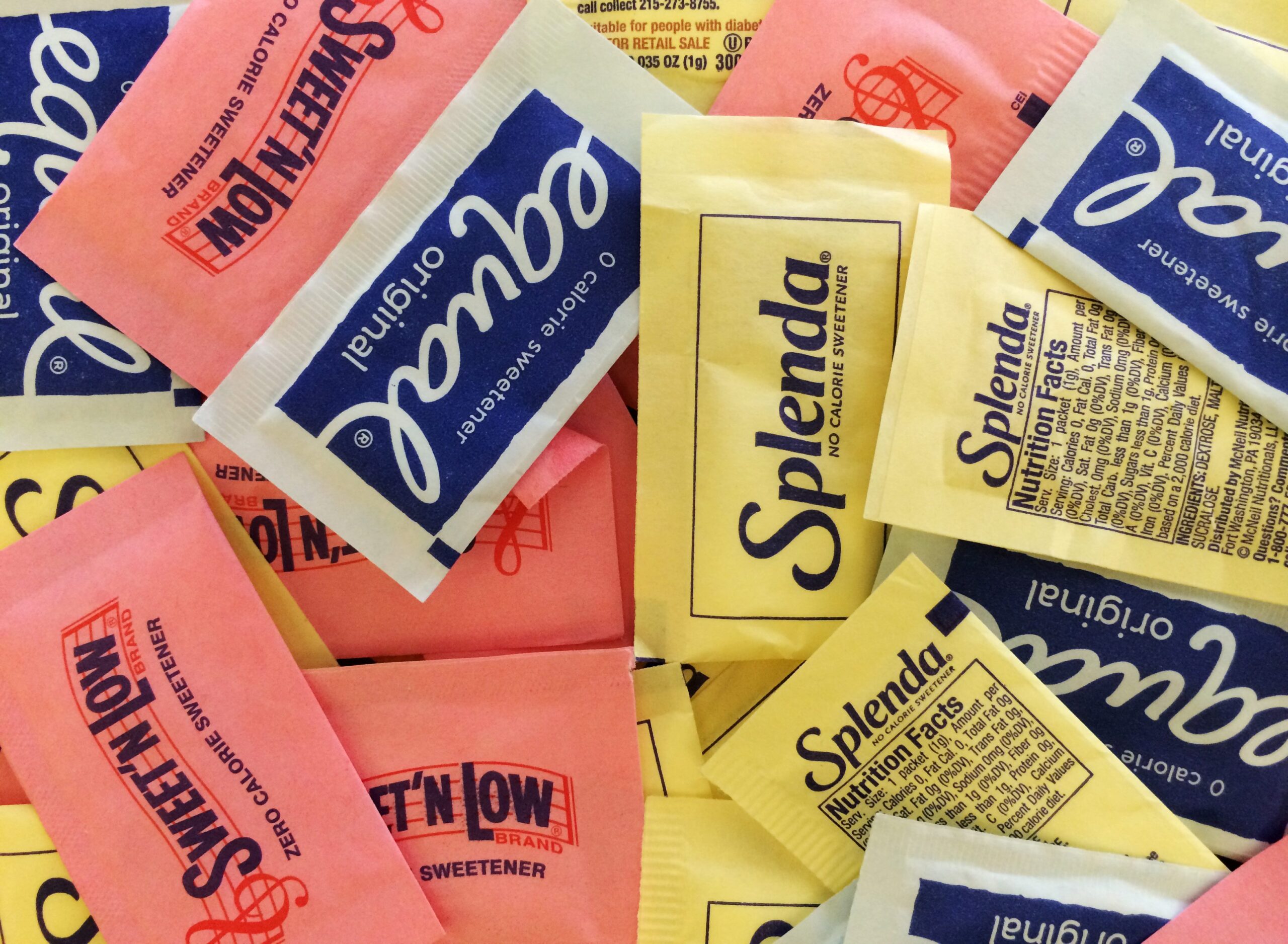
Artificial sweeteners are displayed, on Wednesday, Sept. 17, 2014, in New York. Artificial sweeteners may set the stage for diabetes in some people by hampering the way their bodies handle sugar, according to results of a study released Wednesday by the journal Nature. (AP Photo/Jenny Kane)

(Dr. Mercola)

The American Diabetes Association states foods and drinks that use artificial sweeteners are an option that “may help curb your cravings for something sweet” if you have diabetes. They’re among a number of public health organizations spreading the deceptive and incorrect message that artificial sweeteners make a sensible alternative to sugar for diabetics even as the research continues to accumulate to the contrary.

In a small, preliminary study presented at the European Association for the Study of Diabetes in Lisbon, Portugal, researchers at the University of Adelaide in Australia revealed that artificial sweeteners impair the body’s response to glucose, reducing control of blood sugar levels.1,2 The study involved 27 healthy participants who were given either capsules of the artificial sweeteners sucralose (brand name Splenda) and acesulfame K in an amount equivalent to consuming 1.5 liters of diet drinks a day or a placebo.

It took just two weeks for the artificial sweetener group to show adverse effects to their blood sugar levels, including a reduction in numbers of the gut peptide GLP-1, which limits the rise in blood sugar after eating. Lead study author Richard Young, associate professor at the University of Adelaide, said in a news release, “This highlights the potential for exaggerated post-meal glucose levels in high habitual NAS [noncaloric artificial sweeteners] users, which could predispose them to developing Type 2 diabetes.”3

Related: Healthy Alternative Sugars & More

Science Increasingly Suggests Artificial Sweeteners Contribute to Glucose Intolerance, Diabetes

Critics of the University of Adelaide study suggested it was too small and “impossible from the data available” to conclude that the observed changes would lead to diabetes.4 However, it’s not the first study to suggest such a link. For instance, drinking aspartame-sweetened diet soda daily increased the risk of Type 2 diabetes by 67 percent (regardless of whether the participants gained weight or not) and the risk of metabolic syndrome 36 percent in one study.5

Artificial sweeteners may increase your risk of weight gain, obesity, metabolic syndrome and other related problems like Type 2 diabetes by inducing “metabolic derangements,” according to a report published in the journal Trends in Endocrinology and Metabolism.6 Research published in Applied Physiology, Nutrition and Metabolism also found aspartame intake is associated with greater glucose intolerance in people with obesity.7

Glucose intolerance is a condition in which your body loses its ability to cope with high amounts of sugar, and it’s a well-known precursor to Type 2 diabetes. It also plays a role in obesity, because the excess sugar in your blood ends up being stored in your fat cells. This means obese individuals who use aspartame may have higher blood sugar levels, which in turn will raise insulin levels, leading to related weight gain, inflammation and an increased risk of diabetes.

Artificial Sweetener in Four Cans of Diet Soda Daily May Increase Fat Production, Inflammation

As far as sucralose goes, in April 2017 research presented at ENDO 2017, the Endocrine Society’s 99th annual meeting in Orlando, Florida, also found that this artificial sweetener promotes metabolic dysfunction that may promote the accumulation of fat.8

Sucralose was tested on stem cells taken from human fat tissue, which revealed that a dose similar to what would be found in the blood of someone who drinks four cans of diet soda a day increased the expression of genes linked to fat production and inflammation, as well as increased fat droplets on cells.9

Related: Holistic Guide to Healing the Endocrine System and Balancing Our Hormones

The study’s lead author, Dr. Sabyasachi Sen, associate professor of medicine and endocrinology at George Washington University in Washington, D.C., noted in a press release, “From our study, we believe low-calorie sweeteners promote additional fat formation by allowing more glucose to enter the cells, and promotes inflammation, which may be more detrimental in obese individuals.”10

The fact that the artificial sweetener was associated with increased glucose uptake in the cells was particularly concerning, as it could have detrimental effects for people with elevated blood sugar levels, like those with diabetes or prediabetes.11

Consuming Artificial Sweeteners Alters Gut Flora, Exacerbating Metabolic Disease

It’s a little-known fact that artificial sweeteners have been shown to induce glucose intolerance by altering gut microbiota.12 Research led by Eran Elinav of the Weizmann Institute of Science in Rehovot, Israel, first showed that mice fed artificial sweeteners developed glucose intolerance after 11 weeks. They then revealed that altering the animals’ gut bacteria influenced their glucose response.

Related: Candida, Gut Flora, Allergies, and Disease

Specifically, when they transplanted feces from glucose-intolerant mice consuming saccharin to mice with sterile intestines, the latter group developed glucose intolerance, “indicating that saccharin was causing the microbiome to become unhealthy,” Scientific American reported.13 Perhaps the most revealing part of the experiments came when the researchers tested artificial sweeteners on people. Scientific American continued:14

“[Elinav’s] team recruited seven lean and healthy volunteers, who did not normally use artificial sweeteners, for a small prospective study. The recruits consumed the maximum acceptable daily dose of artificial sweeteners for a week. Four became glucose intolerant, and their gut microbiomes shifted towards a balance already known to be associated with susceptibility to metabolic diseases.”

Splenda has also been found to reduce the amount of beneficial bacteria in rat intestines by 50 percent15 and depending on which ones are affected it could certainly affect your diabetes risk. Studies have found that the microbial composition in diabetics differ from nondiabetics.16

In particular, diabetics tend to have fewer firmicutes and more plentiful amounts of bacteroidetes and proteobacteria compared to nondiabetics. A positive correlation for the ratios of bacteroidetes to firmicutes and reduced glucose tolerance has also been found.

A researcher in Amsterdam, Dr. Max Nieuwdorp, has published a number of studies looking at changes in the microbiome that are characteristic of Type 2 diabetes.17 In one trial, he was able to reverse Type 2 diabetes in all of the 250 study participants by doing fecal transplantations on them. Remarkable as it may sound, by changing the makeup of the gut bacteria, the diabetes was resolved, so it’s not a stretch to think that the opposite could also hold true.

Diet Drinks May Trigger a Greater Metabolic Response Than Sugary Drinks

Part of the problem with artificial sweeteners is that the sweet taste they provide (in many cases even hundreds of times sweeter-tasting than sugar) does not match up with the energy (or calories) the food provides.

Your body, however, is designed to relate the two, and a recent study by Yale University School of Medicine researchers revealed that the mismatch that occurs when consuming artificially sweetened foods and beverages leads to disruptions to metabolism.18,19 In a Yale University press release, senior author and psychiatry professor Dana Small said:20

“The assumption that more calories trigger greater metabolic and brain response is wrong. Calories are only half of the equation; sweet taste perception is the other half … Our bodies evolved to efficiently use the energy sources available in nature. Our modern food environment is characterized by energy sources our bodies have never seen before.”

The study found that an artificially sweetened, lower-calorie drink that tastes sweet can trigger a greater metabolic response than a drink with a higher number of calories.21 Your body uses the drink’s sweetness to help determine how it should be metabolized. When sweetness matches up with the calories, your brain’s reward circuits are duly satisfied. However, when the sweet taste is not followed by the expected calories, your brain doesn’t get the same satisfying message.22

This may explain why diet foods and drinks have been linked to increased appetite and cravings, as well as an increased risk of diabetes and other metabolic diseases.23,24 When you eat something sweet, your brain releases dopamine, which activates your brain’s reward center. The appetite-regulating hormone leptin is also released, which eventually informs your brain that you are “full” once a certain amount of calories have been ingested.

However, when you consume something that tastes sweet but doesn’t contain any calories, your brain’s pleasure pathway still gets activated by the sweet taste, but there’s nothing to deactivate it, since the calories never arrive. Artificial sweeteners basically trick your body into thinking that it’s going to receive sugar (calories), but when the sugar doesn’t come, your body continues to signal that it needs more, which results in carb cravings.

Yale Cardiologist — and Ex-Diet Soda Fiend — Speaks Out Against Them

Dr. Harlan Krumholz is a cardiologist at Yale University School of Medicine who openly states, “I used to pound down diet drinks.”25 Like so many Americans, he believed the low-calorie, sugar-free drinks to be a guilt-free source of caffeine that helped him keep his weight down. Now he feels betrayed, and he’s speaking out against them. Krumholz cited a recent systematic review and meta-analysis of randomized controlled trials (RCTs) — the gold standard of research — which found:26

“Evidence from RCTs does not clearly support the intended benefits of nonnutritive sweeteners for weight management, and observational data suggest that routine intake of nonnutritive sweeteners may be associated with increased BMI [body mass index] and cardiometabolic risk.”

He also mentioned other concerning studies, like one that found artificial sweeteners activate different areas in the brain than regular sugar,27 which could ultimately influence feelings of hunger and reward pathways.

Another, conducted by his Yale University colleagues, found artificial sweeteners “are not physiologically inert compounds” and may “impact energy balance and metabolic function, including actions on oral and extra-oral sweet taste receptors, and effects on metabolic hormone secretion, cognitive processes (e.g., reward learning, memory, and taste perception), and gut microbiota.”28 Krumholz wrote in The Wall Street Journal that he’s stopped his daily diet drinks and is removing them from the rest of his diet as well.

It is reasonable to ask why these substances were not evaluated as drugs in the first place,” he says. “Millions of people are exposed to them every day, and yet their long-term effect is uncertain. Could they be actually causing the health problems they were intended to prevent? I don’t know the answer at this point, but it seems to me that the burden of proof is on the manufacturers to show benefit and demonstrate safety through clinical trials …

If, in the end, we discover that large-scale consumption of diet drinks and foods helped fuel the obesity epidemic, it would be more than ironic. It would be tragic.”29

Are You Ready to Ditch ‘Diet’ Foods From Your Diet?

I would not recommend waiting for public health agencies to catch up to the science and change their stance on artificial sweeteners before making changes to your diet. If you’re currently an artificial sweetener fanatic, or even if you consume them in moderation, ditching them from your diet is a smart move for your health. Be aware that they’re found not only in diet sodas but also in many low-calorie and reduced-calorie foods, from yogurt and ice cream to bread and salad dressing.

Stevia is an acceptable replacement, but I also suggest curbing your sweet cravings by eating fermented vegetables or drinking water with lemon or lime juice added — the sour taste helps reduce cravings, as does organic black coffee.30,31 To learn more, my book “Sweet Deception” has the details about why artificial sweeteners are so hazardous for your health as well as common artificial sweetener-related side effects to watch out for.

Most Milk Substitutes are Low in Iodine – Here’s Why it Matters

(The Conversation) Milk and dairy products are the main source of iodine in many diets, and an important iodine source in many countries. However, our latest research found that the iodine concentration of most alternatives to cows’ milk – such as soy and almond “milk” – is very low. This matters because deficiency of iodine, especially during pregnancy, affects brain development and is linked to lower intelligence.

As people increasingly switch from cows’ milk to alternative drinks, and their sales grow, we wanted to know if consumers of these products would be able to match the amount of iodine in cows’ milk. To do this we measured the iodine concentration of 47 milk substitutes available in the UK, including a range of different types: soya, almond, oat, rice, coconut, hazelnut and hemp (but excluding those marketed for infants and children).

Related: Homemade, Vegan Nut Milk Recipes and More

We found that most milk substitutes were naturally low in iodine; their concentration was around 2% of that of cows’ milk. And only three of the 47 drinks were fortified with iodine. While some manufacturers replace the calcium found in cows’ milk, the vast majority, including big brands, do not replace the iodine.

We are aware that consumers may choose these alternatives for a variety of reasons, including allergy or intolerance to cows’ milk, so it is important that they are aware of the low iodine content of milk substitutes and the potential health consequences.

Iodine matters

Most people don’t know that iodine is found in cows’ milk and are unaware that they need a certain amount in their diet. In the UK, iodine is not listed on the nutrition information labels on milk containers, and there is little knowledge that iodine intake matters – even among pregnant women.

Cows’ milk is an excellent source of iodine, with a glass (200g) providing around 70μg (micrograms), a considerable proportion of the 150μg iodine intake recommended for European adults every day. By contrast, our study found that a glass of milk substitute would provide only around two micrograms.

The drinks with added iodine (as stated on the ingredients label) provided a reasonable amount of iodine (between 45μg and 60μg per glass). But, as these drinks were not from a market leader, most consumers will probably not get enough iodine in their diet from this source.

Severe iodine deficiency during pregnancy is well known to cause impaired brain development and lead to lower IQ in the infant. It is for that reason that many countries have added iodine to table salt (iodised salt) in order to improve iodine intake and reduce the impact of deficiency on population health. As a result, the number of countries with severe iodine deficiency has been reduced, but some countries are still classified as mildly-to-moderately iodine deficient.

But as our earlier research has shown, even mild-to-moderate iodine deficiency in pregnant women is linked to lower IQ and reading scores in their children, up to nine years of age.

Other dietary sources

Of course, milk is not the only source of iodine. Other rich sources include seafood – particularly white fish, such as cod. Eggs are also a good source of iodine.

Cod is a good source of iodine. TunedIn by Westend61/Shutterstock

For people who cannot or will not eat these alternative sources – such as vegans or those who dislike fish – it can be hard to meet the recommended iodine intake. Some people may, therefore, need to consider a suitable iodine supplement to ensure that their intake is adequate.

Related:  Four Easy Ways to Improve Your Thyroid Function

It is very important that kelp supplements – often sold as an iodine source in health food shops – are not used, as they can provide excessive amounts of iodine.

Unfortunately, there is no test for iodine deficiency. To know if you’re getting enough iodine, you need to consider whether iodine sources are part of your diet. We have written a fact sheet on iodine, available through the British Dietetic Association, that can help you understand how to meet the recommendations.

Gut Bacteria a Key to Health

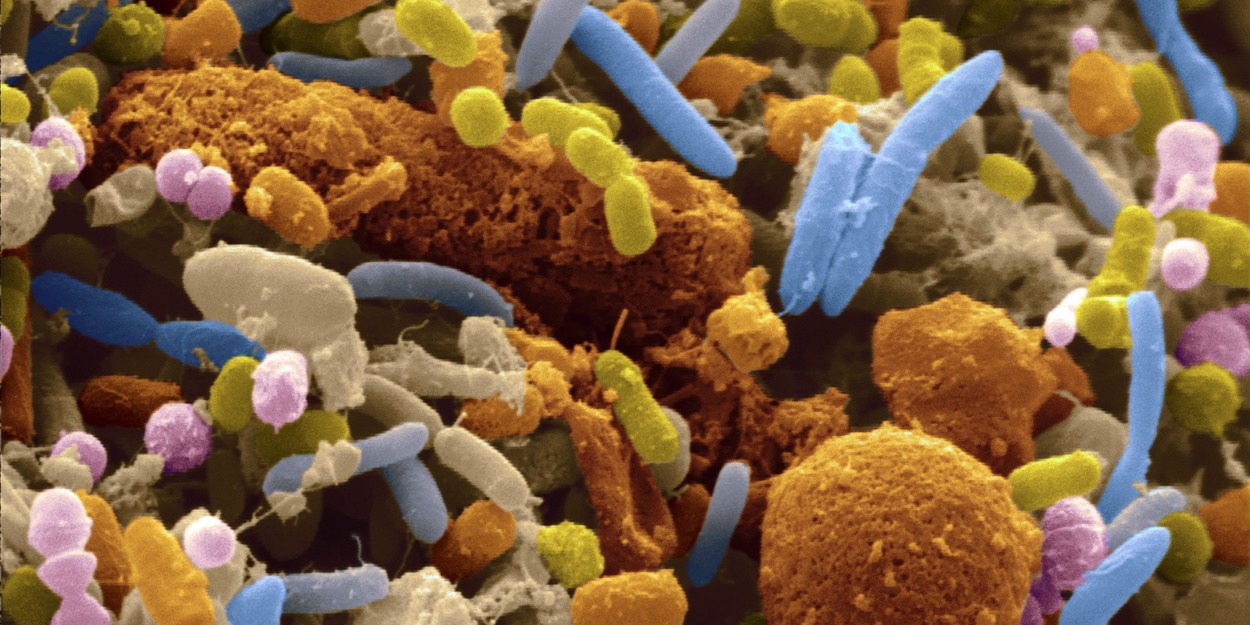
Human feces consist of undigested food residues and a great variety of bacteria. SEM shows a very large proportion of the bacteria and, thus, a high health hazard that the bacteria may contaminate food sources if hygienic rules are not adhered to, particu

(Mercola) If you’ve been trying to lose weight and making serious diet cuts in all the right places for weight loss, not just maintenance, but still not making progress, there may be something at play that is effectively blocking your success. According to new research, the problem might not be what’s already there, but what’s missing — specifically the right gut microbiota. Research at the University of Copenhagen, Denmark, found that the ratio between two types of gut microbes, Prevotella and Bacteroides, evidenced this premise.

For 26 weeks, 62 individuals with increased waist circumference were randomly assigned to either the typical diet enjoyed by the average Dane, or a low-fat, high-fiber diet that included fruits, vegetables and grains. At the end of the study,1 feces samples revealed that the people on the high-fiber diet with a high Prevotella-to-Bacteroides ratio (P/B ratio) lost an average of 10.9 pounds of body fat, which was 3.5 more pounds than the others.

As The New York Times noted,2 those on the regular diet with a high Prevotella ratio lost 4 pounds, compared with 5.5 pounds for those with a low Prevotella ratio, which was statistically insignificant. In short, the researchers concluded, “subjects with high P/Bratio appeared more susceptible to lose body fat on diets high in fiber … than subjects with a low P/B-ratio.”3

The key in weight loss success, as well as the difference, according to lead author, Mads F. Hjorth, an assistant professor at the University of Copenhagen, is that losing fat, rather than muscle mass, is what delivers a meaningful bottom line. Hjorth admitted that while studying the microbiome — the ecosystem of microorganisms in your gut — has, as yet, brought little in the way of practical results, their newest findings may end up being something they can use as a practical tool to aid in weight loss and overall health.

Must Read: Gluten, Candida, Leaky Gut Syndrome, and Autoimmune Diseases

Beyond Weight Loss: Probiotics to Help Prevent and Treat Colon Cancer

Scientists in the U.K. took a hard look at how the introduction of probiotics might change gut microbiomes and found it not only may help prevent the formation of tumors but even treat existing ones.4 In fact, their research,5 published in The American Journal of Pathology, found that the gut bacteria Lactobacillus reuteri has the potential for treating colon cancer, the third most common cancer in the U.S. other than skin cancer.

Several studies, including one in Malaysia6 and at least one intensive review7 of many studies targeting the subject, had already determined there are several factors that increase incidence of colorectal cancer, such as having been diagnosed with inflammatory bowel disease, certain genetic factors, lack of exercise, red meat intake, low vegetable and fruit consumption, whether or not you smoke, and being overweight or obese.

The upshot of The American Journal of Pathology study, led by Dr. James Versalovic, a professor of pathology and immunology at Baylor College of Medicine in Houston, is that your gut microbiome is a huge player in your overall health, including playing a role in the development of colorectal cancer.

While many of the mechanisms involved weren’t immediately known, research indicates probiotics can play a starring role in its prevention, with Lactobacillus reuteri, a naturally occurring probiotic in mammals, observed as reducing intestinal inflammation.

For the study, researchers administered L. reuteri to HDC-deficient mice (as well as using other mice given a placebo for comparison) to regulate their immune responses for observation. DSS, a substance that stimulates inflammation, was used along with azoxymethane, a carcinogenic chemical, to induce tumor formation. The actual mice studies took place 15 weeks later.

Must Read: Holistic Guide to Healing the Endocrine System and Balancing Our Hormones

Study Procedures and Proof Positive for Probiotics

Using positron emission tomography to scan for tumors, scientists observed that the probiotic-treated mice had fewer tumors, and the ones they had were smaller in comparison with the placebo mice, whose tumors were larger and greater in number.
Medical News Today explained:

“In adult mice, it has been noted that the lack of an enzyme called histidine decarboxylase (HDC) made the animals significantly more susceptible to developing colorectal cancer associated with inflammation of the bowels. HDC is produced by L. reuteri and helps to convert L-histidine, which is an amino acid with a role in protein synthesis, to histamine, which is an organic compound involved in the regulation of the immune response.”8

Two more items were deemed significant in the studies: inactive, HDC-deficient strains of L. reuteri exhibit zero protective effects, and the active strain of the probiotic even decreased inflammation caused by the DSS and azoxymethane chemicals given to the mice. Versalovic summed up the trials:

“Our results suggest a significant role for histamine in the suppression of chronic intestinal inflammation and colorectal tumorigenesis (tumor formation]). We have also shown that cells, both microbial and mammalian, can share metabolites or chemical compounds that together promote human health and prevent disease.”9

In this study, too, scientists are said to be unsure about the function of histamine in humans in relation to cancer, which is interesting since among 2,113 people with colorectal cancer, data “suggested” that those with higher levels of HDC have a better survival rate. The team asserted that probiotics help convert L-histidine into histamine, which could be used to both lower colorectal cancer rates and aid treatment, and Versalovic concluded:

“We are on the cusp of harnessing advances in microbiome science to facilitate diagnosis and treatment of human disease. By simply introducing microbes that provide missing life substances, we can reduce the risk of cancer and supplement diet-based cancer prevention strategies.”10

Must Read: Candida, Gut Flora, Allergies, and Disease

‘Borrow’ Younger Gut Microbes to Increase Longevity

Studies on fish introduced the novel idea that gut microbes injected into older individuals might also inject more vim and vigor, while also helping them live longer. Some of the world’s shortest-lived vertebrates, turquoise killifish that swim in short-lived ponds formed by rainy seasons in Zimbabwe and Mozambique, were the lucky recipients of gut microbes from slightly younger fish — lucky because they lived longer.

A research team from the Max Planck Institute for Biology of Ageing in Cologne, Germany, arranged for older killifish — middle-aged at 9.5 weeks — to ingest the gut microbes belonging to killifish only 6 weeks old. Nature reported:

“The transplanted microbes successfully recolonized the guts of the fish that ate them, and extended their lives. The median life span for these animals was 41% longer than that of fish exposed to microbes from middle-aged animals, and 37% longer than for fish that received no treatment.

At 16 weeks — old for killifish — the individuals that received gut microbes from young fish were more active than other elderly fish, with activity levels more like those of 6-week-old fish.”11

Bulletproof 360 equated the concept with cutting-edge science that wages war on aging using an “experimental technique” called parabiosis,12 an allegedly 150-year-old science that connects the vascular systems of old and young animals to see how the exchange of blood might impact their health, behavior and anything else that might change.

But rather than using blood, scientists used the contents of the guts — poop — in the killifish microbe exchange, aka fecal transplantation therapy, as they, just like humans, are full of a comparable set of good and not-so-good gut bacteria. It’s difficult to say how the fish were feeling, but they appeared to be livelier and more active upon receiving the younger microbes.

Must Read: Hypothyroidism – Natural Remedies, Causes, and How To Heal the Thyroid

The Importance of Good and Bad Gut Bacteria

When your gut microbiome is balanced, your general function, like the fish, is one that reflects a boost in energy because all-around, you’re healthier. When your microbiome is lacking in healthy bacteria, as researchers report, you feel physically depleted and your performance suffers.

Not surprisingly, your microbiome profile can change as you age. Your body consists of around 100 trillion microbes that, when properly balanced, protect your gut, your immune system function and, consequently, your overall health. Here’s how it works:

“Gut microorganisms help you digest your food, and byproduct from the microbes eating your food (yes, it’s bizarre but it works) can be helpful to your system. Around 75 percent of your vitamin K supply is produced in the intestines by gut bacteria. Gut bacteria also help your body make its own B vitamins and absorb the B vitamins that come from food.”13

Many factors can change your gut health, for better or worse, including those listed in the table below:14

Your diet Exposure to germs
Stress Drugs
Alcohol consumption Your weight

You’ll notice there’s one more factor that can affect the balance of your gut bacteria, and that’s age. You may also notice that other than age, all the rest of the above can be controlled. If you’ve ever marveled at the way a 5-year-old can tear up a playground for hours, and college students can stay up studying night after night without seeming to be adversely affected, gut microbiomes, to a large degree, can be thanked.

The fact is, the gut health of older individuals tends to be vastly different from those of people much younger, and it changes energy levels, cognitive function, muscle strength and immunity, studies say.15 The good news is that healthy gut bacteria can make all the difference in the way you age.16 Taking good care of yourself by paying attention to the items on the above table is not just wise for protecting your health now, but for your future health and even your chances of living longer.

Must Read: Start Eating Like That and Start Eating Like This – Your Guide to Homeostasis Through Diet

Getting Your Own ‘New’ Gut

Your health is often a direct result of behaviors you engaged in last week, last year and even decades ago, depending on your age. Scientists have linked diseases like Parkinson’s and chronic fatigue to the microscopic organisms and bacteria in your gastrointestinal tract.17,18 Taking prescription medications is another way your body can be thrown out of whack, including combinations of drugs you might be taking that often cause serious and even deadly side effects and health issues.

In fact, it’s not your genes that determine your longevity, as some believe, as in “My grandfather and my father both died of heart disease, so I probably will, too.” Research strongly supports environmental factors as being responsible for the diseases that plague so many people.

It’s the expression of your genes that counts, and that is heavily influenced by your lifestyle choices. Even up to 90 percent of a person’s cancer risk is due to changeable factors such as the items listed above, while only 10 percent can be attributed to genetic defects, one study affirms.19

Nourishing your gut bacteria is one of the most crucial steps in maintaining health, and that can be done by eating traditionally fermented foods such as raw grass fed yogurt, kefir and fermented vegetables, which you can make at home, and foods containing fiber, such as nuts and seeds, fruits and vegetables, and other foods to promote better digestive health.

Must Read: How to Cure Lyme Disease, and Virtually Any Other Bacterial Infection, Naturally

Probiotic supplements can also be beneficial. Avoiding sugar, as well as processed, packaged foods, will go a long way toward balancing and optimizing your gut health. The more you take care to develop gut health. The more it will help increase your energy, improve your sleep, balance your stress levels, diminish your risk for cancer and other diseases and even help you lose weight. Making small changes now will pay big dividends in the way you think, feel and function.

Indian Doctors Talk Aspartame In Soda And Infertility In Men And Women

Diet soda

(Natural Blaze) While a “sedentary lifestyle” is the new modern scapegoat for all that ails us, Indian doctors are pointing fingers at ingredients commonly found in sodas: ingredients in both diet and regular.

At the beginning of summer, India’s biggest independent news network reach out to fertility and gynecological doctors to get their input on carbonated beverages and their effects on fertility in men and women.

Arvind Vaid, an IVF expert said:

Almost all of the soft drinks and sodas contain aspartame which is linked to many health problems including infertility, malformations and miscarriages.

He added that, “Excess consumption leads to hormonal imbalance and fluctuation that causes ovulatory disorders and even worsens PMS.”

Related: Healthy Sugar Alternatives & More

The experts said that the problem was the isolation of two amino acids: phenylalanine and aspartic acid. When not with other amino acids, they say that eating the unaccompanied aminos leads to free radical damage and stimulating healthy cells to death. The byproduct of aspartame actually metabolizes into formaldehyde and accumulates in the tissues of rats for a long time after oral exposure. Substances like this are often called excitotoxins and excite brain cells to death.

“Sperm and ovum, being cells, have 90 percent chance[] of dying when this is consumed in excess. It is advised by many doctors and experts to avoid anything that helps in the formation of free radicals in the body for the significance of reproductive health,” Vaid said.

Additionally, if a substance affects the pituitary-thyroid axis (endocrine system) it stands to reason that it affects sex hormones, maybe not directly, but as it affects the parts of the brain in control of sex hormones.

See: 92 Aspartame Side Effects, Just to Name a Few

They don’t just level caution about diet sodas, however. They find that regular sodas cause harm, too.

Related: Foods That Feed Candida

Rachna Jaiswar, associated with Gynaecology Department of Safdarjung Hospital, notes that sperm cells cannot find enough nutrients in a high pH environment and adds:

Soda is a highly acidic beverage, which alters the pH level of the body with excess consumption.

Moreover Bisphenol-A (BPA), a chemical that reduces the male semen quality, is found in the lining of plastic bottles and most canned goods. Men who consume soft drinks more often are at 4 times the risk of lowering their sperm count, motility and concentration.

Lastly, they take problems with both caffeine and high fructose. IVF expert Radhika Vajpayee says:

Caffeine is known to be a vasoconstrictor that reduces uterine blood flow thereby reducing menstrual bleeding and shortening the duration of menses. Combination of caffeine, aspartame and fructose affects the sex hormones and the hormone receptors, even leading to infertility.

Related: The Toxic Toothpaste Ingredients That You Need To Avoid For Good Oral Health

Interestingly, these experts don’t buy the safety information about artificial sweeteners and even sodas that belches out of America. They don’t pull punches – for a better chance with fertility, it is prudent to find replacements for carbonated beverages such as sparkling mineral water with fruit or kombucha.