There are better ways to foster solar innovation and save jobs than Trump’s tariffs

President Donald Trump’s decision to impose punitive duties on imported solar panels and related equipment is rankling most of the industry.

This was the final step of a process that began when two U.S. subsidiaries of foreign solar panel makers filed a rarely used kind of trade complaint with the International Trade Commission. Trump largely followed the course of action the independent U.S. agency had recommended to protect domestic manufacturers from unfair competition.

But far from protecting U.S. interests, the tariffs are bound to stifle the current solar boom, destroying American jobs and dragging down clean energy innovation. As economists who research climate and energy policies that can foster a greener North American economy, we argue the government should instead create targeted subsidies that support innovation and lower costs across the supply chain. This approach would do a better job of helping the U.S. industry fend off foreign competition without harming the industry itself.

A booming industry

The U.S. solar industry has enjoyed unprecedented growth in recent years, thanks to the rapidly declining cost to install solar systems and tax breaks for homeowners, businesses and utilities that have expanded demand but are being phased out. Prices have plunged to roughly US$1.50 per watt from around $6 in 2010 due to both innovation that made it less expensive to make panels anywhere and cheap imports.

In 2016, 87 percent of U.S. solar installations used foreign-produced panels, also known as modules, primarily from China.

The rapid decline in solar panel costs has been driven by policies in China and elsewhere intended to expand domestic manufacturing of these products.

The problem is not unique. Other countries dependent on cheap solar imports, including Germany and Canada, are also grappling with how to sustain the solar boom while protecting their own domestic manufacturers from unfair foreign competition.

The trade commission sent Trump its recommendations in the fall of 2017, giving him until Jan. 13 to accept or reject its guidance. Later, U.S. Trade Representative Robert Lighthizerasked the agency to draft a “supplemental” report, which effectively extended the president’s deadline for setting the tariffs.

The request, observers surmised, may have signaled concern about the this case’s potential to spiral into a broader trade dispute with China and other major U.S. trading partners.

That may explain why the duties imposed are not as steep as the maximum 35 percent ratethe U.S. International Trade Commission had recommended. The tariffs will begin at 30 percent and then taper down in 5 percent increments over four years, ending at 15 percent in 2022. And they won’t apply to the first 2.5 gigawatts worth of imported solar cells, which domestic manufacturers use to build panels made in the U.S.

Solar job growth

Solar job growth took off in 2010. By 2016, more than 260,000 Americans worked in the industry, up from fewer than 95,000 seven years earlier.

An uninterrupted solar boom would create even more jobs. The number of solar panel installers, for example, would more than double from 11,300 to 23,000 within 10 years at the current pace of growth, which would make it the fastest-growing profession, according to the Bureau of Labor Statistics. Another renewable energy mainstay, wind turbine technician, came in a close second.

Imposing tariffs on imported panels would cloud that outlook, largely becausemanufacturing accounts for less than 15 percent of U.S. solar jobs while installation amounts to more than half of them, according to the Solar Foundation’s annual census. If panels get more expensive, the cost to go solar will rise and demand will fall – along with the impetus to employ so many installers.

The Solar Energy Industries Association, a trade group that represents many companies in the industry, objected to the new duties, saying they could cost the industry 23,000 jobs in 2018.

Smarter subsidies

Despite the robust growth in wind and solar employment and its official support for an “all of the above” energy policy that combines fossil fuels, nuclear power, biofuels and renewable energy alternatives like wind and solar, the Trump administration has sought to slash support for alternative energy through the federal budget.

We agree that the government should encourage solar panel manufacturing within the nation’s borders. But there are better ways to support this important priority than by raising prices on imported equipment through punitive tariffs.

China’s edge in solar panel manufacturing – apart from low wages – is driven by scale and supply-chain development, spurred by cost inducements like low-interest loans, technology development assistance and cheap land. Other newly industrialized countries like South Korea and Taiwan have followed China’s lead by fostering their own solar manufacturing bases with targeted subsidies.

We believe the U.S. should follow suit. In addition to directing subsidies to reduce the costs of the solar supply chain, the government should also increase subsidies for private research and development for green innovation. Currently, federal financing for private solar R&D lags far behind levels seen in China and the European Union.

These subsidies could be funded by the tariffs the government was already collecting on solar panels imported from China and elsewhere before these new duties were considered.

If the U.S. government deems that additional restrictions are required, then it makes sense to follow a separate recommendation to freeze solar panel imports at 2016 market share levels. The government should then auction off the rights to import foreign solar panels to U.S. installers.

The government could spend the proceeds from these auctioned import licenses on domestic innovation and other efforts to cut supply chain costs for U.S. manufacturers of solar panels and related equipment.

While World Trade Organization rules limit the use of subsidies that explicitly promote a country’s exports in global markets, the ones we are proposing would likely be WTO-compliant.

This is because their aim is to make the U.S. solar industry more competitive within the domestic market, given the government’s earlier findings that cheap imported panels are being dumped – sold too cheaply – here.

Why make an exception

Like most economists, we believe that subsidies should be avoided except in special circumstances. Here are three reasons why this industry is an exception.

First, when one nation subsidizes solar panel production and exports those panels, it makes it cheaper to go solar in other countries, effectively cutting the cost of implementing climate policies abroad.

Second, when solar energy replaces fossil fuels in one place, the declining carbon emissions benefit people around the globe. Climate change, after all, affects the entire world.

Third, R&D investments made in any one economy eventually add to the global knowledge base. Improving solar technology will ultimately benefit the entire industry worldwide.

The Trump administration’s solar tariffs will yield none of these benefits. In fact, they could instigate a trade war over clean energy products with our trading partners globally.

That is why we believe that the smarter subsidies we are proposing are a better way to sustain the U.S. solar industry and protect jobs.

Marijuana Advisor To Sessions Wants To Drug Test Everyone

Drug Test

(Natural Blaze by Heather Callaghan)  “We want [drug screens] to be routine in all medicine…” It’s bad enough in 2018 that the war on drugs still exists in the deluded minds of government higher-ups, just as some states begin to legalize recreational marijuana. And just as they do, Attorney General Jeff Sessions dropped the bomb that the Federal Government ended its leniency toward states’ rights for medical marijuanaThus, we devolve as a nation.

But the biggest blow to Americans was when Sessions’ DEA, although going after marijuana as a dangerous substance – in essence gave a Pharma opioid maker the rights to a partial national monopoly on synthetic THC!

What’s worse, it looks like the War on Drugs has just collided with Mad Medicine.

Herb.co reports:

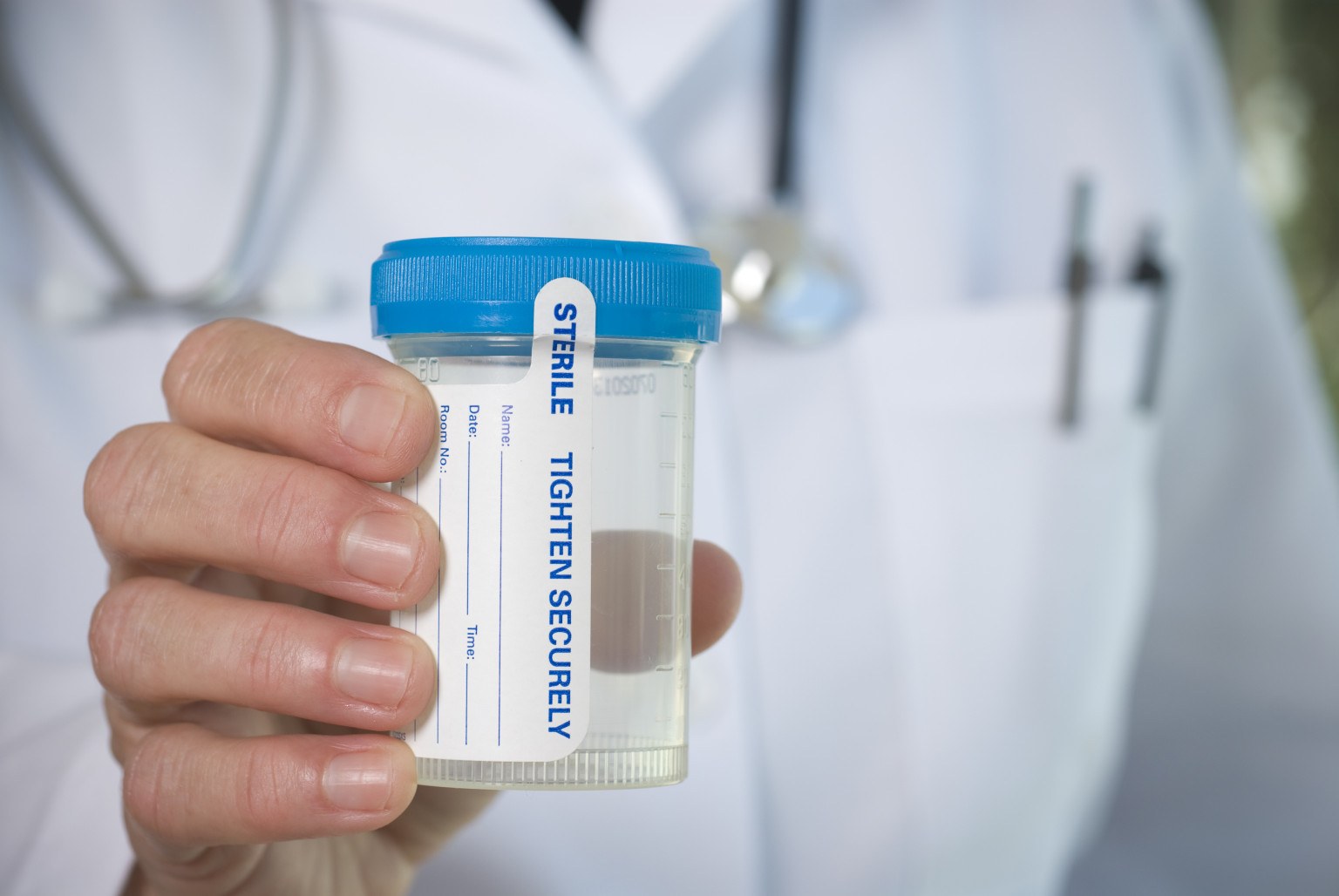
A top-level advisor to Attorney General Jeff Sessions wants doctors to drug test all their patients, and to force users, they suspect of addiction into rehabilitation against their will. If Robert DuPont gets his way, drug testing could become a required part of your visit to the doctor.

DuPont, 81, is one of a small group of drug-policy “experts” Sessions invited to a closed meeting last month to discuss federal response to marijuana legalization. He is one of the most hardline and influential architects of the Drug War, having started out in the 1970s as a liberal on the drug control issue. But by the 1980s DuPont had taken a hard right turn, popularizing the long-debunked claim that cannabis is a “gateway drug.”

DuPont wants to force people into treatment for up to 5 years.

In an interview last year, DuPont pushed for expanding drug testing. His idea includes having physicians force patients whom they believe to have substance abuse problems to submit to drug tests, or lengthy stays in treatment facilities reportsNewsweek.

“Among other things, he proposed giving doctors the authority to compel suspected substance abusers into treatment against their will,” reportsThe Daily Beast. “Once in treatment, patients could face up to five years of monitoring, including random drug tests.”

“We want [drug screens] to be routine in all medicine,” DuPont said. “Doctors already check for things like cholesterol and blood sugar, why not test for illicit drugs? Right now the public thinks that if we provide treatment the addicts will come and get well … that’s not true. So let’s use the leverage of the criminal justice system.”

It is quite the understatement to say that America has been ejected right off that proverbial slippery slope. Can you imagine anything more invasive when modern medicine and drug laws are already so intrusive?

DuPont doesn’t even want to try treatment but views all drug use as a forbidden crime for which there must be government intervention.

In 2010, he penned a national model bill that “called on cops to test anyone stopped for suspicion of driving under the influence for all controlled substances, and arresting them on the spot if the slightest trace showed up — regardless of the amount. While the bill includes an exemption for drivers with prescriptions, cannabis users would still get busted. Medical-marijuana patients don’t have prescriptions (due to federal law), just doctor recommendations.”

That bill would not only punish legal medical marijuana patients in states which permit its use, but anyone for any substance that is legal to consume – even alcohol or medicine. Any failure of a bodily drug test would constitute possession of the substance!

So with DuPont’s ideas, we could look forward to a nation of forced drug testing, invasive extraction of bodily fluids, zero tolerance of substances including alcohol or cold medicine, instant arrests and federal charges of crimes for any deviation. Bye, bye 4th Amendment.

A few notable things about DuPont:

  • He was the former drug czar to Richard Nixon.
  • Vaguely warned The Washington Post the marijuana would have “horrendous” effects on society.
  • Although serving for the National Institute on Drug Abuse (NIDA) he later had ties to the drug-testing industry. (source)
  • “In 2000, he appeared before the federal Food and Drug Administration, pushing for expanded hair follicle testing.” ! (source)
  • Yes, it is and would be financially gainful for him to continue opposing friendly cannabis legislation. He was a ” paid consultant and shareholder in Psychemedics, which offered costly hair testing analysis.”

What else can we say? Whereas the state laws allowing cannabis freedom were a breath of fresh air in the midst of a war on freedom – we are heading back to the dinosaurs where the breath of aging, drug-war addled elites whispers into the ear of the Attorney General. President Trump is strangely absent from these conflicts.

Recommended Reading:

Government Knew About Dangerous MMR Vaccine Strain, Used It On Children Anyway

BERLIN, GERMANY - FEBRUARY 26: A children's doctor injects a vaccine against measles, rubella, mumps and chicken pox to an infant on February 26, 2015 in Berlin, Germany. The city of Berlin is facing an outbreak of measles that in recent weeks has led to over 700 cases and one confirmed death of a little boy who had not been vaccinated. Vaccination in Germany is not compulsory by law though the vast majority of parents have their children vaccinated. (Photo by Sean Gallup/Getty Images)

(Natural Blaze bBrandon Turbeville) Because mass media and technology are geared to shift from one topic to the next with no real depth or understanding of the subject matter, the vast majority of people, even those who are generally more intelligent, simply cannot remember important events that took place only a year ago. For that reason, it is occasionally important to revisit recent occurrences in order to refresh the collective memory.

Nearly ten years later, many will simply not remember that the UK government, which today nauseatingly pushes vaccines and vaccine propaganda, allowed a dangerous MMR shot (more dangerous than regular MMR shots) to be sold on the market for two years in the UK, putting millions of children at risk in addition to the already toxic and deadly nature of the vaccine at play.

Related: How To Detoxify and Heal From Vaccinations – For Adults and Children

Government officials were made aware of some problems with a version of the MMR vaccine in other countries but still introduced it in Britain in the late 1980s, newly released documents show.

The MMR vaccine with the Urabe strain of mumps was first used in Britain in October 1988. It was blamed for the deaths of several children after being withdrawn by the Department of Health in September 1992.

Previously confidential documents released under the Freedom of Information Act show how officials gradually learned of the dangers of the Urabe strain MMR which caused encephalitis-type conditions, including meningitis. Involving swelling of the brain or of the lining of the brain or spinal chord, they can lead to brain damage, deafness or even death.

The papers show that many months before the Urabe MMR vaccine was introduced in the UK, officials were made aware of problems in America, Sweden and Canada.

Related: The MMR Vaccine – A Comprehensive Overview of the Potential Dangers and Effectiveness

The first warning came when an unnamed official at a meeting of the Government’s Joint Committee of Vaccination and Immunisation in May 1987 “expressed his reservations concerning reported adverse reactions to MMR in the USA”.

The second came in a letter from the Central Microbiological Laboratory in Sweden in September that year, where authorities reported “52 cases of febrile convulsions probably associated with MMR vaccination”.

Then, a Government working party on the introduction of the measles, mumps and rubella vaccine, learned of “a report of cases of mumps encephalitis” in Canada at a meeting in Feb 1988.

The documents show that the statistical risk from Urabe MMR was considered to be low. The UK went ahead with its nationwide MMR programme in October 1988 in which 85 per cent of the triple-vaccinations contained Urabe.

The minutes of another meeting of the Joint Committee on Vaccination and Immunisation, in May 1990, show that there was “especial concern” about “reports from Japan of a high level of meningoencephalitis associated with the administration of MMR”.

Related: Doctors Against Vaccines – Hear From Those Who Have Done the Research

Yet the government waited another two years before ending its use of the Urabe MMR vaccine. That decision to stop using the Urabe vaccine, however, only came after the manufacturer informed the government that they were going to stop making it.

The Telegraph continued by writing,

The minutes were obtained by the FOIA Centre, a specialist research company, on behalf of one of the parents of a child in a group bringing litigation at the High Court. The Government insists it acted swiftly as soon as it became aware of the dangers of Urabe MMR in September 1992.

Sir Liam Donaldson, the chief medical officer, told one of the parents in a letter: “As soon as the Department of Health had clear evidence that there was a risk with Urabe-containing MMR and that there was no such associated risk with a different strain of mumps virus (the Jeryl Lynn strain) used in an alternative MMR vaccine, the department moved quickly to discontinue use.”

Related: How Plumbing (Not Vaccines) Eradicated Disease

The Telegraph cont.,

Prof Kent Woods, chief executive officer of the Medicines and Healthcare products Regulatory Agency, confirmed that the UK authorities had been aware of “sporadic cases” in Canada. However, the risk of meningoencephalitis from Urabe MMR was lower than the risk of the same condition resulting from “wild-type mumps virus”, he said.

Urabe MMR was withdrawn “following reports of generally mild transient meningitis caused by the mumps vaccine virus in some children who recently received the Urabe mumps vaccine containing products”.

Yet, in typical fashion, the government admitted no wrongdoing, instead doubling down on its collectivist view that the “benefits outweigh the risks” and that you can’t make an omelet without breaking a few eggs. Too bad if you’re the egg.

The Telegraph wrote,

A Government spokesman said: “The UK investigated the evidence and acted promptly when this problem with Urabe strain of mumps vaccine was identified.

“On the basis of information obtained in studies, the UK was in a position to make an informed decision on whether to continue using the Urabe vaccine, as there was an alternative vaccine strain, called Jeryl Lynn, which did not appear to have the same risk.”

The spokesman added: “In 1992 the Committee on Safety of Medicine considered all of the evidence and concluded that the benefits of vaccinating with Urabe mumps strain vaccines still outweighed the risks.”

Although haven taken place in 2007, it is important to revisit incidents such as these in order to show how much things change while they remain exactly the same.

Who Does The Childhood Vaccine Injury Act Protect?

(Natural Blaze) The laws of a country are, generally, designed to protect its citizens. How this ideal is interpreted is a topic of debate in various circles, but its goal is lofty, if not quite perfect. Of specific necessity are laws aimed at protecting children, including child abuse, welfare, and labor laws. Of zero necessity, in my view, is the National Childhood Vaccine Injury Act(NCVIA), which sounds like it has the best interests of this nation’s young citizens in mind, but actually serves a much different purpose.

Congress passed the NCVIA in 1986, and President Ronald Reagan signed it into law soon after. Taken at face value, the law has some admirable provisions: it established improved communication regarding vaccines across all Department of Health and Human Service agencies; required health care providers who administer vaccines to provide a vaccine information statement to the person getting the vaccine or his or her guardian; and established a committee from the Institute of Medicine to review the literature on vaccine reactions.

 Recommended Reading: How to Detoxify from Vaccinations & Heavy Metals

Dig a little deeper, however, and the NCVIA does less to protect patients than it does drug companies making vaccines. When Reagan signed the NCVIA, he also created the National Vaccine Injury Compensation Program (VICP), which allows anyone—children and adults—who have suffered an injury (or worse) following a vaccination to file a claim. To date, it has paid out nearly $4 billion in compensation since 1988, including the 2008 case of Hannah Poling, whose family received more than $1.5 million in a landmark court award for a vaccine-autism claim.

Lifting liability

While this might sound like a good thing, one must read between the lines. The NCVIA also sets limits on the liability of vaccine manufacturers. They don’t have to pay a dime, in most cases, if someone is injured as a result of a product they make. Is there any other industry afforded such immunity? The pharmaceutical industry makes billions of dollars annually producing, promoting, and injecting a product that is known to injure people in myriad ways, and bears zero responsibility when a child—or an adult—suffers as a result.

The system is broken, and it’s why the founders of the nonprofit National Vaccine Information Center (NVIC), which worked with Congress in the 1980s to get the NCVIA passed, began calling in 2015 for its repeal. In a press release, NVIC co-founder Barbara Loe Fisher noted that the federal vaccine injury compensation program has become “a drug company stockholder’s dream and a parent’s worst nightmare.” In the same document, co-founder Kathi Williams argues that the provisions that their organization helped secure in the law are not being enforced, and most children getting government-recommended vaccines are denied vaccine injury compensation.

That zero liability rests on the vaccine manufacturers is a travesty of epic proportions.
Recommended Reading: How Plumbing (Not Vaccines) Eradicated Disease 

I echo their calls for repeal. Children are given between 53 and 56 vaccine doses containing 177 to 232 antigens between birth and age 18. Vaccine reactions range from a mild fever, muscle/joint pain, and injection site swelling to seizures, trouble breathing, vomiting, and permanent brain damage. Though considered “rare” by the U.S. Centers for Disease Control and Prevention, these more serious effects admittedly occur, and people suffer. That zero liability rests on the vaccine manufacturers is a travesty of epic proportions.

And yet, is anyone truly surprised? This is the same cast of characters that knowingly inserts neurotoxins such as mercury and aluminum into its products, and uses advertising and public awareness campaigns to further enrich themselves and ensure that vaccine injury stories are never shown to the public.

Vaccines and vaccine safety are emotionally charged issues. But setting aside the history of this controversy and its consequences, the passage of NCVIA raises an overarching issue that should concern consumers of any product, vaccine or otherwise.

Perhaps not surprisingly, vaccine safety deteriorated when consumers were no longer able to sue vaccine manufacturers.

Safety vs. profit

 A 2017 study published in the Review of Industrial Organization looked at whether removing the right to sue—called “delitigation”—affects product safety, and highlighted specifically the effects of NCVIA on the vaccine industry. Perhaps not surprisingly, vaccine safety deteriorated when consumers were no longer able to sue vaccine manufacturers.

Author Gayle DeLong, PhD, an economist at Baruch College, attributes this decrease in safety to the expanded array of vaccines allowed by NCVIA, and argues that some vaccines likely never would have been developed at all if consumers had retained the right to sue. Losing the ability to sue companies for bad products results in the production of more bad products, or maybe not as many good ones, because the companies are inoculated from harm.

The VICP is a no-fault program designed specifically and intentionally to shield vaccine manufacturers, rather than protect the people harmed by vaccines. This system has lined the pockets of pharmaceutical companies for decades, while simultaneously giving them the green light to continue making unsafe vaccines that put people—particularly children—at risk for lifelong, serious health problems and even death.

Rewarding bad behavior

Rather than continue under an arrangement that essentially rewards bad behavior, NCVIA should be repealed and eventually replaced with more thoughtful legislation regarding vaccines. Given the sheer number of things with which we inject millions of children on a daily basis in this country, shouldn’t someone be held responsible when things go awry? The knee-jerk reaction of our government shouldn’t be to protect the entity that is hurting people. It should be to clearly and concisely articulate how vaccines can be made safer, and penalize those who don’t comply.

Recommended Reading: Vaccine Propaganda Vs Vaccine Truth

We all try to take personal responsibility in our lives, whether for our own actions or for those of our children. We try to teach them right from wrong, to admit when they’ve done something they shouldn’t have, and show them how to correct it. It’s unfortunate that the same standards that apply to seven-year-olds don’t apply to pharmaceutical companies.

Increase in Vaccine-Related Shoulder Injuries

(Dr. Mercola) Many people experience temporary soreness in their shoulder after receiving a vaccination in the area, but for some the soreness turns into chronic pain and limited range of motion. Some people are so badly affected that they become unable to move their shoulder altogether, known as frozen shoulder, or suffer from nerve damage and rotator cuff tear. The condition, known as shoulder injury related to vaccine administration, or SIRVA, is on the rise, according to data from the Vaccine Adverse Event Reporting System (VAERS).1

In fact, the condition is occurring often enough that it was recently added to the federally operated vaccine injury compensation program’s (VICP) Vaccine Injury Table, which lists some, but not all, serious side effects that are known to be caused by vaccines.

In order to win federal compensation for a vaccine injury, a person must prove he or she developed certain clinical symptoms and health conditions listed on the Table within a certain timeframe of receiving a certain vaccine, and demonstrate that there is no more biologically plausible explanation for the vaccine-related injury or death.

In the case of SIRVA, 202 people were awarded compensation for SIRVA in 2016.2 According to Dr. H. Cody Meissner, professor of pediatrics at Floating Hospital for Children, Tufts Medical Center in Boston, Massachusetts, “Many instances of SIRVA may be avoided by proper vaccination technique and positioning.”

Related: Reasons Not To Vaccinate

A Vaccine Administered Too High Up on Your Shoulder May Lead to SIRVA

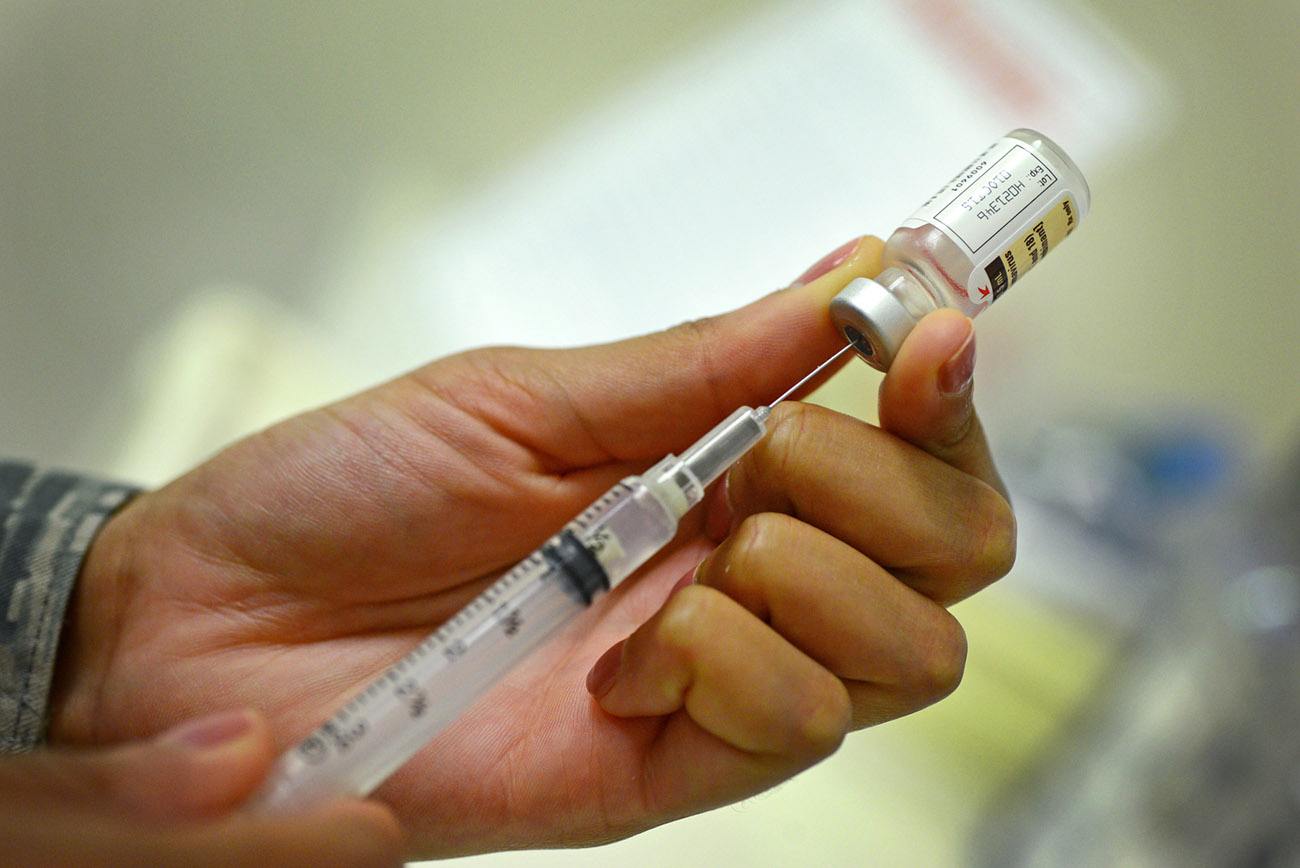
Many vaccine side effects are related to the ingredients in a vaccine. SIRVA is unique in that it’s primarily caused by how the contents of the vaccine are injected into the arm. A vaccine given in your shoulder is intended to go into your muscle. If it is not administered correctly and goes into the bursa, a fluid-filled sac that protects your shoulder tendons, trouble can result. Specifically, the vaccine may provoke your immune system to attack the bursa, sometimes leading to debilitating symptoms. As The Washington Post reported:3

“These injection-caused injuries often make simple tasks — such as lifting your arm to change a light bulb or reaching behind you to put your arm through the sleeve of a jacket — painful, even impossible. Some victims cannot use their shoulder at all and must find ways to compensate using the other one.”

The Washington Post interviewed Dr. G. Russell Huffman, an associate professor of orthopedic surgery at the Hospital of the University of Pennsylvania, who said when he first heard a patient complain of shoulder pain following an injury in 2009 or 2010, he “blew it off.” But then the complaints started to become more common.

Related: Vaccines, Retroviruses, DNA, and the Discovery That Destroyed Judy Mikovits’ Career

“Since then, I’ve seen more than a dozen patients who have suffered shoulder injuries after vaccinations. Almost universally, when I ask where the shot went, they point really high up on the arm,” Huffman said.4 A patient, Barbara Steele, who spoke to Wired in 2015, similarly reported that doctors and nurses initially “kept brushing me off” after SIRVA from two vaccines left her unable to work.5

Yet, two case studies were published in 2007, highlighting vaccination-related shoulder dysfunction, including pain and weakness, that occurred following “influenza and pneumococcal vaccine injections provided high into the deltoid muscle.” The researchers concluded, quite clearly, that improperly administered vaccines appeared responsible for the symptoms:6

“Based on ultrasound measurements, we hypothesize that vaccine injected into the subdeltoid bursa caused a periarticular inflammatory response, subacromial bursitis, bicipital tendonitis and adhesive capsulitis … We conclude that the upper third of the deltoid muscle should not be used for vaccine injections, and the diagnosis of vaccination-related shoulder dysfunction should be considered in patients presenting with shoulder pain following a vaccination.”

Rapid Onset of Pain Is Common With SIRVA

In 2010, a series of 13 case studies were described in the journal Vaccine, which shed some light on the characteristics of the condition.7 In half of the cases, shoulder pain occurred immediately after vaccination, while 90 percent had pain within 24 hours. Close to half of the patients also said the vaccine was given “too high” in their arm.8 The symptoms, which included both pain and limited range of motion, continued for six months to several years.

Related: How to Detoxify from Vaccinations & Heavy Metals

“The proposed mechanism of injury is the unintentional injection of antigenic material into synovial tissues resulting in an immune-mediated inflammatory reaction,” the researchers noted.9 Again in 2012, a case report of a 22-year-old woman who developed left shoulder pain and severe restrictions in range of motion following a seasonal influenza vaccine was published.10

MRI and ultrasound imaging, conducted eight and 9.5 weeks after the vaccination, respectively, showed “contusions on the humerus, injury of the supraspinatus, and effusion in the subacromial bursa,” with researchers saying the case served as a catalyst for discussion regarding “the potential to prevent complications arising from vaccine overpenetration.”

Related: How To Detoxify and Heal From Vaccinations – For Adults and Children

SIRVA Occurs More Often in Adults Than Children and Most Often After Certain Vaccines

Children receive more vaccinations than adults, yet SIRVA occurs more often in adults than children. This may be because children receive vaccinations in their thigh more often than adults do and, according to Meissner, “the bunching of the subcutaneous and deltoid tissue prior to vaccination may increase the distance to the shoulder.” In addition, he noted that the subacromial bursa in children is still developing, and therefore smaller, which may be why it’s less likely to be “hit” during a vaccination.11

Also noteworthy, in adults SIRVA occurs most often after flu shots and other vaccines that a person has already received, which may pave the way for a heightened inflammatory response. Meissner said:12

“Most cases in adults occur after administration of a vaccine to which some immunity already exists because of previous immunization such as influenza or tetanus-containing vaccines. This may result in a greater inflammatory response following inadvertent injection into the skeletal structures of the shoulder.”

A 2017 systematic review of bursitis and other injuries of the shoulder following vaccination found 45 cases, all involving adults (and more than 70 percent female). In these cases, the dysfunction most often occurred following influenza and pneumococcal vaccines, respectively; followed by diphtheria-tetanus-pertussis, diphtheria-tetanus toxoid (Tdap), human papillomavirus and hepatitis A vaccines.13

There’s even a case report, published in 2015, of a 26-year-old patient who was hospitalized with shoulder pain and impairment following a vaccine against diphtheriatetanus and polio (dT-IPV). Bursitis was reported along with bone erosion, and MRI showed the vaccine was injected in contact with the bone, causing the erosion.14

Are Drug-Store Vaccines Responsible for Rising SIRVA Cases?

Improper technique appears to be the primary cause of SIRVA (inappropriate needle size could also be a contributor), which means that proper training among nurses, pharmacists and other health care practitioners should largely prevent it. However, many people now choose to get vaccines at workplace clinics or their local drugstore, grocery store or pharmacy, where standardized training may be non-existent.

Related: Doctors Against Vaccines – Hear From Those Who Have Done the Research

Not only that, but if you’re sitting in the middle of a store, it’s unlikely that you’ll remove your entire arm from your sleeve to receive a shot. “You just pull your shirt down a little,” physician Marko Bodor, who published the first SIRVA case report in 2007, told Wired.15“That’s only going to expose the top part of your shoulder.” At this point, it’s unknown just how often SIRVA cases appear after pharmacy versus physician’s office vaccinations, but it’s a valid theory.

That being said, SIRVA cases have occurred following vaccination at doctors’ offices as well, and it’s been suggested that, in addition to poor injection technique, practitioners’ failing to take into account a person’s individual characteristics, such as sex, body weight and physical constitution, could also increase the risk of injury.16

As for treatment, options for SIRVA include physical therapy, pain medication and cortisone injections. Up to 30 percent of patients in the 2010 case studies also required surgery,17which may be done to remove inflamed tissue. Platelet-rich plasma (PRP) therapy is another emerging option.

As the “first responders” to any site of an injury, they form a clot to stop bleeding. The process involves the platelets opening up and spilling out the growth factors held inside, which act as signaling molecules, issuing the instructions needed to call forth resources, including stem cells, to repair the damaged tissue. Dr. John Ferrell, director of sports medicine at Regenerative Orthopedics and Sports Medicine in Washington, D.C., says PRP has worked in 80 percent of his patients.18

Side Effects Following Vaccination Are Real

Although SIRVA is still described as rare, it’s conditions like this that serve as an important reminder that every vaccine carries with it a risk of side effects, some of which you may not even be aware of.

For instance, in 2011, the U.S. Institute of Medicine (IOM) reviewed more than 1,000 vaccine studies and found convincing evidence of 14 health outcomes — including seizures, inflammation of the brain and fainting — that can be caused by certain vaccines.19 IOM reported that “injection of any vaccine in general can lead to … symptoms of deltoid bursitis, or shoulder inflammation,” for instance.

They also noted that many people who experience an adverse reaction to vaccines have individual susceptibility that can make them at higher risk for experiencing acute and chronic health problems after vaccination due to biodiversity (genetic variations) within populations, age at the time of vaccination, immune deficiencies, coinciding infections/illnesses and other environmental exposures (such as toxins or traumas).

Related: How Plumbing (Not Vaccines) Eradicated Disease

Further, for the majority of side effects and health conditions that have occurred in conjunction with vaccinations, IOM stated that there was inadequate evidence to determine whether the vaccine caused the problem. In other words, there is still so much medical science does not know about the risks of vaccination and who is at greater risk for suffering harm.

At the very basic level, if you choose to have a vaccine and it’s going in your shoulder, be sure to expose your entire arm to discourage the vaccine provider from giving you a “too high” injection that could lead to debilitating shoulder injury. However, before making a choice to get vaccinated, make sure you fully understand what the vaccine contains and how to identify and report a vaccine reaction.

Protect Your Right to Informed Consent and Defend Vaccine Exemptions

With all the uncertainty surrounding the safety and efficacy of vaccines, it’s critical to protect your right to make independent health choices and exercise voluntary informed consent to vaccination. It is urgent that everyone in America stand up and fight to protect and expand vaccine informed consent protections in state public health and employment laws. The best way to do this is to get personally involved with your state legislators and educating the leaders in your community.

THINK GLOBALLY, ACT LOCALLY.

National vaccine policy recommendations are made at the federal level but vaccine laws are made at the state level. It is at the state level where your action to protect your vaccine choice rights can have the greatest impact.

It is critical for EVERYONE to get involved now in standing up for the legal right to make voluntary vaccine choices in America because those choices are being threatened by lobbyists representing drug companies, medical trade associations, and public health officials, who are trying to persuade legislators to strip all vaccine exemptions from public health laws.

Signing up for NVIC’s free Advocacy Portal at www.NVICAdvocacy.org gives you immediate, easy access to your own state legislators on your smart phone or computer so you can make your voice heard. You will be kept up-to-date on the latest state bills threatening your vaccine choice rights and get practical, useful information to help you become an effective vaccine choice advocate in your own community.

Also, when national vaccine issues come up, you will have the up-to-date information and call to action items you need at your fingertips. So please, as your first step, sign up for the NVIC Advocacy Portal.

Share Your Story With the Media and People You Know

If you or a family member has suffered a serious vaccine reaction, injury, or death, please talk about it. If we don’t share information and experiences with one another, everybody feels alone and afraid to speak up. Write a letter to the editor if you have a different perspective on a vaccine story that appears in your local newspaper. Make a call in to a radio talk show that is only presenting one side of the vaccine story.

Related: The MMR Vaccine – A Comprehensive Overview of the Potential Dangers and Effectiveness

I must be frank with you; you have to be brave because you might be strongly criticized for daring to talk about the “other side” of the vaccine story. Be prepared for it and have the courage to not back down. Only by sharing our perspective and what we know to be true about vaccination, will the public conversation about vaccination open up so people are not afraid to talk about it.

We cannot allow the drug companies and medical trade associations funded by drug companies or public health officials promoting forced use of a growing list of vaccines to dominate the conversation about vaccination.

The vaccine injured cannot be swept under the carpet and treated like nothing more than “statistically acceptable collateral damage” of national one-size-fits-all mandatory vaccination policies that put way too many people at risk for injury and death. We shouldn’t be treating people like guinea pigs instead of human beings.

Internet Resources Where You Can Learn More

I encourage you to visit the website of the non-profit charity, the National Vaccine Information Center (NVIC), at www.NVIC.org:

  • NVIC Memorial for Vaccine Victims: View descriptions and photos of children and adults, who have suffered vaccine reactions, injuries, and deaths. If you or your child experiences an adverse vaccine event, please consider posting and sharing your story here.
  • If You Vaccinate, Ask 8 Questions: Learn how to recognize vaccine reaction symptoms and prevent vaccine injuries.
  • Vaccine Freedom Wall: View or post descriptions of harassment and sanctions by doctors, employers, and school and health officials for making independent vaccine choices.
  • Vaccine Failure Wall: View or post descriptions about vaccines that have failed to work and protect the vaccinated from disease.

Connect With Your Doctor or Find a New One That Will Listen and Care

If your pediatrician or doctor refuses to provide medical care to you or your child unless you agree to get vaccines you don’t want, I strongly encourage you to have the courage to find another doctor. Harassment, intimidation, and refusal of medical care is becoming the modus operandi of the medical establishment in an effort to stop the change in attitude of many parents about vaccinations after they become truly educated about health and vaccination. However, there is hope.

At least 15 percent of young doctors recently polled admit that they’re starting to adopt a more individualized approach to vaccinations in direct response to the vaccine safety concerns of parents.

Related: More Doctors Against Vaccines

It is good news that there is a growing number of smart young doctors, who prefer to work as partners with parents in making personalized vaccine decisions for children, including delaying vaccinations or giving children fewer vaccines on the same day or continuing to provide medical care for those families, who decline use of one or more vaccines.

So take the time to locate a doctor, who treats you with compassion and respect, and is willing to work with you to do what is right for your child.