Does Monsanto’s Roundup cause cancer? Trial highlights the difficulty of proving a link

In this June 1, 2010 photo, central Illinois corn farmer Jerry McCulley sprays the weed killer glyphosate across his cornfield in Auburn, Ill. A handful of hardy weeds have adapted to survive glyphosate _ sold as Roundup and a variety of other brands _ which many scientists say threatens to make the ubiquitous herbicide far less useful to farmers. (AP Photo/Seth Perlman)

(The Conversation) Does glyphosate, the active ingredient in the widely used weedkiller Roundup, cause non-Hodgkin lymphoma? This question is at issue now in a lawsuit in San Francisco Superior Court. Hundreds more claims have been cleared to proceed in a federal multi-district lawsuit.

Illinois corn farmer Jerry McCulley sprays glyphosate across his cornfield in Auburn, June 1, 2010.AP Photo/Seth Perlman

Much of this litigation is based on a 2015 determination by the International Agency for Research on Cancer, part of the World Health Organization, that glyphosate is a probable human carcinogen. This report has come under heavy criticism, which is not surprising because there’s a lot of money at stake.

The IARC classification relied in part on experiments in mice. But is that enough to conclude the weed killer causes cancer in humans? Mice are not people, so probably not.

If it was simple to determine the cause of cancer in humans, scientists would do the right experiment and we’d know the answer pretty quickly.

But it’s not simple.

Related: How to Avoid GMOs in 2018 – And Everything Else You Should Know About Genetic Engineering

Proving causation in product liability lawsuits

Epidemiology is one of the sciences that provides evidence needed to prove cause and effect in medicine and public health. It is the most important tool for determining whether exposure to a given substance increases the risk of disease. The problem is that it is easy to do it badly, and a bad study is worse than no study at all.

In fact, after a special hearing examining the science on both sides of the glyphosate argument, U.S. District Judge Vince Chhabria called epidemiology “loosey-goosey” and a “highly subjective field.” Nonetheless, he concluded that the views on both sides were reasonable and should be heard in court, with the verdict up to a jury.

I have spent much of my working life trying to help figure out why people get cancer. To illustrate how hard it is to prove causality, consider the question: Does smoking cause lung cancer?

Innumerable epidemiological studies since the 1940s have shown a strong association between smoking and lung cancer. But there has never been a randomized trial in humans. In addition, we know from experimental studies that smoking rats don’t get lung cancer.

For years, Big Tobacco dismissed observational studies in people (epidemiology) with the mantra that “association is not causation,” and avoided regulation. The scientific community was intimidated by this strategy for far too long. Eventually, the studies accumulated to the point that the association was overwhelming, and cause and effect could not be denied.

There are two main types of epidemiological study designs: cohort and case-control. In a cohort study, a large group of people – some smokers, some not – are followed over the years to see who gets sick. In a case-control study, a group of lung cancer patients (perhaps several hundred) are asked about their smoking history, along with an equal number of people without lung cancer.

Invariably, in cohort study after cohort study, smokers got sicker from heart disease, lung cancer and many other maladies over time. In most of these studies, scientists did their best to take account of other differences between smokers and non-smokers, so as to isolate the effect of smoking. Also invariably, in case-control studies patients with lung cancer were much more likely to have been smokers than people in the general population.

In the first case of its kind to reach trial, Dewayne Johnson is suing Monsanto, the maker of Roundup. The 46-year-old blames his 2014 cancer diagnosis on Roundup’s active ingredient, glyphosate.

Defining ‘proof’

When scientists are asked for a definition of proof, most of them use criteria such as “reproducibility” and “statistical significance” and “plausibility.” But who decides whether each of these criteria has been met? The answer is a panel of experts. It is unsettling to most scientists to hear that “proof” can only be defined as “a consensus of experts,” but this is true from physics to bird-watching. And what has been proven can later be unproven with new experts and/or new evidence.

Who chooses the experts? They include panels convened by the National Academies of Sciences, or advisory boards of professional societies such as the American College of Cardiology. The makeup of these panels can be challenged, and of course, people can choose to ignore the “experts” and believe what they want.

In health research, “causing” disease is defined as “increasing risk.” This does not mean that exposure to something like cigarettes is both necessary and sufficient to cause disease. Most heavy smokers never get lung cancer, and some lifelong non-smokers do. However, experts agree that smoking causes lung cancer because hundreds of observational epidemiological studies show that a heavy smoker has a risk of lung cancer 10 to 20 times higher than a non-smoker. This agreement among experts is the proof that smoking causes lung cancer.

U.S. Surgeon General Luther Terry holds the report of the Advisory Committee to the Surgeon General of the Public Health Service on the relationship of smoking to health, January 11, 1964. The report led to laws requiring warning labels on cigarette packages and a ban on broadcast cigarette ads. AP Photo/hwg

For many other potential hazards, the epidemiology is either inadequate or contradictory. One study may show an association between exposure and disease, while another shows no relationship. This can happen because the exposure does not cause the disease, and studies that do show a relationship are due to chance, bias and/or confounding – in other words, they are false positive results. It also can happen because the true exposure has not been accurately measured, so existing research is masking a real causative effect – also known as a false negative result.The process of proving cause in science is quite similar to a jury trial. Evidence is presented to a jury (the expert panel or committee), which renders a verdict. To a “reasonable” person, does the evidence rise to the level of guilt – or, in science, proof of cause and effect?

A health scientist sees proof of causation when evidence from epidemiology (observational studies in people) and toxicology (experiments in rats), and, to some extent basic science (does a chemical damage DNA in a test tube?) accumulates to the point where there is no other viable explanation for the evidence than cause and effect. Epidemiology is paramount, because it is a direct assessment of risk in human beings. It is analogous to circumstantial evidence in a jury trial.

Glyphosate is widely used on field crops, including corn, soybeans, cotton and wheat. USGS

Is circumstantial evidence enough?

The fact that smoking causes lung cancer is accepted beyond a reasonable doubt based on the circumstantial evidence of numerous observational epidemiological studies. A convincing case for guilt can rest entirely on circumstantial evidence when that evidence is extensive and strong enough to convince a panel of experts.

It will be harder for jurors in the Roundup trials to weigh epidemiological evidence that glyphosate caused plaintiffs’ cancer, because jurors are rarely experts and successful trial lawyers are exceptionally persuasive.

In my view, there are two crucial requirements for an equitable assessment of proof of causation from products like glyphosate or cigarettes. First, were the epidemiological studies well done? Second, how objective are the jurors and the expert witnesses?

Both science and the judicial system are highly imperfect. The verdicts in these trials could be wrong, and could be appealed. This happens as often in the worlds of science and medicine as it does in the courtroom.

It took many years to develop a broad consensus on cigarettes. Unfortunately for the plaintiffs in the Roundup litigation, the same maybe true for glyphosate.

What Is Activated Charcoal Used For?

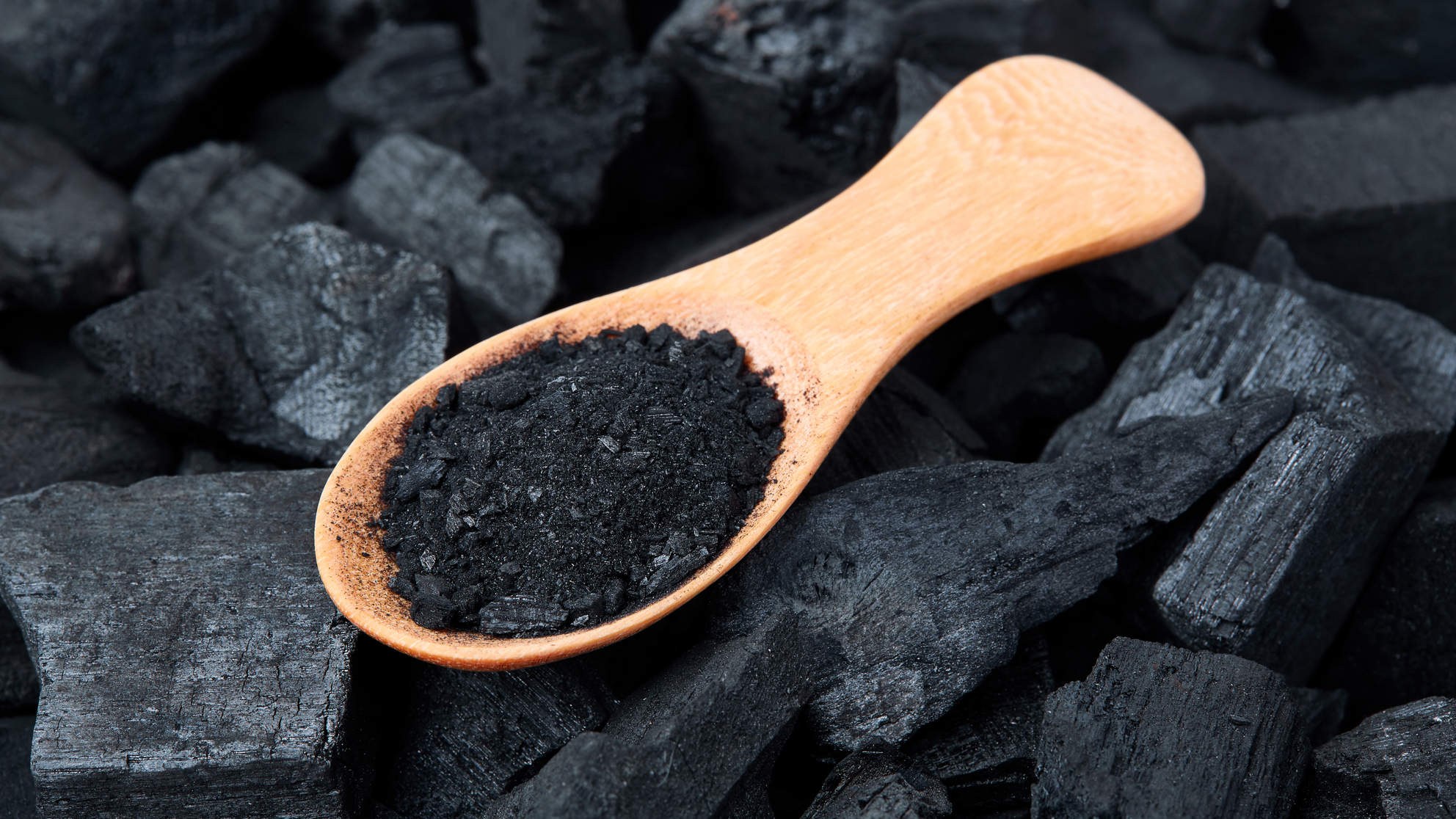
Black particles charcoal on a wooden spoon

(Dr. Mercola) Activated charcoal is now making waves in both the medical and cosmetic industry because of its supposed ability to improve your well-being. But this is not an entirely new trend; Egyptian records as early as 1,500 B.C. showed that activated charcoal was already being used to absorb unpleasant odors from putrefying wounds.1 In this guide, you will learn what activated charcoal’s benefits are and the possible side effects that may occur when you take it.

What Is Activated Charcoal?

Activated charcoal is not the same as the toxic briquettes often used for grilling foods. Instead, it is a byproduct of wood, peat or coconut shells, and is made after being heated along with a gas that assists with opening various “pores” in the coal.2

Related: Best Supplements To Kill Candida and Everything Else You Ever Wanted To Know About Fungal Infections

The finished product is a tasteless and odorless powder3 that may have either positive or negative charges, depending on the pH level of the solution used to create the powder.4 Activated charcoal powder is very porous, and once activated, the porosity rises, allowing it to efficiently absorb more substances.5

Activated charcoal allows harmful drugs and toxins lurking in the body to bind to it, so these materials may be expelled. This is why activated charcoal is often used for patients who have suffered from drug overdose or poisoning, as it helps with their recovery. Activated charcoal powder and capsules, both taken orally, are sold by various retailers.6

Activated Charcoal Is a Notable Addition to Water Filters

Activated charcoal can be used for purifying and filtering water. It’s a common ingredient in water filter systems for industrial or home use. It has the potential to trap pesticides, solvents, industrial waste and chemicals, and help reduce unpleasant odors. Activated charcoal has also shown promise in eliminating harmful substances like chlorine, chloramine, phenol and tannins, to name a few, though it may not work for others.7 You can check out a detailed list in this article.

Activated Charcoal May Have Beneficial Uses for Your Body

Activated charcoal may also be used for other medicinal purposes:8

May work as a poison antidote: Activated charcoal is most known for its capability to facilitate a chemical process called adsorption. This means it can trap harmful chemicals and toxins in the bloodstream in its pores.9 According to a 2000 British Journal of Clinical Pharmacology article, activated charcoal’s beneficial effects may be at their best when taken at least an hour after toxic substance intake.10

Work against the effects of toxic mold: Mold may cause health issues like depression, reduced brain function, kidney and liver failure, eye irritation and weakened immune system function. Activated charcoal may help combat these effects.11,12

Prior to using activated charcoal, consult a physician first to fully check for symptoms of mold exposure. Talk to a professional to check for the presence of mold at home so that the situation can be properly dealt with.

Help prevent premature aging: Activated charcoal may aid in supporting adrenal gland health and preventing cellular damage to your kidneys13 (when taken alongside a low-protein diet14) and liver.15

Related: Holistic Guide to Healing the Endocrine System and Balancing Our Hormones

Help relieve gastrointestinal issues: Activated charcoal may be useful for people dealing with bloating, diarrhea and other related issues, since it can bind with gas-causing byproducts in foods.16 In fact, the U.K.’s National Health Service (NHS) has promoted the use of over-the-counter charcoal tablets as a potential method to address flatulence.17

Assist in treating bug and/or snake bites: If you or someone you know is suffering from the effects of bee stings or mosquito, fire ant, or spider bites, a combination of activated charcoal and coconut oil may help address the condition.

A 2013 Der Anaesthesist study has also proposed the use of activated charcoal to combat the effects of snake bites, although more studies have to be conducted to truly determine its true efficiency toward this life-threatening health issue.18

There are other reports indicating that activated charcoal may assist with eliminating fishy odors linked to a disorder called trimethylaminuria,19 optimizing cholesterol levels, promoting better kidney function, treating patients with chronic kidney disease, promoting better renal dialysis outcomes, and shielding workers who may have been exposed to vapors (via the use of a charcoal cartridge).20

Take note, however, that activated charcoal is not an instant cure. If you want to significantly improve your health, you need to focus on improving your lifestyle by eating healthy foods and maintaining a regular exercise routine.

Can Activated Charcoal Help With Personal Hygiene?

Activated charcoal face masks are gaining popularity, especially among people who want to improve the overall condition of their skin. Activated charcoal may be used for treating acne, as it may eliminate pimple-causing oil and dead skin cells.21 Because of this, numerous online sellers have been promoting the use of charcoal facial sponges as a gentle exfoliant.22

However, as California-based dermatologist Dr. Ivy Lee highlights in a Reader’s Digest article, there isn’t enough scientific evidence to classify activated charcoal as a potent acne treatment.23Furthermore, cases of skin peeling were reported after using bamboo charcoal face masks, an adverse effect that was linked to PVA glue. This is an active ingredient in the mask mixture that may target impurities and negatively affect the skin. This is a compelling enough reason for you to consider other more effective natural acne treatments.

There’s also talk of activated charcoal’s potential for dental health, but dentists typically ask their patients to be cautious about using this substance, as it is very abrasive and may damage tooth enamel. The American Dental Association explains:24

… [U]sing materials that are too abrasive on your teeth can actually make them look more yellow. Enamel is what you’re looking to whiten, but if you’re using a scrub that is too rough, you can actually wear it away. When that happens, the next layer of your tooth can become exposed — a softer, yellow tissue called dentin.

If you want whiter teeth, coconut oil may be a better option, especially when you use it for oil pulling. This technique may assist with eliminating harmful bacteria residing in your mouth. You can also add a drop of peppermint essential oil for a minty aftertaste.

Studies on Activated Charcoal

Initial information about activated charcoal’s adsorbent properties were known as early as the 1700s.25 Scientists Michel Betrand, Pierre Touery, William Hort and Sir Alfred Barring Garrod were responsible for some of the earliest studies regarding activated charcoal. Most research during this era discovered activated charcoal’s potential in counteracting clinical effects of poisoning in animals and humans.

It was reported that Touery swallowed a lethal dose of poison called strychnine in front of colleagues at the French Academy of Medicine. He survived because he also drank activated charcoal, proving that it can counteract poison.26

Related: Activated Charcoal is Very Popular Right now – Here’s Why

One of the most recent studies about this substance was published in the journal bioRxiv in August 2017. Results showed that a slow-release activated charcoal formula called DAV132, which was developed by researchers from a Paris-based company called Da Volterra, may assist antibiotics in addressing certain illnesses, without triggering side effects the latter are known to cause.27

The study participants either took five days’ worth of the antibiotic moxifloxacin alongside a twice-daily DAV132 dosage, took the antibiotic only, or received no treatment at all. The researchers discovered that:28

  • The DAV132 formula had no effect on both the quantities of antibiotics in the bloodstream and in the latter’s efficiency in treating the infection.
  • DAV132 also assisted with cleaning the large intestine and flushing out antibiotics from the body. This was concluded after examining the amount of antibiotics in the feces of participants who took the formula.
  • DAV132 maintained around 90 percent of the beneficial gut bacteria in those who took it., Those who only took antibiotics had significantly reduced healthy bacteria.

While this sounds promising, take note that most studies conducted on activated charcoal focused on its effects on adults, and little on children. Guidelines regarding activated charcoal intake for children are often based on case reports and case series.

Future researchers need to consider how activated charcoal can affect children, since it’s during childhood when organs are developing to deal with toxic drugs and chemicals that they may encounter. It’s important to consult a physician or a health expert first before letting a child take activated charcoal. Some children might not be able to handle this supplement which could lead to adverse reactions.29

Side Effects of Activated Charcoal

Generally, the use of activated charcoal is safe, but only when it comes to treating a case of poisoning or an overdose at a healthcare facility, and under the guidance of a health professional.30

An important note regarding frequent activated charcoal intake is its tendency to absorb essential nutrients and minerals,31 depleting their levels and raising your risk for certain health problems. Activated charcoal may disrupt proper vitamin and mineral absorption from foods that you eat too, and it may not work well when used with other detoxifying chelating agents.

Related: Best Supplements To Kill Lyme and Everything Else You Ever Wanted To Know About Lyme Disease

Side effects have been reported after ingesting activated charcoal, such as pain or swelling of the stomach. People may notice that the tongue or the stool turns black, which is usually expected from this supplement. Other side effects may also occur, but these often do not need medical attention, and may go away during treatment once the body adjusts to the activated charcoal.32

If activated charcoal triggers severe side effects such as diarrhea, vomiting, constipation or even a suspected gastrointestinal blockage, talk to your doctor or physician immediately.33 Activated charcoal can block the absorption of medicines (like acetaminophen, theophylline and tricycline antidepressants) or supplements. It’s also known to interact with other medicines like:34,35

Ipecac or syrup of ipecac, as activated charcoal may decrease its effectiveness36 Drugs used for constipation, such as cathartics (sorbitol or magnesium citrate), since they can trigger electrolyte imbalances and other problems
Precose (acarbose) Cancer drugs like Arava (leflunomide)
Lanoxin or Digox (digoxin) Transplant drugs like mycophenolate mofetil and mycophenolic acid
Acetadote (acetylcysteine) Polyethylene glycole solution37

Lastly, avoid taking activated charcoal mixed with chocolate syrup, ice cream, raw milk or sherbets, since these may prevent it from working properly.38

The full extent of activated charcoal’s capabilities is still being determined, but there’s evidence showing its potential when it comes to improving your well-being. It may not be a magic solution for coping with certain health problems, but it can be a complementary option if conventional treatments do not suffice.

How Your Kidneys Influence Blood Pressure

(Dr. Mercola) Nearly 46 percent of American adults suffer from high blood pressure, which ranks as the second greatest public health threat in the U.S.1 Your blood pressure is the force needed to push blood through your arteries, delivering oxygen rich blood and nutrients around your body. When measured, you get a high-value (systolic) and a low-value (diastolic). The high number measures the highest pressure occurring in the blood vessels while your heart is contracting and the low value measures the pressure in your arteries between heartbeats.

A reading of 120/80 mmHg is considered normal. Your systolic pressure, the top number, offers the most information about the stiffness of your arteries and the work your heart is doing to push blood. Your systolic pressure is a major risk factor for cardiovascular disease.

Initial recommendations for individuals whose blood pressure is only slightly elevated includes increasing physical activity, stopping smoking and improving your diet. According to statistics from the American Heart Association, only 1 in 5 Americans gets enough exercise, and poor eating habits may have contributed to 45 percent of U.S. deaths from heart disease, stroke and Type 2 diabetes in 2012.2

Related: Best Supplements To Kill Candida and Everything Else You Ever Wanted To Know About Fungal Infections

New Blood Pressure Guidelines Means Earlier Intervention

Recent studies have demonstrated an increased risk from heart disease and stroke with every 20 mmHg rise in your systolic blood pressure or 10 mmHg elevation in your diastolic pressure in people ages 40 to 89.3 Although past guidelines recommended treatment in individuals whose blood pressure was higher than 140/90 mmHg, new American College of Cardiology and American Heart Association guidelines recommend treatment for individuals whose blood pressure is 130/80 mmHg.4

These new guidelines are the first comprehensive changes made in over a decade and lower the definition of high blood pressure in order to address complications that often occur at higher numbers and allow for earlier intervention. With this new definition, the number of U.S. adults with high blood pressure rose from 29 percent to 50 percent, with the greatest impact expected among those younger than 40.

The new guidelines eliminate the category of prehypertension and now categorize individuals as having either stage 1 or stage 2 hypertension. The guidelines are:5

  • Normal less than 120/80 mmHg
  • Elevated systolic 122-129 mmHg and diastolic less than 80 mmHg
  • Stage 1 hypertension systolic 130-139 mmHg or diastolic 80-89 mmHg
  • Stage 2 hypertension systolic at least 140 mmHg or diastolic at least 90 mmHg
  • Hypertensive crisis systolic over 180 mmHg and/or diastolic over 120 mmHg
Related: Holistic Guide to Healing the Endocrine System and Balancing Our Hormones

Links Between Your Blood Pressure and Kidney Disease

Your kidneys are two bean shaped organs located just below your rib cage on both sides of your spine. They filter up to 150 quarts of blood and flush out waste products through your urine every day. One of the reasons it’s necessary to drink enough water is to ensure healthy kidney function, essential for maintaining homeostasis in your body, including with the composition of your blood. Your kidneys produce hormones regulating the production of red blood cells and those helping to regulate your blood pressure.6

Your blood pressure is also affected by vessel constriction and your circulating blood volume; the higher the volume the more the heart muscle gets stretched by the incoming blood.7 However, as with all things, balance is necessary. Lower levels of blood (hypovolemia) are as dangerous to your heart and blood pressure as higher levels of blood volume (hypervolemia).

Your kidneys produce hormones regulating arterial and venous constriction, which affects your blood pressure. They also regulate your circulating blood volume. These two functions work together to maintain your blood pressure within normal limits. Within your kidneys are special cells responsible for sensing the amount of sodium in the filtrate, and others to sense your blood pressure.8

As blood pressure drops, the amount of filtered sodium also drops and cells release an enzyme called renin. This in turn is converted into angiotensin I, and then to angiotensin II, a peptide hormone causing vasoconstriction and an increase in blood pressure. At the same time, angiotensin II stimulates the adrenal gland to secrete a hormone, aldosterone.9

This stimulates the body to reabsorb more sodium, which pulls more water with it. The increase in sodium and water reabsorption reduces your urine output and increases your circulating blood volume. Both of these functions affect your blood pressure measurements.

Related: Best Supplements To Kill Lyme and Everything Else You Ever Wanted To Know About Lyme Disease

How Vitamin D Is Connected to Kidney Health

Additionally, your body uses calcium and vitamin D in a continued effort to maintain blood pressure homeostasis. Although your body stores calcium in your bones, it also maintains a consistent level within your blood. If your calcium level falls, your parathyroid gland releases parathyroid hormone which increases calcium reabsorption from the kidneys and intestines,10 and stimulates calcium release from your bones. However, the parathyroid hormone also requires vitamin D to stimulate calcium absorption from the kidney and the intestine.

Unfortunately, vitamin D deficiency is common in U.S. populations,11 and those with the lowest levels have a higher risk of cardiovascular disease.12 The kidneys have an important role in making vitamin D useful within the body as they convert it from supplements or from the sun into an active form.13However, those suffering with chronic kidney disease also experience low vitamin D levels, not from lack of absorption or sun exposure, but from lack of activation within the kidneys.

In a study14 published in the American Journal of Kidney Diseases, researchers found low vitamin D levels may be able to predict early kidney disease. Those who were deficient were twice as likely to develop albuminuria, type of protein in the urine, over a period of five years. This condition is an early indication of kidney damage.

Of the more than 5,800 men and women without albuminuria in the study, nearly 4 percent developed it during a five-year follow up. Those who were deficient in vitamin D were found to be 84 percent more likely to have protein in their urine. For this study, deficiency was defined as having less than 15 nanograms of vitamin D per milliliter of blood (ng/mL). The study’s lead author commented:15

“There is mounting evidence of the benefits of correcting vitamin D levels to prevent or delay the development of albuminuria in the general population. It is also likely patients with chronic conditions such as CKD [chronic kidney disease] may need higher vitamin D levels than the general healthy population.”

CKD is one of the most powerful predictors of premature cardiovascular disease, and emerging evidence suggests progression may be linked to low levels of vitamin D.16 Those with CKD have been found with an exceptionally high rate of severe vitamin D deficiency exacerbated by a reduced ability to convert vitamin D into the active form.

Abnormalities in vitamin D metabolism17 may also play a role in the development of secondary hyperparathyroidism in CKD. The gradual and progressive decline of the active form of vitamin D in the course of the disease may limit the ability of the kidneys to maintain adequate levels despite increasing levels of parathyroid hormone.

Uric Acid Is Connected to More Than Gout

Uric acid is a normal waste product found in blood and associated with the development of goutwhen present in large amounts. Gout is a painful arthritic and inflammatory condition often targeting the base of the big toe. Individuals with high blood pressure and kidney disease, and who are overweight, often have high uric acid levels as well. Your body requires a balance of uric acid as it performs as an antioxidant and a pro-oxidant inside your cells. When levels are too high it tends to increase harmful levels inside the cells where it acts as a pro-oxidant.

Related: Sugar Leads to Depression – World’s First Trial Proves Gut and Brain are Linked (Protocol Included)

While an overabundance of uric acid is associated with the development of gout, a reduction in uric acid has demonstrated the ability to lower blood pressure to normal levels in a teen population.18Researchers from Baylor College of Medicine found half the teenagers enrolled in their study with newly-diagnosed high blood pressure and higher than normal levels of uric acid responded well when levels of uric acid were reduced using treatment with allopurinol.19

The treatment reduced uric acid levels and blood pressure to normal in 20 of the 30 teens treated. Dr. Daniel Feig, pediatric nephrologist at Baylor College of Medicine, commented on the results of the study:20

“This is far from being a reasonable therapeutic intervention for high blood pressure, but these findings indicate a first step in understanding the pathway of the disease. You cannot prevent a disease until you know the cause. This study is a way of finding that out.”

Previous studies using rats found high levels of uric acid were associated with the development of high blood pressure, and this study demonstrated the same appears to be true in humans. Feig reports current antihyperuricemic pharmaceuticals may not be safe to be used as a first line of therapy for most individuals with high blood pressure.21

Higher levels of uric acid are also associated with the development of kidney stones.22 Kidney stones are hard masses forming within the kidney and can affect both children and adults. When concentrations of uric acid in the urine exceed a certain point they no longer remain dissolved and may precipitate into an insoluble substance, which then forms into stones.

The presence of high amounts of uric acid in combination with dehydration increases your risk of uric acid precipitation. Uric acid stones may be preventable using some of the lifestyle choices I discuss in my previous article, “Gout Pill Poses Major Risk for Your Heart.”

How to Get an Accurate Blood Pressure Reading

Several factors can play into the accuracy of your blood pressure reading.23 To ensure your reading is as accurate as possible, keep the following factors in mind:

Cuff size

The size of the cuff may change the blood pressure reading significantly. The blood pressure cuff will have an arm circumference range printed on the cuff. Using a cuff that is too small may artificially increase the systolic measurement between 10 mmHg and 40 mmHg.

Cuff placement

The cuff must be placed on a bare arm, not over clothing, with the edges of the cuff aligned and positioned at heart level, approximately 1 inch above the bend in your elbow. The sleeve of your shirt should be off and not rolled up.

Body position

Your body position has a great deal to do with how accurate a peripheral blood pressure measurement will be. The proper position is to have your feet flat on the floor, back supported in a chair, legs uncrossed for at least five minutes and your arm supported while sitting.

Activity

Talking to the person taking your blood pressure during the reading may increase your systolic pressure by 10 mmHg, and a full bladder may increase your systolic reading by 10 mmHg. Prior to taking your blood pressure, it is important that you sit quietly for three to five minutes and do not exercise for at least 30 minutes prior to the reading.

Nicotine, caffeine or alcohol

All should be eliminated in the 30 minutes prior to having your pressure measured.

Stress

If your blood pressure consistently measures greater than 140/90 mmHg or above at the doctor’s office, while being consistently lower when measured at home, you may have white coat hypertension. For some people, seeing the doctor is an inherently stressful experience that may temporarily raise your blood pressure. An estimated 15 percent to 30 percent of people with documented high blood pressure have white coat hypertension.24

To decrease your risk of being falsely diagnosed with hypertension in this situation, take a moment to calm down (be sure to arrive for your appointment ahead of time so you can unwind), then breathe deeply and relax when you’re getting your blood pressure taken.

Machine calibration

Home machines and automated machines must be accurately calibrated to ensure a proper reading. One study25 demonstrated some home pressure machines were off in up to 15 percent of patients. Readings from these machines may impact treatment recommendations.

Hearing ability when using a stethoscope

Many of the machines used today in hospitals and some clinics to take blood pressure are automated and don’t require someone to manually listen for Korotkoff sounds in your brachial artery. However, there remain a large number of blood pressure measurements taken by an individual listening for the change in sounds in the brachial artery. Individuals who have some hearing loss may record an abnormal reading when they don’t hear the change in sounds correctly.

How to Protect Your Kidneys

Your kidneys play a vital role in your overall health. Eating the right foods helps to improve your kidney function as certain foods help you manage blood pressure, prevent kidney stones and reduce uric acid output better than others. Here are three dietary keys to help protect your kidney function. 26

Restrict protein. Uric acid is the metabolic waste product of the breakdown of purine, found in abundance in all meats, poultry and fish. Organ meat and certain oily fish, such as herring and mackerel, tend to have higher levels of purine. It is not necessary to eliminate meat, but care should be taken to balance your protein intake. You can read more about this in my previous article, “Precision Matters When It Comes to Protein.”

Related: How to Detox From Plastics and Other Endocrine Disruptors

An ideal protein intake is likely around one-half gram of protein per pound of lean body mass. The American Kidney Fund27 recommends restricting protein to a maximum of 50 grams if you currently have kidney disease. Discover more about your protein requirements in my previous article, “How to Prevent and Treat Kidney Problems With Food.”

Restrict fructose. Uric acid is also a byproduct of fructose metabolism. Fructose is independently associated with high blood pressure, Type 2 diabetes, obesity, kidney disease and nonalcoholic fatty liver disease. Limit your fructose intake to 25 grams per day or less, especially if you’re insulin or leptin resistant.

Drink pure, clean water. One of the most effective ways to prevent uric acid precipitation is to remain fully hydrated. Ensure your fluid intake is higher during summer months or with strenuous activities, or if you’re suffering gastroenteritis with vomiting or diarrhea.

When fully hydrated your urine should be the color of straw and you should ideally be visiting the bathroom around seven to eight times per day. Simply swapping out sweetened beverages, such as sodas and fruit juices, for pure water can go a long way toward improving your kidney function and your overall health.

Limit high-purine vegetables. Asparagus, beans, peas and spinach are plant-based foods with higher levels of purine. Moderate intake does not usually pose a problem, but meals containing large quantities should be avoided.

Avoid substances causing water loss. Certain medications, diuretics, alcohol and caffeine may increase your urine output and without proper rehydration fluid loss may result in dehydration.

Air Pollution Triggers Millions of Cases of Diabetes Each Year

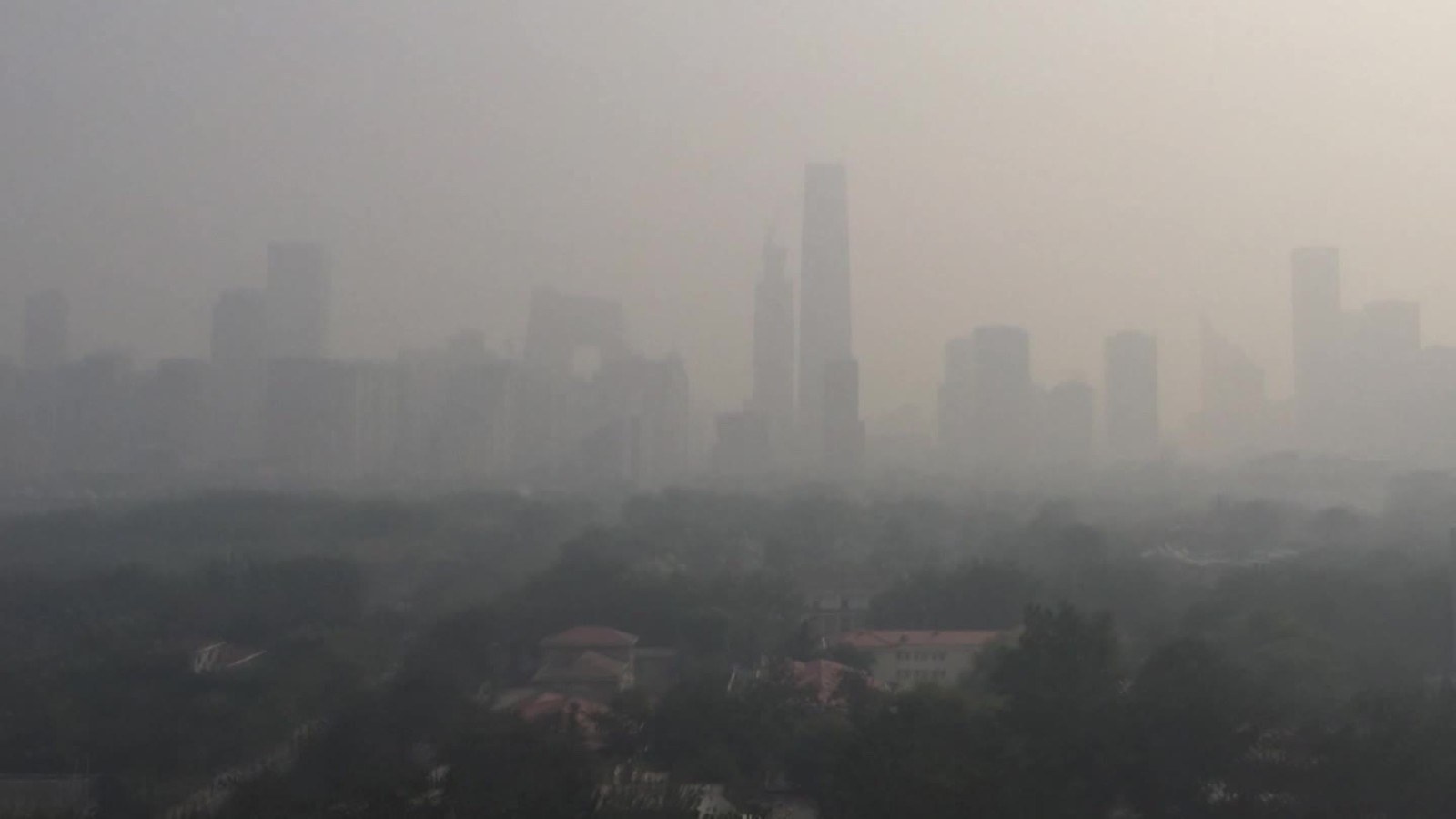
(Dr. Mercola) Air pollution has been named the “largest environmental cause of disease and premature death in the world today” by a collaboration of more than 40 researchers looking at data from 130 countries.1 The problem is insidious and travels without respect for borders. Air pollution created in Asia affects people living on the California coast.

Fine particulate matter (PM 2.5) is the most studied type of air pollution and refers to dust, dirt, soot, smoke or other particles smaller than 2.5 micrometers in diameter. These particles of air pollution are so fine they may enter your system through your lung tissue and trigger chronic inflammation, which in turn increases your risk of health conditions.2

According to the World Health Organization (WHO), 92 percent of the world’s population is breathing polluted air3 and nearly 7 million deaths are attributed to air pollution each year.4 Overall, a toxic environment is responsible for at least 25 percent of all deaths reported worldwide, and air pollution is the greatest contributor.

The idea that air pollution is a source of toxic exposure often leading to ill-health should come as no surprise. In a previous study,5 American researchers found exposure to as little as one or two months of air pollution may be enough to increase your risk of diabetes, especially if you are already obese. In a recent global study,6 a new link has been made between air pollution and Type 2 diabetes.

Related: Holistic Guide to Healing the Endocrine System and Balancing Our Hormones

Air Pollution May Be Responsible for Damage Leading to Type 2 Diabetes

According to the American Diabetes Association,7 30.3 million Americans, or 9.4 percent of the population, had diabetes in 2015. Type 2 diabetes is the more common form of the condition, accounting for nearly 99 percent of cases8 and is the seventh leading cause of death in the U.S. In 2015, 4.1 million Americans over 18 were diagnosed with prediabetes, a condition in which blood glucose levels are higher than normal but not high enough for a diagnosis of diabetes.

Individuals with prediabetes have an increased risk for developing Type 2 diabetes, heart disease and stroke.9 Previous studies10,11,12,13 have looked at links between outdoor air pollution and the emergence of Type 2 diabetes, but the featured study is a first attempt to quantify the connection.

Researchers tracked 1.7 million U.S. Veterans14 for almost a decade in order to assess risk, using data from other global studies evaluating diabetes risk, along with air quality data from the U.S. Environmental Protection Agency (EPA) and NASA.

The researchers then created an equation to analyze the connection between exposure to air pollution and the risk of diabetes globally. The study, published by The Lancet Planetary Health, concluded that air pollution was responsible for 3.2 million newly diagnosed cases around the world in 2016 alone. Assistant professor of medicine at Washington University and author of the study, Dr. Ziyad Al-Aly, commented on the overall effects of breathing air pollutants, saying:15

“We tell people all the time, if you eat bad stuff, it affects your health. You are what you eat, you are what you drink and, really, you are what you breathe. What you breathe really, really affects your health.”

This was one of the largest and most unique studies of its kind. In all, 14 percent of newly diagnosed cases of Type 2 diabetes could be attributed to air pollution in 2016.16 The study also estimated 8.2 million years of healthy life were lost globally in 2016 due to air pollution-induced diabetes.

The pollutants tracked and examined in the study were PM 2.5, 30 times smaller than a human hair. The study makes a strong case that the current EPA limits on air pollution are set too high. The threshold on particulate matter deemed safe by the EPA is 12 ug/m3 (micrograms per cubic meter of air) and the study found the risk of diabetes started at 2.4 ug/m3.

During the study, 21 percent exposed to between 5 ug/m3 and 10 ug/m3 of particulate matter, developed diabetes. At the current “safe” level established by the EPA, 24 percent develop diabetes.

Related: What Causes Chronic Inflammation, and How To Stop It For Good

Rule Creates Loophole to Evade Improvements in Water and Air Quality

While this and other studies have demonstrated a significant detrimental effect on the health of U.S. citizens from air pollution, a rule proposed by the Trump Administration17 suggests all studies used by the EPA to determine water and air regulations must make their underlying data publicly available. Unfortunately, studies like the featured study and others are based on confidentially held health data. This greatly undermines the potential for regulations to improve air quality.

In the face of this and other data, the Trump administration18 is seeking to boost the nation’s manufacturing sector by creating industry-friendly air quality regulations, which environmentalists warn will damage the health of U.S. citizens.

In one directive, he proposed the EPA work with states whose metro areas are failing to obtain clean air standards, by helping them submit plans to show how the city will confront the problem — a review process that can take years. This represents a clear effort on the part of the administration to assist manufacturers, which the president made clear in his accompanying statement:19

“These actions are intended to ensure that EPA carries out its core missions of protecting the environment and improving air quality in accord with statutory requirements, while reducing unnecessary impediments to new manufacturing and business expansion essential for a growing economy.”

Pollution Contributes to Obesity

The journey started nearly 60 years ago when an environmental disaster in southwestern Pennsylvania forever changed the way America thought about industrial pollution.20 In 1948 the people of Donora, Pennsylvania, awoke to a thick blanket of smog that darkened the valley for five days before lifting when a storm swept through. By this time, one-third of the population had become ill, 20 people were dead and another 50 died in the following months.21

It was later learned cold air had trapped a mixture of carbon monoxide, sulfur dioxide and metal dust over the valley, recorded as the worst air pollution disaster in U.S. history. It was this disaster that prompted the federal government to begin regulating industrial pollution.

Previous studies have looked at respiratory conditions and cardiovascular disease associated with inhaling air pollutants but more recent studies have found compelling evidence suggesting air qualitycan also contribute to weight gain and obesity. In one study22 examining over 3,000 children in California, researchers found an association between traffic density and higher levels of body mass index (BMI) by the age of 18.

Recommended: Best Supplements To Kill Candida and Everything Else You Ever Wanted To Know About Fungal Infections

Another study23 analyzed BMI in children exposed to traffic-related air pollution over a five-year period, during which those exposed to the most pollution, compared to those exposed to the least, had a 14 percent larger increase in their BMI. Another from Harvard Medical School looked at whether adults living in areas with constant exposure to traffic were more likely to be overweight, and found more fat tissue in those who lived 60 meters (197 feet) from a busy road than those who lived 440 meters (1,443 feet) away.24

The relationship has also been found in animal studies. Chinese researchers25 compared two groups of pregnant rats, one raised in a filtered air-scrubbed room and the other breathing outdoor air from Beijing. The animals were fed the same diet, but those living in Beijing air were heavier at the end of their pregnancy as were their offspring. Autopsy findings found the rats exposed to pollutants had higher levels of inflammation, which may have contributed to weight gain and metabolic disruption.

An EPA study found mice exposed to ozone pollution developed glucose intolerance, a precursor to diabetes.26,27 In a study evaluating the physiological response in 314 overweight or obese children in Los Angeles, children who lived in neighborhoods with the highest concentration of nitrogen dioxide and particulates were found to have the greatest decline in insulin sensitivity.28

Multiple Molecules Make Up Air Pollution

Multiple types of molecules make up the fine particulate matter your body is able to absorb through lung tissue. Top pollutants include:

Ammonia Carbon monoxide
Fine particulates Lead
Nitrogen oxides Sulfur dioxide
Volatile organic compounds (VOCs) Ozone

While car emissions contribute one source of air pollutions, another significant source is released into the atmosphere from synthetic nitrogen-based fertilizers at rates higher than previously believed.29 California has some of the strictest car emission standards in the U.S., but is continued to be plagued by nitrogen oxide pollution.

Scientists have known soil microbes convert nitrogen-based fertilizers to nitrogen oxides and then release them into the air. However, it was assumed the amount of gas would increase linearly, or at 1 percent of the amount of fertilizer used. These predictions turned out to be conservative,30 as emissions were measured at up to 5 percent of the fertilizer used, explaining some of the increased rates of nitrogen oxides emitted in large agricultural areas.

Unfortunately, when nitrogen oxides and VOCs combine on a sunny day, it increases the amount of ozone at ground level. VOCs are emitted by cars, power plants, refineries and chemical plants. Ozone in the upper atmosphere, called stratospheric ozone, provides a protective shield against the ultraviolet rays of the sun.31 This beneficial ozone has been partially destroyed by man-made chemicals.

However, ground level ozone, tropospheric ozone, is not admitted directly into the air but created through a chemical reaction and is a harmful pollutant. This bad ozone is the main ingredient in smog and has a higher likelihood of reaching unhealthy levels on hot sunny days, as sunlight triggers the chemical reaction between nitrogen oxides and VOCs.32 “Nitrogen oxides” is a catch-all term used to designate nitrogen oxide and nitrogen dioxide, both of which react with oxygen and sunlight to produce ozone in the lower atmosphere.

Nanoparticles Responsible for Vascular Damage

In a study published in Environmental Pollution,33 researchers found silica nanoparticles have the ability to trigger mitochondrial dysfunction in endothelial cells by entering the mitochondria, causing swelling and increasing the intracellular level of reactive oxygen species. This eventually results in the collapse of the mitochondrial membrane and impairment in ATP synthesis.34

Silica nanoparticles were found to trigger endothelial toxicity using mitochondria as the target, which may in part explain some of the cardiovascular dysfunction triggered by PM 2.5 air pollution. Silica nanoparticles are used35 as an additive in rubber and plastics, to strengthen concrete and as a platform for biomedical applications, such as drug delivery. In other words, drugs bound to silica nanoparticles may create endothelial damage as you take prescribed medications.

However, nano-particulate damage is not new information.36 A study published by the American Chemical Society found evidence of how particles inhaled may affect your blood vessels and heart muscle.37 Air pollution has shortened the lives of nearly 40,000 people in the U.K.,38 which is often attributed to the part it plays in worsening or triggering heart and lung disease. Using humans and several mouse models, the researchers studied the effect of inhaled gold nanoparticles.

Within 24 hours after inhalation, particles were detected in the blood and urine of the participants and appeared to have an affinity for accumulating in damaged or inflamed areas of the vascular system,39suggesting nanoparticles have the ability to access the bloodstream from your lungs and reach susceptible areas of your cardiovascular system.

In some participants, the nanoparticles were still detectable in the urine three months after testing, leading researchers to theorize air pollutant nanoparticles may have the potential to make a similar journey in your body.

Researchers then asked participants scheduled for removal of damaged blood vessels to inhale gold nanoparticles.40 Following surgery the researchers analyzed the plaques and found an accumulation of nanoparticles from the prior 24 hours. Although some criticized the design of the study, it is clear air pollution damages heart and lung tissue. Coauthor of the study, Dr. Nicholas Mills, commented on the results saying:41

“We have always suspected that nanoparticles in the air that we breathe in could escape from the lungs and enter the body, but until now there was no proof. These findings are of wide importance for human health, and we must now focus our attention on reducing emissions and exposure to airborne nanoparticles.”

Mind Your Indoor Air Quality as Well

Your risk of breathing polluted air does not end when you go indoors. Indoor air pollution is also associated with a remarkable number of conditions, including worsening asthma, poor sleep, high blood pressure and reduced cognitive function. Primary sources are the materials used to construct your home and everything in it, including your furniture, as well as chemical products you bring into the home for cleaning or DIY projects.

Modern buildings are also airtight for energy efficiency purposes, and need to be properly ventilated to prevent the buildup of indoor pollution. One way to reduce your exposure to damaging outdoor air pollution is to keep your indoor air as clean as possible and stay indoors when pollution levels are high. For a list of strategies you may consider to improve your indoor air quality and protect your health see my previous article, “Reduce Indoor Air Pollution.”

US The Worst Place In The World To Give Birth, USA Today Investigation

(Natural Blaze by Andrea Germanos) A new USA Today investigation offers a searing indictment of maternal care in the United States, and says the country “is the most dangerous place in the developed world to give birth.”

Deadly Deliveries,” the result of a four-year investigation, references federal data showing that more than 50,000 women are “severely injured” and roughly 700 die during childbirth each year. Perhaps even more staggering is that “half of these deaths could be prevented and half the injuries reduced or eliminated with better care,” the investigation found.

The findings, based on interviews with women and a trove of internal hospital records, “reveal a stunning lack of attention to safety recommendations and widespread failure to protect new mothers.”

Related: Autism Correlates with Circumcision

Such failures often stem from inadequate or delayed responses to hemorrhages and dangerously high blood pressure.

A disturbing trend noted in the report: from 1990 to 2015, in most developed nations the number of maternal deaths per 100,000 births was steady or dropped. Not so in the U.S., where the figure soared. In Germany, France, Japan, England, and Canada the number had fallen to below 10 in the time frame. In the U.S., meanwhile, the figured soared to 26.4.

California, though, is an exception. The state’s maternal death rate fell by half—a drop attributed to it adopting “the gold standard” of safety measures.

Looking at the overall picture in the U.S., though, “it’s a failure at all levels, at national organization levels and at the local hospital leadership levels as well,” Dr. Steven Clark, a leading childbirth safety expert and a professor at Baylor College of Medicine, said to USA Today.

One of the investigative reporters, Alison Young, talked with “CBS This Morning” about the report.

Related: Trump’s Administration Is Not A Fan of Breastfeeding

The investigation follows a related analysis out late last year by ProPublica. Affirming previous studies, its analysis found “that women who hemorrhage at disproportionately black-serving hospitals are far more likely to wind up with severe complications, from hysterectomies, which are more directly related to hemorrhage, to pulmonary embolisms, which can be indirectly related. When we looked at data for only the most healthy women, and for white women at black-serving hospitals, the pattern persisted.”

This article (US the ‘Worst Place in the World’ to Give Birth: USA Today Investigation) appeared at Natural Blaze via Common DreamsIt can be reshared with attribution.  (Photo: steve_h/flickr/cc)