Newsweek and USA Today Have Bizarre Standards for Opinion Writers

(USRTK by Stacy Malkan) Facts don’t matter in commentaries printed by Newsweek so long as the writer “seems genuine.” That’s the takeaway from a troubling email exchange with Newsweek Opinion Editor Nicholas Wapshott in response to concerns and questions I raised about a recent commentary attacking the organic industry.

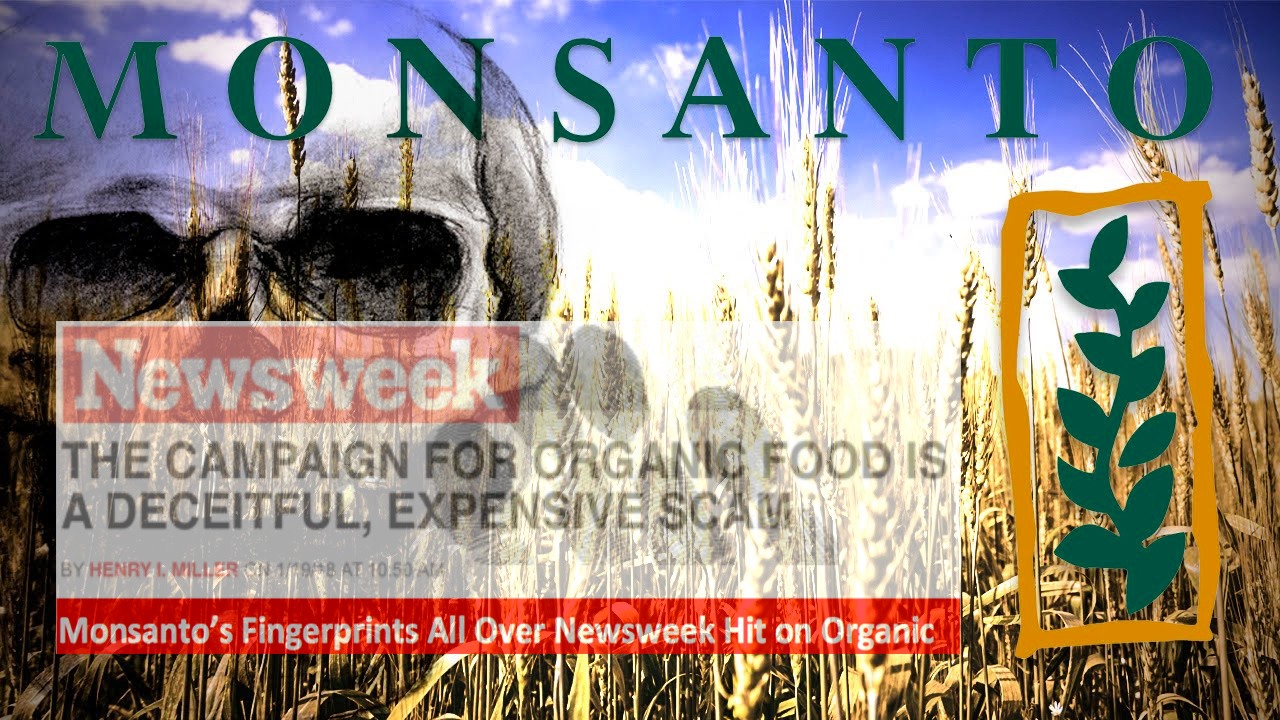
The organic hit piece in Newsweek carried the byline of Henry I. Miller, who lost his platform at Forbes last year after the New York Times revealed that Miller had published an article in Forbes under his own name that was actually written by Monsanto.

In his recent Newsweek article, Miller spent several paragraphs attacking Danny Hakim, the New York Timesreporter who revealed that ghostwriting scandal; but Miller didn’t disclose to readers either the scandal or his collaborations with Monsanto.

Yet Monsanto’s fingerprints were all over Miller’s Newsweek article, as I reported here. Miller used pesticide industry sources to make false claims about organic farming and attacked people who were named on a target list that had been developed by Monsanto and Jay Byrne, Monsanto’s former director of corporate communications, who was quoted in Miller’s piece with no mention of the Monsanto affiliation.

None of this appears to bother Newsweek Opinion Editor Nicholas Wapshott, according to an on-the-record email exchange.

Miller ‘Flatly Denies’ Facts 

On Jan. 22, I emailed Wapshott to raise concerns that Newsweek continues to publish Miller’s commentaries without disclosing his relationship with Monsanto, and asked if he was aware that:

1) The New York Times reported in August that Miller had been caught publishing an article ghostwritten by Monsanto under his own name in Forbes, in violation of Forbes’ policy. Forbes ended its relationship with Miller and deleted all his articles from the site.

2) A 2015 internal Monsanto PR plan (recently released by lawyers involved in litigation against Monsanto) lists “Engage Henry Miller” as one of its first action items.

3) A source Miller used in his Newsweek article, Jay Byrne, is a former Monsanto employee (not identified as such). According to emails I reported here, Byrne worked with Monsanto to set up a front group of “independent” academics, secretly funded by industry, who attacked the organic industry as a “marketing scam,” the same theme in Miller’s Newsweek article.

4) Miller has a long history of partnering with – and pitching his PR services to – corporations that need help convincing the public their products aren’t dangerous and don’t need to be regulated.

Wapshott responded, “Hi Stacy, I understand that you and Miller have a long history of dispute on this topic. He flatly denies your assertions. Nicholas”

I wrote back to ask for clarification.

Hi Nicholas, to clarify:

Miller denies he published a column ghostwritten by Monsanto under his own name in Forbes and that Forbes has since deleted all his articles? (NYT story, Retraction Watch story)

Miller denies the Monsanto’s PR plan to address the IARC cancer rating of glyphosate lists “Engage Henry Miller” on page 2, item 3?

Miller denies that Jay Byrne, the former Monsanto employee not identified as such in his Newsweek article, was involved with setting up Academics Review as a front group? (Byrne has not denied writing these emails.)

Miller and I have disagreed yes, we were on opposite sides of a political campaign to label GMOs, but the above facts are facts, and provable. Do you think it’s fair to your readers to continue to publish his work without disclosing his ties to Monsanto?

Wapshott responded, “I think so. I have met Miller and he seems genuine. And I find it hard to believe that his flat denial is a lie. We would need a full trial to determine the truth and those resources are, thank goodness, beyond our means.”

Jumbled Mix of Conflict Disclosures

I wrote back to Wapshott once more, pointing out that a trial is not necessary in the Miller case, since the facts have been established by reporting in the New York Times and corroborated by Forbes’ spokeswoman Mia Carbonell, who told the Times:

“All contributors to Forbes.com sign a contract requiring them to disclose any potential conflicts of interest and only publish content that is their own original writing. When it came to our attention that Mr. Miller violated these terms, we removed his blog from Forbes.com and ended our relationship with him.”

Does Newsweek have a similar policy to require writers to disclose potential conflicts of interest and use only their own writing? 

Newsweek editors have yet to respond to my query about disclosure policies. But the problem of weak, confused or non-existent conflict-of-interest disclosures is widespread in the media.

For a 2015 article in CJR, Paul Thacker asked 18 media organizations that cover science to describe their disclosure standards for both journalists and the sources they use in their stories, and 14 responded.

“The responses present a jumbled mix of policies,” Thacker wrote. “Some draw a bright line — preventing journalists from having financial ties to any outside sources. Others allow some expenses and speaking fees. To complicate matters further, some organizations have written rules, while others consider incidents on a case-by-case basis. Standards advocated by professional societies also seem to differ.”

Some outlets apply different standards to reporters and columnists, as I learned when I asked why Washington Post food columnist Tamar Haspel can take speaking fees from agrichemical industry groups while writing about that industry as part of her regular column beat. Reporters at Washington Post aren’t allowed to do that, but in the case of columnists, the editor decides.

Recommended: Sugar Leads to Depression – World’s First Trial Proves Gut and Brain are Linked (Protocol Included)

It’s all very murky. And some outlets are clearly crossing a bright line by publishing the views of groups and people who work with corporations to promote pro-industry science views without telling readers about the corporate collaboration.

Henry Miller’s attack on organic food in Newsweek is one example. Another is USA Today’s regular publication of science columns from the American Council on Science and Health, a front group for the tobacco, chemical, fossil fuel, pharmaceutical and other industries seeking to discredit scientific information about the harm of their products.

USA Today Lends Platform to Corporate Front Group  

In February 2017, two dozen health, environmental, labor and public interest groups wrote to the editors of USA Today asking the paper to stop publishing science columns by the American Council on Science and Health (ACSH), or at least provide full disclosures about who funds the group.

Leaked financial documents reveal that ACSH solicits money from corporations to defend and promote their products; for example, ACSH spins science on fracking, e-cigarettes, toxic cosmetics and agrichemical industry products, and solicits funding from those industries in exchange. Recent reporting establishes that ACSH works with Monsanto on messaging campaigns.

Recommended: Detox Cheap and Easy Without Fasting – Recipes Included

USA Today should not be helping this group promote its false identity as a credible, independent source on science,” the two dozen groups wrote to the editors. “Your readers deserve accurate information about what and whom this group represents, as they reflect on the content of the columns.”

Nearly a year later, USA Today is still publishing columns by ACSH staff and still failing to notify its readers about ACSH’s funding from corporations whose agenda they promote.

In an email response dated March 1, 2017, USA Today Editorial Page Editor Bill Sternberg explained:

“To the best of our knowledge, all of the columns in question were authored or co-authored by Alex Berezow, a longtime member of USA TODAY’s Board of Contributors. Mr. Berezow has written some 25 op-eds for us since 2011, and we consider him to be a credible voice on scientific issues. He holds a PhD in microbiology from the University of Washington, was the founding editor of RealClearScience and has contributed to a number of mainstream outlets.”

Berezow is now a senior fellow at ACSH, and his “@USAToday contributor” status appears in his bio on Twitter, where he frequently attacks critics of the pesticide industry, for example this recent vile tweet featuring a sexually graphic illustration of a nurse giving a patient a coffee enema.

Does USA Today really want to be associated with this type of science communication?

Recommended: Start Eating Like That and Start Eating Like This – Your Guide to Homeostasis Through Diet

Integrity and Transparency in Science Reporting

News outlets can do better than these examples at Newsweek and USA Today, and they must do better. They can start by refusing to publish columns by corporate front groups and PR surrogates who pose as independent science thinkers.

Recommended: How to Make the Healthiest Smoothies – 4 Recipes

They can implement clear and strong policies that require all columnists and journalists to disclose potential conflicts of interest for themselves and the sources they cite in their work.

At a time when the public is questioning the legitimacy of the news media, it is more important than ever for all publications to follow the highest standards of journalistic ethics and serve the public with as much truth and transparency as possible.

There are better ways to foster solar innovation and save jobs than Trump’s tariffs

President Donald Trump’s decision to impose punitive duties on imported solar panels and related equipment is rankling most of the industry.

This was the final step of a process that began when two U.S. subsidiaries of foreign solar panel makers filed a rarely used kind of trade complaint with the International Trade Commission. Trump largely followed the course of action the independent U.S. agency had recommended to protect domestic manufacturers from unfair competition.

But far from protecting U.S. interests, the tariffs are bound to stifle the current solar boom, destroying American jobs and dragging down clean energy innovation. As economists who research climate and energy policies that can foster a greener North American economy, we argue the government should instead create targeted subsidies that support innovation and lower costs across the supply chain. This approach would do a better job of helping the U.S. industry fend off foreign competition without harming the industry itself.

A booming industry

The U.S. solar industry has enjoyed unprecedented growth in recent years, thanks to the rapidly declining cost to install solar systems and tax breaks for homeowners, businesses and utilities that have expanded demand but are being phased out. Prices have plunged to roughly US$1.50 per watt from around $6 in 2010 due to both innovation that made it less expensive to make panels anywhere and cheap imports.

In 2016, 87 percent of U.S. solar installations used foreign-produced panels, also known as modules, primarily from China.

The rapid decline in solar panel costs has been driven by policies in China and elsewhere intended to expand domestic manufacturing of these products.

The problem is not unique. Other countries dependent on cheap solar imports, including Germany and Canada, are also grappling with how to sustain the solar boom while protecting their own domestic manufacturers from unfair foreign competition.

The trade commission sent Trump its recommendations in the fall of 2017, giving him until Jan. 13 to accept or reject its guidance. Later, U.S. Trade Representative Robert Lighthizerasked the agency to draft a “supplemental” report, which effectively extended the president’s deadline for setting the tariffs.

The request, observers surmised, may have signaled concern about the this case’s potential to spiral into a broader trade dispute with China and other major U.S. trading partners.

That may explain why the duties imposed are not as steep as the maximum 35 percent ratethe U.S. International Trade Commission had recommended. The tariffs will begin at 30 percent and then taper down in 5 percent increments over four years, ending at 15 percent in 2022. And they won’t apply to the first 2.5 gigawatts worth of imported solar cells, which domestic manufacturers use to build panels made in the U.S.

Solar job growth

Solar job growth took off in 2010. By 2016, more than 260,000 Americans worked in the industry, up from fewer than 95,000 seven years earlier.

An uninterrupted solar boom would create even more jobs. The number of solar panel installers, for example, would more than double from 11,300 to 23,000 within 10 years at the current pace of growth, which would make it the fastest-growing profession, according to the Bureau of Labor Statistics. Another renewable energy mainstay, wind turbine technician, came in a close second.

Imposing tariffs on imported panels would cloud that outlook, largely becausemanufacturing accounts for less than 15 percent of U.S. solar jobs while installation amounts to more than half of them, according to the Solar Foundation’s annual census. If panels get more expensive, the cost to go solar will rise and demand will fall – along with the impetus to employ so many installers.

The Solar Energy Industries Association, a trade group that represents many companies in the industry, objected to the new duties, saying they could cost the industry 23,000 jobs in 2018.

Smarter subsidies

Despite the robust growth in wind and solar employment and its official support for an “all of the above” energy policy that combines fossil fuels, nuclear power, biofuels and renewable energy alternatives like wind and solar, the Trump administration has sought to slash support for alternative energy through the federal budget.

We agree that the government should encourage solar panel manufacturing within the nation’s borders. But there are better ways to support this important priority than by raising prices on imported equipment through punitive tariffs.

China’s edge in solar panel manufacturing – apart from low wages – is driven by scale and supply-chain development, spurred by cost inducements like low-interest loans, technology development assistance and cheap land. Other newly industrialized countries like South Korea and Taiwan have followed China’s lead by fostering their own solar manufacturing bases with targeted subsidies.

We believe the U.S. should follow suit. In addition to directing subsidies to reduce the costs of the solar supply chain, the government should also increase subsidies for private research and development for green innovation. Currently, federal financing for private solar R&D lags far behind levels seen in China and the European Union.

These subsidies could be funded by the tariffs the government was already collecting on solar panels imported from China and elsewhere before these new duties were considered.

If the U.S. government deems that additional restrictions are required, then it makes sense to follow a separate recommendation to freeze solar panel imports at 2016 market share levels. The government should then auction off the rights to import foreign solar panels to U.S. installers.

The government could spend the proceeds from these auctioned import licenses on domestic innovation and other efforts to cut supply chain costs for U.S. manufacturers of solar panels and related equipment.

While World Trade Organization rules limit the use of subsidies that explicitly promote a country’s exports in global markets, the ones we are proposing would likely be WTO-compliant.

This is because their aim is to make the U.S. solar industry more competitive within the domestic market, given the government’s earlier findings that cheap imported panels are being dumped – sold too cheaply – here.

Why make an exception

Like most economists, we believe that subsidies should be avoided except in special circumstances. Here are three reasons why this industry is an exception.

First, when one nation subsidizes solar panel production and exports those panels, it makes it cheaper to go solar in other countries, effectively cutting the cost of implementing climate policies abroad.

Second, when solar energy replaces fossil fuels in one place, the declining carbon emissions benefit people around the globe. Climate change, after all, affects the entire world.

Third, R&D investments made in any one economy eventually add to the global knowledge base. Improving solar technology will ultimately benefit the entire industry worldwide.

The Trump administration’s solar tariffs will yield none of these benefits. In fact, they could instigate a trade war over clean energy products with our trading partners globally.

That is why we believe that the smarter subsidies we are proposing are a better way to sustain the U.S. solar industry and protect jobs.

Curcumin Beats Malignancy

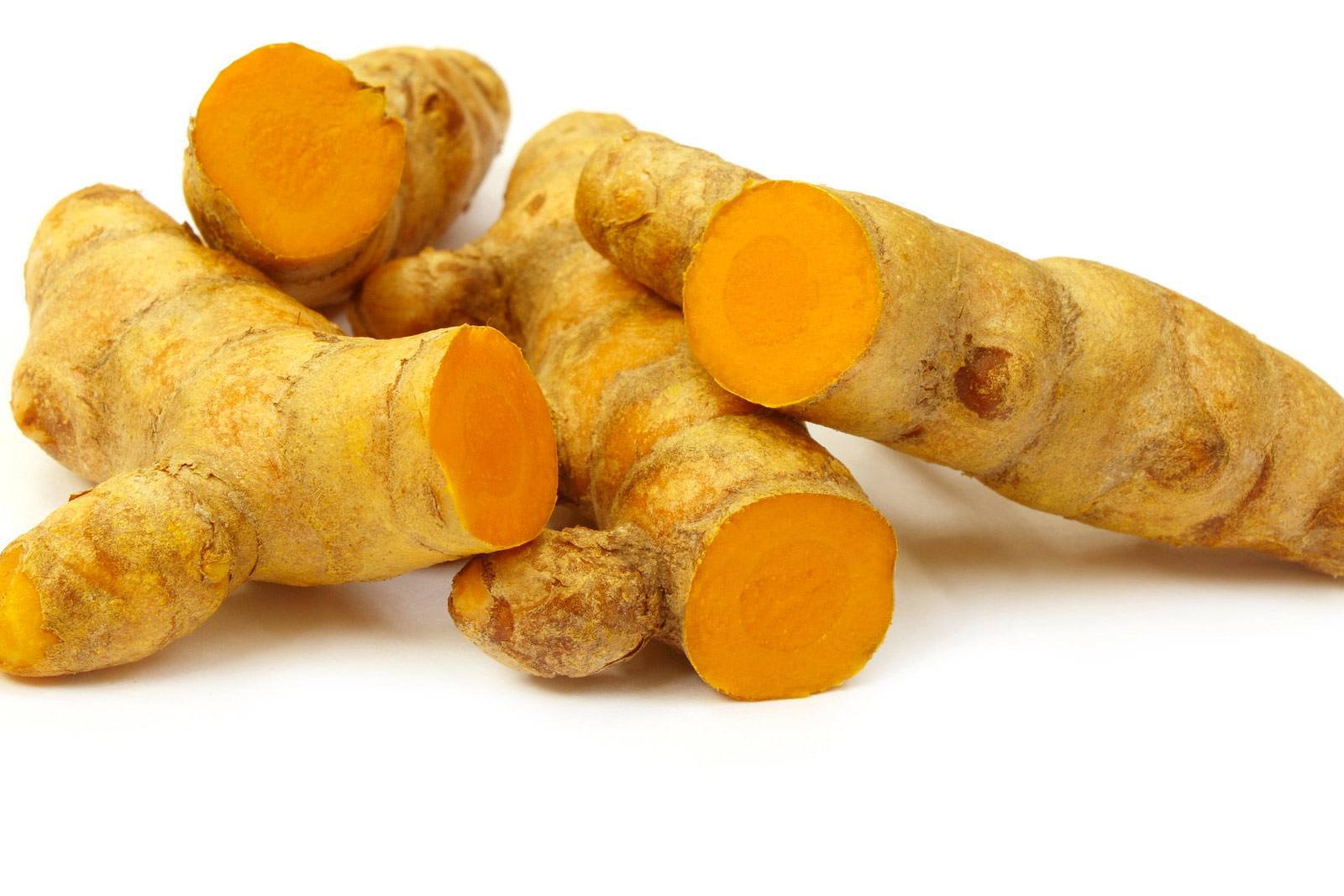
(Dr. Mercola) Besides giving Indian curries their rich golden color, turmeric contains a polyphenol called curcumin, which has been shown to possess many health benefits, including being a malignancy-fighting powerhouse. Curcumin’s health-boosting properties are well-documented and this single compound exhibits more than 150 potentially therapeutic actions.

With thousands of studies performed,1 researchers have shown curcumin has antibacterial, anticancer, anti-inflammatory, antimalarial, antioxidant, antiparasitic, antiproliferative, pro-apoptotic and wound healing properties.

Animal studies have suggested curcumin may be useful in the treatment of a wide range of diseases such as cancer, diabetes, neurologic conditions, obesity and psychiatric disorders, as well as chronic illnesses affecting your cardiovascular and gastrointestinal systems, eyes, kidneys, liver and lungs.2

Related: Turmeric’s Anti-inflammatory Properties Explained

While turmeric is widely available in powdered form, it contains a very small amount of curcumin, which is known to be poorly absorbed through your gastrointestinal tract. For these reasons, you’ll receive more health benefits from a curcumin extract. A typical anticancer dose is up to 3 grams (just under 1 teaspoon) of high-quality bioavailable curcumin extract, taken three to four times a day.

Because it’s a lipophilic (fat-loving) molecule, many curcumin preparations include some sort of oil or fat to improve its absorbability and bioavailability.

The Many Benefits of Curcumin

As the active ingredient in turmeric powder, curcumin is well-known for its broad range of curative properties. It has been used for thousands of years as a spice and beauty aid, and in both Ayurvedic and traditional Chinese medicine to treat a wide range of maladies — from cancer to indigestion and heart disease to neurodegenerative conditions. Given its many antioxidant and anti-inflammatory properties, below are a few of the conditions responsive to curcumin:3,4

Cancer prevention and treatment: Taking a curcumin supplement regularly may help prevent and treat cancer based on the fact it appears to block the blood supply to cancerous tumors, thereby suppressing the growth and replication of malignant cells.

Heart health: Animal studies have shown curcumin can help regulate blood pressure and prevent heart disease. It may be particularly beneficial to reduce the incidence of atherosclerosis, also known as hardening of the arteries. In other studies, curcumin has been found to lower LDL and total cholesterol and prevent your blood from clotting.5

Intestinal and bowel issues: Because curcumin stimulates your gallbladder to produce bile, it may help improve your digestion, reduce bloating and gas and soothe digestive disorders. When combined with conventional treatments, curcumin may help promote the remission of ulcerative colitis.6

Related: Gluten, Candida, Leaky Gut Syndrome, and Autoimmune Diseases

Neurodegenerative conditions: Curcumin may help prevent and treat neurodegenerative diseases such as Alzheimer’s diseasemultiple sclerosis and Parkinson’s disease.7,8

Scientists investigating curcumin’s biological activities had this to say about the extent to which it plays a vital role in supporting your health:9 “Modern science has shown that curcumin modulates various signaling molecules, including inflammatory molecules, transcription factors, enzymes, protein kinases, protein reductases, carrier proteins, cell survival proteins, drug resistance proteins, adhesion molecules, growth factors, receptors, cell-cycle regulatory proteins, chemokines, DNA, RNA and metal ions.”

Curcumin Is a Powerful Weapon Against Malignancy

In animal-based lab research during the past 20 years, curcumin has been shown to have both cancer-prevention and cancer-treatment properties. Its usefulness in the treatment of colon cancer is particularly well established.10,11,12 One group of scientists investigating curcumin’s ability to suppress the proliferation of colon cancer cells by targeting a major cell-cycle protein, said:13

Curcumin … is one of the most popular phytochemicals for cancer prevention. Numerous reports have demonstrated modulation of multiple cellular signaling pathways by curcumin and its molecular targets in various cancer cell lines. Cyclin-dependent kinase 2 (CDK2), a major cell-cycle protein, was identified as a potential molecular target of curcumin. Indeed, in vitro and ex vivo kinase assay data revealed a dramatic suppressive effect of curcumin on CDK2 kinase activity.”

Related: How To Use Turmeric To Kill Cancer

Other cancers in which curcumin has shown protective effects in rodent models include breast, bladder, brain, esophageal, kidney, liver, lung, pancreas, prostate and stomach, to name a few.14 As noted by Dr. William LaValley — one of the leading clinical researchers and medical practitioners in the field of integrative cancer treatment, whom I’ve previously interviewed on this topic — curcumin appears to be universally beneficial for nearly every type of cancer treatment.

This is unusual considering cancer’s many varied molecular pathologies. One reason for this universal anticancer proclivity is curcumin’s ability to affect multiple molecular targets, via multiple pathways.

Once it gets into a cell, curcumin affects more than 100 different molecular pathways. And, as explained by LaValley, whether the curcumin molecule causes an increase in activity of a particular molecular target, or a decrease or inhibition of activity, studies repeatedly underscore its potent anticancer activity.

Notably, curcumin is nontoxic, and does not adversely affect healthy cells, suggesting it selectively targets cancer cells. In cases in which certain chemotherapy drugs are used, curcumin has been shown to work synergistically with the drugs to enhance the elimination of cancer cells.

Related: Turmeric and Diabetes

Woman Beat Myeloma Using Therapeutic Daily Dose of Curcumin

In terms of real-life success stories with this potent cancer-fighter, the British Medical Journal15,16 presented a case study on Dieneke Ferguson, age 57, who successfully treated blood cancer using curcumin. After complaining of high blood pressure, Ferguson was diagnosed with myeloma in 2007. Myeloma is a cancer that begins in plasma cells within your bone marrow, causing your plasma cells to become abnormal, multiply uncontrollably and release only one type of antibody that has no useful function.

Within 15 months, Ferguson’s myeloma advanced to stage 3 and she underwent several rounds of chemotherapy. In 2009, she had a stem cell transplant. None of the treatments were effective in beating the cancer. After stem cell therapy failed again, in 2011, Ferguson began taking daily doses of curcumin extract with bioperine (a black pepper extract) to aid absorption. She took 8 grams (a little over 2 teaspoons) every night on an empty stomach. The cancer stabilized.

A few months later, she began weekly hyperbaric oxygen therapy, which involves breathing pure oxygen in an enclosed chamber. Over the past five years, which incidentally is the average survival rate for myeloma, Ferguson’s cancer has remained stable and her blood counts are in the normal range. By all accounts, she enjoys a good quality of life. Ferguson continues to take her daily dose of curcumin and receive hyperbaric oxygen therapy once a week.

Ferguson’s doctors, who practice medicine at London’s Barts Health NHS Trust, believe she may be the first recorded case of curcumin being more effective than conventional treatments to beat cancer. They said:17

“A small but significant number of myeloma patients consume dietary supplements in conjunction with conventional treatment, primarily to help cope with the side effects of treatment, manage symptoms and enhance general well-being. Few, if any, use dietary supplementation as an alternative to standard antimyeloma therapy.

To the best of our knowledge, this is the first report in which curcumin has demonstrated an objective response in progressive disease in the absence of conventional treatment. The fact that our patient, who had advanced stage disease and was effectively salvaged while exclusively on curcumin, suggests a potential antimyeloma effect of curcumin.”

About her experience, Ferguson said,18 “I hope my story will lead to more people finding out about the amazing health benefits of curcumin. I also hope that as a result of the publicity, more research will be undertaken so curcumin may become freely available on the national health service and can help others.”

Suggestions for Using Curcumin Therapeutically

While turmeric is readily available in the spice section of nearly every grocery store, it’s important to realize if you want clinical results, it’s not enough to simply use turmeric as a spice in your cooking. The turmeric root itself contains only about a 3 percent curcumin concentration. To complicate matters further, curcumin is poorly absorbed by your body. According to LaValley:

“There is truly a broad array of disease that curcumin has significant potential for benefit. The challenge is how to get enough of it into the bloodstream to make a difference. That’s where the bioavailability of the product comes into play. There’s now a range of products on the market that allow substantial amounts of curcumin and metabolites of curcumin that are therapeutic … people now have much better options than what was available even five years ago.”

While I usually suggest raw foods, curcumin is an exception. When taking it in its raw form, from the turmeric root, you’d only be absorbing about 1 percent of the available amount. Even in supplement form it’s unlikely to provide the type of results reflected in scientific studies. That said, if you want to use curcumin therapeutically, you can try one of the following three alternatives:

Related: How to Optimize Curcumin Absorption – With Golden Milk Tea Recipe

1.Locate a high-quality turmeric extract. Look for an extract containing 100 percent certified organic ingredients, with at least 95 percent curcuminoids. The formula should be free of additives, excipients (substances added as a processing or stability aid) and fillers. Typical anticancer doses are up to 3 grams of good bioavailable curcumin extract, taken three to four times a day.

2.Make a microemulsion. Combine 1 tablespoon of raw curcumin powder with one or two egg yolks and 1 to 2 teaspoons of melted coconut oil. Use a high-speed hand blender to emulsify it. Keep in mind curcumin contains a strong yellow pigment that can permanently discolor clothing, kitchen tools and surfaces, so take care when using it in powder form.

3.Boil curcumin powder. Another strategy that can help increase absorption is to put 1 tablespoon of raw curcumin powder into 1 quart of boiling water. (The water must be boiling when you add the powder — it will not work well if you add the curcumin first and then heat the water.)

After boiling the mixture for 10 minutes you will have created a woody-tasting 12 percent solution that you can drink once cooled. With this method, the curcumin will gradually fall out of the solution over time, so be sure to drink it within four hours to achieve the best results.

Other Ways to Help Your Body Fight Malignant Disease

If you have cancer and are overweight, or have high blood pressurehigh cholesterol and/or diabetes, then insulin and leptin resistance are very likely affecting your body’s ability to fight the disease.

From my perspective, a ketogenic diet — with or without intermittent fasting — would be a prudent treatment strategy to resolve that underlying problem and give your body a better chance of responding to cancer treatment. Once you’ve normalized your insulin and leptin, you don’t necessarily need to maintain a ketogenic diet, especially if you find it too restrictive. About this approach, LaValley states:

“I agree that a ketogenic diet is really appropriate in many cases, probably the significant majority of cases. It’s been known for probably 80 years or longer that solid tumors, and some of the blood cancers, are sugar-loving. I use a PET scan to demonstrate to patients … objective proof that the tumors they have in their body are sugar-avid. They’re taking up sugar at a rate much higher than the other regular healthy cells.

I want to drive home that message, so people are motivated to alter their diet to have a low [starchy] carb intake, causing their body to generate additional nutrient supply molecules called ketones … What that means is we’re trying to provide an anticancer, antagonistic pressure on the cancer cells by reducing the amount of sugar that’s readily available for uptake.

We do so by reducing the easily available sugar in the diet and compensating for the nutrient and sugar reduction by increasing healthy fats.”

In addition to cutting out sugar, it would also be prudent to assess your protein intake. Many Americans eat far more protein than required for optimal health. Importantly, excess protein stimulates your mammalian target of rapamycin (mTOR) pathway which, while useful for building muscles, can be detrimental when treating cancer. This is the case because mTOR is a pathway that increases cellular proliferation, which you don’t want when it comes to cancer cells.

The formula I recommend for calculating protein intake calls for 1 gram per kilogram of lean body mass or 0.5 grams per pound of lean body weight. To determine your lean mass, first determine your fat mass. As an example, if your body fat mass is 20 percent, your lean mass is 80 percent of your total body weight. If you weigh 150 pounds, your lean mass would then be 120 pounds (150 X 0.8), and your protein requirement would be about 60 grams (120 X 0.5).

If you are doing vigorous exercise or are pregnant, you can add up to 25 percent more protein. If you need some encouragement with respect to those who are beating various forms of cancer by treating it as a metabolic disease, check out my previous article “Promoting Advances in Managing Cancer as a Metabolic Disease.”

Need a Doctor Familiar With Curcumin and Other Alternative Treatments?

LaValley is available to consult with you or your physician on a wide variety of health challenges, including cancer.19 He’s licensed to practice medicine in the U.S. and Canada. His medical clinic is located in Chester, Nova Scotia, where he sees patients, and he also spends time in Austin, Texas, where he conducts research.

When there, he’s available to consult with other physicians and their patients. Says LaValley, “For instance, if a patient has pancreatic cancer and the physician wants to implement one of the protocols I provide, I will do a consultation … and then make recommendations to the physician for implementation.”

LaValley acknowledges the many challenges he faces with respect to working within the medical establishment, mainly because there’s so much information that’s not readily known or understood by traditional doctors. In the U.S. and Canada, when a physician wants to administer one or more natural products like curcumin or some off-label pharmaceuticals for anticancer use, they very often fear recrimination or disciplinary action. He said:

“That is, I think, very unfortunate, because the evidence base does exist for [natural approaches] … I think the most important movement that needs to occur is for patients to recognize their own value in the decision-making process and to demand they have access to [alternative] therapeutic choices. They’re available, they’re supported in the evidence base, and [you] have the right to ask for them rather than just accept whatever the physician is offering in the conventional realm.”

Marijuana Advisor To Sessions Wants To Drug Test Everyone

Drug Test

(Natural Blaze by Heather Callaghan)  “We want [drug screens] to be routine in all medicine…” It’s bad enough in 2018 that the war on drugs still exists in the deluded minds of government higher-ups, just as some states begin to legalize recreational marijuana. And just as they do, Attorney General Jeff Sessions dropped the bomb that the Federal Government ended its leniency toward states’ rights for medical marijuanaThus, we devolve as a nation.

But the biggest blow to Americans was when Sessions’ DEA, although going after marijuana as a dangerous substance – in essence gave a Pharma opioid maker the rights to a partial national monopoly on synthetic THC!

What’s worse, it looks like the War on Drugs has just collided with Mad Medicine.

Herb.co reports:

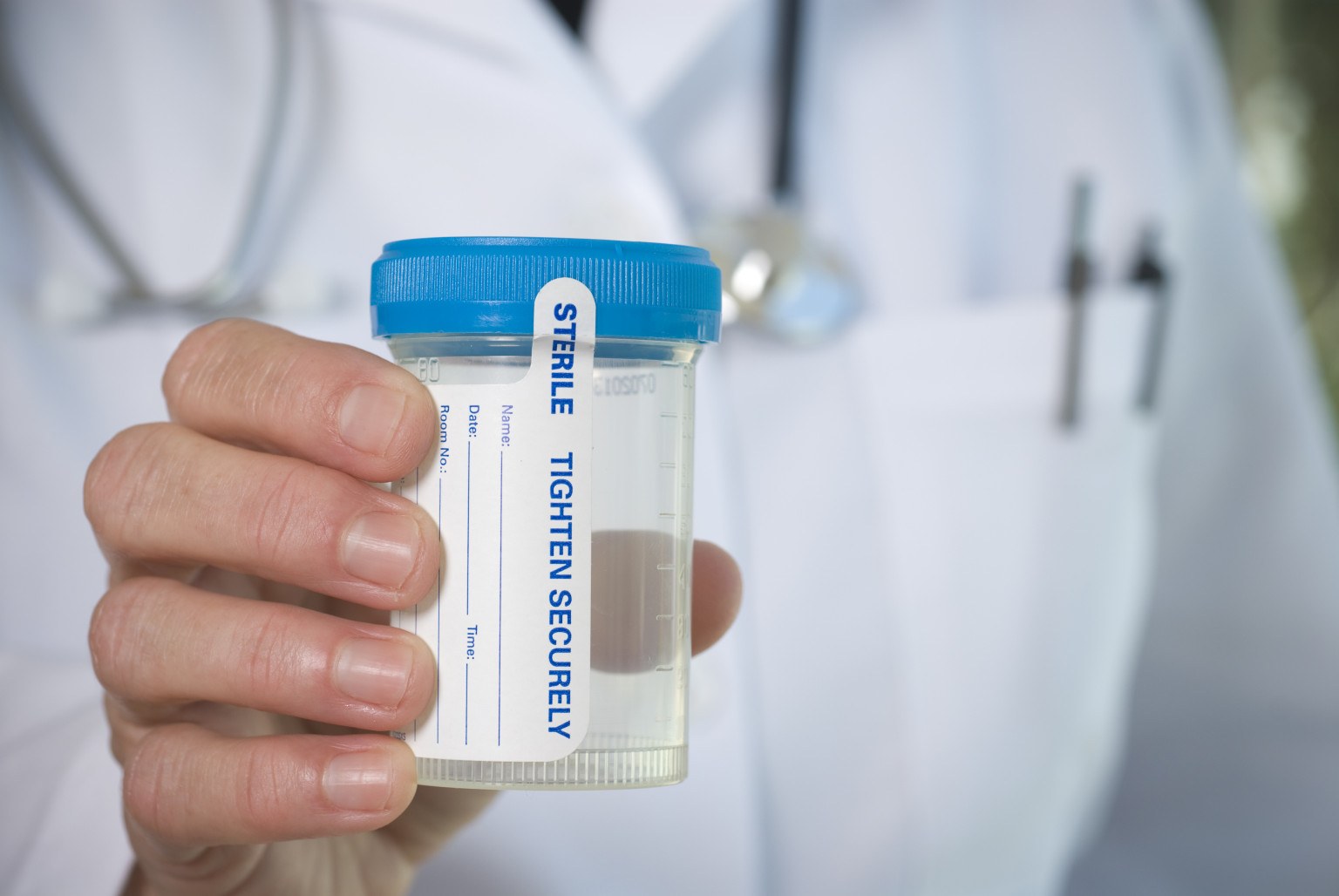
A top-level advisor to Attorney General Jeff Sessions wants doctors to drug test all their patients, and to force users, they suspect of addiction into rehabilitation against their will. If Robert DuPont gets his way, drug testing could become a required part of your visit to the doctor.

DuPont, 81, is one of a small group of drug-policy “experts” Sessions invited to a closed meeting last month to discuss federal response to marijuana legalization. He is one of the most hardline and influential architects of the Drug War, having started out in the 1970s as a liberal on the drug control issue. But by the 1980s DuPont had taken a hard right turn, popularizing the long-debunked claim that cannabis is a “gateway drug.”

DuPont wants to force people into treatment for up to 5 years.

In an interview last year, DuPont pushed for expanding drug testing. His idea includes having physicians force patients whom they believe to have substance abuse problems to submit to drug tests, or lengthy stays in treatment facilities reportsNewsweek.

“Among other things, he proposed giving doctors the authority to compel suspected substance abusers into treatment against their will,” reportsThe Daily Beast. “Once in treatment, patients could face up to five years of monitoring, including random drug tests.”

“We want [drug screens] to be routine in all medicine,” DuPont said. “Doctors already check for things like cholesterol and blood sugar, why not test for illicit drugs? Right now the public thinks that if we provide treatment the addicts will come and get well … that’s not true. So let’s use the leverage of the criminal justice system.”

It is quite the understatement to say that America has been ejected right off that proverbial slippery slope. Can you imagine anything more invasive when modern medicine and drug laws are already so intrusive?

DuPont doesn’t even want to try treatment but views all drug use as a forbidden crime for which there must be government intervention.

In 2010, he penned a national model bill that “called on cops to test anyone stopped for suspicion of driving under the influence for all controlled substances, and arresting them on the spot if the slightest trace showed up — regardless of the amount. While the bill includes an exemption for drivers with prescriptions, cannabis users would still get busted. Medical-marijuana patients don’t have prescriptions (due to federal law), just doctor recommendations.”

That bill would not only punish legal medical marijuana patients in states which permit its use, but anyone for any substance that is legal to consume – even alcohol or medicine. Any failure of a bodily drug test would constitute possession of the substance!

So with DuPont’s ideas, we could look forward to a nation of forced drug testing, invasive extraction of bodily fluids, zero tolerance of substances including alcohol or cold medicine, instant arrests and federal charges of crimes for any deviation. Bye, bye 4th Amendment.

A few notable things about DuPont:

  • He was the former drug czar to Richard Nixon.
  • Vaguely warned The Washington Post the marijuana would have “horrendous” effects on society.
  • Although serving for the National Institute on Drug Abuse (NIDA) he later had ties to the drug-testing industry. (source)
  • “In 2000, he appeared before the federal Food and Drug Administration, pushing for expanded hair follicle testing.” ! (source)
  • Yes, it is and would be financially gainful for him to continue opposing friendly cannabis legislation. He was a ” paid consultant and shareholder in Psychemedics, which offered costly hair testing analysis.”

What else can we say? Whereas the state laws allowing cannabis freedom were a breath of fresh air in the midst of a war on freedom – we are heading back to the dinosaurs where the breath of aging, drug-war addled elites whispers into the ear of the Attorney General. President Trump is strangely absent from these conflicts.

Recommended Reading:

Essential Oils Lower Blood Pressure

(Dr. Mercola)

According to the U.S. Centers for Disease Control and Prevention (CDC), approximately 30 percent of Americans have high blood pressure, also called hypertension, and only half of them have their blood pressure under control.1 However, under controversial new guidelines released in November 2017, which advised that high blood pressure should be treated at 130/80 rather than 140/90, nearly 50 percent of Americans would technically be suffering from high blood pressure.2

When your blood pressure is not controlled it may lead to other health conditions, such as cognitive decline, heart disease, stroke and kidney disease. On a global scale, more than 1 billion people suffer from hypertension3 and that number has nearly doubled in the past four decades.4 Nearly 13 percent of all deaths worldwide are attributed to high blood pressure.

Related: Hypertension – How To Lower Your Blood Pressure Quickly and Naturally

The rising numbers of people suffering from hypertension was not lost on the pharmaceutical industry. An increasing number of drugs have been developed in the past decade to control blood pressure, but they come with a laundry list of side effects and negative health problems of their own.

Instead, consider a significant number of natural options, including eliminating lifestyle choices that trigger hypertension and choosing alternative treatments that reduce your blood pressure. One of the easiest and best smelling is using essential oils.

Blood Pressure and What It Means

To fully understand why your choices increase or decrease your blood pressure, it’s helpful to understand how your blood pressure is measured and how it affects your body.

The traditional method of measuring your blood pressure was developed in 1881 and refined in 1905 when Russian surgeon Dr. Nikolai Korotkoff discovered the difference between systolic and diastolic blood pressure measurements.5 Today, sphygmomanometers measure the difference between the appearance and disappearance of sounds in your arteries, called Korotkoff sounds.

Related: What Causes Chronic Inflammation, and How To Stop It For Good

The appearance of the sound, your systolic number, represents the highest pressure through which your blood is pumped, while the disappearance of the sound, your diastolic number, is the lowest pressure needed by your heart to push blood through your arteries. In many instances, your blood pressure measurement may not be accurate, based on your body position, cuff size, activity level and consumption of caffeine, nicotine or alcohol.

Hypertension is called the “silent killer” as it may cause few or no symptoms and can quietly damage your blood vessels and organs for years without your knowledge. The added pressure needed by your heart to push blood through your vessels increases your risk of congestive heart failure.6 Coronary artery disease and an enlarged heart are two other heart conditions that may result from chronic hypertension.

High blood pressure also damages the cells lining your arteries, which may result in narrowed and less elastic arterial walls. This change raises your blood pressure further and reduces blood flow to your organs, increasing your risk of damage to your eyes, kidneys and brain. Reduced blood flow to your brain may lead to transient ischemic attacks (mini-stroke), stroke, cognitive impairment or dementia.

What Triggers High Blood Pressure?

There is no one lifestyle choice that triggers all hypertension. A combination of a number of reversible choices you make may put you at risk. Hypertension that isn’t obviously associated with a cause, such as a medical condition or medication, is referred to as essential or primary hypertension.

It’s estimated that as much as 95 percent of hypertension is essential hypertension. However, just because a known medical condition or medication is not responsible does not mean there isn’t a known cause for the condition. A number of contributing factors have been identified for high blood pressure, including but not limited to:

  • Insulin and leptin resistance causes your blood pressure to increase7
  • Elevated uric acid levels are associated with rising blood pressure; any program you adopt to address your hypertension needs to normalize your uric acid levels as well8,9
  • Poor nutrition in childhood has been shown to raise the risk of high blood pressure in adulthood;10 consuming an excess of sugaris also linked to high blood pressure11
  • Lead exposure has been associated with cardiovascular disease and hypertension12
  • Air and noise pollution affects blood pressure; air pollution triggers an inflammatory response while noise pollution has an adverse effect on your nervous and hormonal systems.
Related: How to Detoxify and Heal the Lymphatic System

By using natural options to address hypertension and any underlying medical condition you may realistically be able to reduce your dependence on medication. Lifestyle choices that are known to increase your blood pressure include smoking and alcohol useObesitymay also play a role.13

However, while many believe that your blood pressure will increase with age related to a decrease in arterial elasticity that is concurrent with advancing age, the truth is that this reduction in elasticity is often associated with insulin resistance, rising blood sugar and inflammation. Each of these conditions is associated with eating a diet high in net carbohydrates and refined sugars.

Medication Isn’t the Answer

It is highly likely that if your blood pressure is elevated your physician will recommend medications. While the allure of “just taking a pill” to address hypertension has millions under its spell, using medication comes without a laundry list of potential side effects and warnings. The Joint National Committee on Prevention, Detection, Evaluation and Treatment of High Blood Pressure in 2014 emphasized the importance of weight control and regular exercise,14 but I don’t believe they went far enough.

It has been my experience that even stage 1 and 2 hypertension can be addressed with lifestyle interventions, making medications unnecessary. If you are currently taking medication for hypertension, do not stop. Instead, talk with your physician about your plan to incorporate lifestyle changes while monitoring your blood pressure. Then you and your physician can slowly reduce your medications while keeping your blood pressure under control. Problems associated with antihypertension medications include:15,16

Cough Diarrhea Constipation
Dizzy or lightheaded Sexual dysfunction Headache
Fatigue Nausea Vomiting
Skin rash Weight loss Hypokalemia
Muscle dysfunction (including heart) Blood sugar fluctuations Male breast enlargement
Gout Dehydration Skin cancer
Fainting Shortness of breath Chest pain
Reduced kidney function Ankle swelling Flushing
Heartburn Hypotension Increased heart rate
Dry mouth Sleepiness Nightmares
Stuffy nose Depression Inability to fall asleep

Essential Oils Are Simple, Easy and Effective

An essential oil is plant oil that is highly concentrated, often through distillation.17 Some oils are produced from the entire plant while others are made using specific parts, such as the leaves, bark or roots. These oils have been used in aromatherapy around the world to help reduce stress and improve health. Researchers have also been interested in the effect essential oils may have on reducing your blood pressure, on cardiovascular health and on secretion of cortisol.

Related: Hypothyroidism – Natural Remedies, Causes, and How To Heal the Thyroid

In a study from the European Journal of Preventive Cardiology,18 scientists found that exposure to essential oil for one hour effectively reduced stress as measured by a reduction in the participants’ heart rate and blood pressure. However, after exposure for longer periods, both heart rate and blood pressure were elevated.

In a similar study inhalation of a blend of essential oil was associated with a reduction in blood pressure and in cortisol secretion, often elevated during stress.19 Researchers used a blend of lavender, ylang-ylang, neroli and marjoram. There are several essential oils20that have an effect on blood pressure and help reduce your stress. Since these oils trigger an effect in your body, use an inhalation method for no longer than one hour to reduce the potential for any negative effects from overexposure.

Bergamot

This refreshing oil is often used in cosmetics for the scent, but research finds it also helps reduce your blood pressure and may reduce your anxiety and improve your mood.21

Clary Sage

This oil has been shown to reduce both systolic and diastolic measurements, reduce your respiratory rate and decrease symptoms of stress and depression.22

Rose

The scent of red rose has a calming effect on your brain and has demonstrated an antianxiety and antidepressant effect,23 both of which affect your blood pressure.

Frankincense

Since ancient Egypt, frankincense has been used medicinally to reduce stress and promote peace of mind.

Rosemary

This oil retards hardening of the arteries, which raises blood pressure.24 The oil also helps regulate the cardiovascular system.

Ylang-Ylang

This oil comes from a small tree, known for use in trauma and shock to reduce breathing and heart rate.25 It is antidepressive, relieves anxiety and helps control blood pressure.

Lemon Balm

Low doses of the extract may reduce ischemic injury to the heart but higher doses increased the risk in an animal model.26 Further research is needed to determine a protective effect in a cardiac event. However, inhalation may protect against palpitations and heart attack and may reduce blood pressure.

Lavender

Lavender may be effective in treatment of neurological disorders, including anxiety, and acts as a mood stabilizer and sedative, all of which have a positive effect on your blood pressure.27

The Nitric Oxide Dump May Be Exactly What You’re Looking For

Exercise is another important strategy that may help normalize your blood pressure. In this video I demonstrate an exercise I do daily that takes just three to four minutes and should ideally be completed two to three times during a day. When you do the nitric oxide dump allow at least two hours between each session to get the most benefit from the exercise.

Related: Sugar Leads to Depression – World’s First Trial Proves Gut and Brain are Linked (Protocol Included)

I am convinced that, although this gentler strategy has not been compared to other HIIT protocols discussed in previous articles, it is a far healthier way to experience the benefits of HIIT. This type of exercise will stimulate the release of nitric oxide stored in your endothelial cells of your blood vessels that effectively:

  • Relaxes and dilates your blood vessels, lowering blood pressure
  • Stimulates your immune system
  • Reduces the “stickiness” of your blood, reducing platelet aggregation and the potential for stroke and heart attack
  • Provides a powerful anabolic stimulus to increase lean body mass