The Healing Effects of Bone Broth and How To Make Your Own

Without an adequate intake of protein and minerals, your body begins to malfunction. Meat provides minerals and is known as the best source of protein, while dairy products are known as a great source of protein and calcium. But having a glass of milk with your steak dinner is not the healthiest way to ensure that you are getting protein and minerals in your diet.

IGF-1, mTOR, Insulin, and Cancer

Dairy and animal products contain an abundance of protein, with all the amino acids (the building blocks of protein) that your body needs to heal, grow, and function properly. When you consume dairy or animal protein, your body responds by releasing a hormone called insulin and activating two pathways called IGF-1 and mTOR so that you can utilize the protein to promote the growth of your cells. In other words, insulin, IGF-1, and mTOR cater a party for your cells to celebrate the abundance, but as we age cancerous cells start to crash the party.

Related: Homemade, Vegan Nut Milk Recipes and More

When we are children, and even after we finish an intense workout, the amino acids from the animal and dairy proteins we consume tend to aid in the growth of cells necessary for our health like the cells in our bones, muscles, blood, and organs. However, when we are fully grown, rarely workout, and consume many servings of meat per day, cancer cells begin feeding and thriving off of the catering that IGF-1, mTOR, and insulin provide.

One particular amino acid, leucine, is known to be a potent stimulator of the secretion of insulin and activation of the IGF-1 and mTOR pathways. Animal and dairy proteins tend to be high in leucine, which is why things like whey protein and chocolate milk tend to be heavily marketed as “muscle builders”, but they also stimulate the growth and proliferation of cancer cells and disease as well.

Another amino acid that can cause problems when consumed in high amounts is methionine. This amino acid is abundant in dairy and meat proteins, and it leads to an increase in homocysteine levels in the blood. Homocysteine is a significant risk factor for serious diseases like heart disease, stroke, and mental illness.

What About Vegan Sources of Protein?

Protein from beans and vegetables has been found to stimulate little to no increase in IGF-1, mTOR, insulin or homocysteine, which partially explains why a plant-based diet is known for its cancer and disease preventing power.

But when it comes to minerals, many vegetables contain oxalates which can inhibit the absorption of minerals like calcium. Plus many find it difficult to maintain adequate protein intake and a healthy lifestyle with a vegan diet. However, for non-vegans, there is something that you can make at home that comes with all of the benefits of animal protein without the risk, a good dose of minerals, and many other benefits that you won’t get from a steak dinner.

Related: Animal vs. Plant Protein – What’s Better?

Bone Broth and Its Benefits

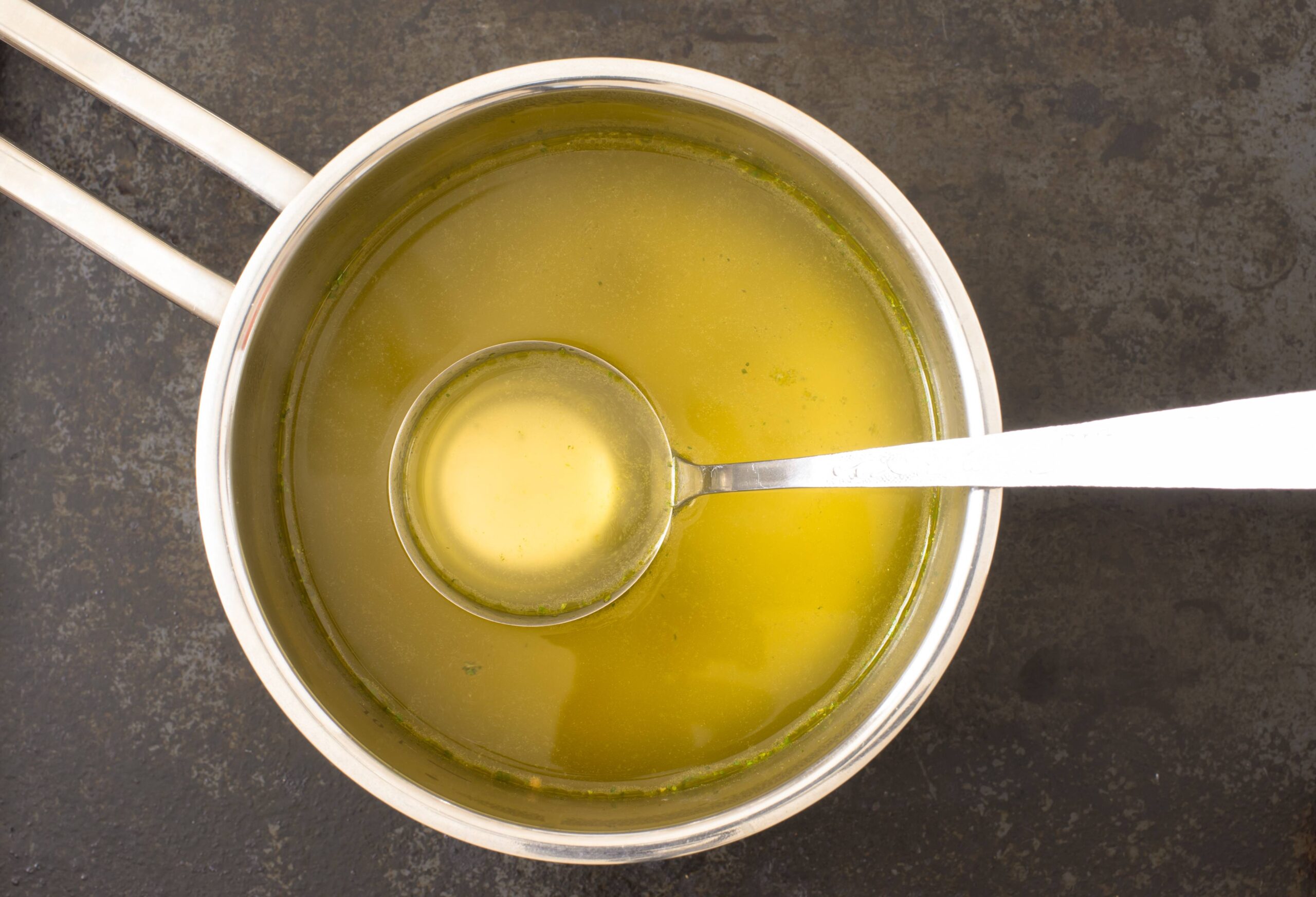
Bone broth is a savory liquid consisting of the water in which the bones and cartilage of meat or fish have been simmered. The nutritional content of each bone broth varies based on the bones used, cooking time, and cooking method, but you can almost guarantee that you will find these nutrients to some degree in every bone broth (and experience their health benefits).

Collagen and Gelatin

Collagen makes up about 30 percent of the protein in your body and is the main component of connective tissues like cartilage, ligaments, tendons, bone, and skin. Gelatin forms when the collagen is simmered during the process of making bone broth, which gives the broth a Jell-O like consistency when it is cooled.

Although this technically is an animal protein, it has much less leucine than the protein found in meat and dairy. It also has less leucine than common vegan sources of protein like soy. Even without the extra leucine, collagen still supports the growth of muscle tissue, so you may not need the whey protein after all.

Bone broth also contains high amounts other amino acids that maintain health and prevent disease of many organ systems in the body.

Glycine

Collagen contains high amounts of the amino acid glycine, which helps control blood sugar levels and prevents the negative effects caused by having too much methionine that we talked about earlier in this article. Glycine is also important for the production of myoglobin and hemoglobin for oxygen transport in the muscle and blood respectively. This means that it improves your exercise performance and your ability to recover from those exercises.

Glycine aids in digestion by protecting us from gastric ulcers, stimulating stomach acid production, and as a component of bile acid to help us digest fats. The effects of glycine are also felt in almost every cell in the body because it restores the body’s master antioxidant, glutathione.

Proline

About seventeen percent of collagen is made up of the amino acid proline. It helps regulate mTOR, aiding in cell growth and proliferation, while it clears up waste products and free radicals from cells. This makes it less likely that the activation of the mTOR pathway will lead to cancer growth.

Glutamine

Glutamine is abundant in the blood and is one of the few amino acids that can cross the blood-brain barrier. It is essential for the health of the intestinal barrier of our gut and the function of our immune cells because these cells prefer to consume glutamine for energy.

Minerals

Earlier in this article, we mentioned that milk contains many essential minerals for our health. Bone contains almost all of the minerals found in milk and then some. Calcium, copper, iron, magnesium, manganese, phosphorus, potassium, sodium, and zinc are all found in bone. Each mineral serves its own essential role for the health and function of your body while providing the raw materials you need to build strong bones.

Glycosaminoglycans

When you make bone broth using bones with the tendons, ligaments, and cartilage still attached you will guarantee that you are getting natural sources glycosaminoglycans.

Not familiar with the term?

How about the popular joint support supplement called chondroitin sulfate? This is a glycosaminoglycan that is found in the cartilage, and it protects our joints from wear and tear.

Glycosaminoglycans are complex carbohydrates that attach to proteins to form parts of your connective tissue and synovial fluid, the lubricant that surrounds the joint. They also play an important role in skin health by promoting skin hydration and wound repair. Combine this with the beneficial effects that collagen has on reducing cellulite and protecting the skin from UV damage, and you have a skin health supplement in your bone broth that actually works.

Specific glycosaminoglycans serve other important roles in the body. The glycosaminoglycan called heparin sulfate has been shown to help regulate immune system function, and the most well-known glycosaminoglycan, chondroitin sulfate, plays an important role in boosting our cognitive abilities.

Order Out or Make Your Own?

Now you know that bone broth contains nutrients essential for the health of every cell in the body, and it can be a valuable addition to any diet, but how do you get it?

It is best to get your bone broth from people that source their bones from healthy animals. Here are some high-quality bone broth sources that will ship to directly to your place:

But if you’re feeling ambitious and want to guarantee that you will get all of the benefits from the bone, tendon, cartilage, and ligaments, I suggest making your own bone broth.

The Simplest Bone Broth Recipe

Making bone broth is easier than you think. All it takes is high-quality bones, water, heat, and patience.

Step 1

Save the bones and cartilage from something you already ate, or purchase bones from a quality source like U.S Wellness Meats or White Oak Pastures.

For example, you can use the bones from a chicken, duck, or lamb leg that you just ate from dinner.

Bonus Tip: The best broth that I’ve ever made was from two pig feet. It was filled with so much gelatin and glycosaminoglycans that it became completely gelatinous at room temperature. Using parts of the animal that have very little meat, but a lot of cartilage, ligaments, tendons, and skin is the best way to make bone broth that is filled with gelatin and glycosaminoglycans. Fish heads, chicken feet, and pig feet are all perfect examples of this and make the healthiest broths.

Step 2

Put the bones in a pot, a slow cooker, or a pressure cooker and cover them with water.

If you’re using a pot, bring the water to a simmer and cook the bones for 8-24 hours.

If you’re using a slow cooker, cook the bones on the low setting for 8-24 hours.

If you’re using a pressure cooker, you only need to cook the bones for 2-3 hours.

Bonus Tip: Add 1-2 tablespoons of apple cider vinegar to the water and let the bones soak for 30 minutes to modestly increase the mineral content of your bone broth.

Flavor Tip: Add a small onion, a couple carrots, a stalk of celery, and a pinch of sea salt to improve the flavor of your broth.

Step 3

Sift out all solid particles by using a mesh strainer, so that you have a liquid broth with no solid particles floating in it.

Step 4

Use the broth as a base for soups, add the broth to smoothies, drink it as a hot beverage, store it in the fridge for up to 5 days or freeze it.

Enjoy!

Recommended Reading:
Sources:

Glutathione Detoxification – A Comprehensive Overview

Whether or not you know it, there is a good chance that your body is overflowing with bacteria and toxins. Almost everyone has some level of toxins flowing through their body. Many people will believe that they’re not being impacted until it is too late. The only effective way to eliminate these toxins from the body is by performing a detox.

There are many different types of detoxification methods that can be utilized, but the glutathione detox is widely considered to be the most effective. In fact, many experts suggest that the glutathione detox is one of the most effective defenses against toxins and disease.

What Is Glutathione?

First and foremost, you should familiarize yourself with the chemical at the center of the detoxification process. GSH or Glutathione is actually an antioxidant, which is found in plants, fungi, animals, and some specific strains of bacteria. The antioxidant has proven to be very effective for protecting against free radicals, lipid peroxides, and even heavy metals. Glutathione will protect the body’s cellular components, which can be damaged by reactive oxygen species. This is one of the many reasons that the glutathione detox is so enormously effective and beneficial.

A Depleting Resource

Unfortunately, you do not have access to an unlimited amount of glutathione. In fact, glutathione is a depleting resource, which can be diminished by a variety of factors such as taking specific types of medications and failing to consume a sufficient quantity of minerals and vitamins. More importantly, it should be known that glutathione will actually decrease over time.

Finally, you should realize that each person will have a different level of GSH in their body. Your age, gender, diet, activity level, and race can play a role in determining how much GSH you have inside of your body.

What Does Glutathione Do?

Believe it or not, glutathione has a wide array of responsibilities. Nonetheless, the antioxidant’s most important duties are directly linked to the immune system. By maintaining an appropriate amount of glutathione in your body, you will be able to keep your immune system working at optimum levels. In return, this will decrease the frequency of illnesses while simultaneously helping to stave off disease. At the same time, glutathione is known to play a very important role in helping the body detox.

Glutathione will also go to work inside the patient’s liver to make sure toxins can be removed a little bit easier.

Detoxification and Autism

Autism is characterized as a neurodevelopmental disorder that causes repetitive and restrictive behavior. A recent study shows that males are at a higher risk of developing autism than females. However, all children are at risk regardless, but once the child has been diagnosed with the disorder, the parents will need to learn how to deal with it. Humans remove toxins from their body via four different routes: kidneys, lungs, digestive tract and skin.

When the toxins build up inside the child’s body, the child will begin to act out. However, there is a solution to this behavior – routine detoxification. According to Dr. S. Jill James, children who have been diagnosed with autism have impaired methylation, which is how glutathione is made. When the methylation is impaired, the body will not go through the normal detoxification processes.

The impaired methylation is most likely due to glutathione deficiency. When reduced levels of glutathione are detected, the child will be at a higher risk of environmental toxicity from harmful substances such as pesticides, heavy metals and PCBs. Children who have been diagnosed with autism spectrum disorder and attention deficit hyperactivity disorder (ADHD) have impaired detoxification pathways.

Importance Of Cellular Antioxidants

Cellular antioxidants play a major role in detoxification. When there is a deficiency of these antioxidants noted, the body will fill up with harmful toxins. One of the most important cellular antioxidants that have more prevalence over the others is glutathione or GSH for short. It is crucial that everyone learns about the role glutathione plays in detoxification because its primary responsibility is to prevent the buildup of free radicals in the body.

Glutathione is made up of three different amino acids: glycine, glutamine, and cysteine. Glycine is classified as the “simplest amino acid”, but it is still important because it helps to form glutathione. Cysteine is classified as a sulfur-bearing amino acid. Glutamine is the most abundant amino acid found in the human body. The three amino acids work together to combat free radicals, which are linked to chronic illnesses like cancer.

Medical experts refer to glutathione as a “redox molecule”. The redox process is where a molecule undergoes both the oxidation and reduction cycles. During the oxidation cycle, the molecule will release electrons and during the reduction cycle, the molecule will gain electrons. The oxidation state is increased during the oxidation process and decreased during the reduction process. These processes are a little difficult to understand, but they play a huge role is trying to help the body combat free radicals and prevent organ toxicity.

Glutathione and the Human Organs

Body builders, athletes, and professional weightlifters monitor their glutathione levels because they are more aware of its importance than the average person. However, it is crucial that everyone gets on board and starts doing some research on one of the most important cellular antioxidants.

Our bodies contain an abundance of cellular antioxidants that are responsible for protection from toxicity and free radicals. High-energy demand organs utilize a major amount of biological energy or ATP. High-energy demand organs include the heart, liver, kidneys, gut, brain, and lungs. These organs are continuously working, which is why they utilize so much biological energy.

When biological energy is utilized by the mitochondrion, the production of free radicals is inevitable. Free radicals are the end product of this process and if they are not kept in check, the individual will experience organ toxicity. Environmental toxins can be found throughout the entire body. The organs have to work constantly to prevent the toxins from causing damage to the cells and their functions. The cells will utilize glutathione to combat free radicals and if a deficiency is detected, the body will be at a high risk of disease, inflammation, and infection.

Glutathione and other cellular antioxidants are crucial for the detoxification of carcinogens. An example of a dangerous carcinogen is benzene, which can be found in the exhaust produced by automobiles. Other carcinogens include lead, cadmium, and mercury. Everyone is exposed to these chemicals when they venture outdoors, but over exposure will call for a higher demand of glutathione.

Increasing Your Glutathione Levels

If you intend to perform a glutathione detox, you will need to learn how to increase your levels of this incredibly important antioxidant. While it is possible to purchase glutathione supplements, it should be known that these products are not entirely effective on their own. At the same time, the glutathione consumed in your diet might not be enough to help stimulate the detoxification process. If you visit the hospital and need more glutathione, the doctor will actually give you NAC or N-acetylcysteine. This is another amino acid, which can help your body produce more glutathione on its own. Elderly individuals can consume NAC supplements to increase their glutathione levels to the norm.

Ways to Boost Your Body’s Level of Glutathione

Exercise More

It should be no surprise that working out and exercising can be enormously beneficial. Exercise is important for various reasons, with increased glutathione levels being one provided benefit. A recent study examined the impact of cardio, weight training, and a combination of each. It was determined that patients who performed a combination of cardio and weight training, were able to increase their glutathione levels more than others. If you’re interested in performing a glutathione detox, you will definitely want to add a little cardio and weight training to your daily schedule.

Increase Sulfur Intake

There are certain chemicals, which can help the body produce more glutathione. Sulfur just happens to be one of the most notable precursors to glutathione. By increasing your intake of sulfur, you will also be able to increase the amount of glutathione that your body produces. With this in mind, you will want to begin eating foods that are high in sulfur. Onions and garlic are two good choices. By adding one of these foods to your daily intake, you will be able to ensure you’re not suffering from a glutathione deficiency.

Try a Ketogenic Diet

A great deal of research has been conducted regarding the impact of a ketogenic diet. Recently, it was discovered that a ketogenic diet could actually increase the levels of glutathione in rats. It is unknown how this could translate to humans. If you’re interested in switching to a ketogenic diet, you should be prepared to increase your intake of fat while lowing your carbohydrate consumption. A ketogenic diet will offer an abundance of different benefits, including combating cancer, Alzheimer’s disease, and diabetes. More importantly, a ketogenic diet could help your body produce extra glutathione and that can prove to be helpful for inducing a glutathione detoxification.

Increase Diary Intake

If you’re a fan of milk, you will have a very easy time gaining more of the most powerful antioxidant. In fact, you will not need to change anything at all. It has been widely circulated that cow’s milk can help the body produce a greater amount of glutathione. Remember that glutathione is comprised of three amino acids. This includes glycine, glutamate, and cysteine. Unfortunately, cysteine and L-cysteine are often destroyed by the pepsins and enzymes found in the gut. When the cysteine is bonded, it can then be absorbed into the bloodstream.

There are several sources of bonded cysteine. Children who are breastfed will receive more because bonded cysteine can be found in breastmilk. Also, it is possible to obtain a suitable replica in the form of undenatured whey protein from raw cow’s milk. Pasturized milk will not offer the benefits.

Benefits Of A Glutathione Detox

So, why would anyone be interested in performing a glutathione detox anyway? The truth of the matter is that there are an abundance of reasons. Performing any type of detox can be a great way to remove harmful toxins from the body. However, by incorporating the glutathione antioxidant, you will receive even more benefits.

Protects From Free Radicals

First and foremost, you should realize that glutathione is an antioxidant and is capable of fighting off free radicals. By increasing your body’s glutathione content, you will be able to stop free radicals from damaging your cells and making you sick. Without a sufficient amount of glutathione, the body would not be able to protect itself from infections and diseases.

Fights Liver Cancer

While you’re at it, you should realize that glutathione usually works inside of the liver. It plays an important role in detoxing the life and protecting it from disease. Recent animal studies have proven that glutathione can help fight off liver cancer. At the same time, this antioxidant may be able to help cancer patients, who are undergoing chemotherapy. It is also believed that it can help maintain kidney function in patients that are forced to undergo bypass surgery.

Combats The Symptoms Of Parkinson’s Disease

Parkinson’s disease can be devastating and downright debilitating. Today, there are very few effective treatments for Parkinson’s. Nonetheless, it is believed that injecting glutathione intravenously may help alleviate the disease’s symptoms to some degree because Parkinson’s is generally associated with a decrease in the body’s level of dopamine. On the flip side, glutathione is capable of increasing the patient’s sensitivity to dopamine. This can effectively decrease the impact of Parkinson’s.

It is also believed that glutathione can fight off neurotoxins, which may be linked to the disease. While further research is essential, it is safe to say that glutathione may prove to be an effective way to combat Parkinson’s, while also diminishing the disease’s symptoms.

Related Reading:

Review: Organic Root Cider by Barrier Island Organics

Barrier Island makes Mother’s Earth Organic Cider, which to me is very much a tonic. It reminds me of Shillington’s Total Tonic, but it’s better IMO. I told Mark Welch it was “rich,” and he said, “Yeah, there’s a lot of product in that cider; I can tell you that. We put for every nine pints of vinegar, we put ten pounds of roots and vegetables in there to start the process.”

If you have a sore throat or that tickle in your throat that could be the onset of a new bug to fend off, this is what you want to sip on. I would pour myself an ounce and sip on it for an hour like a fine scotch. It doesn’t taste as good, but you can play with the complexities and pretend.

People report wonderful testimonials including, “My inflammation seemed to be getting better every week,” and “No more knee pain, stiff neck, or swollen Achilles tendon.” They even report weight loss and blood sugar control. It makes sense, considering the ingredients:

  • Raw unfiltered apple cider vinegar provides essential nutrients that aid in digestion, metabolism, the lymphatic system, oxygen transport, and energy production. It balances the bodily pH levels and maintains them.
  • A whole lemon (with peel) cleanses and detoxifies the liver, flushes the digestive system, and provides tons of vitamin C.
  • Horseradish root provides lots of nutrients and minerals, aids in digestion, increases immunity, lowers blood pressure, increases metabolic function, and helps kill pathogens in the body.
  • Ginger root provides a strong antioxidant effect, boosts immunity, has anti-inflammatory compounds, and alleviates gastrointestinal distress, including nausea, which is imperative in this concoction!
  • Turmeric root “increases the antioxidant capacity of the body” which increases the cider’s anti-inflammatory properties, improves brain function, increases heart health, and fights cancer.
  • Garlic increases metabolism and lowers cholesterol while strengthening the immune system, especially against colds and upper respiratory infections.
  • White onion improves our absorption of vitamin C, regulates blood sugar, and helps protect us against chronic illness and disease.
  • Beets clean the blood and the circulatory system, lower blood pressure, boost stamina, and provide valuable phytonutrients to combat disease. They are high in fiber and offer anti-inflammatory properties for the body.
  • Serrano, habanero, and poblano peppers are rich in nutrients and vitamins and contain capsaicin, which lowers the risk of cancer and cardiovascular disease. They also have anti-inflammatory and analgesic properties so they may provide relief for pain related to arthritis, fibromyalgia, skin aging, and psoriasis.

As a daily tonic, take at least a tablespoon daily. Sip on it if you have a sore throat or at the first sign of illness. Take it for digestive issues. Take it to prevent illness and to help return the body to health. It helps aid detoxification and adds tons of nutrition to the body. I’m hooked. We’re always going to have this is one in the house.

10 Natural Remedies for Mosquito Bites – Infographic

girl with mosquito bite, scratching hand has motion blur

Have you ever had a mosquito bite that turned into a big, itchy bump? You may be surprised by the number of natural remedies you have lying around your home that can help stop the itch so the bite goes away faster.

This is especially important for kids who don’t yet fully understand the importance of not scratching a mosquito bite. Don’t spend money on toxic creams. Use one of these solutions you probably already have in your kitchen.

how to stop mosquito bite itch

Infographic courtesy of Mosquito Magnet.

Related Reading:

Beautiful Skin from the Inside Out with Vitamin C

Who doesn’t want radiant, clear skin? Unfortunately, as we age, that healthy glow isn’t always so easy to attain. As our skin ages, it becomes thinner and more fragile. Fine lines begin to show.

While a “less perfect” appearance of skin is completely normal and a healthy part of aging, it’s important to note that we do have the ability to greatly influence our skin’s appearance and health through the food and beverage choices we make. One starring role in creating healthy, beautiful skin is the ever present and often abundant vitamin C.

Understanding Skin Damage

Skin damage happens because of stressors such as age, pollution, and UV radiation due to a process called oxidization. Oxidization occurs when a molecule that has been exposed to a stressor such as tobacco smoke becomes unstable. This molecule then seeks to steal an electron from a healthy cell in order to become stable. This is where vitamin C steps in.

Vitamin C is an Antioxidant

According to Gabriella Weisbom, Certified Nutritional Practitioner (CNP) at Elements Wellness Centre in Vancouver, Canada, antioxidants are our body’s natural mechanism to help neutralize free radicals. Weisbom explains that free radicals are reactive and unstable atoms that can damage cells throughout the body and that vitamin C and other antioxidants help prevent that damage. “Antioxidants protect skin by limiting the production of free radicals which reduces damage to the skin cells,” Weisbom says.

Basically, an antioxidant donates an electron to a free radical to prevent oxidization from occurring, so that a free radical becomes stable and leaves the healthy cells alone.

Vitamin C Helps to Synthesize Collagen

Collagen is an important part of our skin’s health. It’s a protein that creates our skin’s firmness, and as we age, we produce less of it. However, increasing your vitamin C intake helps collagen production because “Vitamin C is required for the synthesis of collagen, which is a structural component of skin,” according to Weisbom.

One thing to keep in mind: vitamin C is water soluble — meaning it’s not stored in our bodies — and needs to be replenished daily.  “If you don’t get the proper amount of vitamin C, collagen production will slow, making skin more susceptible to wrinkles and aging,” states Weisbom. Therefore, increasing your intake of vitamin C, will greatly help the production of collagen in your skin, as well as neutralize the harmful effects of antioxidants.

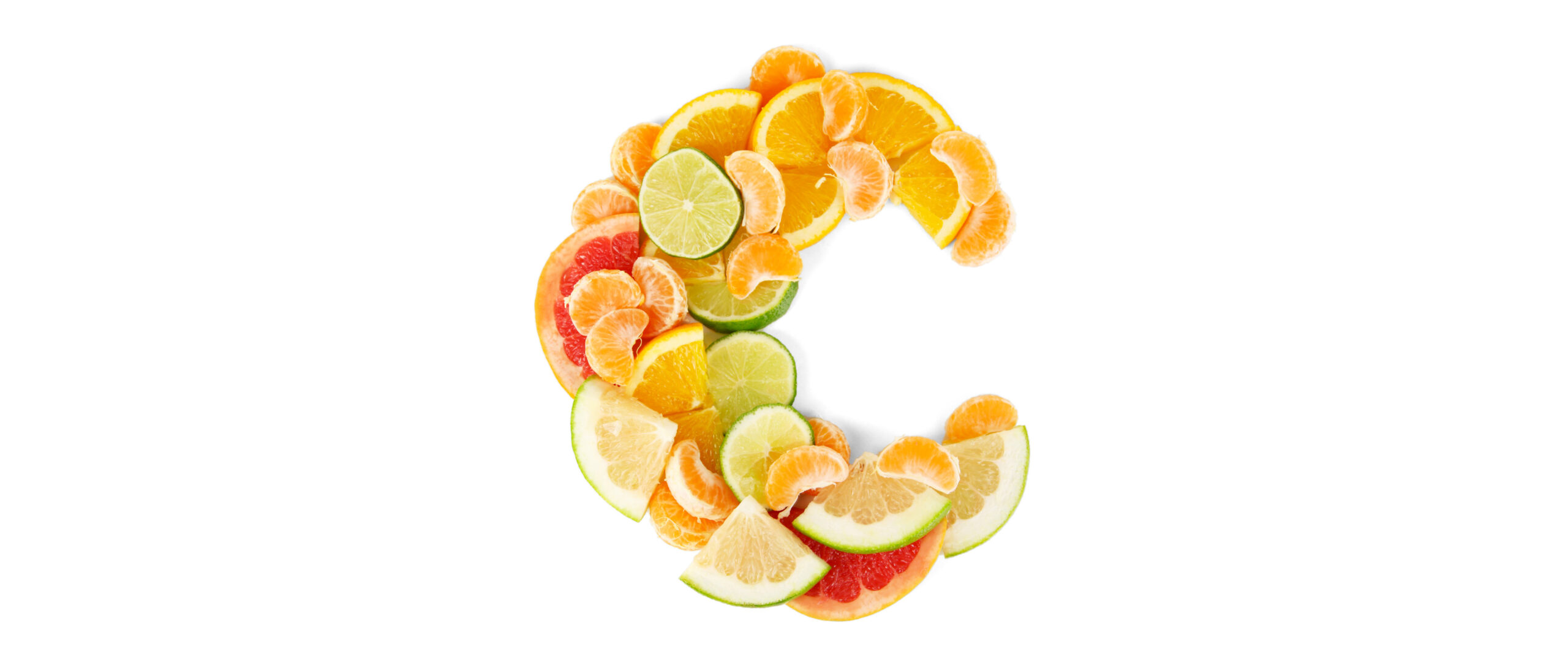
What are the best sources to get vitamin C? The grocery store is a great place to start. Weisbom mentions that oranges, grapefruits, lemons, limes, papaya, strawberries, pineapple, kiwifruit, and cantaloupe are all excellent sources of vitamin C. Vegetables like bell peppers, kale, broccoli, Brussels sprouts, squash, and green beans also provide vitamin C, according to Weisbom.

Because vitamin C is heat sensitive, “…it’s best if you consume these foods raw to get the most benefit! If you prefer them cooked, I suggest cooking them at a low heat without exposing them to too much water,” says Weisbom.

Eating fresh fruits and vegetables is a great starting point for many who wish to up their intake of vitamin C; however, what if someone isn’t able to eat enough of these regularly? Is the average vitamin C tablet a good option?

Vitamin C Tablet

Weisbom strongly suggests that consumers do their own research on tablets as a form of vitamin C supplementation. Along with double checking the vitamin C tablet’s ingredients, to make sure you’re not allergic or that other medications (you may be on) won’t negatively impact you, “You also want to be certain there are no filler chemicals added as binding agents,” says Weisbom. In order to figure out which tablet is best for you, always talk to your health care professional or nutritional store staff.

Traditional oral supplements don’t always provide the best vitamin C absorption because the vitamin is held in a capsule that is rapidly disintegrated by the acids in your stomach. This poses a threat to your body’s ability to absorb vitamin C, according to natural health’s website DrMercola.com.

There’s an alternative to tablets called liposomal vitamin C, which, because of its make-up, presents bioavailability advantages over traditional oral C supplements. It is more easily and fully absorbed by your body, explains Weisbom. In addition, with high levels of traditional oral vitamin C, gastrointestinal distress can occur, and liposomal technology reduces this.

With all of this in mind, how can the average person fit more vitamin C into their life? Weisbom suggests these three strategies:

  1. Be prepared. Always have fruit high in vitamin C on hand for snacking. Fruit such as oranges, grapefruits, and kiwis are a hand held one stop shop for increasing your intake of vitamin C.
  2. Supercharge your breakfast with vitamin C.  Add fresh or frozen berries to your smoothies.
  3. Get cultural. Eat fermented vegetables (such as kimchi and sauerkraut) because they are an excellent source of vitamin C.

What should you expect if you increase your intake of vitamin C? According to Weisbom, “Tighter, smoother and glowing skin.”

Recommended Reading:
Related Products:
Sources: