Vitamin D3 Versus D2

(Dr. Mercola) It’s something I’ve been encouraging for several years now — making sure you’re getting adequate levels of vitamin D, not only because it’s a crucial nutrient, but because so many people are deficient and don’t realize it. But a new study has emerged dispelling the idea many scientists and health care providers have had for many years, the upshot being that there is a vast difference between vitamin D2, which is plant-based (notably from mushrooms), and vitamin D3, which is derived from animal products.

The two do not, as some have believed, have a similar nutritional value. Health authorities are calling for official recommendations for vitamin D intake to be changed in accordance with the “new” information, which is not actually new, as we’ve related this important distinction for some time. The “groundbreaking” study from the University of Surrey was conducted to determine, between vitamins D2 and D3, which was more effective in raising levels in the body.

The trial was funded by the Biotechnology and Biological Sciences Research Council (BBSRC) — “the largest U.K. public funder of nonmedical bioscience” — and the Diet and Health Research Industry Club (DRINC). Susan Lanham-New, principal investigator of the trial, called the results a “very exciting discovery which will revolutionize how the health and retail sector views vitamin D,” EurekAlert! reported.1

She added, “Vitamin D deficiency is a serious matter, but this will help people make a more informed choice about what they can eat or drink to raise their levels through their diet.” Serious is right: one study shows that more than 40 percent of the American population is deficient in vitamin D,2 and some experts say the problem is serious enough to call it a pandemic.3

Related: Vitamin D – The #1 Vitamin You Need: From Treating Depression to Preventing Cancer

Vitamin D2 and D3: Not Interchangeable

Vitamin D is produced by your body after exposure to the sun, and because winter is the period during which sunshine is least available, vitamin D levels are typically at their lowest during this time.

The 335 South Asian and white European women who participated in the study over two winters were divided into five groups and given either juice containing vitamin D2 or D3, a biscuit with the same or a placebo. At the conclusion of the study, researchers found vitamin D3 to be twice as effective in raising levels in the body in comparison to D2. EurekAlert reported:

“Vitamin D levels in women who received vitamin D3 via juice or a biscuit increased by 75 percent and 74 percent respectively compared to those who were given D2 through the same methods. Those given D2 saw an increase of 33 percent and 34 percent over the course of the 12-week intervention.

The research also found that nutrient levels of both vitamin D2 and D3 rose as a result of both food and acidic beverages such as juice, which were found to be equally as effective. Those who received the placebo experienced a 25 percent reduction in the vitamin over the same period.”4

What’s interesting, as mentioned, is that the information from this latest study is not new news. A similar study back in 2011 is one of several instances where vitamin D3 has been shown to have a much greater significance for your health compared to D2. One study5shows D3 to:

  • Convert to its active form 500 percent faster
  • Be 87 percent better at raising and maintaining vitamin D levels
  • Produce two to three times greater storage of the vitamin than D2

Recommendations for Vitamin D Outdated and Unsafe

Here’s where it gets problematic: Several governments around the world, including the U.S. National Institutes of Health, assert there’s no difference between vitamins D2 and D3 and that interchanging the two makes no difference whatsoever in your body’s levels. However, the latest information from Public Health England reveals that more than 1 in 5 people in the U.K. have low levels of vitamin D, so the intake they now recommend is 10 micrograms per day, all year long, for everyone beginning at age 4.

EurekAlert! notes that daily intake of vitamin D3 — but not vitamin D2 — will allow the population to avoid such health problems as rickets, osteoporosis and a higher risk of developing heart disease, all associated with individuals with insufficient levels of vitamin D in their bodies.

What the scientists found influences public health but also retail markets in that many have added vitamin D2 to their products because they were led to believe it was just as viable in the body to increase people’s “D” levels as taking D3. Lead study author and dietitian Laura Tripkovic explained:

“The importance of vitamin D in our bodies is not to be underestimated, but living in the U.K. it is very difficult to get sufficient levels of it from its natural source, the sun, so we know it has to be supplemented through our diet. However, our findings show that vitamin D3 is twice as effective as D2 in raising vitamin D levels in the body, which turns current thinking about the two types of vitamin D on its head.”6

Tripkovic explained that people who eat vitamin D3-rich foods or take supplements are two times more likely to raise their vitamin D profile than when consuming the equivalent in vitamin D2 foods such as mushrooms, D2-fortified bread or taking D2 supplements.

Downsides of Low Vitamin D Versus Benefits of Optimal Levels

Vitamin D is involved in the biology of all cells in your body, including your immune cells. A large number of studies have shown raising your vitamin D level can significantly reduce your risk of cancer and many other chronic diseases.So what happens when someone isn’t getting the amount of vitamin D that they should? Daily Mail7 notes that lack of vitamin D:

  • Can cause your bones to become thin, brittle or misshapen
  • Is linked to an increased risk of multiple sclerosis
  • Is linked to a growing prevalence for children to develop rickets, shown in many cases to cause malformed and/or broken bones
  • Appears to play a role in insulin resistance, high blood pressure and immune function, related to heart disease and cancer

People who are obese, older than age 65 and/or housebound may have lower levels of vitamin D due to their diets, little sun exposure and other factors, and among dark-skinned individuals in the U.S, only 3 percent among thousands have enough vitamin D, which is a 9 percent drop from 20 years ago.8 Beyond cancer prevention, a Swiss study9 from 2013 lists several of the more dramatic benefits of getting the right amount of vitamin D:

  • The development, function and maintenance of healthy bones and regulation of calcium homeostasis throughout life
  • The basis for the prevention and management of osteoporosis, a disease producing brittle bones that are prone to fractures
  • The regulation of neuromuscular function, reducing the risk of falls, a major cause of bone fractures
  • Possibly a central component of musculoskeletal health through vitamin D’s beneficial effects on muscle function and bone stability
  • May show favorable effects in many organs and play a significant role in the maintenance of general health

Related: Foods with Vitamin D and Vitamin B12 for those with Multiple Sclerosis

Vitamin D and Omega-3 Fatty Acids: Two Crucial Nutrients for Health

According to Pharmacy Times, studies indicate that around 50 percent of adults worldwide have a vitamin D deficiency. Interestingly, in reviewing “potential mechanisms by which vitamin D might influence development of cardiovascular disease (CVD)” — and there’s evidence that there is a link — there’s also a possibility that CVD may cause low vitamin D levels rather than the other way around.10

In 2018, the VITamin D and OmegA-3 TriAL (VITAL) will conclude the first part of its review to provide evidence to indicate whether 2,000 IUs per day of vitamin D supplementation, with or without omega-3 fatty acids, has any specific CVD effects. Specifically: “The large study has enrolled about 25,000 healthy, middle-aged American adults. It has also been structured to gauge long-term effects. VITAL is expected to augment the wealth of information that we possess concerning vitamin D supplementation for bone health.”11

You may already be aware that vitamin D and omega-3 fatty acids are two of the most important nutrients your body needs, but most people have no idea if they’re deficient in either of them. A test kit is available, however, to quickly and safely analyze your blood levels while at the same time helping to augment consumer-sponsored scientific research.

The testing is performed by an independent research organization comparing these nutrients, and reveals your own vitamin D and omega-3 index (a measure of the omega-3s in your red blood cells) to let you know whether corrective action is needed. For more information about the nonprofit GrassRoots Health initiative and to learn how to get your own test kit, click here.

The Significance of Getting Adequate Sunlight

Another reason vitamin D levels are so important is that hepatic mitochondria and their associated microsomal enzymes metabolize vitamin D, whatever the source, Pharmacy Times noted, adding:

“When patients consume too much vitamin D2 or vitamin D3, this process is completely unregulated and patients’ vitamin D levels will rise proportionally to their intake. On the other hand, cutaneous synthesis from sun exposure allows patients levels to reach a preset point, and after that, additional sun exposure will not increase vitamin D levels.”12

This means the best way to make sure you’re getting enough vitamin D is to get regular sensible exposure to direct sunlight on your body each day. Depending on your locale, in the winter when the sun hides behind clouds and temperatures are often so chilly you’re forced to wear long sleeves and galoshes, this may be difficult if not impossible, however.

Related: Sunlight and Vitamin D

Alternatively, adding vitamin D3 supplements to your regimen can help you achieve optimal vitamin D levels. The foods you eat can also make a difference in helping to make or break your health (if not your bones). The best foods for increasing your vitamin D intakevia your diet are animal-based and quite limited:

  • Raw milk
  • Eggs, particularly the yolk from organic, free-range eggs
  • Wild-caught Alaskan salmon and other healthy fish such as mackerel and sardines, preferably from cold waters, and not farmed

Get Your Vitamin D Levels Tested

If you decide your vitamin D3 should be taken in supplement form, it’s your serum level, or how much D3 your blood contains, that determines how much you should take until your levels are optimized to between 50 and 70 nanograms per milliliter, or ng/ml.

Studies done by Grassroots Health13 recommend about 8,000 IUs (the International Unit by which fat-soluble vitamins are measured) daily of vitamin D3 to raise your serum levels above 40 ng/ml. Children may need about 35 IUs per pound of body weight; however, getting your blood tested is the only way to know for sure whether your vitamin D levels are within the optimal range and, consequently, how much oral vitamin D3 you may need. Also be sure the vitamin D you take is correctly balanced with vitamin K-2.

An Atlanta-based Emory University School of Medicine study published in the Journal of the American College of Cardiology outlined vitamin D’s association with cardiovascular disease prevention.

The upshot is that levels below 20 ng/ml are simply not enough to maintain bone health, let alone provide the other disease-prevention benefits that vitamin D has to offer. As mentioned, optimal levels of vitamin D are between 50 and 70 ng/ml. Medical News Today pinpointed why the latest study and subsequent calls for government entities to increase recommendations are so important:

“Vitamin D deficiency appears to be widespread, and, as more research is conducted, it becomes increasingly clearer that this nutritional deficit is having a significant impact on the health of the country overall. Studies such as this may play a role in improving awareness, and, eventually, reversing the trend.”14

How to Kill Fungal Infections and Keep Them Away

Do you suffer from chronic sinus infections? Respiratory infections? Gum disease? Ear infections? Digestive problems? Chances are you are suffering from an overgrowth of Candida, the most prevalent fungal infection.

There are four types of infections we suffer from: bacterial, viral, parasitic, and fungal (though an argument could be made that fungal infections are parasitic). Too often we assume that our bronchial infection is bacterial. We take ineffective antibiotics that kill off more of the beneficial bacteria in our gut and allow Candida to thrive.

We feed yeast with an unhealthy diet filled with sugar and simple carbohydrates. When we start to clean up our diet, we starve Candida which releases toxins into our system. These toxins make us feel terrible. We eat sugar or high carb foods and we feel better because we have fed the Candida. Candida multiplies and we crave more sugar. And thus the cycle begins.

It’s easy to know you have a yeast problem when you have vaginal yeast infections, athlete’s foot, fingernail or toenail infections, or patches of yeast on the skin. If you suffer from these infections, it is highly likely that you have a systemic problem with yeast as well.

How to Kill Candida and Other Fungal Infections

First and foremost, the very best supplement I know of to kill any fungal infection is Formula SF722 by Thorne. It really is an amazing yeast killer. Below we have a list of supplement recommendations, but if you can only afford one, trust me, get the SF722. In fact, if you can only afford two, and you are unwilling or able to keep your diet right, get two bottles of SF722.You can also take a lot of them at once if need be. For particularly bad infections of a fungal infection, try taking up to 30 a day for a few days, and them reducing to a maintenance dose. You can also use topically. It hurts (only when there is an infection to kill), but it doesn’t damage the skin. They are the best for Candida or any other fungal infections, and Green Lifestyle Market accepts full refunds, no questions asked if you try and you don’t feel it’s working for you. If you want to get a better understanding of the gut and how fungal infections work, check out Candida, Gut Flora, Allergies, and Disease.

The first step in eliminating an overgrowth of any fungus is to stop feeding it. Sugar is your worst enemy. This means eliminating all forms of sugar including simple carbohydrates (and alcohol) that the body turns into sugar.

Yeast in foods may also feed a fungal infection. When you are battling an overgrowth of systemic yeast or fighting a localized infection, avoid any foods with yeast–this means leavened breads.

Stop eating any trigger foods that you suspect may be a source of an allergic response. You are going to war. Candida and other fungi are the enemy. If your immune system if engaged in battling other issues, it won’t be 100% available to fight the fungi you are trying to eliminate. Don’t challenge it with any foods that you have ever had an allergic response to in the past. You need all of your resources at their best.

Diet

Although your diet must eliminate some of the foods that you will normally eat on a healthy diet, the basis of a healthy diet remains the same. Your diet should consist of 80% fresh, raw, organic produce, more vegetables than fruit. Choose a wide variety of nutrient dense foods. If you eat meat, make sure you choose organic meat. You do not want to eat meat from diseased animals fed hormones and antibiotics. Avoid processed foods, and do not eat any foods with artificial flavorings, colorings, preservatives, MSG, or trans fats. Avoid all GMOs. This is easy to do if all of your food choices are organic.

This is a prebiotic diet. Raw produce is high in fiber, which is essential for gut health. Fiber not only moves toxins through the bowels, it provides the perfect environment for healthy bacteria to thrive. Many conventional sites that talk about a diet for Candida warn against eating fermented foods. Fermented foods such as sauerkraut, kimchi, kombucha, and keifer provide the healthy bacteria needed in the gut–the bacteria that will ultimately crowd out Candida. Foods that kill fungi include onions, leeks, green apples, ginger, pomegranates, and citrus fruits. Along with diet, there is an arsenal of natural herbs and supplements at your disposal to fight Candida and other fungi.

Herbs and Supplements to Fight Candida and other Fungi

Aloe Vera

Aloe Vera lowers pH levels creating an inhospitable environment for Candida. It also helps detoxify the liver. The liver filters the byproducts of Candida and deals with toxins from the die off process as the Candida is destroyed. Aloe Vera juice can be consumed on a daily basis (no more than 1/4 a cup) or capsules can be taken.

Garlic

Raw garlic is a powerful anti-fungal that does not destroy beneficial bacteria in the gut. It does, however, kill bad bacteria while killing 24 out of 26 strains of Candida. It can also be rubbed on fungal skin infections. It can be eaten raw or taken in softgel capsules. Garlic cloves can be inserted into the vagina to treat vaginal yeast infections. (see link below).

Warning: Garlic can thin the blood. Do not use garlic if you plan to undergo surgery or if otherwise contraindicated due to another health condition or medications.

Clove Oil

Clove oil is a powerful anti-fungal that also boosts the immune system. Use 15-30 drops in water, 3 times daily.

Coconut Oil

Coconut oil is a strong anti-fungal with many beneficial properties. Take one tablespoon 1-2 times a day. You can eat it plain, add it to smoothies and cook with it.

Tea Tree Oil

Tea tree oil kills bacteria, viruses, and fungi. Some recommend using internally (take 15-30 drops in a cup of water 3 times daily) but many professionals say to only use topically. Update: Lemongrass works much better than tea tree for topical fungal treatment.

Oil of Oregano

Oil of oregano is a strong anti-fungal and antimicrobial. You can take 5 or more drops under the tongue or dilute in water 2-3 times a day. It can also be taken by capsule or oregano leaves can be steeped for a medicinal tea.

Colloidal Silver

Take 1 teaspoon up to 3 times a day, but do not take it long term. There are many claims that colloidal silver is amazing. We haven’t had any luck with it when treating topical bacteria or fungi and there is a lot of controversy about its use and effectiveness, though there are also many claims that it is very effective.

Olive Leaf

Olive leaf disrupts the reproductive cycle of fungi. It also stabilizes and lowers blood sugars to help starve Candida. It is also an amazing antioxidant that stimulates the immune system. It can be taken in capsule form, as a tonic, or as a tea. See below for teas and tonics.

Undecenoic Acid

Undecenoic acid is a very effective broad-spectrum antiviral that is taken in capsule form. This is the SF722 mentioned above. You can puncture the gelcap and squeeze out the liquid to treat skin infections and vaginal infections. Or you can use the liquid added to 98 ounces of filtered water for a douche. Be forewarned, when it comes into contact with yeast, it burns. But it works amazingly well.

Grapefruit Seed Extract 

Grapefruit seed extract is effective against 100 strains of fungi as well as bacteria, viruses, and parasites. It works well with undecenoic acid and does not harm beneficial bacteria. Add 10 drops to water, 3 times a day.

Diatomaceous Earth

No, we are not talking about eating dirt. Almost, but not quite. Diatomaceous earth is silica (silicon dioxide), a very hard substance from the shells of diatoms, tiny single-celled plants. This provides a needed nutrient and there are amazing claims of restored health and vitality associated with it. Take one teaspoon morning and night. It can be added to any liquid, but tends to settle. It suspends well in smoothies. Diatomaceous earth will help to quickly remove Candida from the intestinal walls and out of the body.

Probiotics

Probiotics will help you rebalance your gut with beneficial bacteria that will crowd out Candida and they will help kill Candida as well. Probiotics foods as well as supplements are recommended.

Please note the warnings for pregnant and lactating women for the following remedies

Black Walnut

Warning: Do not use if pregnant or lactating.

Black walnut has been shown to be more effective against Candida than any antiviral drug. It can be taken in capsule form or as an extract.

Pau D’Arco 

Warning: Do not use if pregnant or lactating.

Pau d’arco is highly effective against Candida; it both inhibits and destroys Candida. It also stimulates the immune system as well. Use as a tea, as capsules, or as a tincture.

Barberry, Goldenseal, and Coptis Chinensis

Warning: Do not use if pregnant. And limit use to 7 days for adults–3 days for children.

Barberry, goldenseal, and coptis chinensis are all recommended for Candida. Berberine is the alkaloid each contains, which is highly effective in fighting Candida. It also boosts and stimulates the immune system.

Wormwood

Warning: Do not use if pregnant.

Wormwood is an age old remedy for parasites and an aggressive treatment for Candida. Candida is particularly difficult to treat when it takes root in the intestines. Wormwood is considered one of the best remedies when the infection has reached this stage.

Topical Applications

Any of the essential oils used to treat fungal infections can be used topically. Essential oils are very strong and generally are not used full strength. Although many oils can be used as a carrier, it makes sense to use coconut oil since it is also antifungal. Add a few drops to a tablespoon of oil and spread on the affected area (including nails and nail beds if needed).

Although you will find many sites advising the use of corn starch for athlete’s foot or other signs of fungus, DO NOT DO THIS! Corn starch will feed the fungus and make it worse.

Teas and Tinctures

The following herbs can be used as a tea–for external as well as internal use or made into tinctures. (Remember to follow the warnings for pregnant and nursing women. Of this list, only olive leaf and thyme are to be used by pregnant or nursing women. Check for other warnings listed in the text above.)

  • Olive leaf
  • Thyme
  • Neem leaf
  • Pau D’Arco
  • Barberry
  • Goldenseal

To make a tea, use 1-2 teaspoons of herb per cup of boiling water. Steep for 15 minutes. Drink 2-3 cups per day. You may also use the tea to wash affected skin, to soak hands and feet (to treat affected nails), or you can add the tea to bath water.

To make a tincture, use a glass bottle or jar. Place one cup of herb in the jar and cover with 2 cups of vodka. Place in a dark space for 3-4 weeks. Shake often. Drain and save liquid, discard leaves.

Candida Die Off or Herxheimer Reaction

When Candida or other yeast cells are killed, they give off toxins. Candida gives off 79 different toxins. These toxins can overwhelm the body, causing allergic reactions and inflammation. These toxins can actually damage the body as well.

Die off symptoms can include nausea, headache, fatigue, fever, an increase in muscle and joint pain, swollen glands, digestive disturbances, sweating, elevated heart rate, itching, hives, rashes, and skin breakouts, as well as “brain fog”. Some also experience sinus, vaginal, and prostate infections.

The first defense against an excessive toxic response is to follow your diet. The fiber included in an 80% raw diet will help quickly move the fungus out of your system. Twice daily doses of diatomaceous earth will also help remove the dying fungus from your body.

It is imperative that you drink a lot of clean water. We recommend cranberry lemonade– as much as a gallon a day, sipped throughout the day. It will give you vitamin C, support the kidneys, and help flush out toxins. (See the link below for the recipe. )

You must move your lymph. Your lymphatic system does not have a pump to help it circulate. Your movement is essential. The best way to assist your lymphatic system is bouncing. Rebounders are great. If you don’t have one, just bounce! Bounce on the balls of your feet! Hop, dance, jump rope, do jumping jacks. If this is too much for you, walk or do yoga. Just move. If you regularly exercise, keep it up. It’s a good time to sweat. It’s a good time to breathe heavily. Intense exercise is good when you are detoxifying from Candida. On the other hand, if your die off symptoms are severe, you need to listen to your body and not push yourself too hard. Use your best judgement.

This is the time to support your immune system. Molybdenum and milk thistle will help your liver expel toxins. If you are having a bad reaction, this support is essential. Candida releases a neurotoxin, acetaldehyde, during die off that is particularly destructive to the body. It attacks red blood cells and kills brain cells. Molybdenum converts acetaldehyde into acetic acid which the body can expel or turn into digestive enzymes.

Your body needs vitamin C (1000 mg 2X a day), vitamin B complex, and a good multivitamin.

Saunas, dry brushing, and hot and cold hydrotherapy will also aid you in releasing toxins.

Cat’s claw and echinacea are herbs that support the immune system. Do not use echinacea long term (no more than 3 weeks at a time with a 1 week break). Both of these herbs can be used as a tea or made into a tincture (see above), or used in capsule form.

If you follow these suggestions but are still experiencing severe symptoms of die off, cut back on your antifungal treatments–but do not stop! These symptoms are a sign that you have a significant overgrowth. Remember the cycle? Are you craving sugar? Pizza? Beer? French bread? As your symptoms abate, continue what you were doing. It was working!

When Do You Stop Taking Antifungal Treatment?

After 7 days with no symptoms of die off and no symptoms of fungal infection, begin adding more fruit to your diet. If you have no problems after another 7 days while eating fruit, you can stop taking your antifungal supplements.

Continue eating fermented foods and taking probiotics. If you wish to discontinue taking vitamin C, titrate down. Do not stop suddenly.

Many people suffering from Candida find that it takes 4-8 weeks or more to successfully eradicate it. Often, when you think it is gone, symptoms reappear. If they do, just repeat the protocol and keep adding probiotic foods to your diet. You will win, and the health benefits will be a welcome reward. If you’re dealing with Candida overgrowth, also check out Gluten, Candida, Leaky Gut Syndrome, and Autoimmune Diseases.

Recommended Supplements:

(Take these all together, except FloraMend, take that separately)

Further Reading:
Sources:

Forget Fad Diets – Try These Sustainable, Healthy Recipes

How many of you out there have tried fad diets? I know I have! Why? Why not? There are so many of them to choose from. They are trendy, they assure weight loss, and they offer other sought after health advantages like a longer life. It seems the best time to start a fad diet is the New Year when most of us are seeking a fresh start and hoping to improve eating habits and get into shape. Most of the time, fad diets are directed at those who are interested in losing weight rapidly without having to exercise.They may be quick and easy, but fad diets are not always backed by science. Fad diets are often found to be distinguished by weird or limited food selections and they tend to promote an unhealthy or unbalanced diet. The Cleveland Clinic reports, “For the food groups that these diets do permit, the amounts are either well above or well below those recommended by major health organizations like the American Health Association, American Diabetes Association and the Academy of Nutrition and Diabetics, as well as the Surgeon General and the United States Department of Agriculture.”

All this aside, if it’s quick and it works, why not give the fad diet a try? What’s so bad about the quick fix? We have busy schedules. We are committed elsewhere. As long as it works, right? Wrong! The fix may work temporarily, but studies show that most people gain back the weight they lose and more at times. You may wind up worse than where you started off, but making just a few modifications in your routine can help you live longer.

What type of diet stands the test of time?  A sustainable diet or a sustainable lifestyle. Rather than engaging in fad diets, a nourishing diet and positive lifestyle is the key to a happier, healthier life!

So, what is a sustainable diet? Mainly, it is a healthy diet with a low environmental impact for present and future generations. It is a diet that elevates the consciousness of consumers and governments of the role that food biodiversity plays in human nutrition and poverty alleviation. It’s eating local, environmentally friendly food and staying clear of food that is heavily processed and put in a box. It’s growing your own food.

Shopping and eating sustainably go far beyond how food is produced. Sustainability acknowledges the integral association between our food and global warming since industrial food production is a tremendous source of greenhouse gas emissions. A sustainable diet is eating for life. It is eating to protect yourself from serious medical conditions like heart disease and diabetes. It is a lifelong eating strategy that benefits your body and your community. It provides opportunities for the occasional indulgence while maintaining a comfortable weight. It is protection from overeating and weight gain. Eating sustainably also means adding lean proteins to balance a controlled portion of carbs at every meal, resetting your metabolism, and warding off chronic health conditions. Sustainable eating is a gift of health, and doesn’t need to be difficult! Here are some helpful hints to ensure you keep yourself on track with sustainable eating habits.

Select wild caught fish from sustainable sources. Buy local seasonal and environmentally friendly food.  Hand-pick and get to know your farmers and suppliers whenever you can. Plan ahead and design meals that give you all the nutrients you need for your busy day. You can maintain a balanced diet, eat in moderation and eat what you like! Choose heart-healthy foods such as fats containing omega 3 fatty acids, legumes, and colorful fruits and vegetables as well as nutritious whole grains. Stay away from too many starches in one meal or lots of dairy foods and remember, processed foods are resource intensive and don’t promote proper nutrition.

I love organic food and pursue an eco-friendly lifestyle, so I suggest using certified organic ingredients to maximize flavors and nutrition while minimizing your risk of exposure to pesticides, chemicals, and preservatives.

Incorporate sustainable foods into your diet with recipes from Mimi’s Organic Corner.

Mimi’s Immune Boosting Yin Yang Breakfast Bowl.

This is a smoothie in a bowl with nutritious toppings.

Smoothie:

  • 1 Frozen Organic Banana
  • 1 Cup Frozen Organic Blueberries
  • 1 Cup Frozen Organic Mango Chunks
  • 3 Fresh Organic Strawberries
  • 1 Cup Organic Pineapple Chunks.

Topping:

  • Organic Shredded Coconut and Organic Chia Seeds.

Directions:

  1. Blend smoothie ingredients and place in a bowl. Cover half of the smoothie the coconut seeds and the other half with the chia seeds.
  2. Place a coconut dot on the chia seeds and a chia seed dot on the coconut.

Mimi’s ABC Frozen Ice (Apple Banana Cinnamon)

  • 1 organic mashed banana
  • 1 organic mashed apple. (You can lightly boil the apple and puree it or use organic applesauce.)

Combine both fruits, sprinkle cinnamon to taste and freeze. This is a healthy and tasty dessert option.

Mimi’s Chilled Cinnamon Couscous and Vegetable Salad

  • 2 cups of water
  • 2 tablespoons of organic coconut oil
  • 1/4 teaspoon of organic cinnamon
  • 1/4 teaspoon of organic turmeric
  • 1/4 teaspoon of chopped raw organic peeled ginger root
  • 2 cups of organic couscous
  • 1/2 cup of organic raisins (optional)

Boil water with coconut oil, cinnamon, turmeric, and ginger root. Then add couscous and raisins. Cover the pot, remove from the heat and leave standing for 10 minutes.

Transfer this mixture to a large salad bowl, then add the following:

  • 1 cup of chopped organic zucchini
  • 1/2 cup of chopped organic carrots
  • 1/2 cup of chopped organic scallions
  • 1/4 cup of chopped organic green and red peppers
  • 1 1/2 cups of organic garbanzo beans
  • 3 tablespoons of organic vegetable oil
  • 1 1/2 tablespoons of organic lemon juice
  • salt to taste. I usually add 1 1/2 teaspoons of salt.

Chill for several hours and serve over your favorite organic lettuce leaves and garnish with chopped organic toasted almonds.

Mimi’s Favorite Cinnamon Ginger Tea Elixir

Combine 3 large chunks of fresh, organic ginger root, 3 chunks of organic turmeric root and 4 organic cinnamon sticks in a pot with water and bring to a boil. Allow this tea to steep for several hours and add organic honey and organic apple cider vinegar to taste. You can add a little more or less of each ingredient according to your taste buds.

Mimi’s Tomato Basil & Rosemary Omelets and Veggie Frittatas

Adding fresh rosemary to your frittatas and omelets is a quick and easy way to get it into your diet. Try mincing the rosemary and combining it with the other omelet For the frittata, I use 4 organic eggs, ¼ cup of liquid such as homemade veggie broth, ¼ cup of organic dried rosemary leaves, and 1 cup of filling, including organic broccoli and organic red onion. Add your favorite organic cheese to both the omelets and the frittata if you like, and salt and pepper to taste. For the tomato basil rosemary omelets, I chose feta cheese. You can choose to forgo the cheese if you prefer.

Mimi’s Cumin Ginger Carrots Medley

  • 1 pound of carrots
  • 6 tablespoons of butter
  • 2 teaspoons of cumin
  • 2 cloves of chopped garlic
  • 1 teaspoon of chopped ginger
  • salt and pepper to taste

Liquefy the butter in a pan and add the cumin, salt, and pepper. Then add the carrots, garlic, and ginger. Sauté this veggie mixture until the carrots are at your preferred tenderness.

Mimi’s Mouthwatering Raw Ginger Chocolate

Grate 2 chunks of organic ginger root with a cheese grater and set aside.

Combine:

  • ½ cup organic coconut oil
  • ½ cup of raw organic honey
  • ¼ cup raw organic cocoa

Mix well and then add a few drops of vanilla extract. Once ingredients are combined, add the shredded ginger and mix. Then separate the mixture into cupcake holders and freeze.

Mimi’s Blueberry Banana Muffins

This recipe calls for 1 ¾ cups of your favorite organic flour.  I like a combination of almond, amaranth, and quinoa flour in equal portions.

Combine:

  • 1 ¾ cups of flour mixture
  • ¼ cup of organic whole oats
  • 1 teaspoon baking soda
  • ½ teaspoon salt
  • ½ cup of organic coconut oil
  • 3 ripe bananas
  • 1/3 cup of organic coconut sugar
  • 2 large organic eggs
  • 1/3 cup of organic almond milk
  • a dash of organic vanilla extract
  • 1 ½ cup of organic frozen blueberries

Mix well and separate into cupcake holders and bake on 375 for 30 minutes or until golden brown.

Mimi’s Blueberry Flaxseed Pancakes

For this  sustainable breakfast dish, combine:

  • 2 well-beaten organic eggs
  • 1 cup of organic buttermilk
  • 2 tablespoons of organic vegetable oil
  • 1 stick of organic melted butter
  • 1 cup of your choice of organic gluten-free flour such as brown rice flour or quinoa and amaranth flour
  • ¼ cup of organic ground flaxseed
  • 3 teaspoons of baking powder
  • 1/3 cup of organic honey
  • 2 cups of organic blueberries
  • 3 mashed up organic bananas
  • a nice pinch of organic cinnamon
Recommended Reading:
Sources:

Glutathione Detoxification – A Comprehensive Overview

Whether or not you know it, there is a good chance that your body is overflowing with bacteria and toxins. Almost everyone has some level of toxins flowing through their body. Many people will believe that they’re not being impacted until it is too late. The only effective way to eliminate these toxins from the body is by performing a detox.

There are many different types of detoxification methods that can be utilized, but the glutathione detox is widely considered to be the most effective. In fact, many experts suggest that the glutathione detox is one of the most effective defenses against toxins and disease.

What Is Glutathione?

First and foremost, you should familiarize yourself with the chemical at the center of the detoxification process. GSH or Glutathione is actually an antioxidant, which is found in plants, fungi, animals, and some specific strains of bacteria. The antioxidant has proven to be very effective for protecting against free radicals, lipid peroxides, and even heavy metals. Glutathione will protect the body’s cellular components, which can be damaged by reactive oxygen species. This is one of the many reasons that the glutathione detox is so enormously effective and beneficial.

A Depleting Resource

Unfortunately, you do not have access to an unlimited amount of glutathione. In fact, glutathione is a depleting resource, which can be diminished by a variety of factors such as taking specific types of medications and failing to consume a sufficient quantity of minerals and vitamins. More importantly, it should be known that glutathione will actually decrease over time.

Finally, you should realize that each person will have a different level of GSH in their body. Your age, gender, diet, activity level, and race can play a role in determining how much GSH you have inside of your body.

What Does Glutathione Do?

Believe it or not, glutathione has a wide array of responsibilities. Nonetheless, the antioxidant’s most important duties are directly linked to the immune system. By maintaining an appropriate amount of glutathione in your body, you will be able to keep your immune system working at optimum levels. In return, this will decrease the frequency of illnesses while simultaneously helping to stave off disease. At the same time, glutathione is known to play a very important role in helping the body detox.

Glutathione will also go to work inside the patient’s liver to make sure toxins can be removed a little bit easier.

Detoxification and Autism

Autism is characterized as a neurodevelopmental disorder that causes repetitive and restrictive behavior. A recent study shows that males are at a higher risk of developing autism than females. However, all children are at risk regardless, but once the child has been diagnosed with the disorder, the parents will need to learn how to deal with it. Humans remove toxins from their body via four different routes: kidneys, lungs, digestive tract and skin.

When the toxins build up inside the child’s body, the child will begin to act out. However, there is a solution to this behavior – routine detoxification. According to Dr. S. Jill James, children who have been diagnosed with autism have impaired methylation, which is how glutathione is made. When the methylation is impaired, the body will not go through the normal detoxification processes.

The impaired methylation is most likely due to glutathione deficiency. When reduced levels of glutathione are detected, the child will be at a higher risk of environmental toxicity from harmful substances such as pesticides, heavy metals and PCBs. Children who have been diagnosed with autism spectrum disorder and attention deficit hyperactivity disorder (ADHD) have impaired detoxification pathways.

Importance Of Cellular Antioxidants

Cellular antioxidants play a major role in detoxification. When there is a deficiency of these antioxidants noted, the body will fill up with harmful toxins. One of the most important cellular antioxidants that have more prevalence over the others is glutathione or GSH for short. It is crucial that everyone learns about the role glutathione plays in detoxification because its primary responsibility is to prevent the buildup of free radicals in the body.

Glutathione is made up of three different amino acids: glycine, glutamine, and cysteine. Glycine is classified as the “simplest amino acid”, but it is still important because it helps to form glutathione. Cysteine is classified as a sulfur-bearing amino acid. Glutamine is the most abundant amino acid found in the human body. The three amino acids work together to combat free radicals, which are linked to chronic illnesses like cancer.

Medical experts refer to glutathione as a “redox molecule”. The redox process is where a molecule undergoes both the oxidation and reduction cycles. During the oxidation cycle, the molecule will release electrons and during the reduction cycle, the molecule will gain electrons. The oxidation state is increased during the oxidation process and decreased during the reduction process. These processes are a little difficult to understand, but they play a huge role is trying to help the body combat free radicals and prevent organ toxicity.

Glutathione and the Human Organs

Body builders, athletes, and professional weightlifters monitor their glutathione levels because they are more aware of its importance than the average person. However, it is crucial that everyone gets on board and starts doing some research on one of the most important cellular antioxidants.

Our bodies contain an abundance of cellular antioxidants that are responsible for protection from toxicity and free radicals. High-energy demand organs utilize a major amount of biological energy or ATP. High-energy demand organs include the heart, liver, kidneys, gut, brain, and lungs. These organs are continuously working, which is why they utilize so much biological energy.

When biological energy is utilized by the mitochondrion, the production of free radicals is inevitable. Free radicals are the end product of this process and if they are not kept in check, the individual will experience organ toxicity. Environmental toxins can be found throughout the entire body. The organs have to work constantly to prevent the toxins from causing damage to the cells and their functions. The cells will utilize glutathione to combat free radicals and if a deficiency is detected, the body will be at a high risk of disease, inflammation, and infection.

Glutathione and other cellular antioxidants are crucial for the detoxification of carcinogens. An example of a dangerous carcinogen is benzene, which can be found in the exhaust produced by automobiles. Other carcinogens include lead, cadmium, and mercury. Everyone is exposed to these chemicals when they venture outdoors, but over exposure will call for a higher demand of glutathione.

Increasing Your Glutathione Levels

If you intend to perform a glutathione detox, you will need to learn how to increase your levels of this incredibly important antioxidant. While it is possible to purchase glutathione supplements, it should be known that these products are not entirely effective on their own. At the same time, the glutathione consumed in your diet might not be enough to help stimulate the detoxification process. If you visit the hospital and need more glutathione, the doctor will actually give you NAC or N-acetylcysteine. This is another amino acid, which can help your body produce more glutathione on its own. Elderly individuals can consume NAC supplements to increase their glutathione levels to the norm.

Ways to Boost Your Body’s Level of Glutathione

Exercise More

It should be no surprise that working out and exercising can be enormously beneficial. Exercise is important for various reasons, with increased glutathione levels being one provided benefit. A recent study examined the impact of cardio, weight training, and a combination of each. It was determined that patients who performed a combination of cardio and weight training, were able to increase their glutathione levels more than others. If you’re interested in performing a glutathione detox, you will definitely want to add a little cardio and weight training to your daily schedule.

Increase Sulfur Intake

There are certain chemicals, which can help the body produce more glutathione. Sulfur just happens to be one of the most notable precursors to glutathione. By increasing your intake of sulfur, you will also be able to increase the amount of glutathione that your body produces. With this in mind, you will want to begin eating foods that are high in sulfur. Onions and garlic are two good choices. By adding one of these foods to your daily intake, you will be able to ensure you’re not suffering from a glutathione deficiency.

Try a Ketogenic Diet

A great deal of research has been conducted regarding the impact of a ketogenic diet. Recently, it was discovered that a ketogenic diet could actually increase the levels of glutathione in rats. It is unknown how this could translate to humans. If you’re interested in switching to a ketogenic diet, you should be prepared to increase your intake of fat while lowing your carbohydrate consumption. A ketogenic diet will offer an abundance of different benefits, including combating cancer, Alzheimer’s disease, and diabetes. More importantly, a ketogenic diet could help your body produce extra glutathione and that can prove to be helpful for inducing a glutathione detoxification.

Increase Diary Intake

If you’re a fan of milk, you will have a very easy time gaining more of the most powerful antioxidant. In fact, you will not need to change anything at all. It has been widely circulated that cow’s milk can help the body produce a greater amount of glutathione. Remember that glutathione is comprised of three amino acids. This includes glycine, glutamate, and cysteine. Unfortunately, cysteine and L-cysteine are often destroyed by the pepsins and enzymes found in the gut. When the cysteine is bonded, it can then be absorbed into the bloodstream.

There are several sources of bonded cysteine. Children who are breastfed will receive more because bonded cysteine can be found in breastmilk. Also, it is possible to obtain a suitable replica in the form of undenatured whey protein from raw cow’s milk. Pasturized milk will not offer the benefits.

Benefits Of A Glutathione Detox

So, why would anyone be interested in performing a glutathione detox anyway? The truth of the matter is that there are an abundance of reasons. Performing any type of detox can be a great way to remove harmful toxins from the body. However, by incorporating the glutathione antioxidant, you will receive even more benefits.

Protects From Free Radicals

First and foremost, you should realize that glutathione is an antioxidant and is capable of fighting off free radicals. By increasing your body’s glutathione content, you will be able to stop free radicals from damaging your cells and making you sick. Without a sufficient amount of glutathione, the body would not be able to protect itself from infections and diseases.

Fights Liver Cancer

While you’re at it, you should realize that glutathione usually works inside of the liver. It plays an important role in detoxing the life and protecting it from disease. Recent animal studies have proven that glutathione can help fight off liver cancer. At the same time, this antioxidant may be able to help cancer patients, who are undergoing chemotherapy. It is also believed that it can help maintain kidney function in patients that are forced to undergo bypass surgery.

Combats The Symptoms Of Parkinson’s Disease

Parkinson’s disease can be devastating and downright debilitating. Today, there are very few effective treatments for Parkinson’s. Nonetheless, it is believed that injecting glutathione intravenously may help alleviate the disease’s symptoms to some degree because Parkinson’s is generally associated with a decrease in the body’s level of dopamine. On the flip side, glutathione is capable of increasing the patient’s sensitivity to dopamine. This can effectively decrease the impact of Parkinson’s.

It is also believed that glutathione can fight off neurotoxins, which may be linked to the disease. While further research is essential, it is safe to say that glutathione may prove to be an effective way to combat Parkinson’s, while also diminishing the disease’s symptoms.

Related Reading:

Rose Hips for Your Autumn Medicine Cabinet

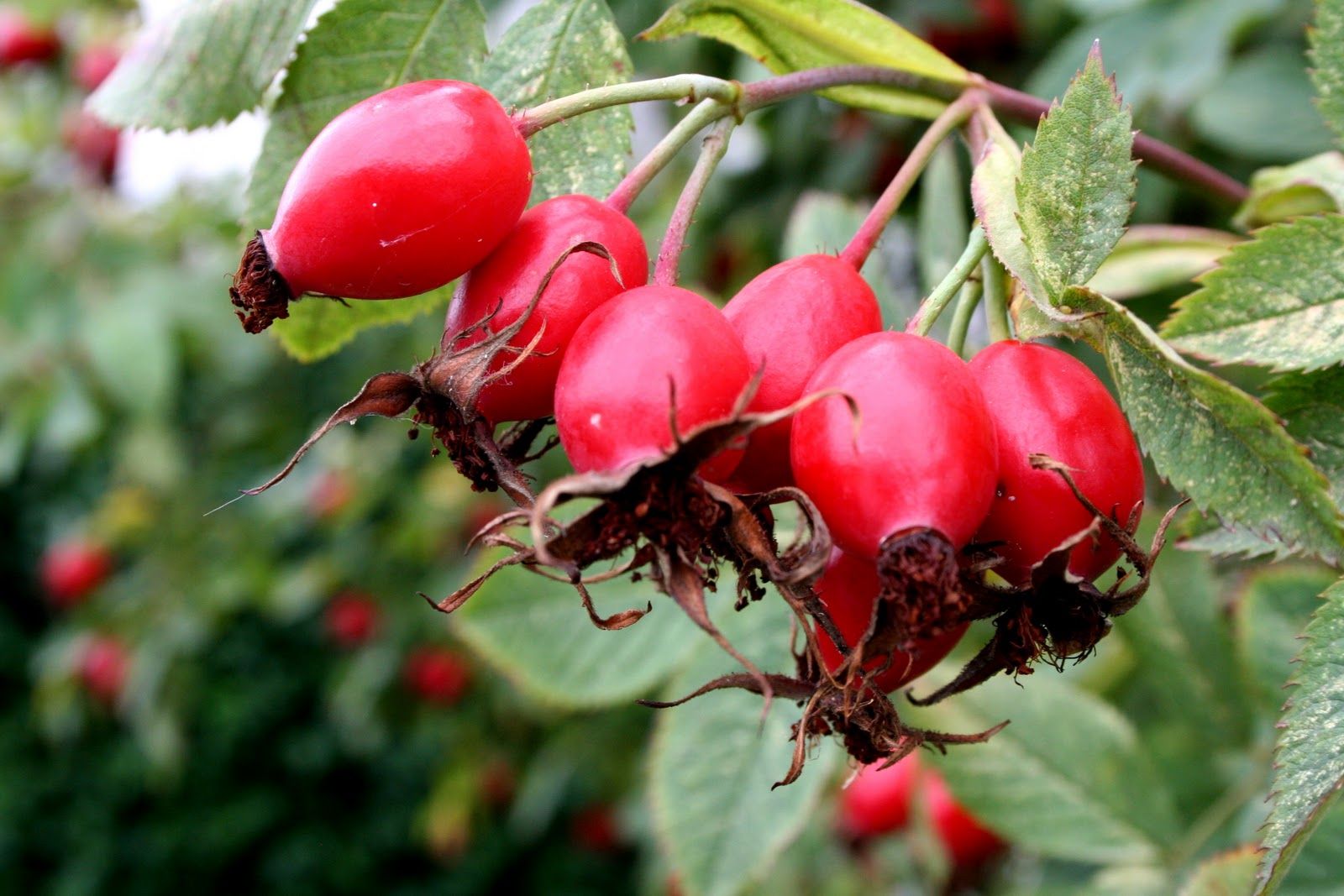
Dog Rose (Rosa canina) is an indigenous herb to Europe, considered by some as an invasive weed found in hedgerows, scrub, woods, and wasteland. In autumn, the arching stems with downy hooked thorns bear clusters of flask-shaped scarlet fruit known as rose hips. These floral superfoods, bursting with winter medicine for our homes and communities, make eye-catching bait for birds. Be sure to share in this harvest as they are rich in therapeutic uses!

Rose hips were thought to be discovered for their high vitamin C content in Britain during WWII when scurvy was prevalent and citrus remedies were scarce. In modern times, as every practitioner knows, vitamin C supplementation is used to support the immune system. It is more beneficial to obtain nutrients from local whole food sources such as rose hips than non-bioregional plant species or through a manufacturing process.

The therapeutic use for rose hips are many and go beyond the scope of vitamin C. Rose hips contain a plethora of tonic and antioxidant (carotenoids) properties that work in synergy with vitamins A, B1, B2, B3, D, K; with beta carotene; and with minerals such as calcium, iron, selenium and zinc.

Rose hips have many actions. For example, they are anti-inflammatory, astringent (drying), stomachic (strengthening digestion), nervine (strengthening and nourishing the nervous system), and nutritive with sour and cooling qualities. These actions make it a useful food and medicine for colder times of the year, benefiting inflammatory based conditions by easing chronic inflammation and offering pain relief. They can cool the body to help lower a fever and are used internally for natural relief of colds, sore throat, influenza, blocked chest, and minor infectious diseases. They can help control diarrhoea and gastritis and act as a dietary supplement. (They are especially good for vitamin C deficiency.) They may help to eliminate waste, support the immune system, soothe nerves, relieve insomnia, and lift depression, e.g. seasonal affective disorder (SAD).

Culinary use of rose hips includes wine making, vinegar, jam, jelly, syrup, soup, and tea. They are also used in a nutritional syrup supplement (especially for babies), which is sometimes added to cough mixtures and used to flavour medicines. Extracts are added to vitamin C tablets, food supplements, herbal remedies, and herb teas. As you can see, rose hips have a great deal to offer the autumn and winter medicine cabinet.

For the non-herbalists amongst us, here is a simple recipe you can safely carry out at home.  It’s also a fun project to do with children to help raise awareness of using nature to improve health.

Recipe for Organic Rose Hip Apple Cider Vinegar

This recipe has been adapted from various sources to simplify the process. Instead of using the conventional weight:volume ratio for fresh plant tinctures based on calculating the equivalent dry weight of the herb in g:ml, I have favoured a more traditional, user-friendly approach, including the use of a metric cup measurement.

Equipment:

  • Bag or basket
  • Sharp knife
  • Metric measuring cup
  • Colander
  • 1L Pyrex jug
  • Muslin cloth
  • Conical measure
  • 100 ml or bigger amber bottles with plastic caps (vinegar tends to rust lids otherwise)
  • Labels

Ingredients to yield approximately 600 ml:

  • Wild crafted, foraged rose hips (Rosa canina)
  • 1L organic apple cider vinegar (ACV)

Method

  • Identify and pick the rose hips in late autumn when the hips are bright red, soft and fleshy.
  • Wash the rose hips, discard anything damaged, and slit the skins using a sharp knife.
  • Measure 1 cup of slit rose hips to 2 cups of room temperature ACV.
  • Place the rose hips into a 1L sterilised pyrex jug and cover with ACV, leaving head room for the rose hips to swell.
  • Cover and label the project with the name of plant, plant part, menstruum (the liquid ingredient) and date.
  • Macerate (soak in a liquid) for two weeks to one month. (You may like to follow the path and cycle of the new or full moon.) Keep it in a dark place at room temperature and stir daily with a wooden spoon.
  • Strain the acetum (a preparation having vinegar as the solvent) through a muslin cloth to remove seeds and irritant hairs. Discard the marc (left over herbal material).
  • Return the crude acetum into a pyrex jug, cover and allow to settle overnight.
  • The next day, filter and decant into sterilised amber bottles. Cap and label. Store in a cool dark place (shelf life six months).

The recommended dosage is 5 ml three times daily before a main meal (neat or in 30 ml  filtered water) to benefit from the ACV digestive tract, tonic qualities. This recipe can be added to cooking (in marinades,  salad dressings, etc.) and is non-toxic and tolerated by most people, including those who are alcohol sensitive. If you experience any adverse side effects such as loose stools, which can be associated with excess vitamin C, stop taking the remedy for a day and reintroduce at half the recommended amount.

It is always good to consult a qualified herbalist before administering herbal medicine, especially if you or your client is pregnant, breast feeding, have a diagnosis and/or are taking prescription pharmaceutical drugs. For example, research indicates that rose hips have the potential to reduce blood glucose levels which can be suitable for treating diabetes.  However, large doses administered by those with hypoglycaemia (low blood sugar) may cause side effects. The seeds also consist of short hairs which may irritate one internally. For those who are susceptible to irritable bowel syndrome or irritable bowel disease, take care to thoroughly strain the liquid. Rose hips are generally considered safe for use with children, convalescents, and the elderly.

Tips

When foraging for wild food or medicine, be sure to identify plant species correctly, and  harvest away from polluted areas such as busy roads and industry or where they might have been sprayed.  Remember to leave some autumn and winter food for wildlife!

One of my favourite hedgerow medicine guides for wild food and herbal medicine identification is: Hedgerow Medicine: Harvest and Make Your Own Herbal Remedies by Julie Bruton-Seal (Author, Illustrator), Matthew Seal (Author).

Should you decide to study herbal medicine (for example at the College of Naturopathic Medicine) this is the kind of practical, hands-on project you might study in the module Botany, Pharmacognosy, and Pharmacology.

About the Author

Emma Schade-Stylli has always felt a deep connection to nature and the cycle of the seasons with a passionate interest in exploring the science and healing art of plant-based medicine. Having graduated in Naturopathy and Herbal Medicine from CNM, Emma practices as a naturopath, herbalist and holistic lifestyle coach in the UK. She is also involved in a small holding project on the Isle of Anglesey, North Wales where she tends the land for pesticide-free vegetables and herbs. Emma can be contacted at info@contemporaryhealthcare.co.uk

About CNM
CNM offers Diploma Courses, Short Courses and Postgraduate Courses in a range of natural therapies, all based on a naturopathic approach to health. For the full range of courses, visit www.naturopathy-uk.com.

Recommended Products:
Sources:
  • Andersson U, Berger K, Högberg A, Landin-Olsson M, Holm C. (2012) Effects of rose hip intake on risk markers of type 2 diabetes and cardiovascular disease – European Journal of Clinical Nutrition 66(5):585-90
  • A Modern Herbal by Mrs. M Grieve • Roses – Botanical.com
  • Bartram, T (1998) Bartrams Encyclopedia of Herbal Medicine. 1 ed. London: Constable & Robinson Ltd.
  • Bruton – Seal, J., & Seal, M. (2009) Hedgerow Medicine. Shropshire: Merlin Unwin Books Ltd.
  • Fitter, R.S.R (1974) Wild Flowers of Britain and Northern Europe. 2nd  ed. London: Harper Collins Publishers Ltd.
  • Make Your Own Whole Food Vitamin C Pills with Herbs -Learning Herbs
  • The Medicinal Benefits of Rose Hips -Permaculture 
  • Thomsen, M., & Gennat, H. (2009) Phytotherapy Desk Reference. 4th ed. Australia: Global Natural Medicine Pty Ltd.
  • Williams, S. (2013) Pharmacognosy and Pharmacy Day One, Pharmacognosy and Pharmacy. [Online] College of Naturopathic Medicine London.
  • Yard, Neils (2011) Cook, Brew and Blend Your Own Herbs. 1 ed. London: Dorling Kindersley Limited.
  • 2012, Department of Herbal Medicine. (Clinical Handbook Herbal Medicine) [pdf] London: The College of Naturopathic Medicine.